

In reading ‘Island’ by Aldous Huxley I came across the paragraph below. The speaker is talking about a ‘Mutual Adoption Club’ and comparing it to Western society. On Pala (the island the title refers to) whenever the parental home becomes too unbearable the child is allowed to migrate to one of its other homes within its MAC. A MAC consists of from 15 to 25 assorted couples and everyone in the club adopts everyone else. An inclusive, voluntary family. This is one of the good ideas of the book but there are a few hoopy ones – must have been all the drugs Huxley was taking…
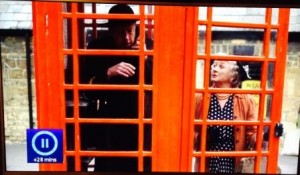
Things are a great deal better in your part of the world – better, but still quite bad enough. You escape the state-appointed baby-tamers; but your society condemns you to pass your childhood in an exclusive family, with only a single set of siblings and parents. They’re foisted on you by hereditary predestination. You can’t get rid of them, can’t take a holiday from them, can’t go to anyone else for a change of moral or psychological air. It’s freedom, if you like – but freedom in a telephone box.*
*Huxley, Aldous. 2005. Island. London: Vintage, p.91.
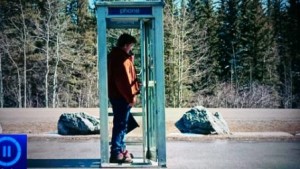



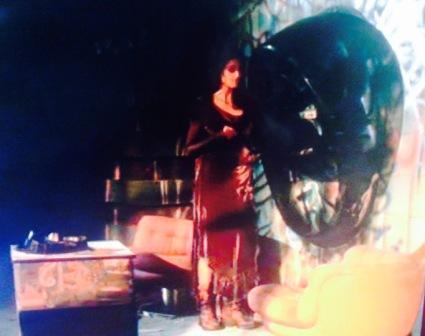
Mojave Phone Booth
I listen to a podcast called ‘99% Invisible’. It’s an American series I have been onto for a couple of years – although I only listen in spasmodically. Podcast no. 202 is title ‘Mojave Phone Booth’ . Cool.
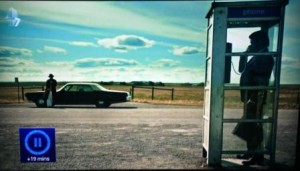
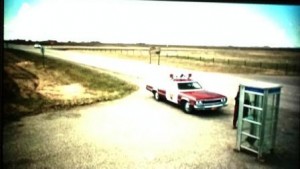
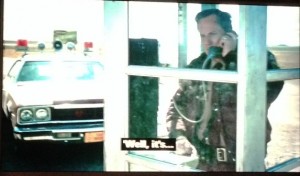
It has led me to a movie I didn’t know about ‘Mojave Phone Booth’ (2006) and the Wikipedia page on the artefact itself – you guessed it, a phone box in the Mojave desert.
This goes a long way to proving that I am not alone in my fascination for phone boxes.
Comments Off on Mojave Phone Booth
Posted in Comment, Geography, Media
Tagged cinema, desert, USA