
This is the kind of news we like… From The Guardian.
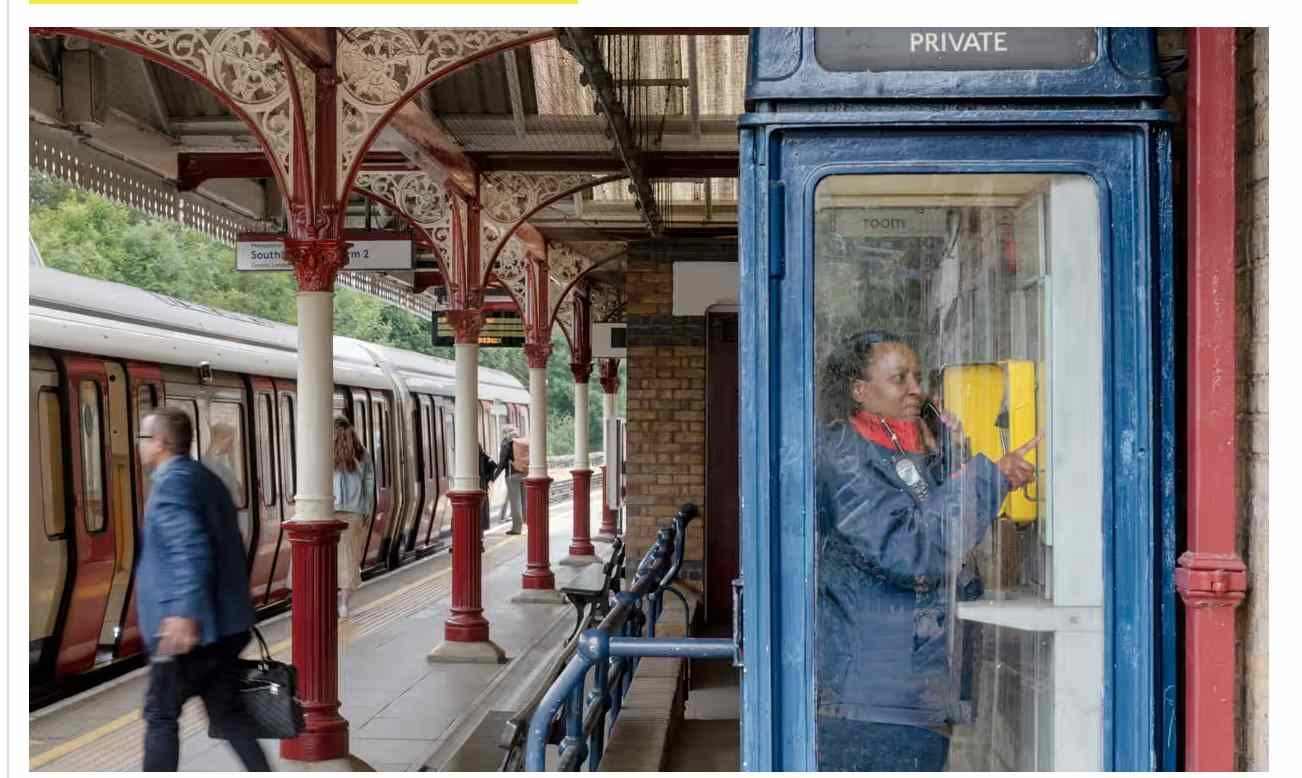
K8s installed on tube stations between 1968 and 1983 are listed for architectural and historic interest.
Four rare phone boxes on London Underground stations have been given Grade II-listed status by the government for their architectural and historic interest.
The phone boxes are among 11,000 K8 kiosks that were installed across the UK between 1968 and 1983. Only about 50 remain, mostly in Hull where they were part of an independent phone network rather than the property of British Telecom.
The K8s on tube stations were owned by London Underground and housed an internal phone system for station staff. As such, they were painted different colours to the traditional red phone boxes.
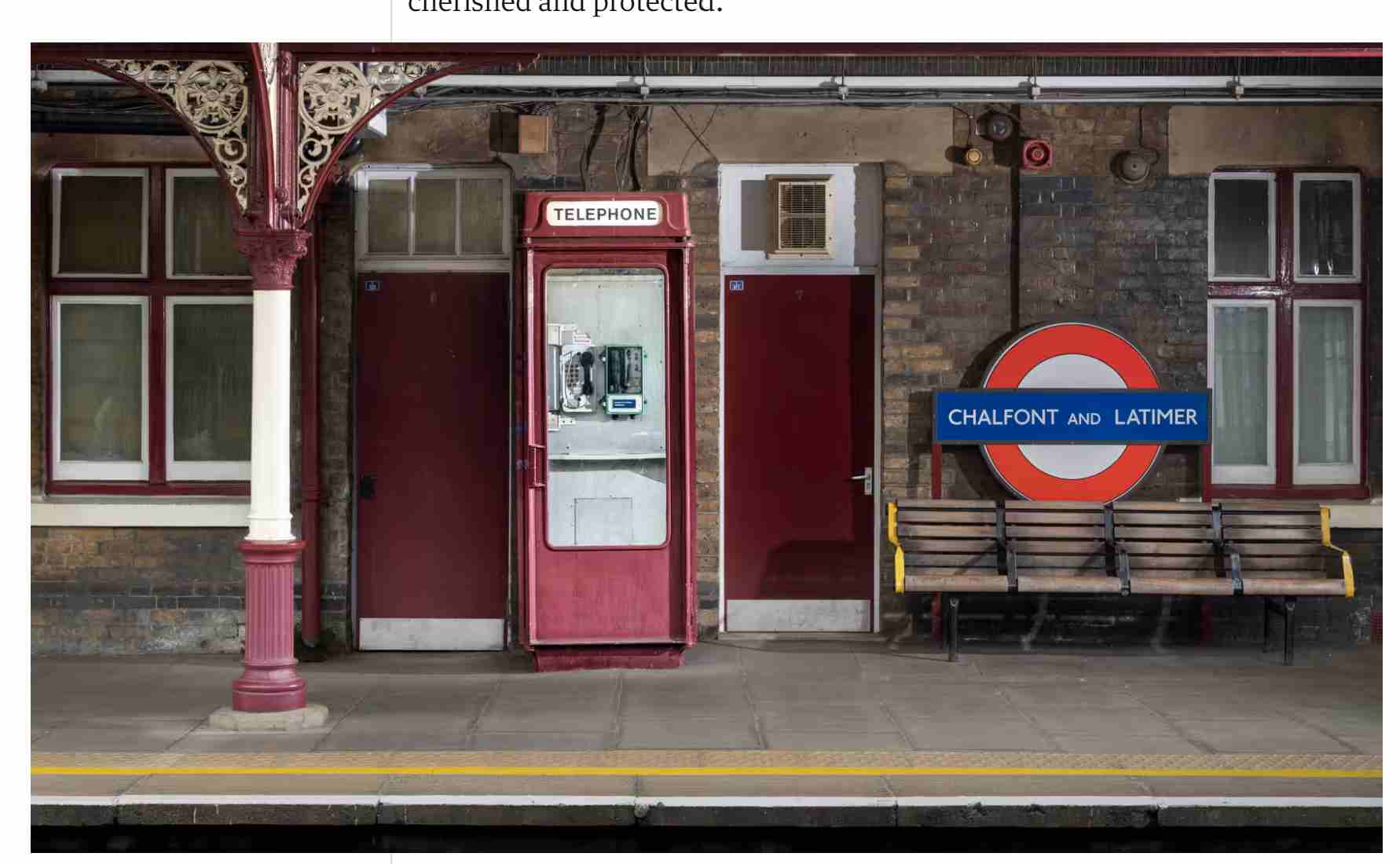
The newly listed boxes are at High Street Kensington and Chorleywood, both blue; Chalfont and Latimer, maroon; and Northwick Park, which is white.
Tom Foxall of Historic England, the body that recommends listing to the government, said: “There are very few designs that can be genuinely termed as ‘iconic’ but the K8 is certainly one of them. Like its predecessors, this kiosk was a defining feature of 20th-century Britain’s physical, technological and cultural landscape. Very few K8s survive, so they certainly need to be cherished and protected.”
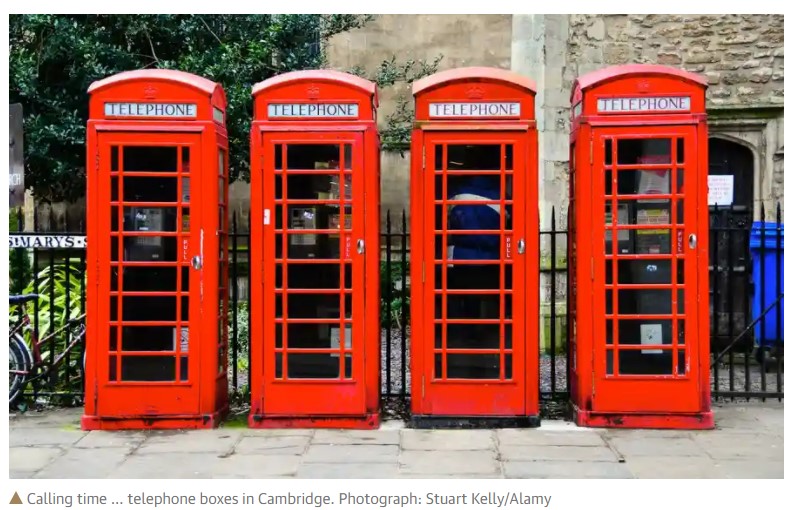
The K8 was commissioned by the General Post Office, which owned the public phone network in the mid-60s, and designed by the architect Bruce Martin. Unlike the classic dome-topped K2 and K6 boxes, designed in the 1920s by Giles Gilbert Scott, which have architrave moulding and glass panelling, the K8 is minimalist with a flat roof and single large windows.
Most of the 11,000 K8s were removed by British Telecom after it was privatised in 1984. They were succeeded by the aluminium-framed KX100, most of which have since been ripped out with the inexorable rise of mobile phones.
The four tube station K8s join nine K8s in Hull that were listed earlier this year, giving a total of 23 on the national heritage list for England.
Historic England has appealed to phone box enthusiasts to help the search for unrecorded K8s.
Lord Parkinson of Whitley Bay, the arts and heritage minister, said: “This distinctive telephone box design, once a ubiquitous part of daily life in the UK, is now rare to see in our public spaces. I am delighted these remaining examples have been listed so that their design can continue to be admired and enjoyed for years to come.”
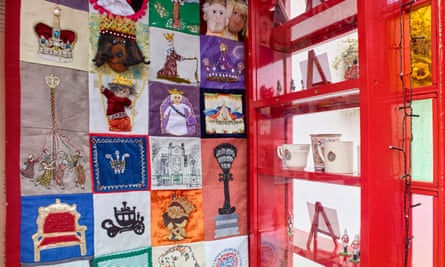
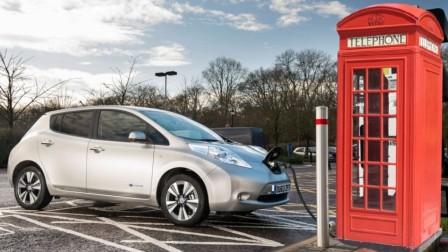
By 2021, about 21,000 working public phone boxes remained in Britain, from a peak in the mid-90s of about 100,000. More than 6,000 have been converted to other uses, such as community libraries or to house public defibrillators. 96% of UK adults own a mobile phone.


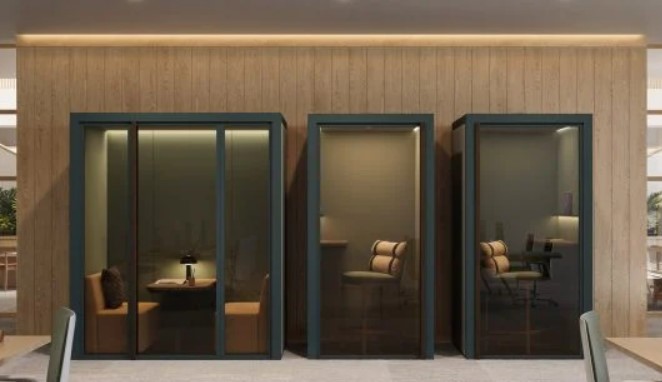


Office phone boxes may be the new trend
The boxes themselves are a little too simplistic in style for me but I love the idea of bringing the traditional functionality inside. Especially good for open plan offices when you need some privacy. In these pandemic days they’d need to be cleaned regularly though.
Cross post from de zeen
Soho office phone booth by Meavo
Dezeen Showroom: booth and pod brand Meavo aimed to combine high-quality construction with an affordable price tag in its Soho office phone booth, which provides privacy in the workplace.
Soho is a sound-dampening booth that offers acoustic and visual privacy for one person at a time.
It is designed to fit with the interior style or colour scheme of any office and can be customised in any colour at no additional cost.
The Soho office phone booth includes a small worktop, LED lighting, and ventilation to freshen the air. It can also be configured with power sockets, USB charging ports, wireless charging and HDMI ports.
To reduce environmental impact, Meavo uses recycled plastic bottles for Soho’s acoustic felt lining, with each phone booth containing over 800 bottles.
For every booth sold, the company also promises to plant 50 trees and provide two solar lamps to families in Zambia.
Comments Off on Office phone boxes may be the new trend
Posted in Comment, News
Tagged design, urban