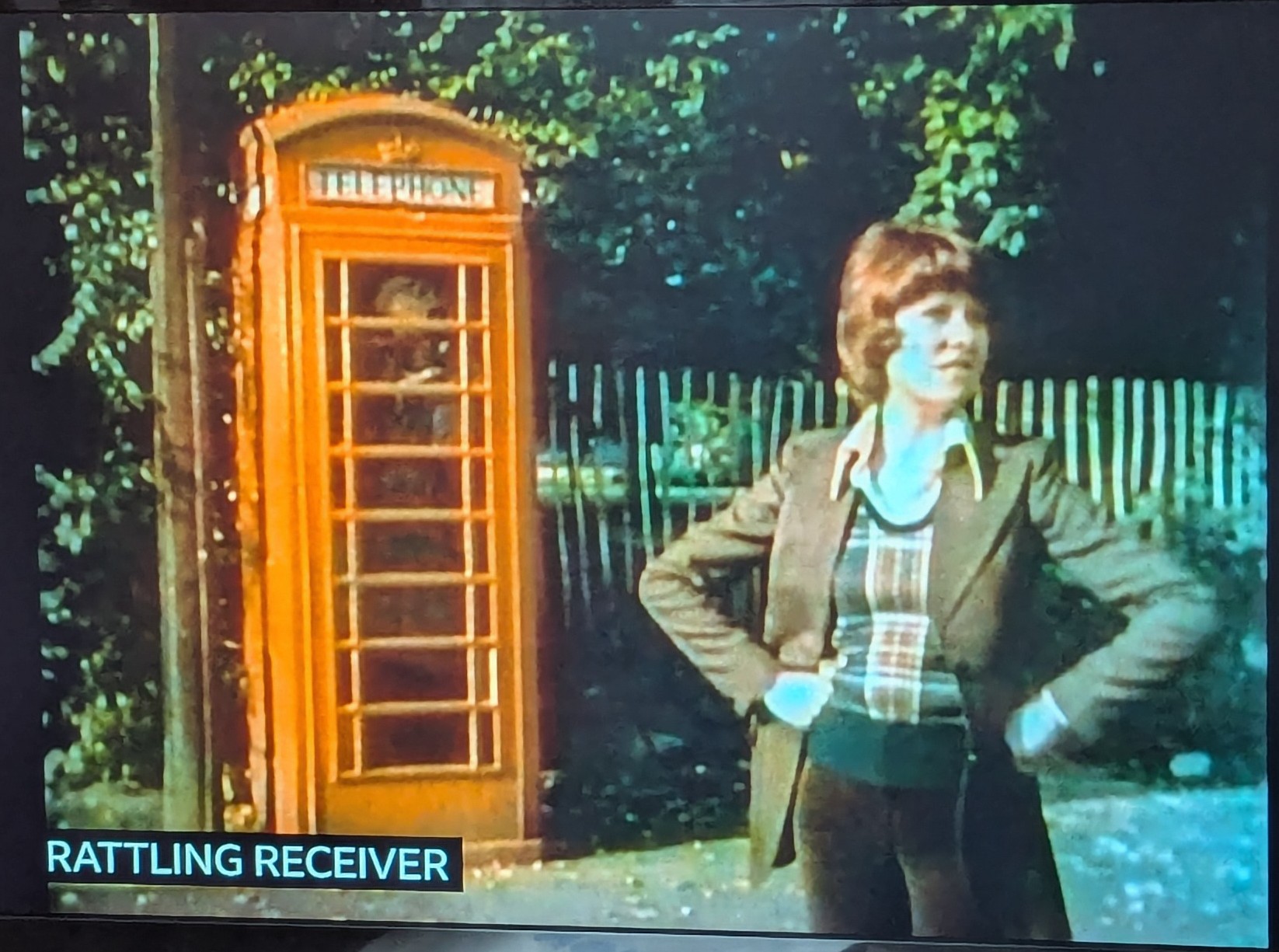
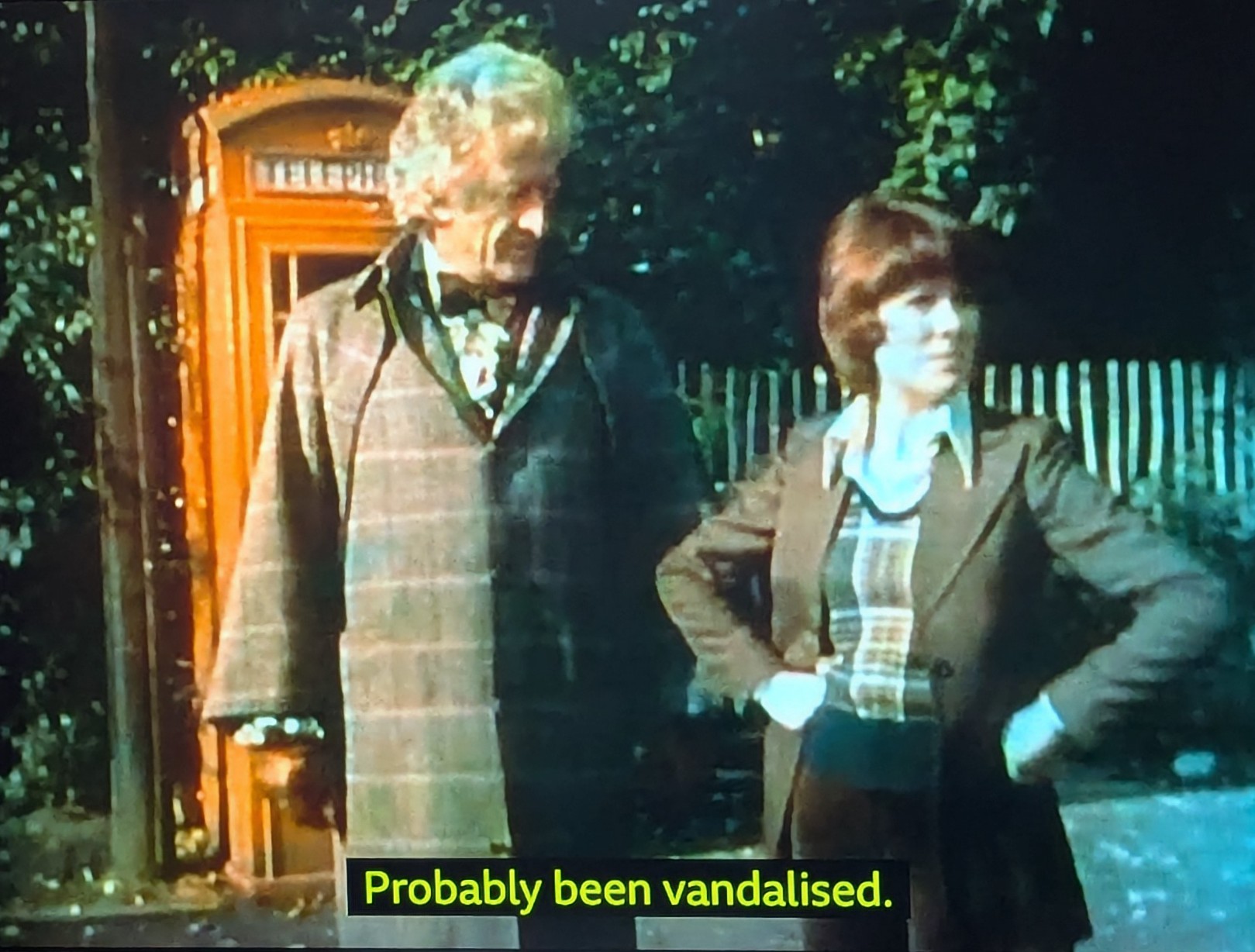
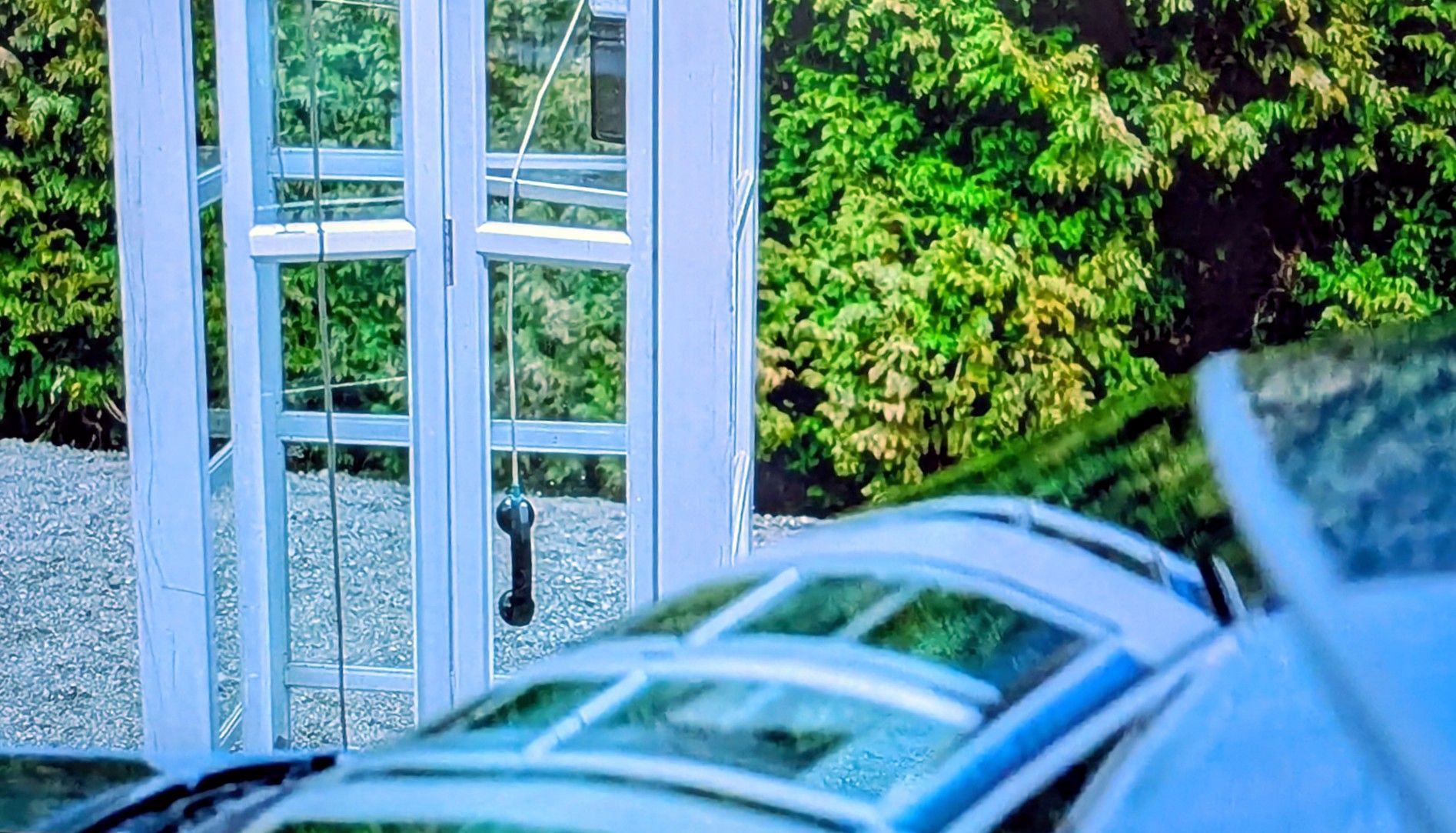
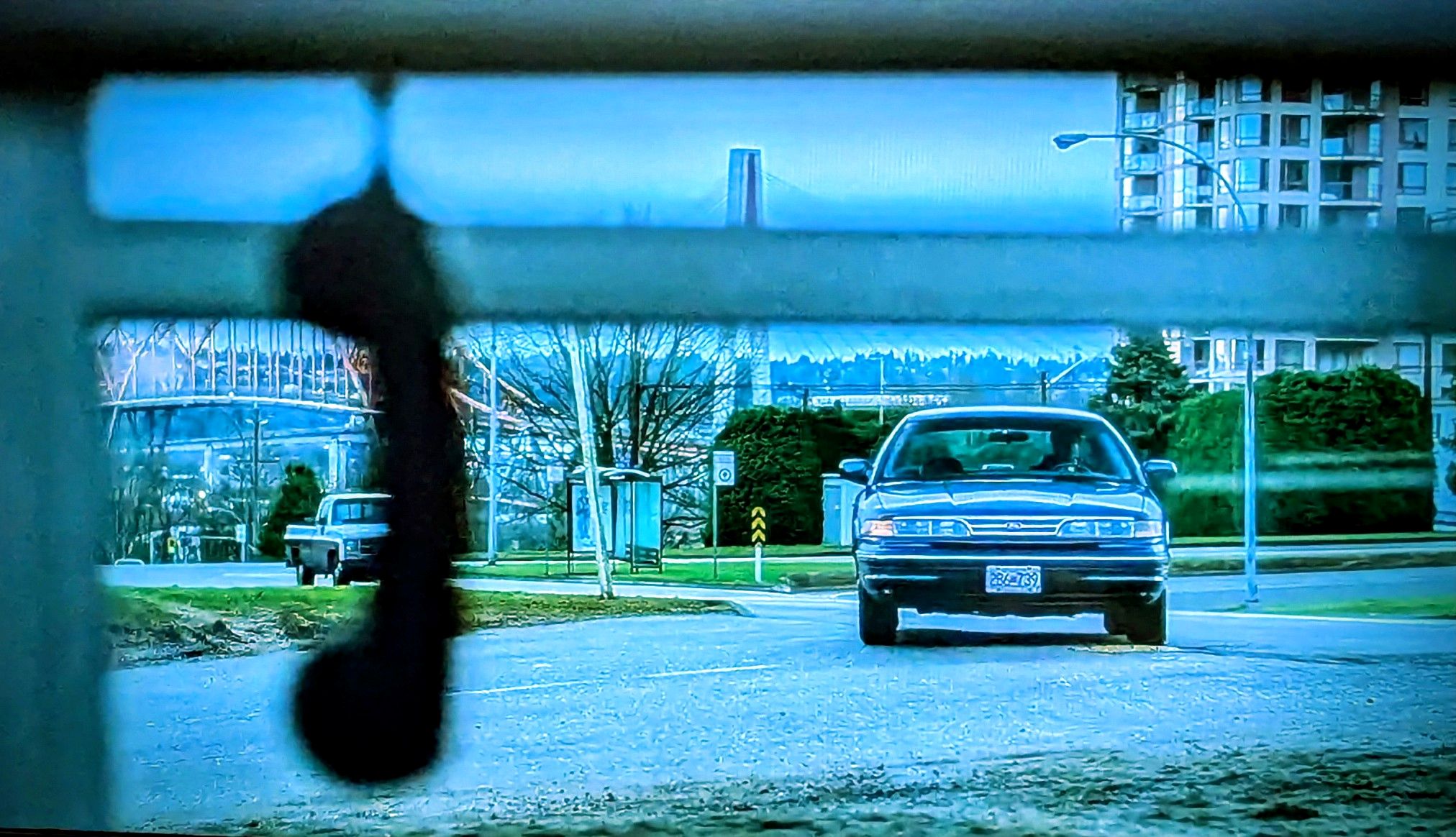
A man after my own heart

What happened next: the man who saved the last phone box in his village

When BT earmarked the kiosk for closure in January, Derek Harris began to campaign. The fight gave him purpose at a difficult time in his life

  •  ‘I don’t want it to die’: one man’s battle to save the last phone box in his village

Emine Saner, The Guardian

Tue 30 Dec 2025 05.00 GMT
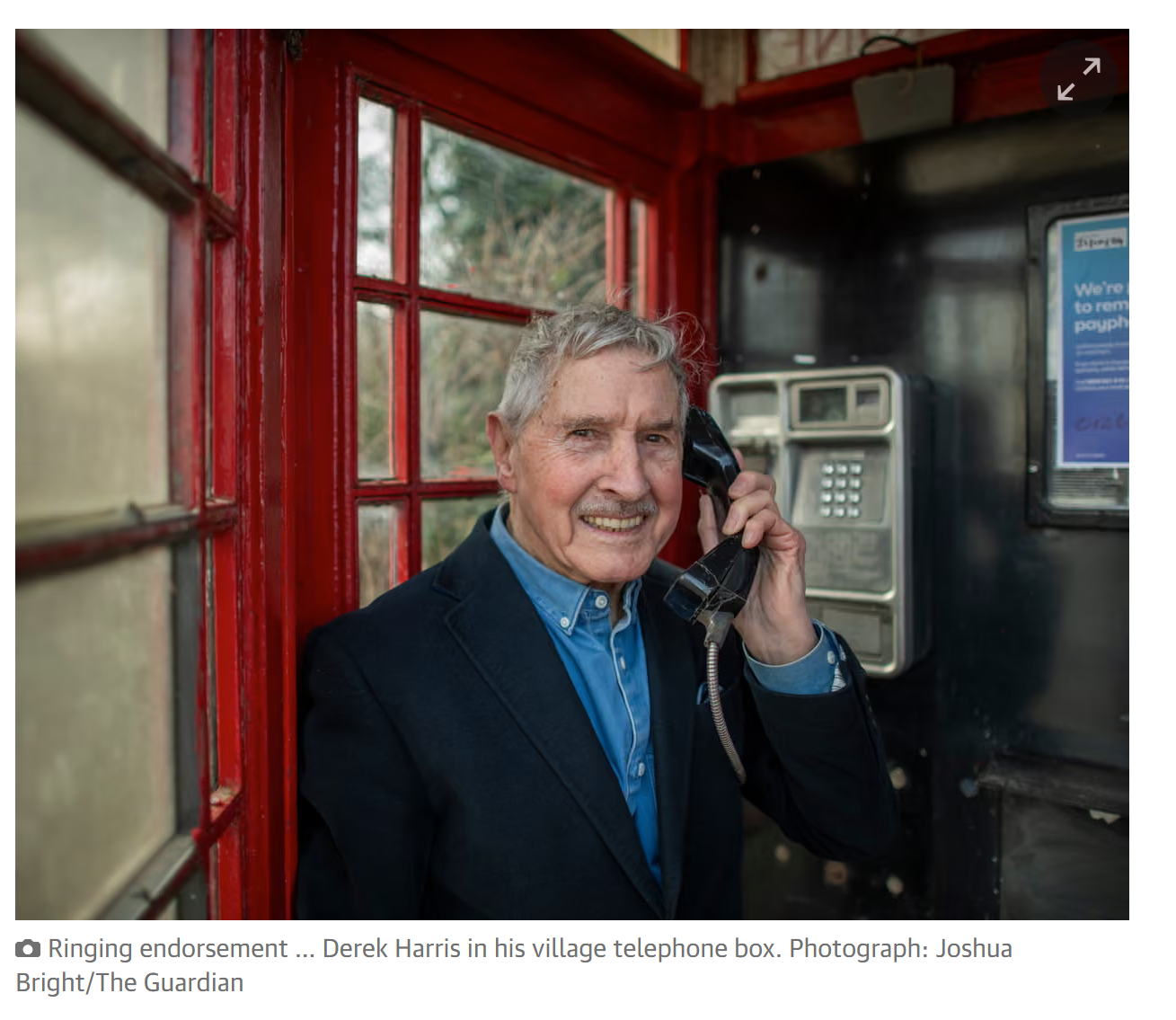
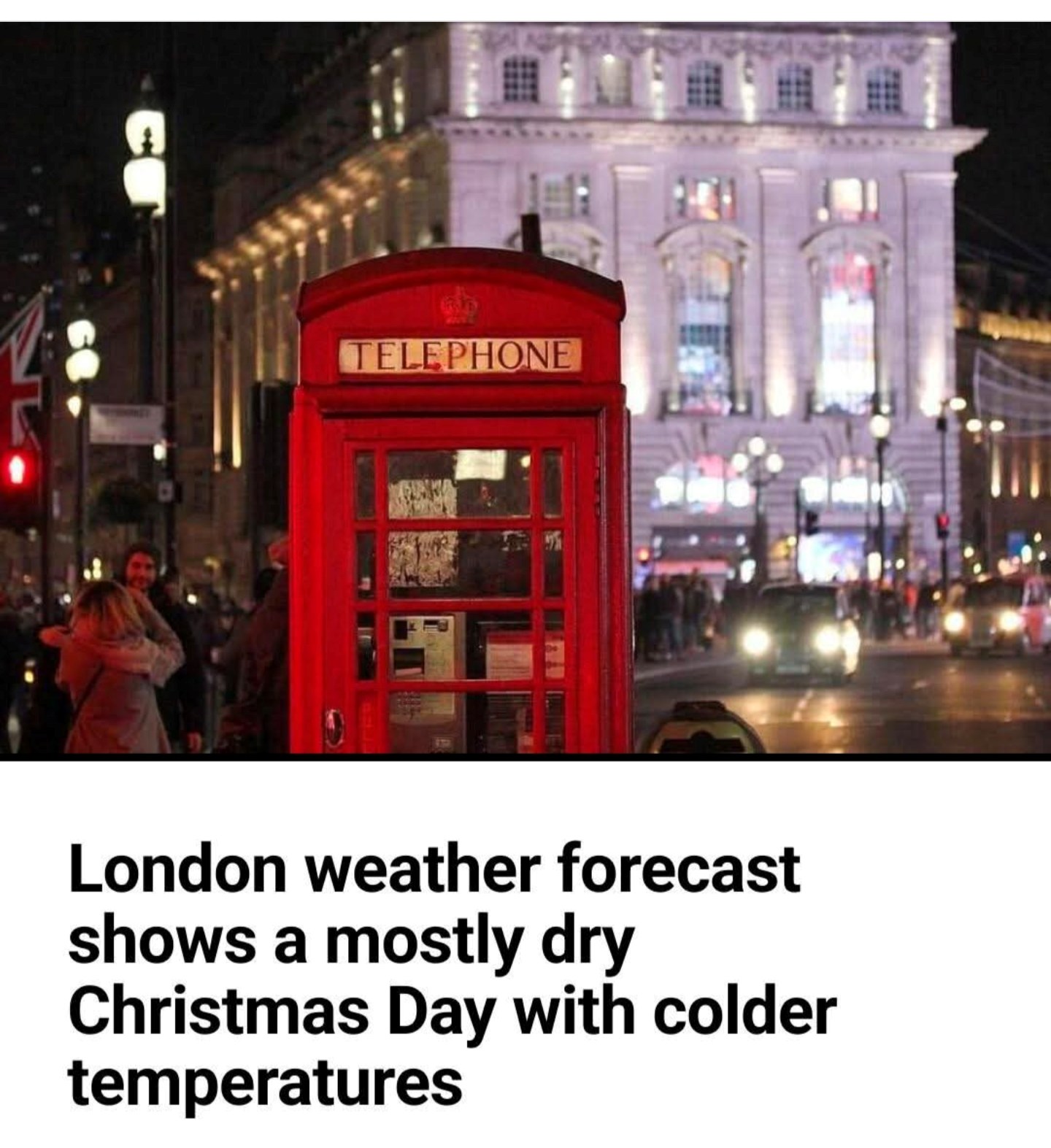
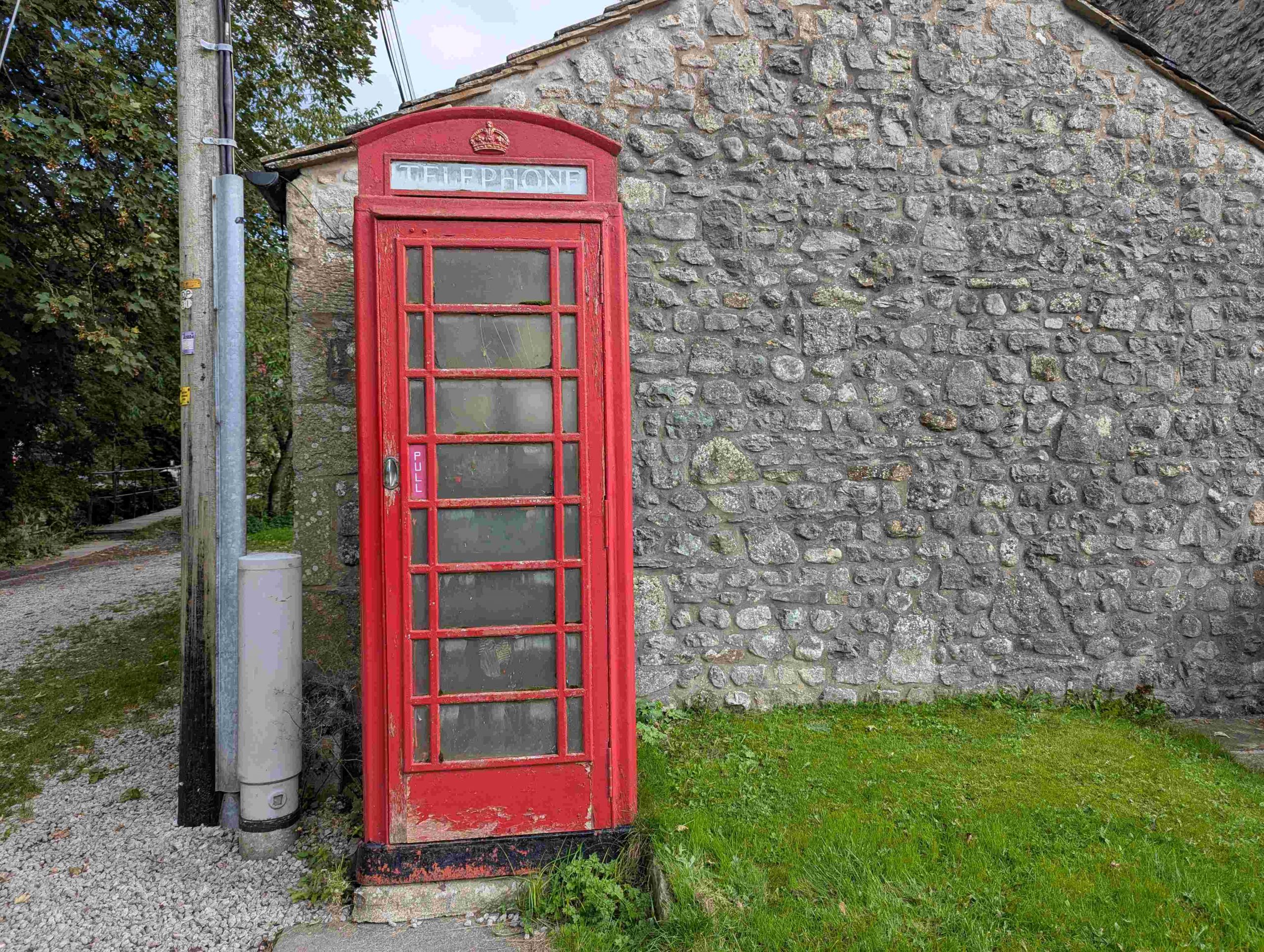
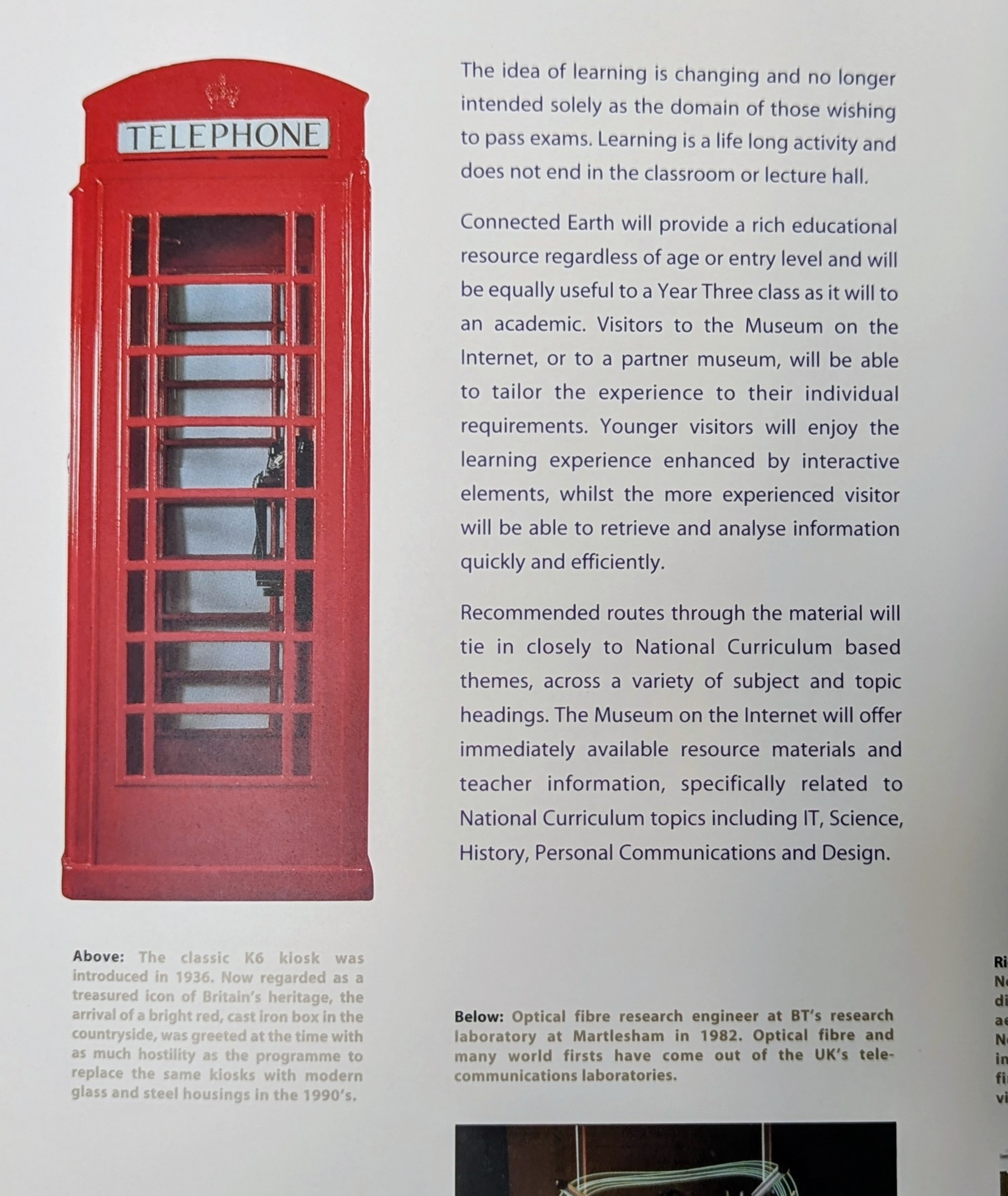
The caller display flashes up: “Derek in the K6” it reads. On the line is Derek Harris, ringing from the red phone box he saved for his village. When he saw, on the agenda for the parish council meeting, that BT had earmarked it for closure, Harris knew he had to fight it. “It’s fighting for what is valuable, cherished,” he told me when I went to meet him in February, sitting over coffee in a cafe near Sharrington, the Norfolk village that has been his home for more than 50 years, and the phone box for longer. It’s a K6, for Kiosk No 6, designed in 1935 by Sir Giles Gilbert Scott.

For a few weeks, Harris, then 89, became a media star. One of the criteria for keeping a phone box in use is that at least 52 calls have to be made from it in a year (fewer than 10 had been made in 2024). As the campaign picked up speed, one day a queue of people made more than 230 calls from the K6. Harris sparked a national conversation about the continuing need for kiosks in an age of mobiles. Behind the scenes, he was a tenacious activist, sending constant emails to his MP, councillors, and of course, BT. Some of them included photographs he had taken of BT vans whose engineers were working nearby, as proof the phone box could be easily maintained. In March, BT decided to reverse its decision.

Quite a lot of people are getting fed up with being oppressed by big organisations

Harris stresses it was a community effort. “We had the massive turnout” of volunteers to make the calls, he says. And “not just from this village, but from surrounding villages. It would have been impossible to have pulled this thing off had not so many people – local MP, district councillors, everyone – taken up the call to action.” It got national and even global coverage, he thinks, because “it struck a chord. Quite a lot of people are getting fed up with being oppressed by big organisations.”
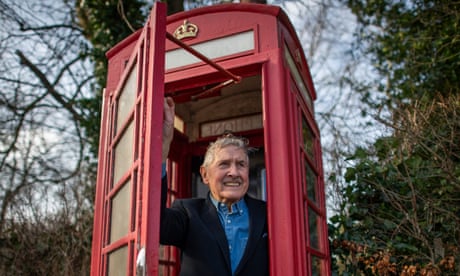
Derek Harris, 89, with the K6 phone box in Sharrington, Norfolk

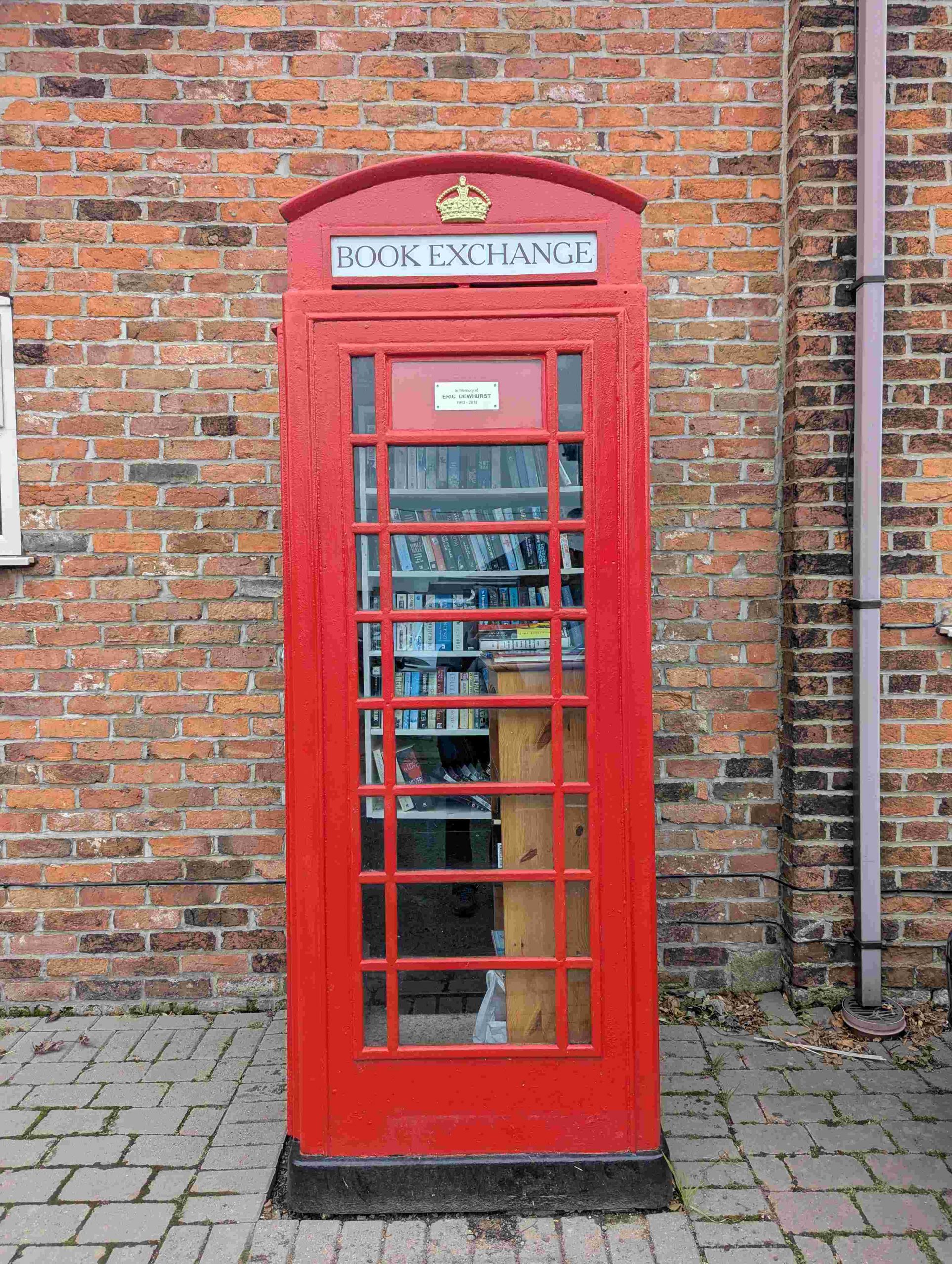
In February, when I met Harris, I was struck by how he seemed to view the phone box as a living being, with such affection for it. If it had been turned into a library, as other red phone boxes have, it would cease to be. As a functional kiosk, he said, “it would be alive”. I was thinking about this, driving home later that day, when I pulled into a car park for a rest and checked my phone. Harris had emailed me, titled “strictest confidence”, and I read with dismay that he had recently been diagnosed with inoperable cancer. “It struck me that this K6,” he wrote, “designed in the year of my birth, is deserving of being saved from a death sentence.”

I asked if I could mention his illness, but he said absolutely not (though he’s consented to me publishing now), that he didn’t want a fuss and certainly didn’t want anyone to think he was using it as a ploy to get sympathy for the campaign. The phone box had value in its own right. The campaign gave Harris a sense of purpose at a time when he was coming to terms with bad news. “It’s been a good achievement,” he says now. “There’s life in the old boy yet.” What does the retained phone box mean to the village? “Oh they’re overjoyed,” he says.

Since his victory, Harris has called me a few times over the year, stopping at the telephone kiosk while out on his walk, to say hello, complain about a politician, tell a story or two. It doesn’t hurt to keep the call numbers up. “We had a bit of snow earlier,” he says today, “but I walked here.” What can he see? “There’s open fields, lovely panorama. I’m looking through clear glass.”

Not only was the phone box saved, but BT refurbished it in the summer, including a new door and brass hinges. “It looks splendid.” It was done, he jokes, “just in time for my birthday”. Harris turned 90 in July, and was celebrated by his village with a garden party. His card from the parish council featured a picture of his beloved red phone box, and he was given a phone box fridge magnet.
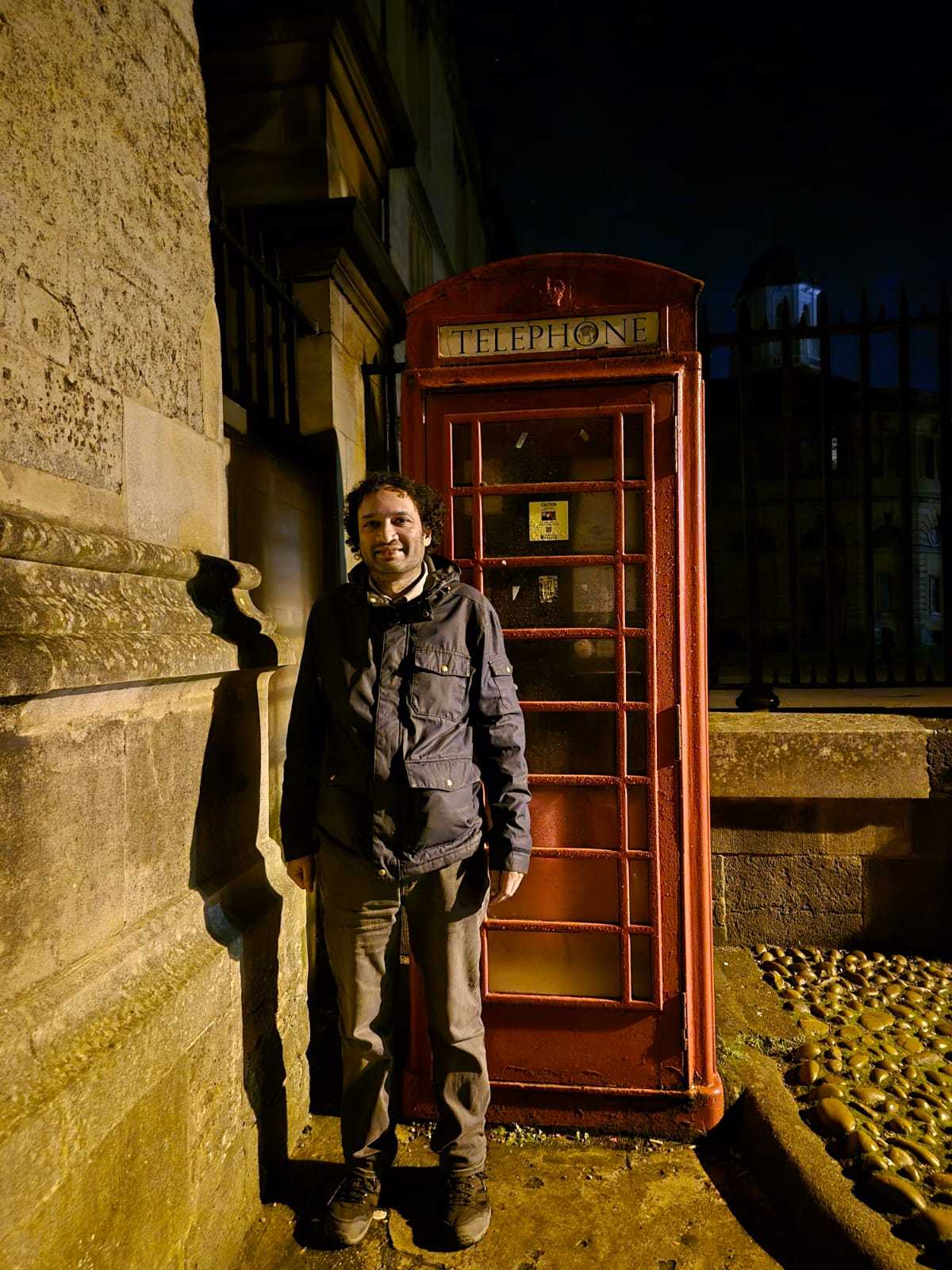
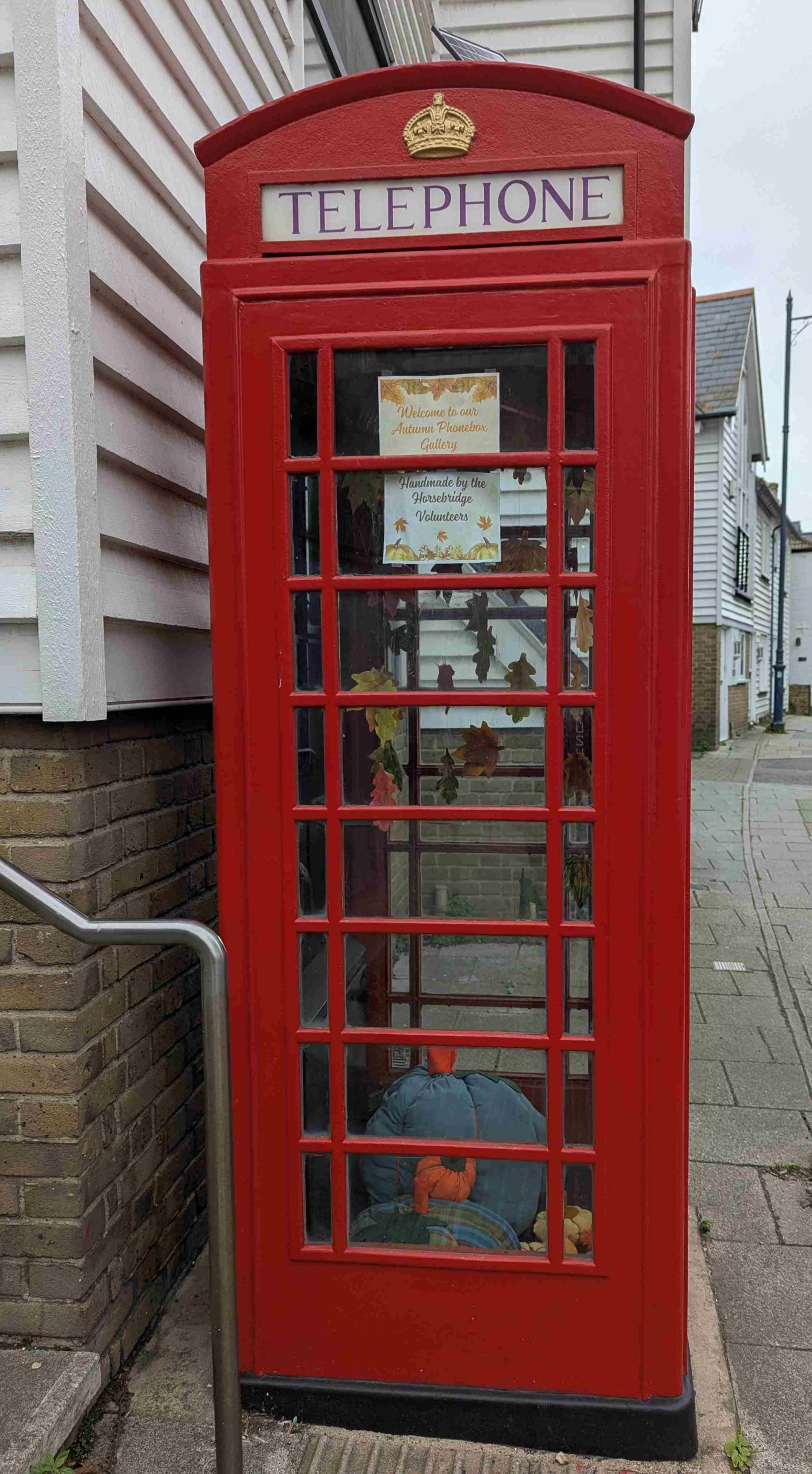
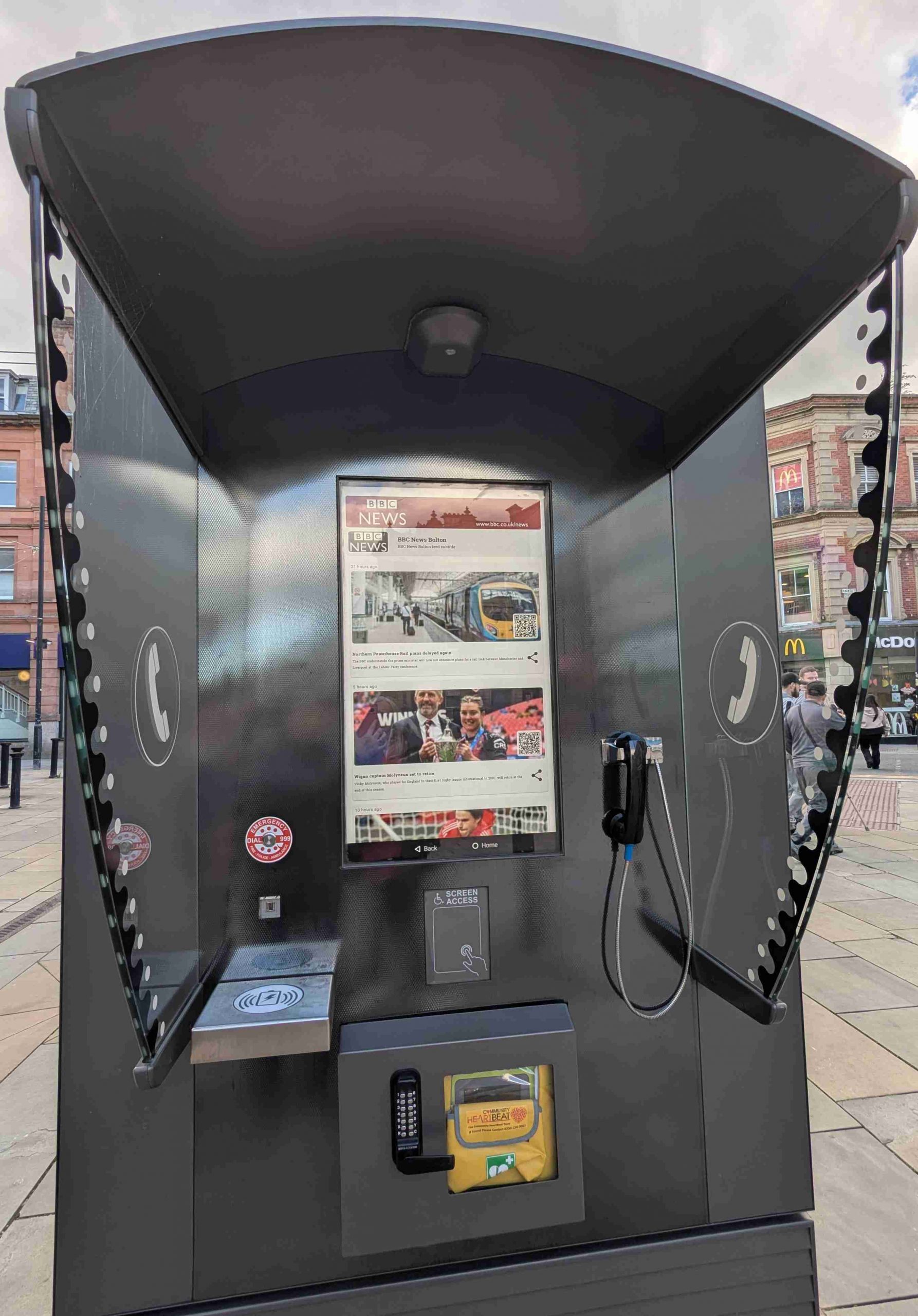
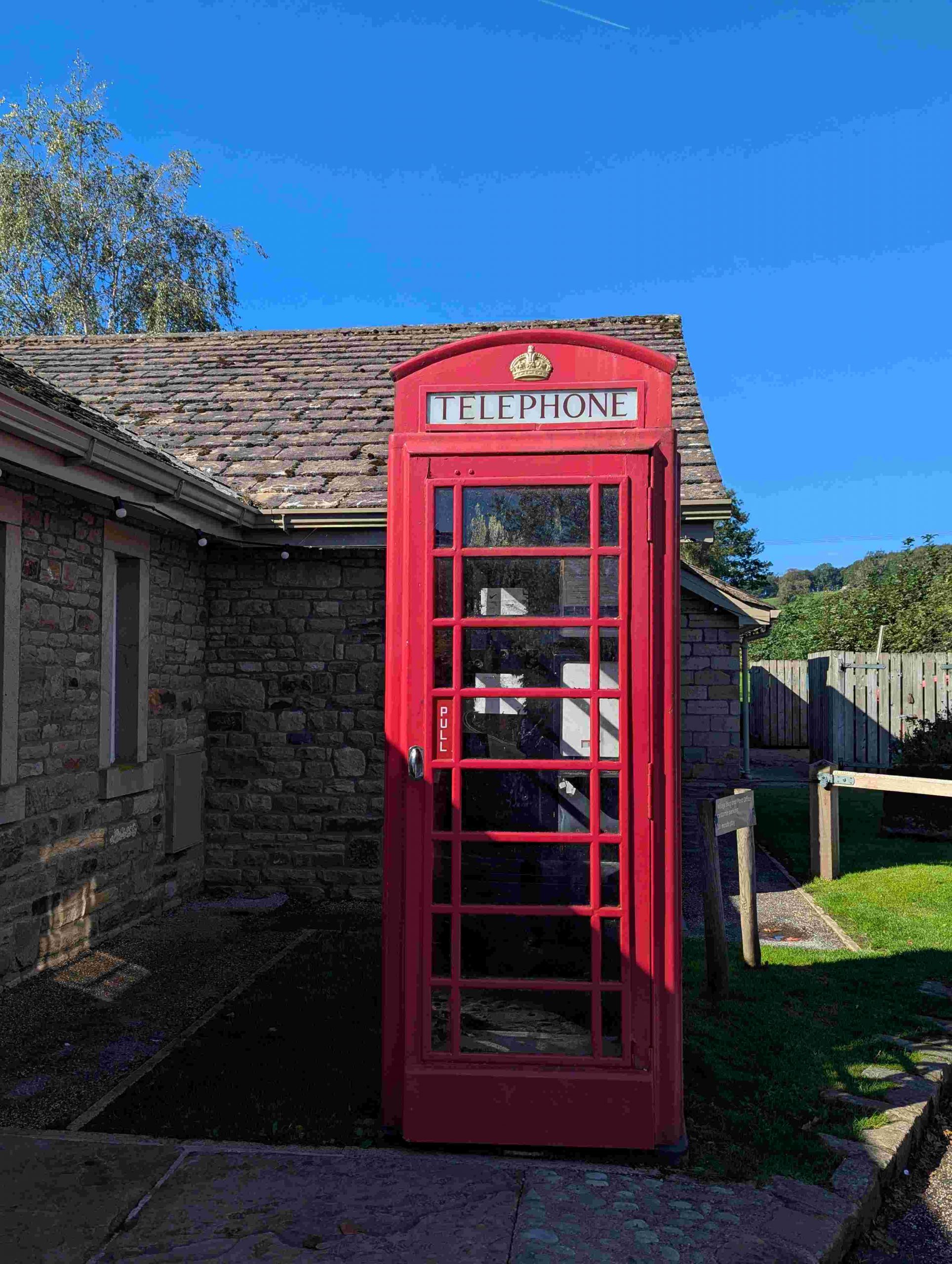
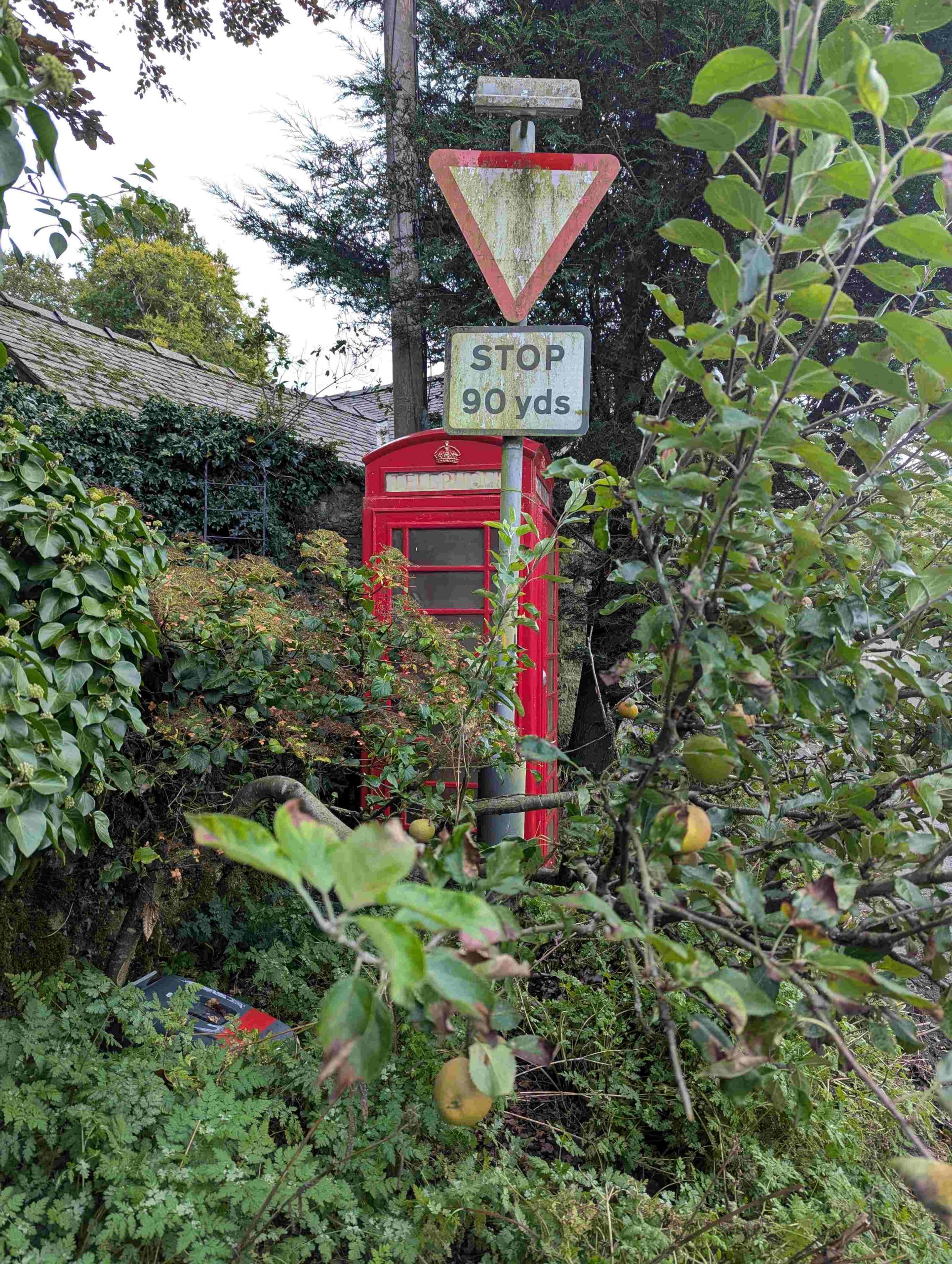
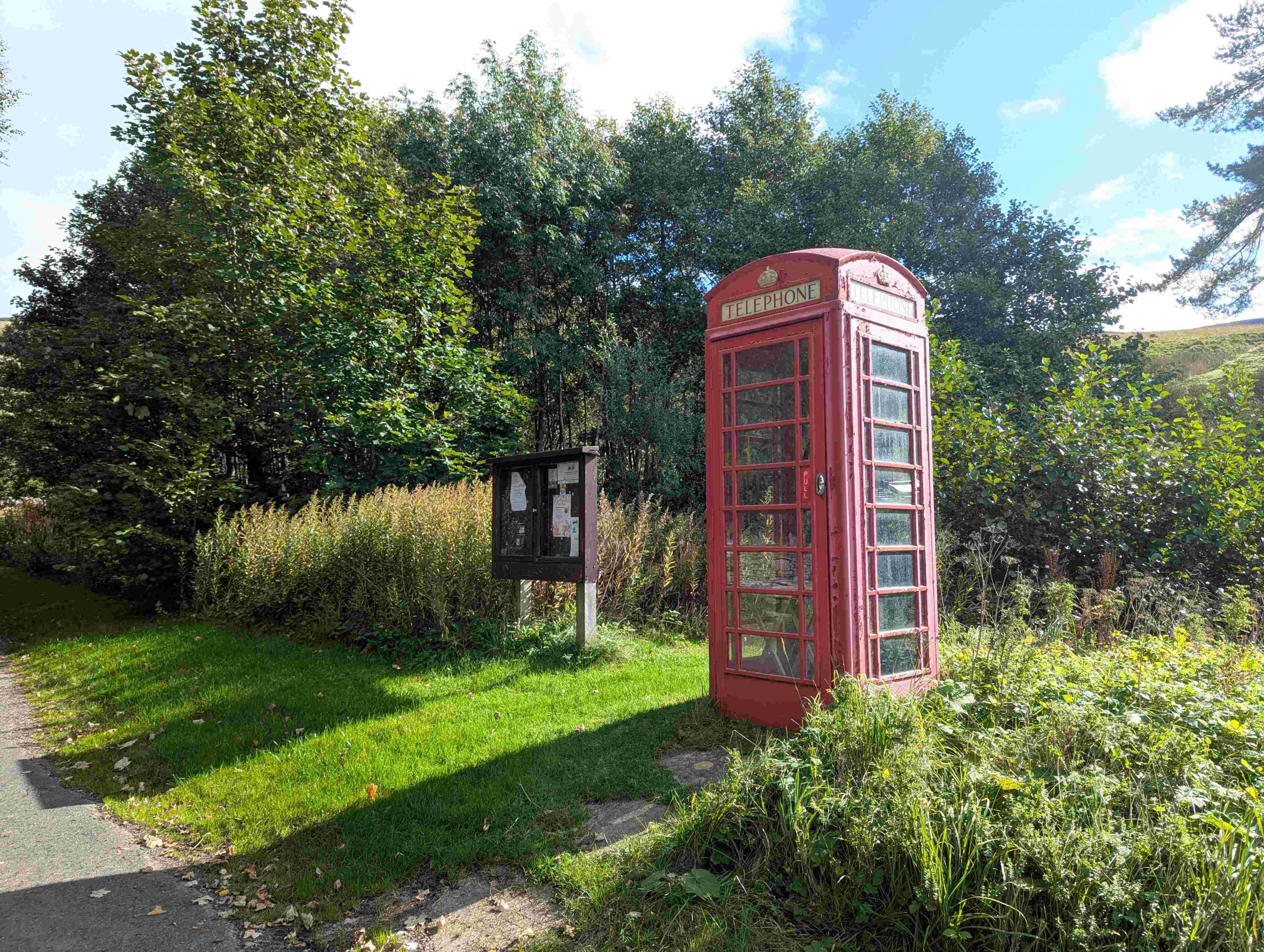
A few new images for the blog

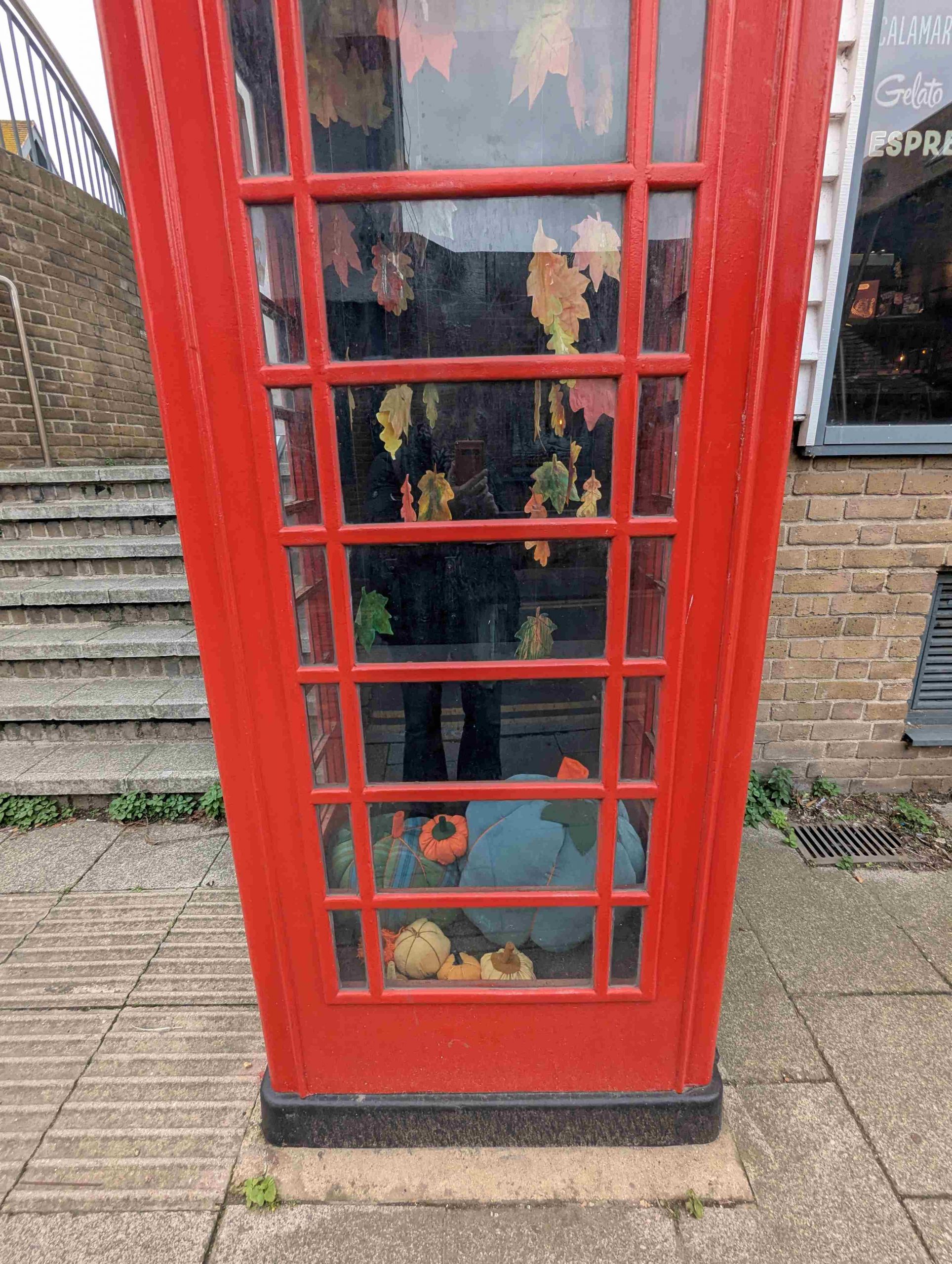
I love the little solar panel on this box in Whitstable.

Lerwick news

I was listening to a Mark Steel’s In Town podcast and this news item was mentioned:

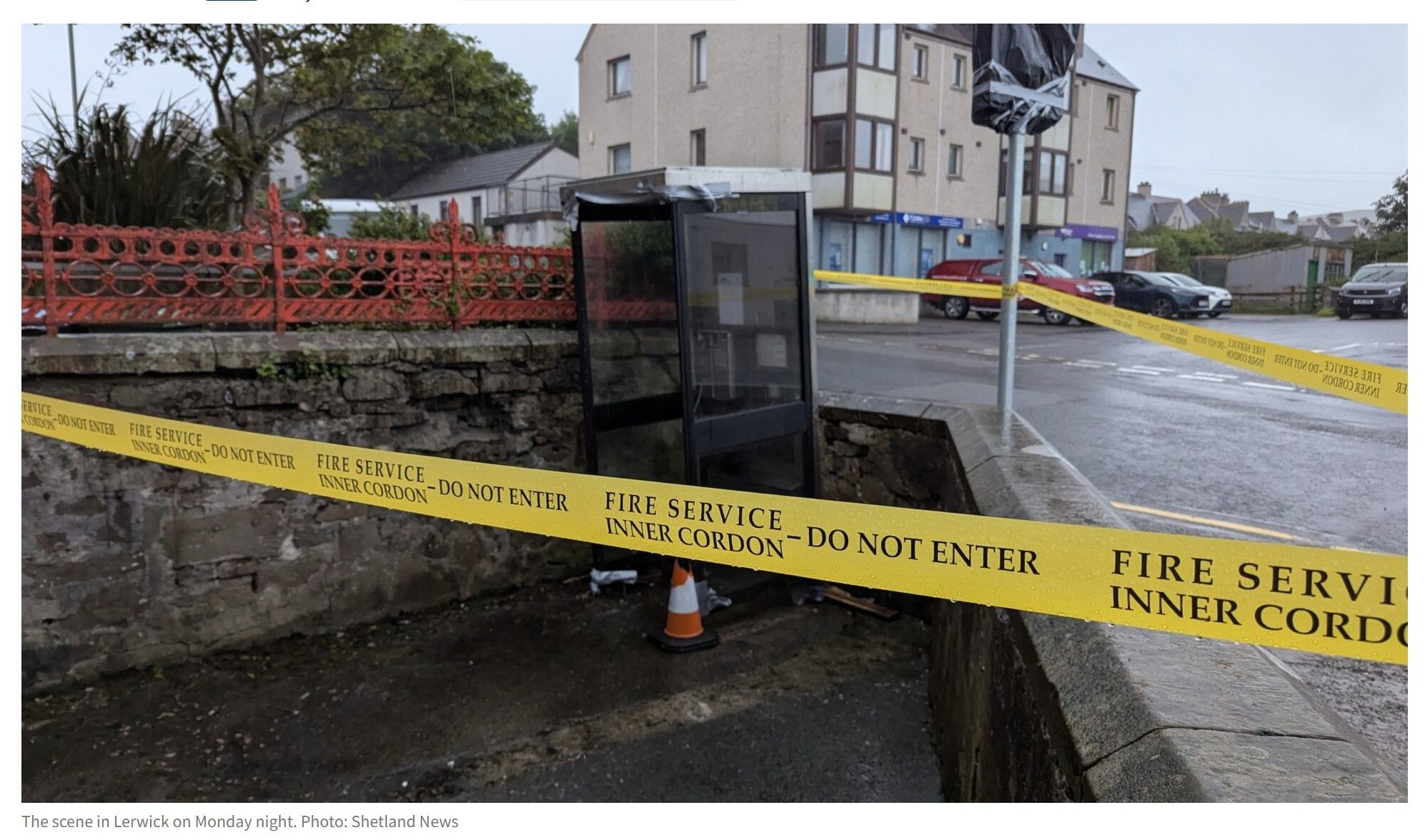
 Person freed from Lerwick phone box by firefighters

from Shetland News 1 July 2025

A LERWICK phone box had to be cut by firefighters after a report of a person becoming trapped on Monday night.

One fire crew from Lerwick and an ambulance were called to the scene outside Freefield pharmacy at around 5.10pm, responding to a report of a female trapped in the area.

The female was taken into the care of the ambulance service.

Local reports said the person was trapped between the phone box and the wall on Burgh Road, but Scottish Fire and Rescue Service (SFRS) said it had not been given details from local firefighters as to whether this was the case.

SFRS said the scene was made safe and that the phone box had been removed, before the scene was cordoned off, however the photo above shows the phone box was still in place as of Monday evening.

Firefighters left the scene at 6.21pm.

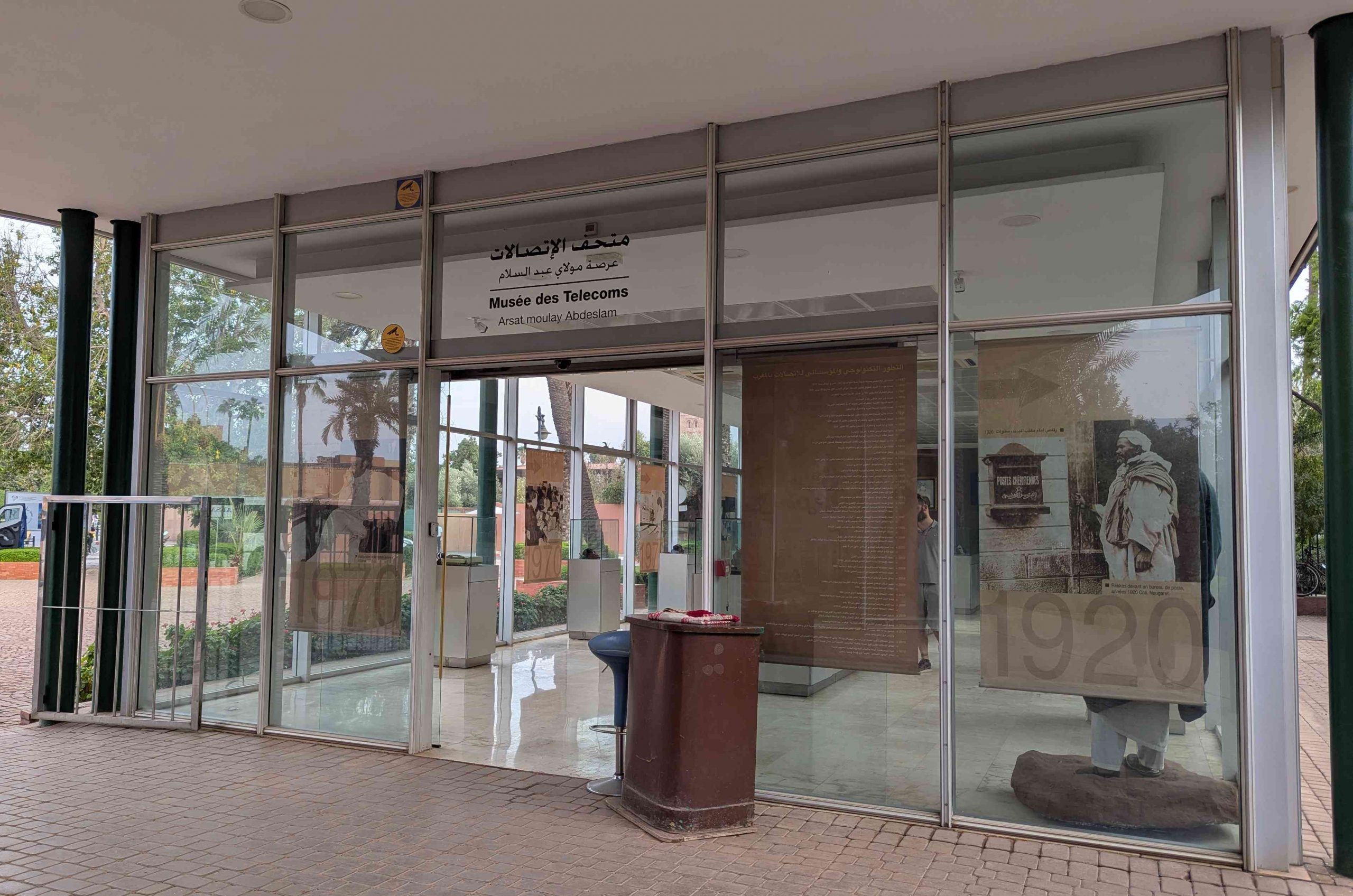
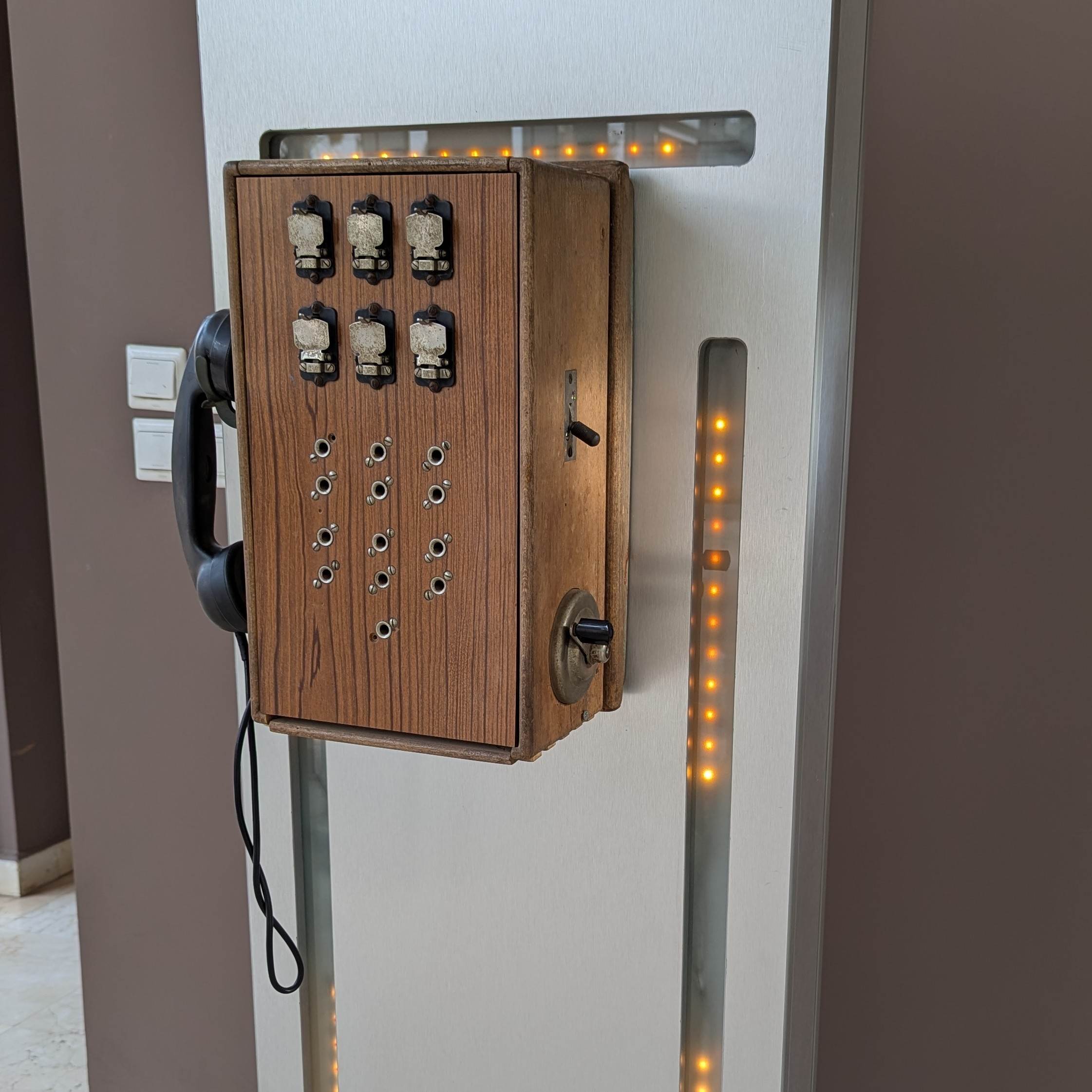
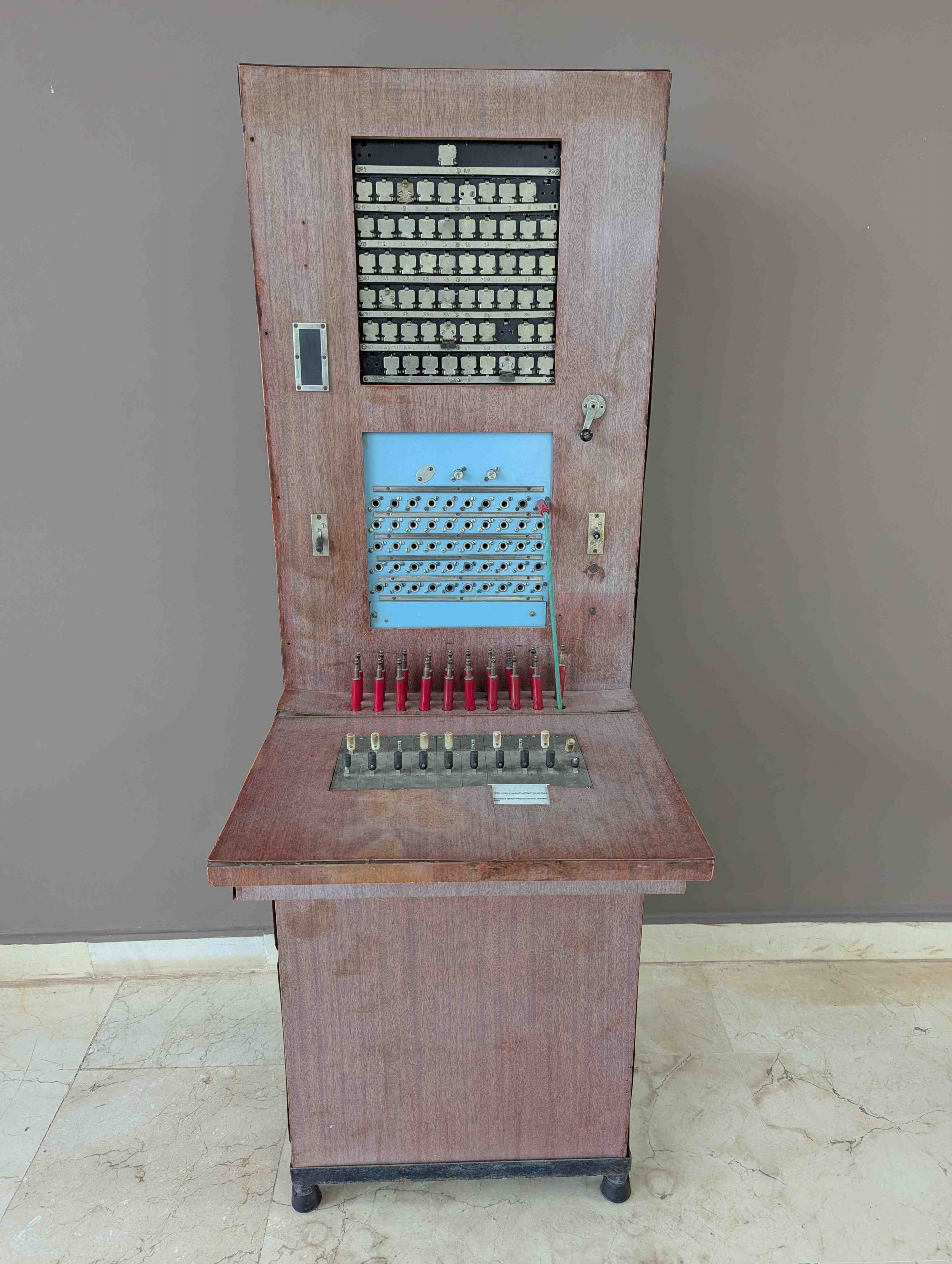
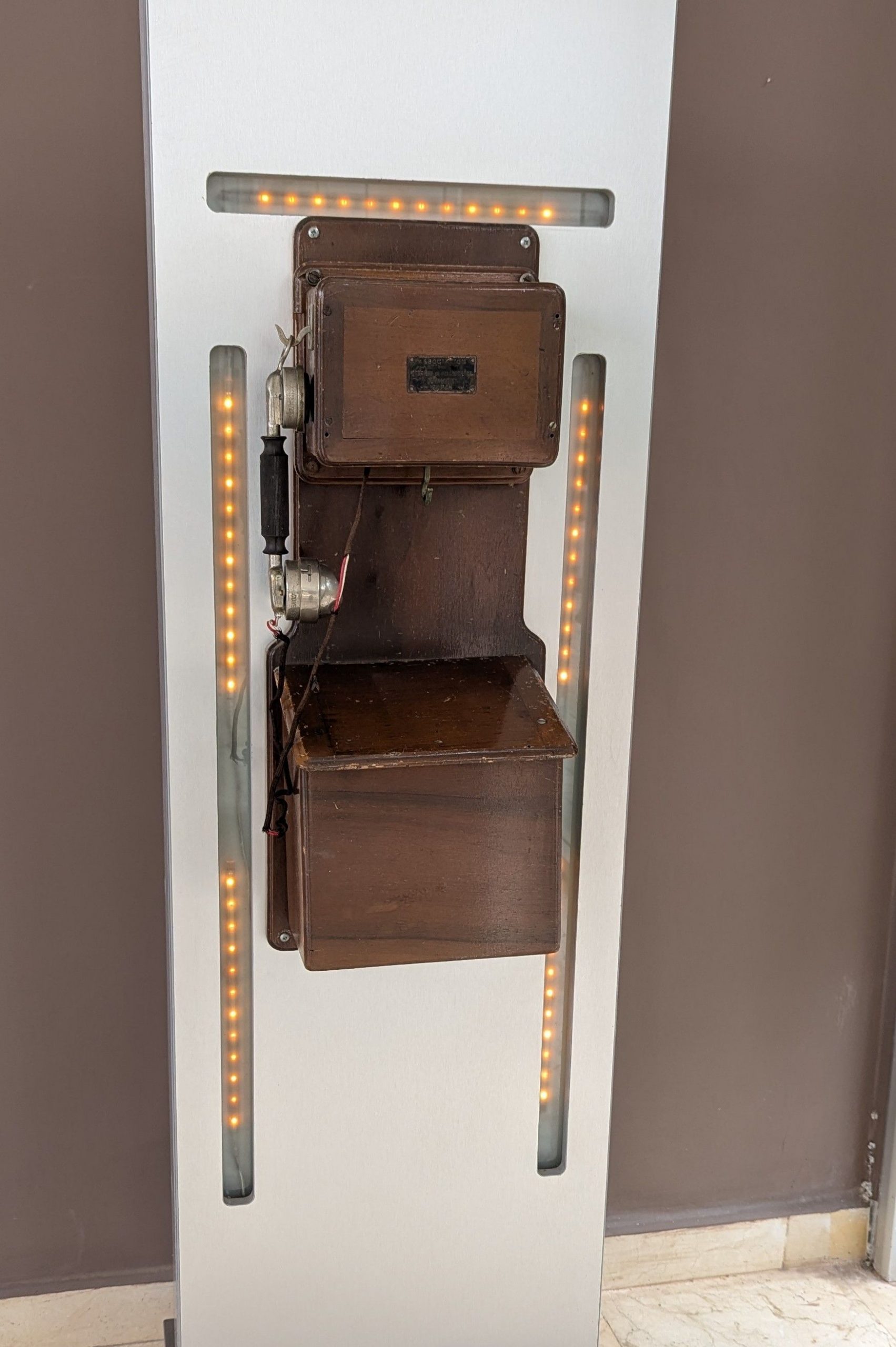
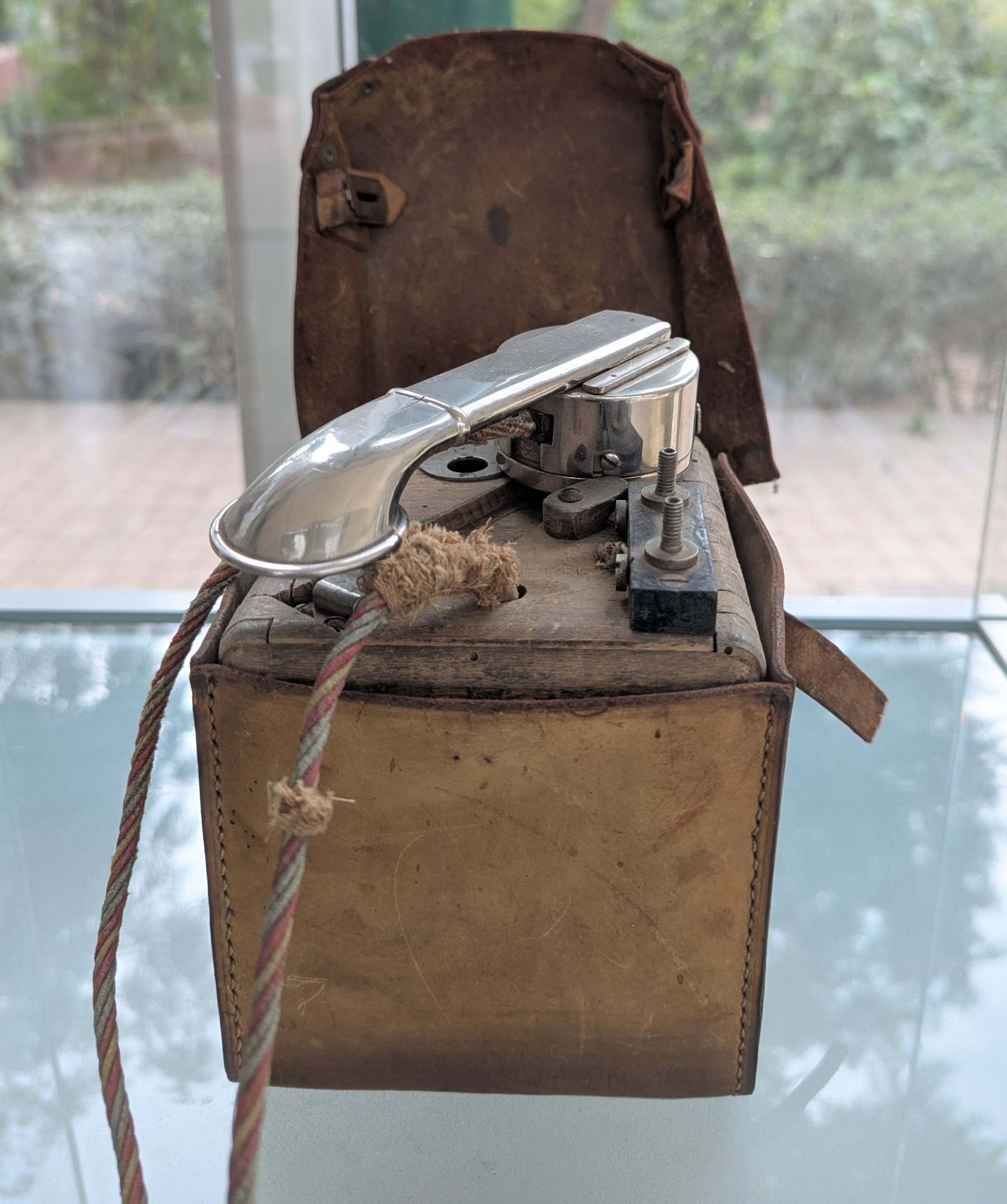
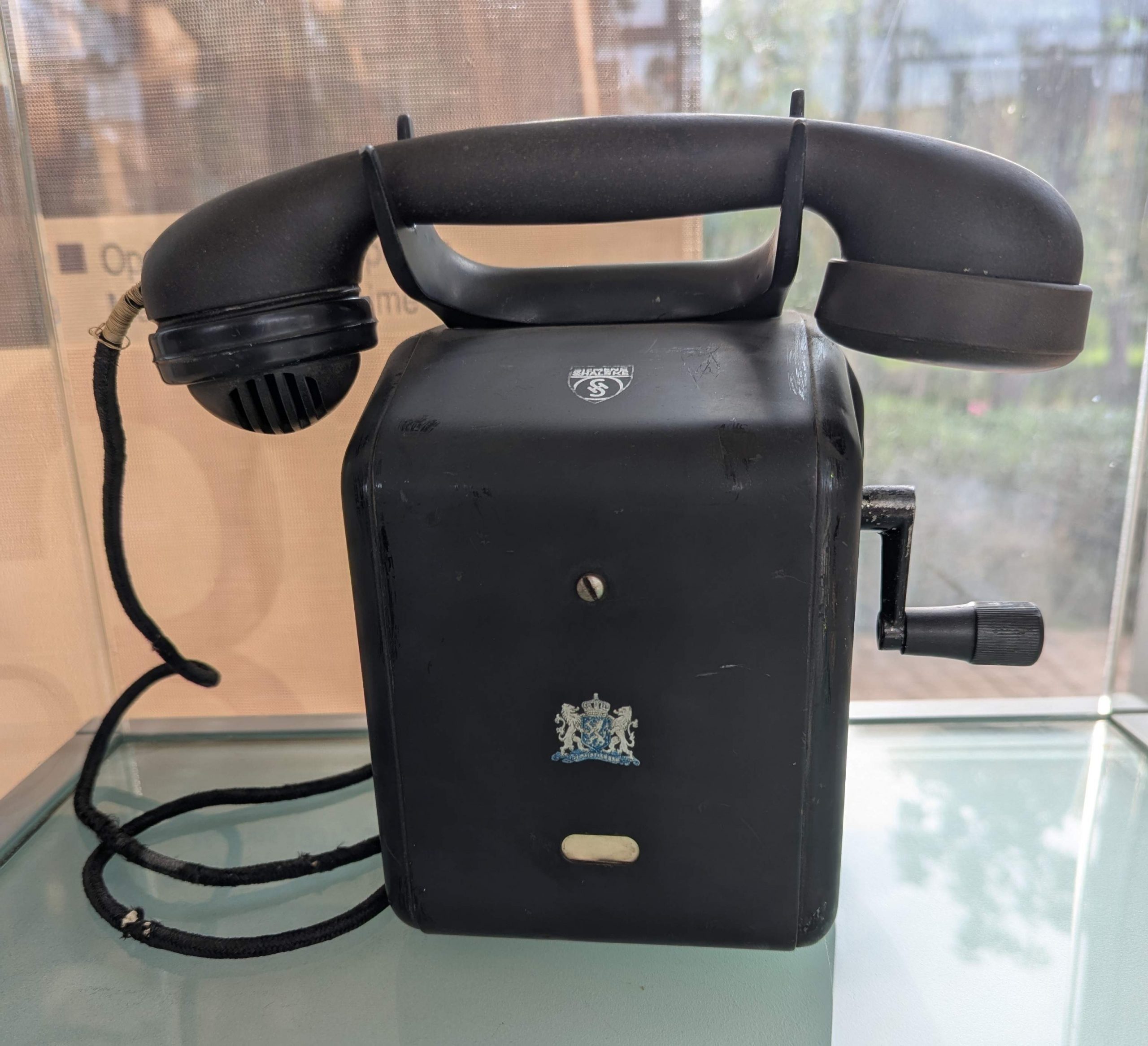
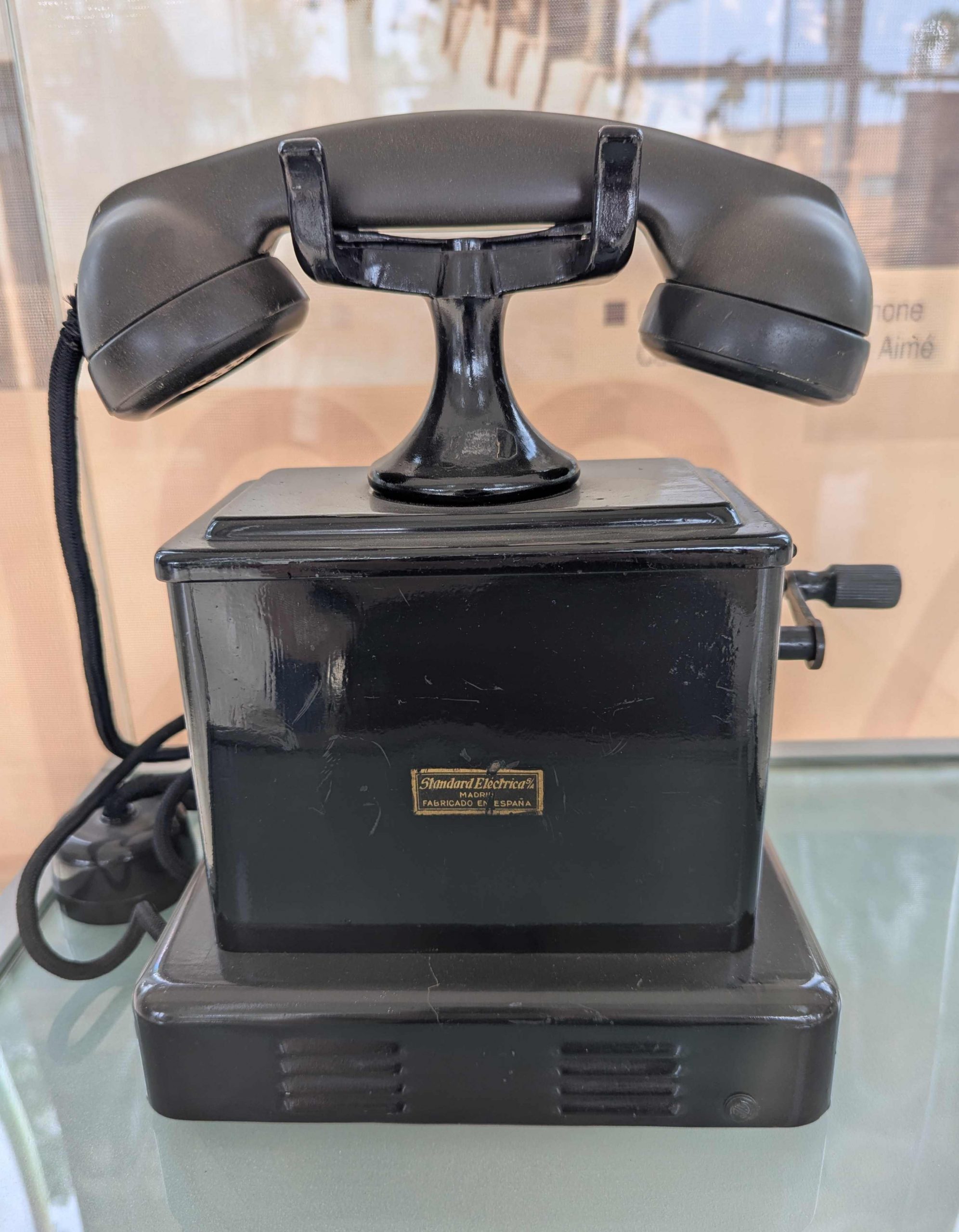
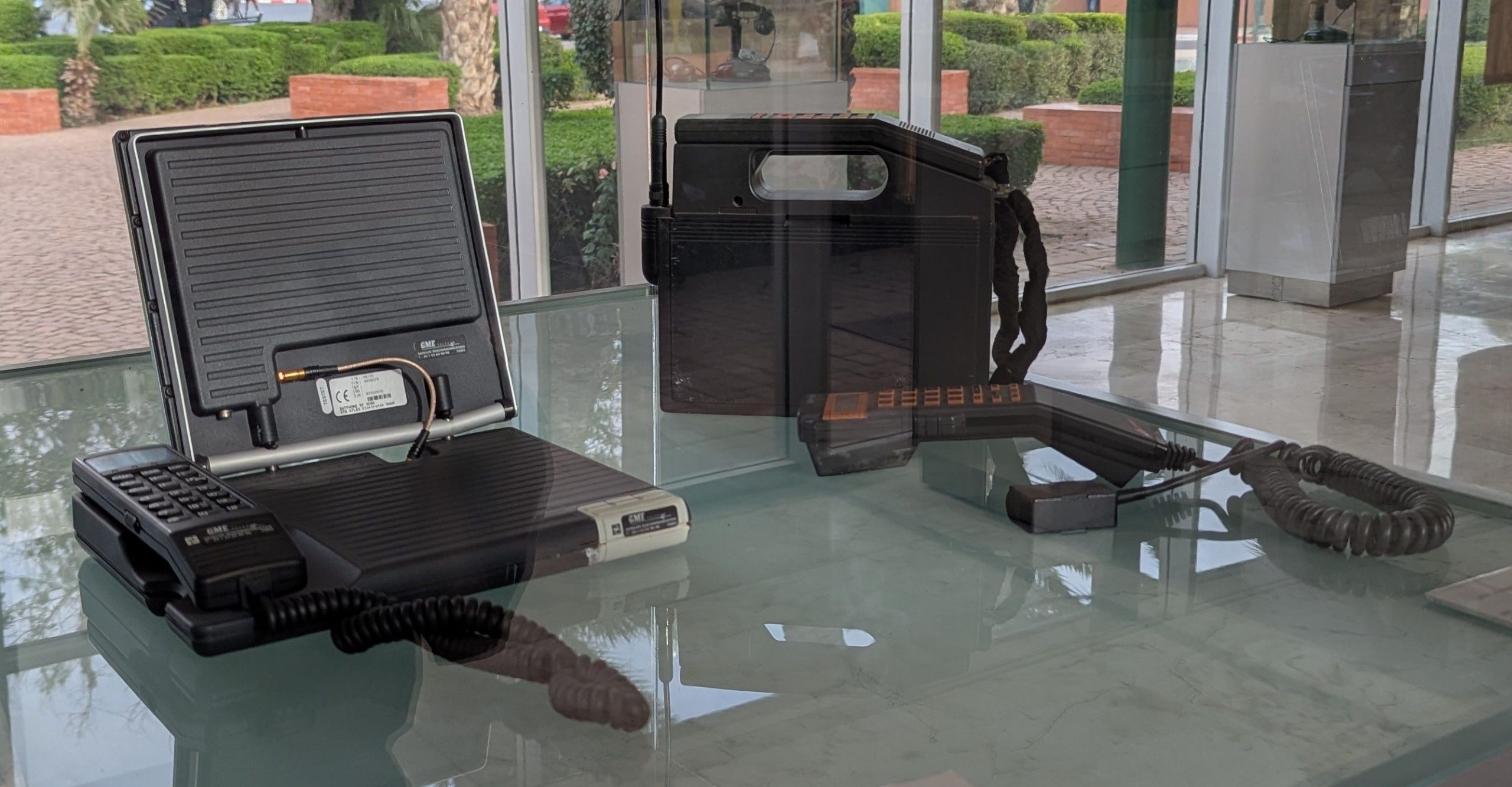
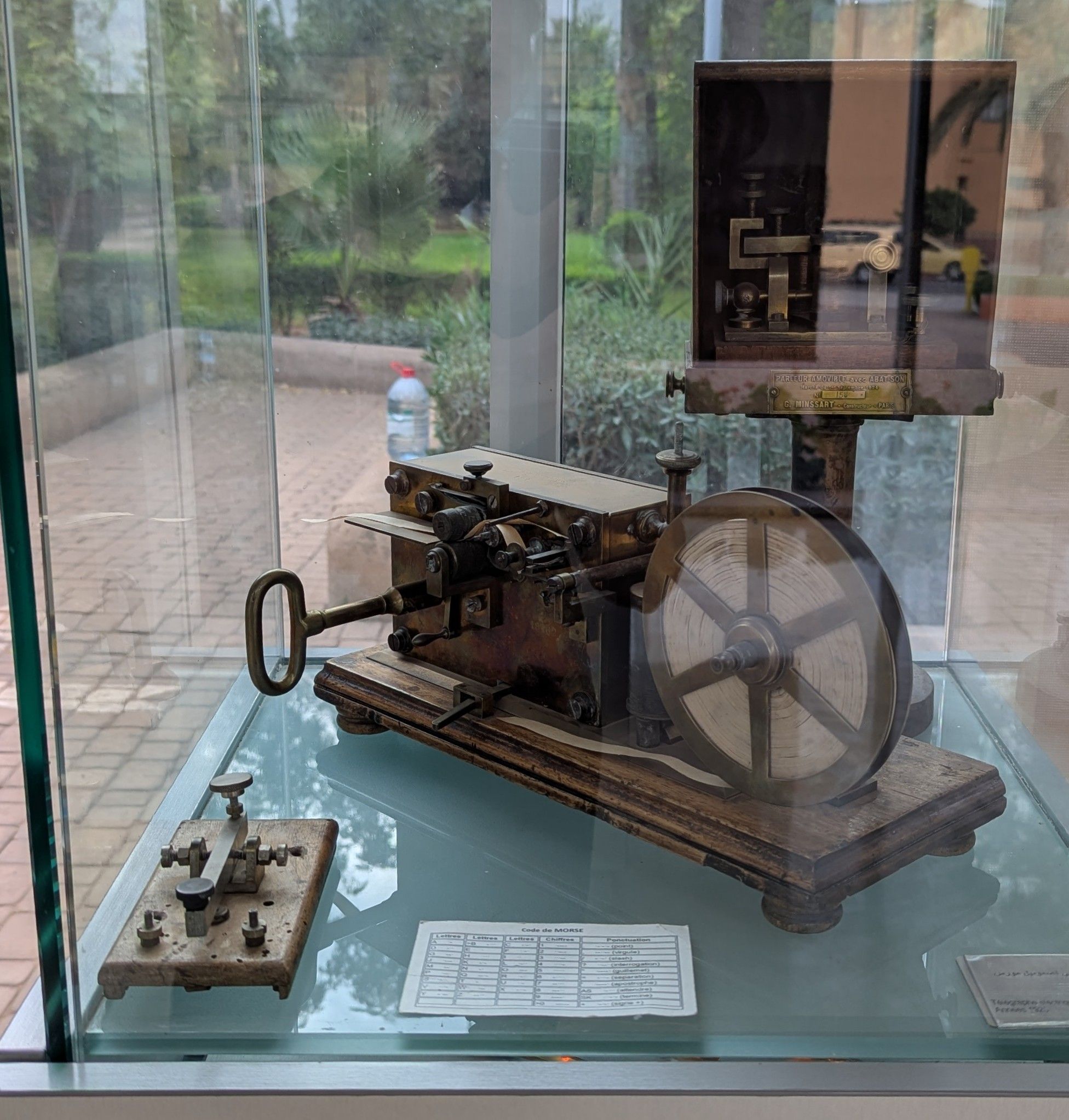
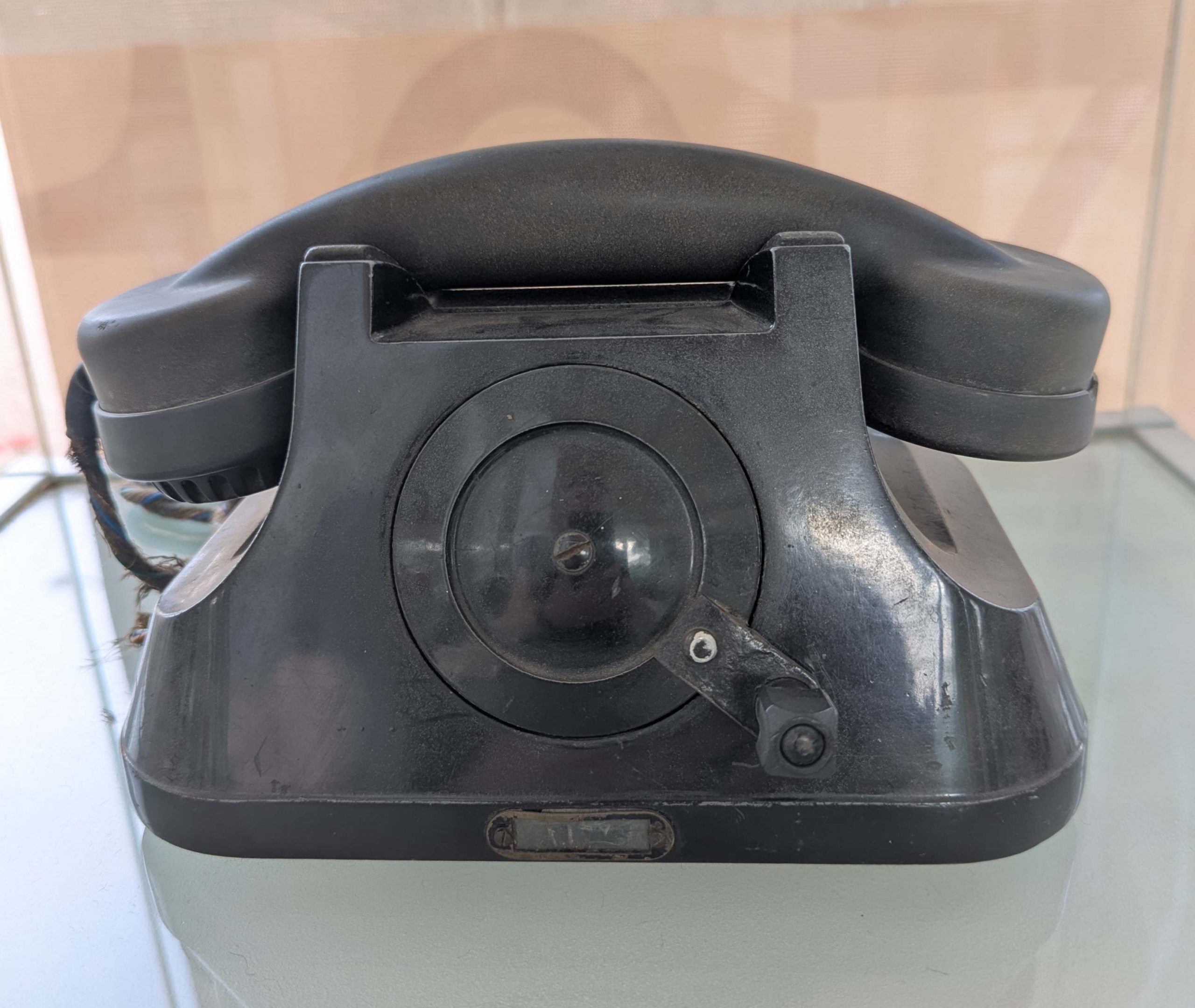
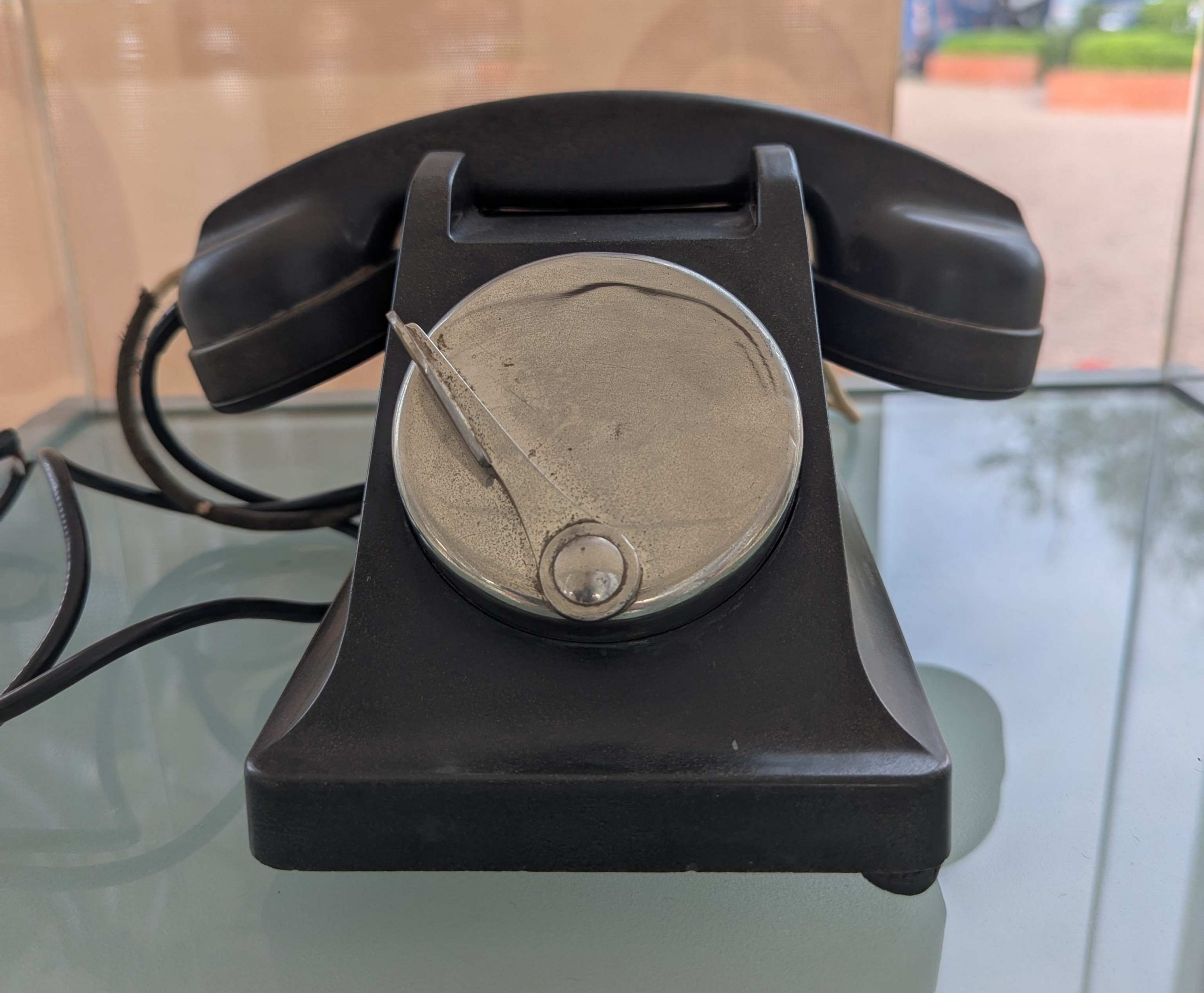
Marrakesh Telecoms Museum

On our recent trip to Marrakesh we came across this small museum in the Medina. It’s near a nice park and worth a visit.

Apopogises for the glare in the photos – there was a lot of glass about.

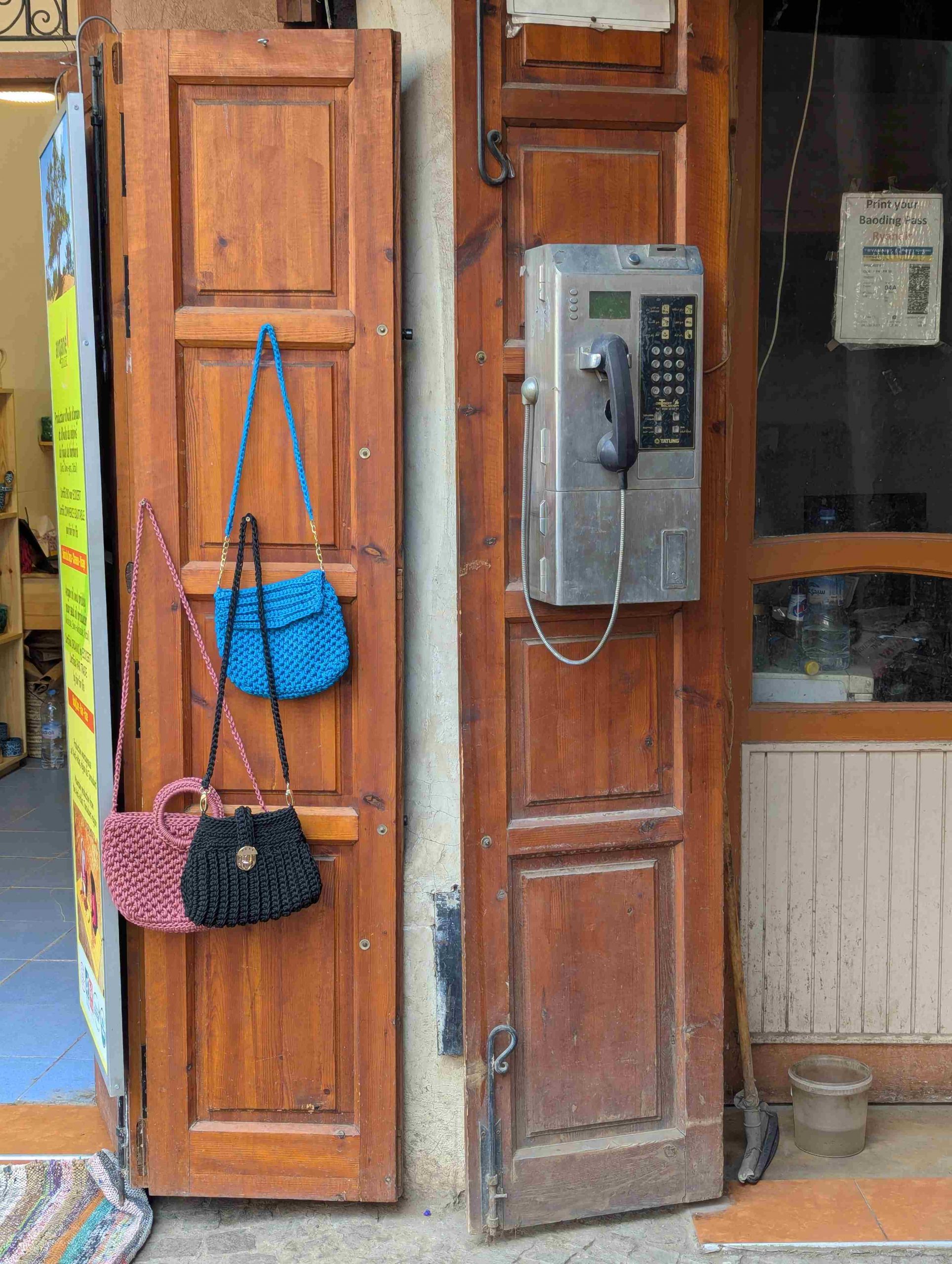
Not in the museum but in the Medina…

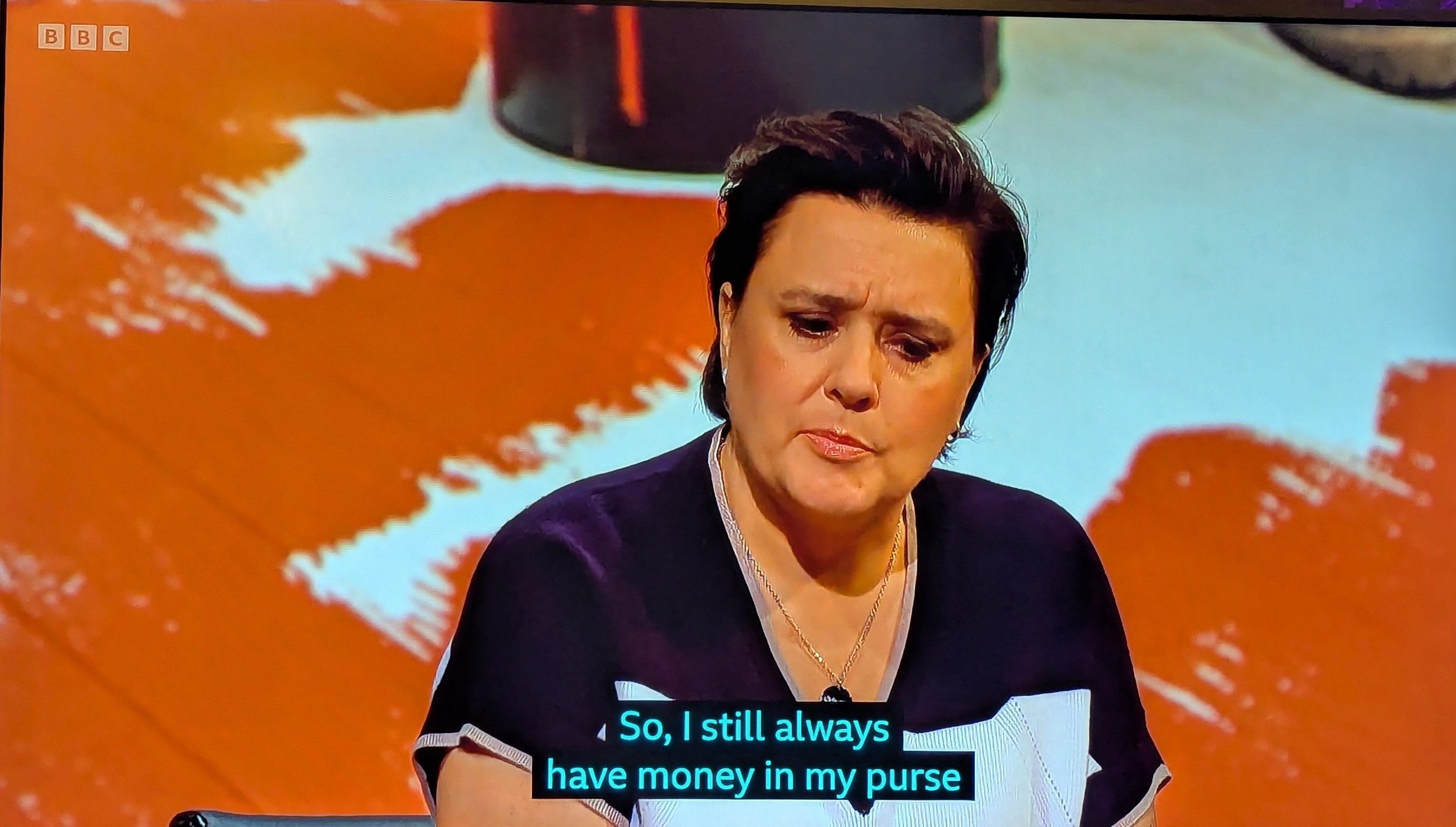
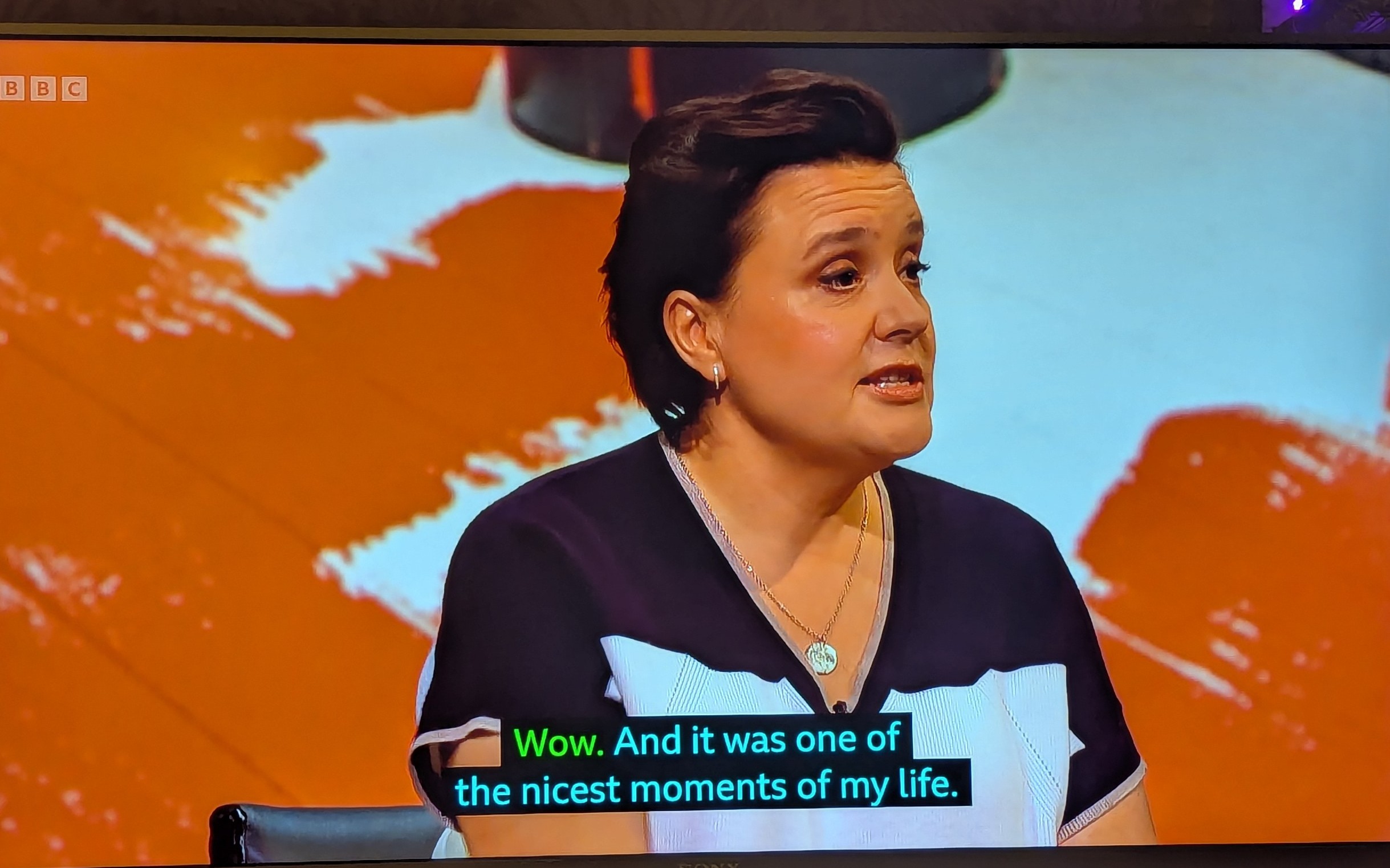
Phoneboxes bring people together

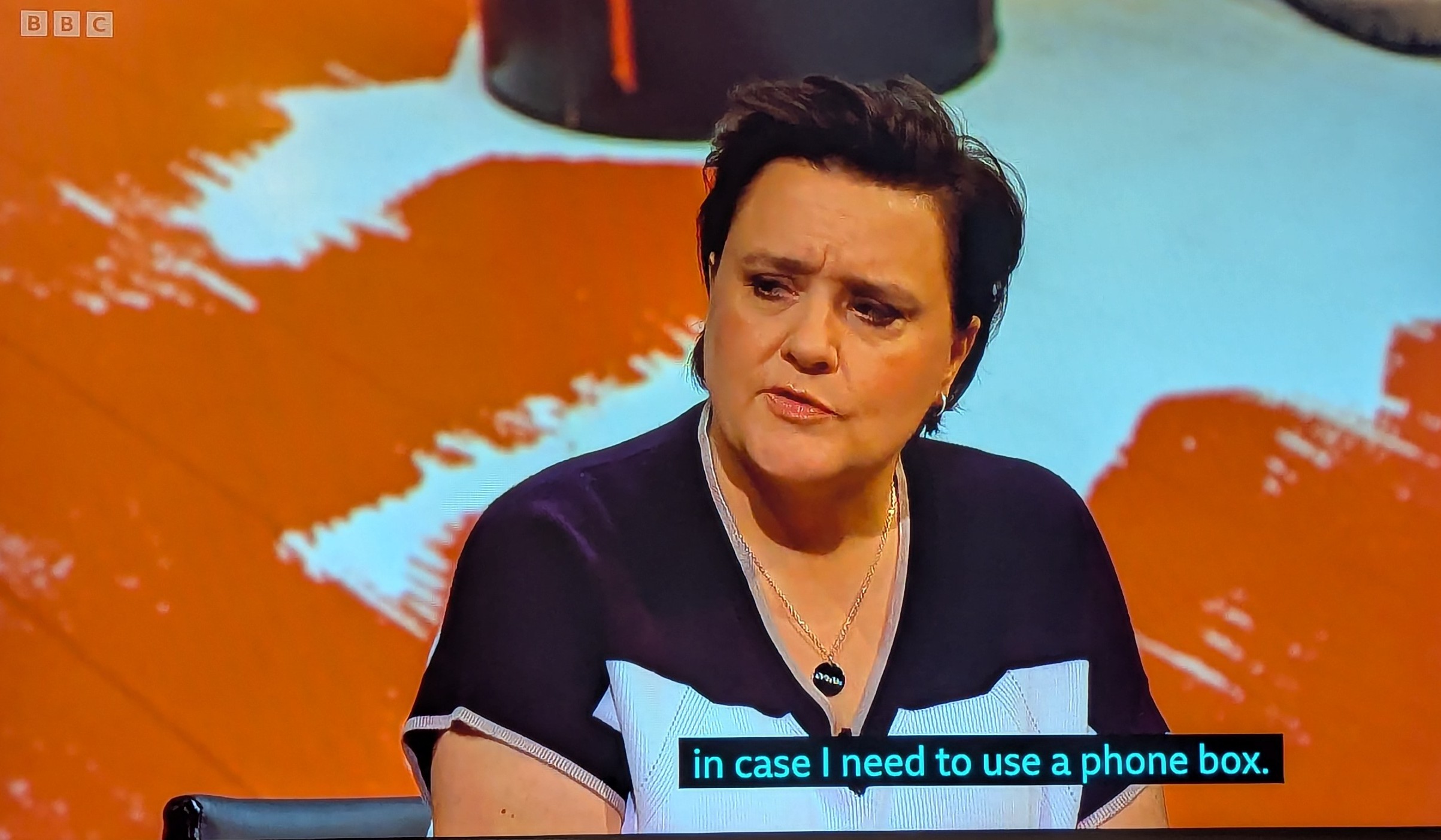
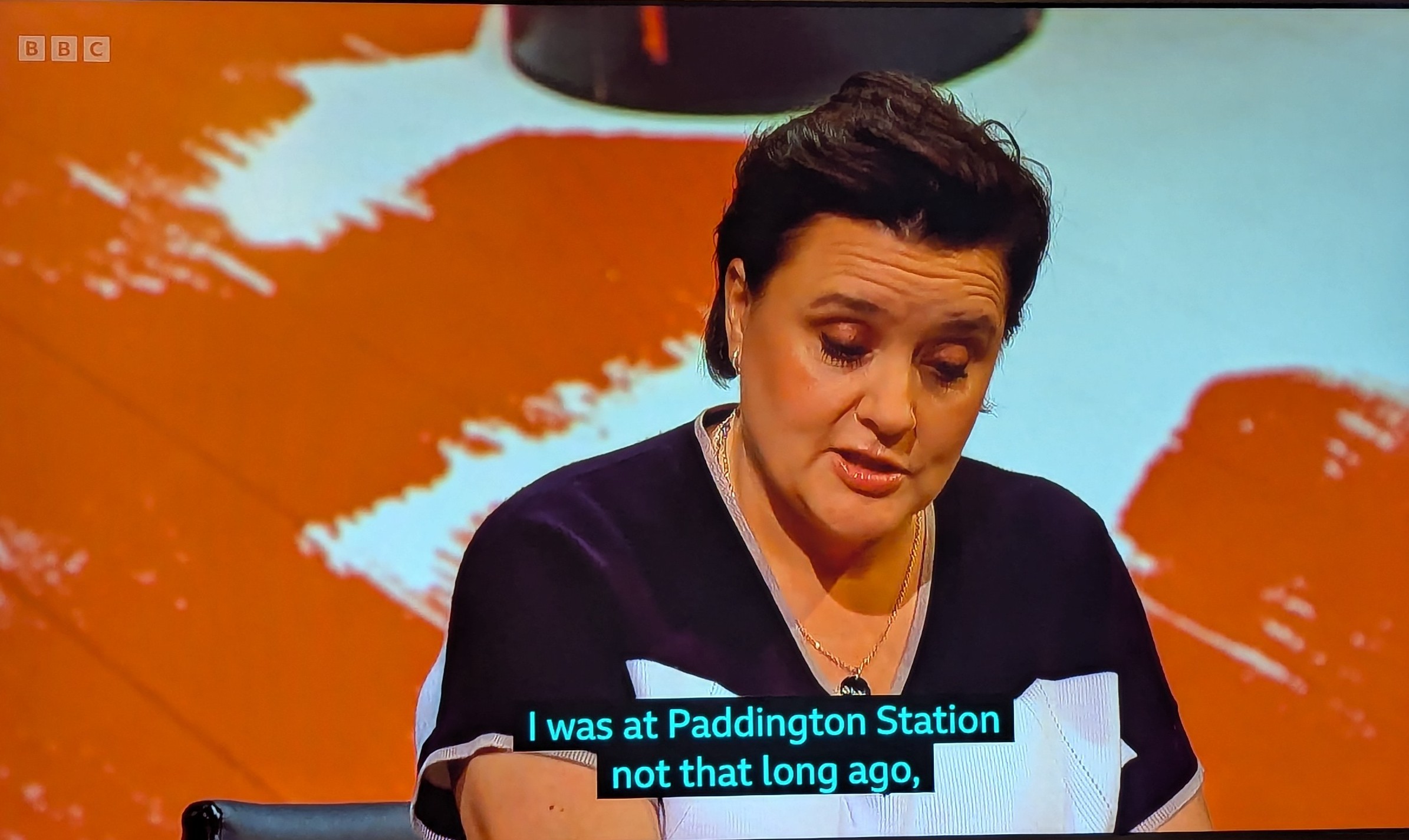
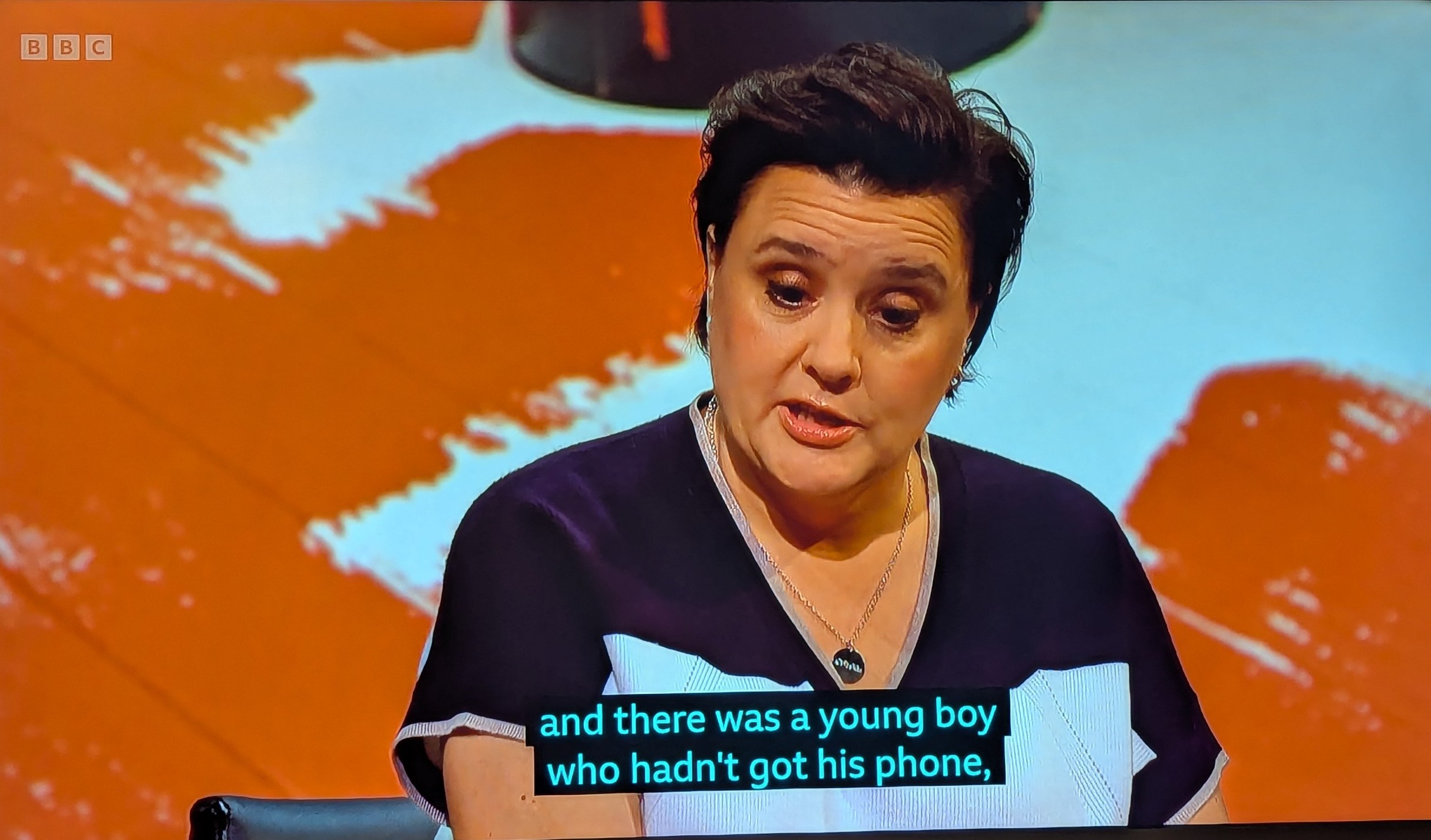
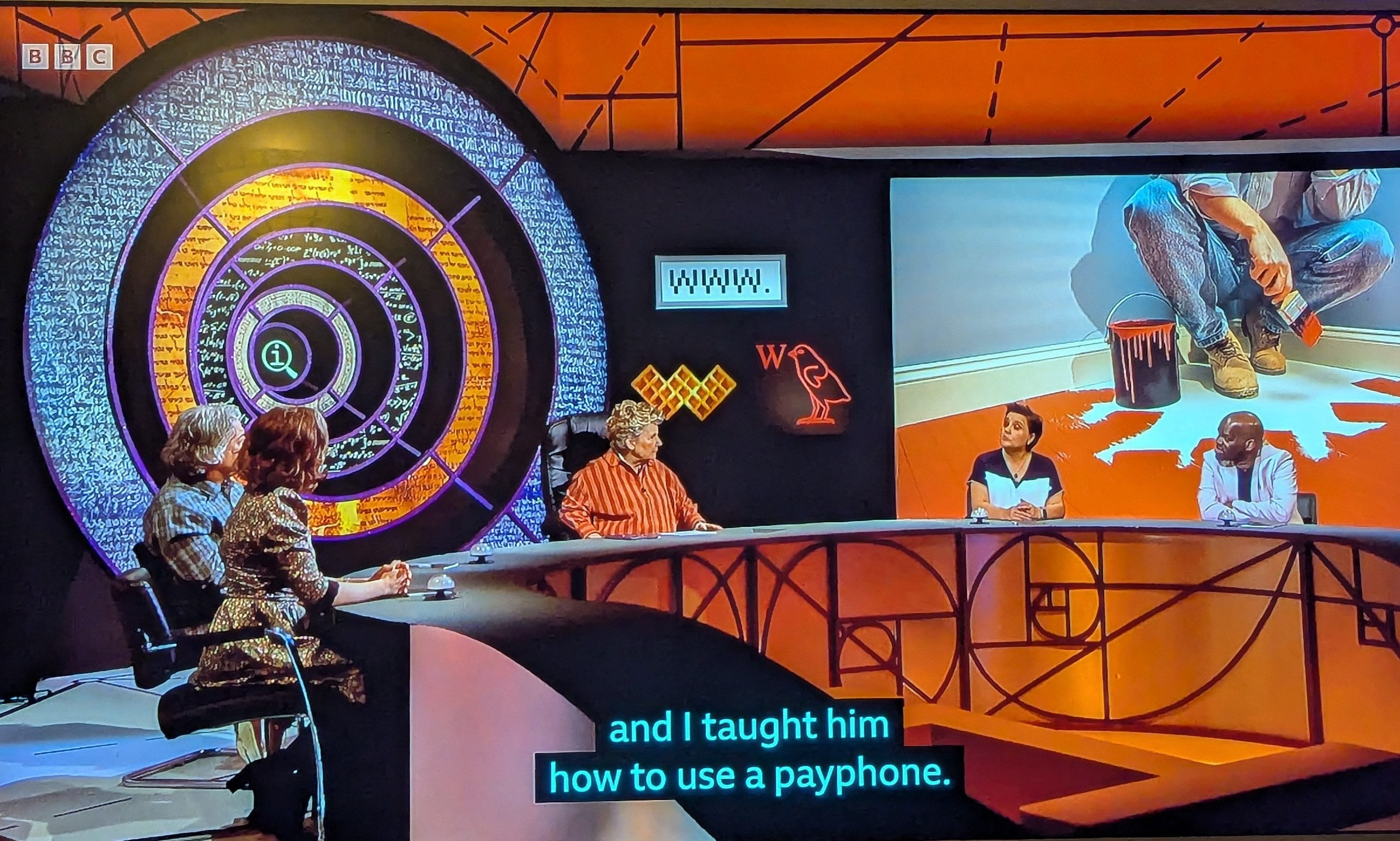
Here is an excellent little story, in the form of screenshots, from Susan Calman, appearing recently on QI.

Recent snippets

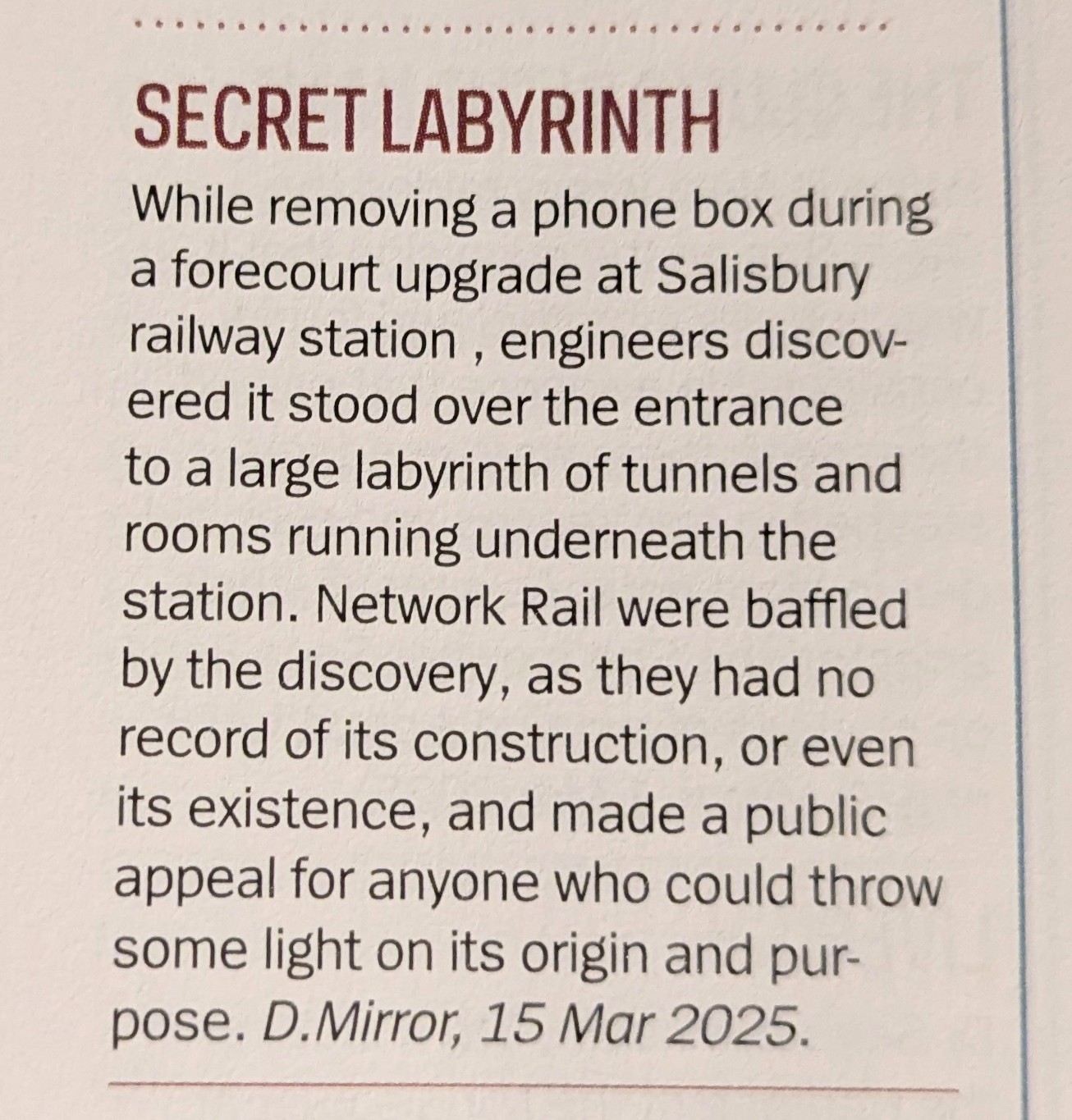
I’ve been squirrelling away phone things (or small space related) and here are the results of the hoard…

Greenhouse phonehouse

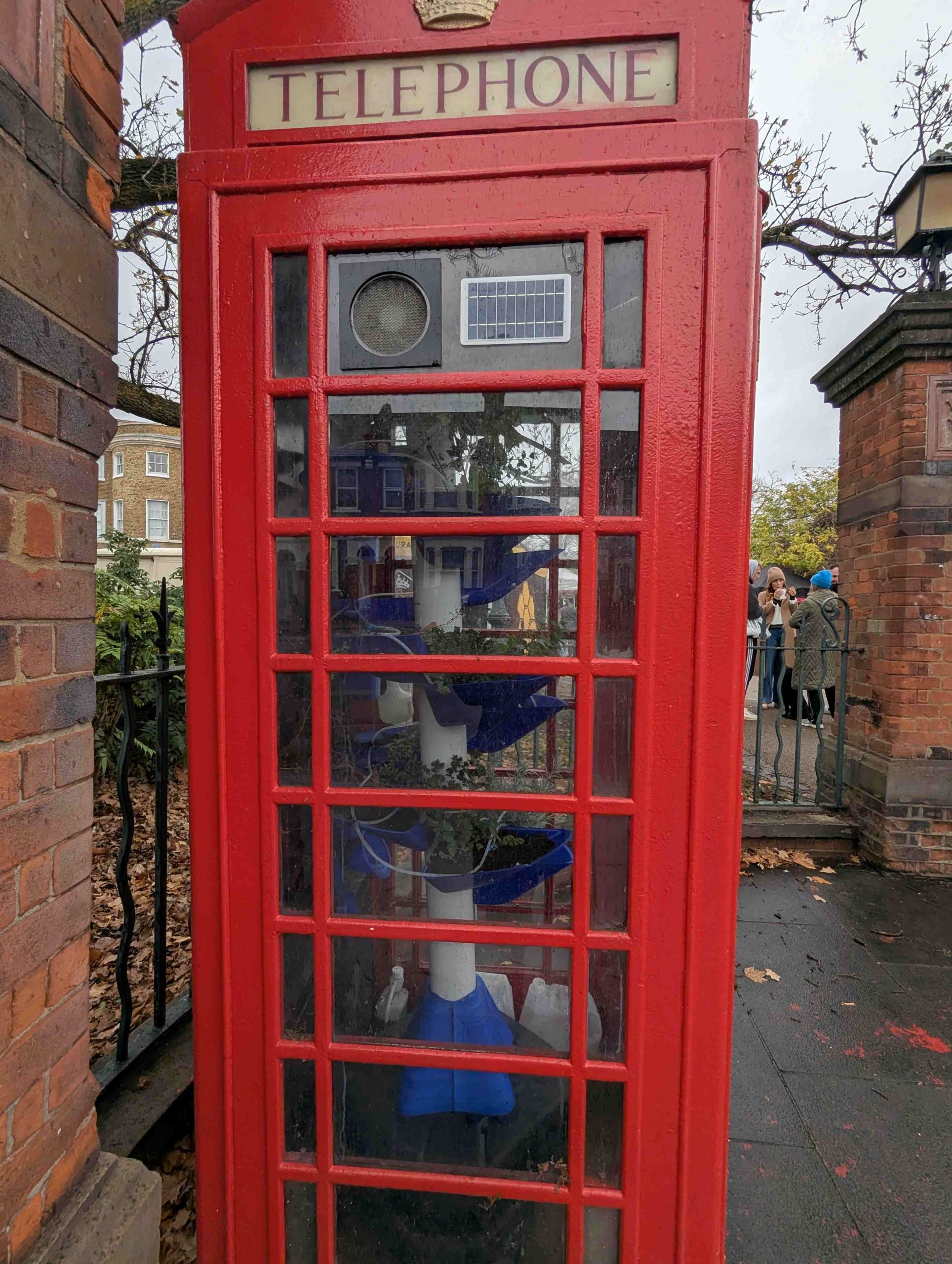
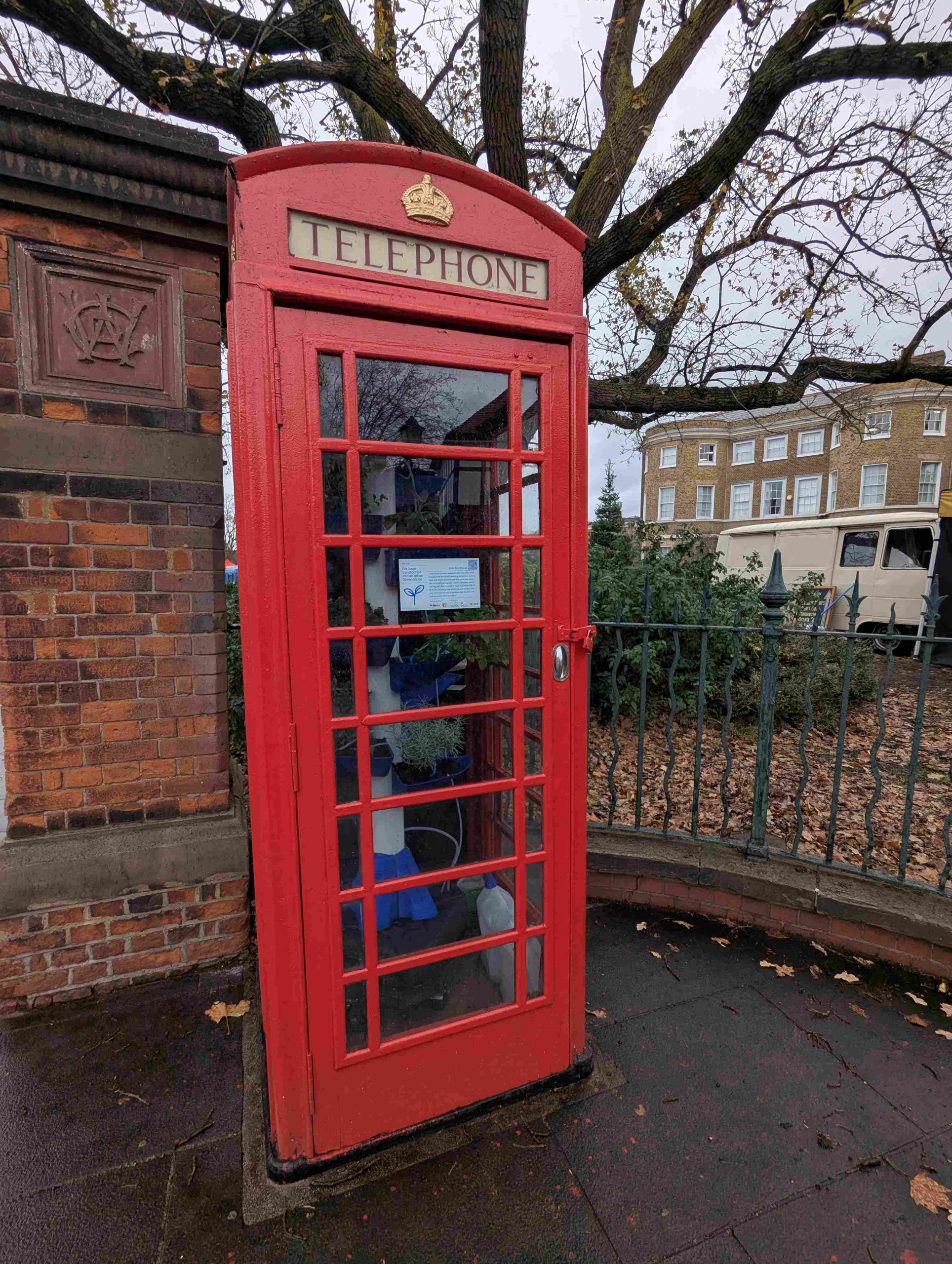
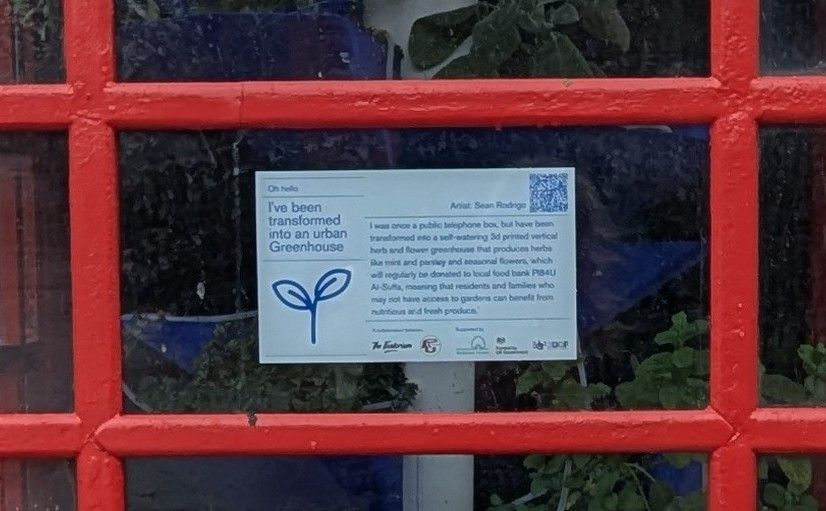
Visited the William Morris Gallery in Walthamstow, London, yesterday. They’ve done a very cool thing with the phonebox at the front of the property – turned it into a greenhouse.

Yorkshire Dales

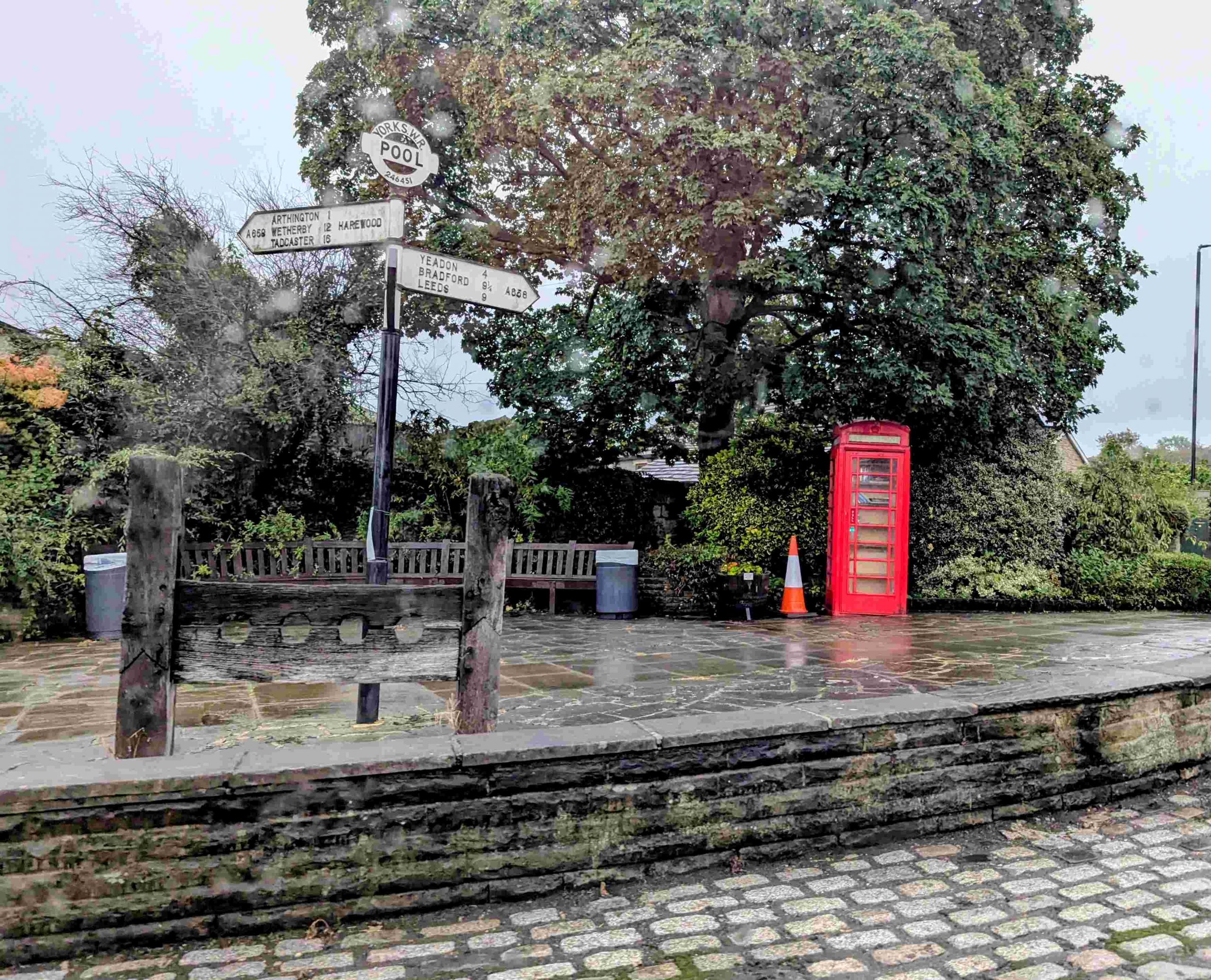
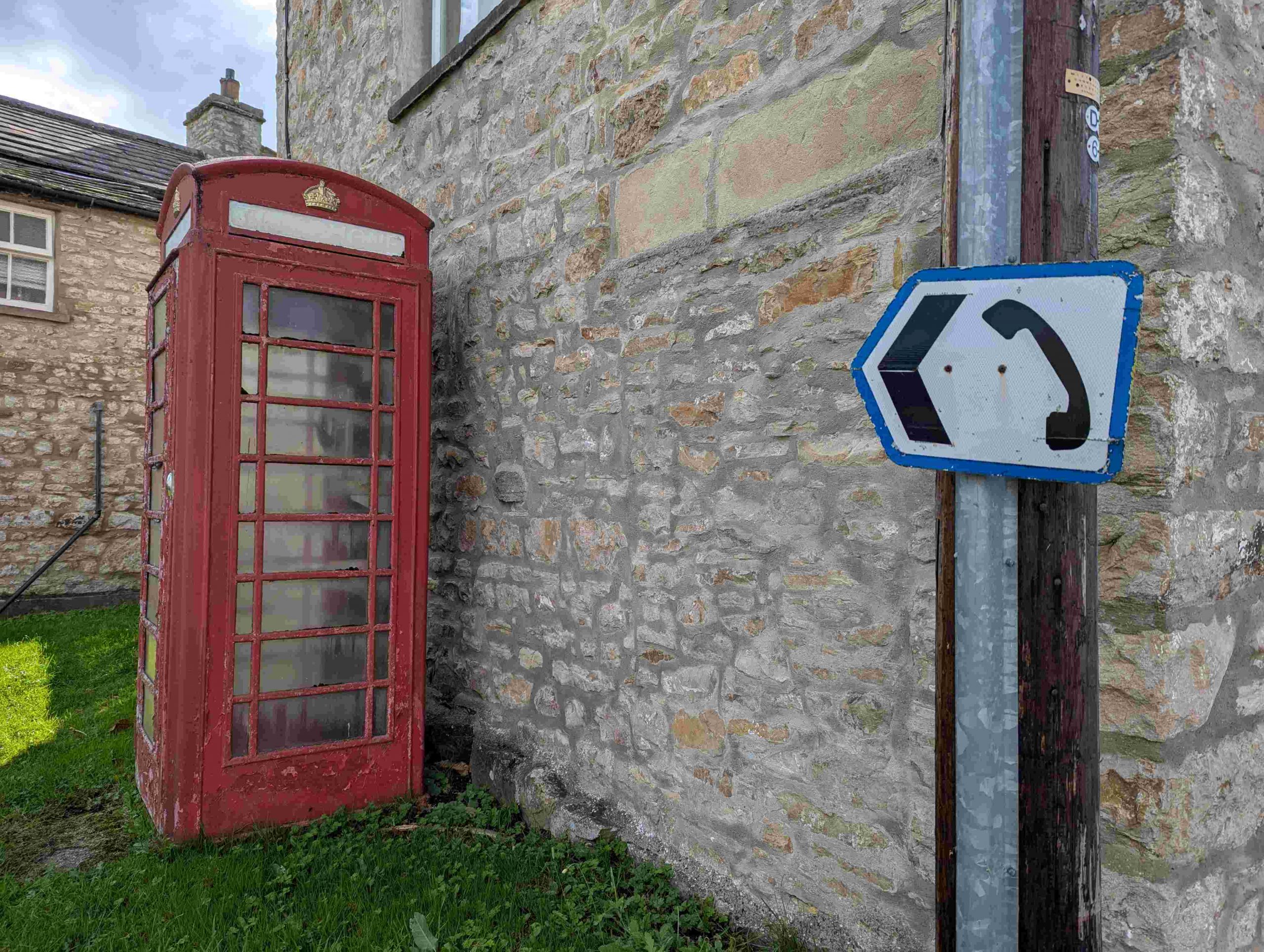
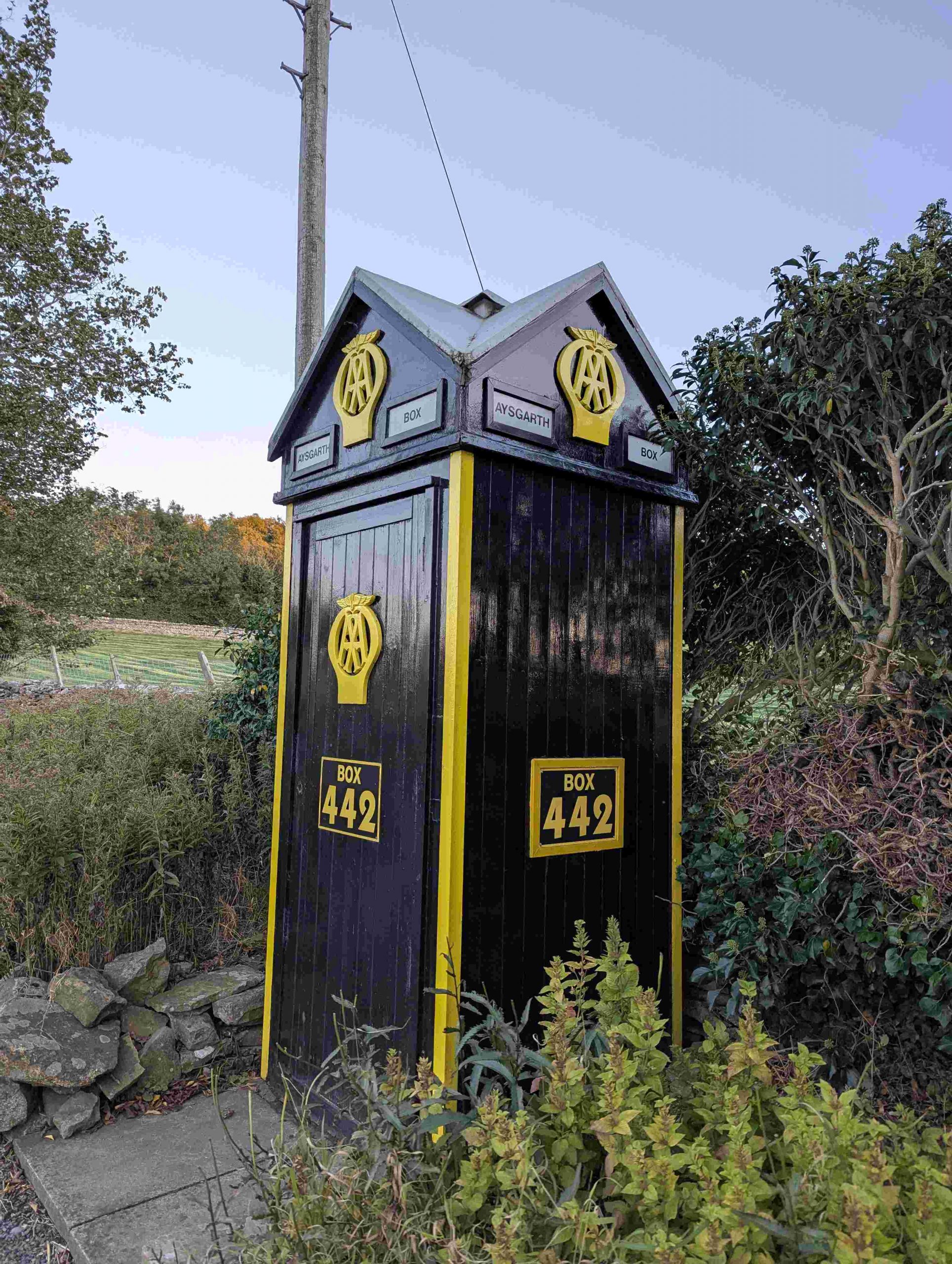
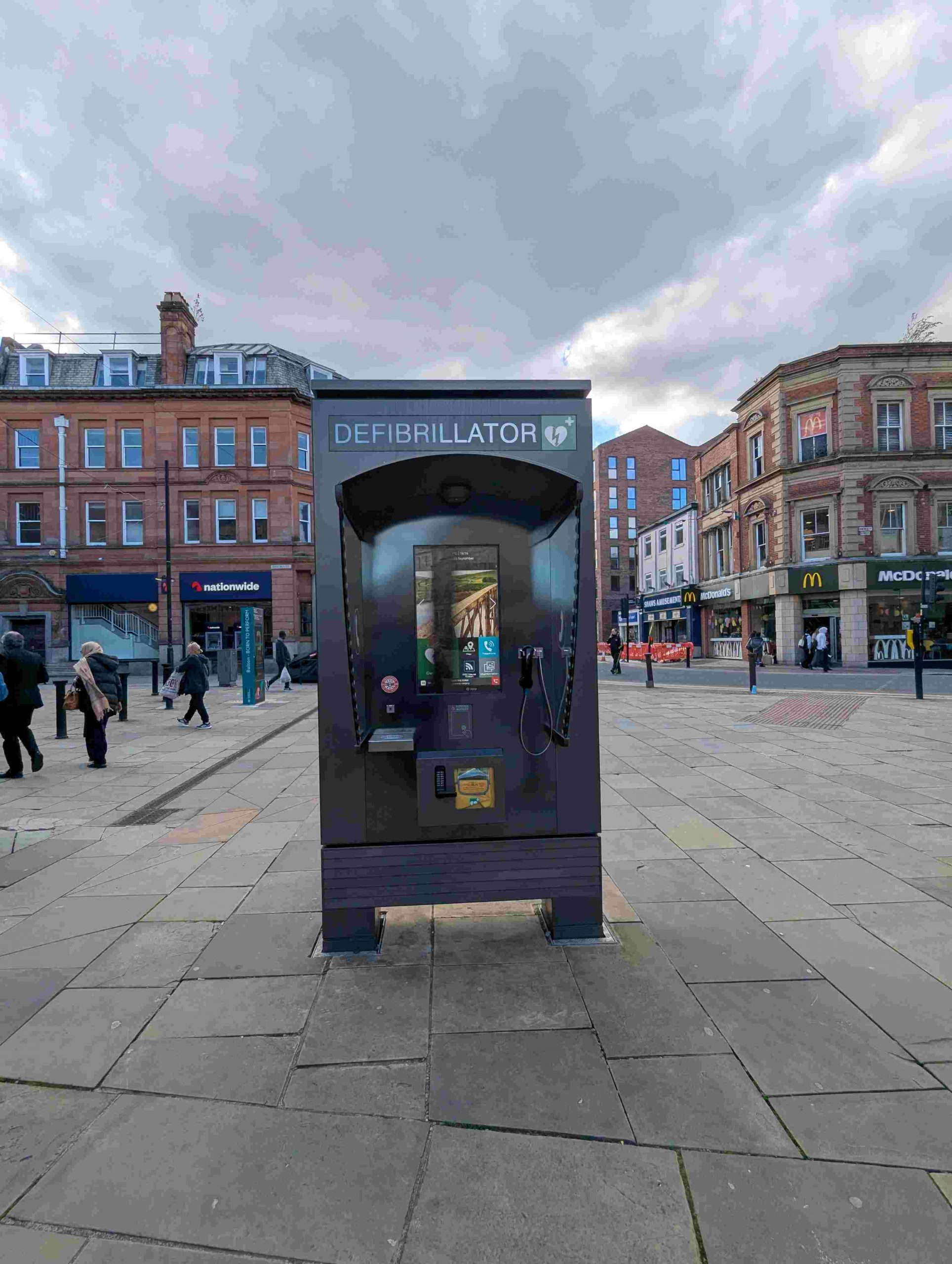
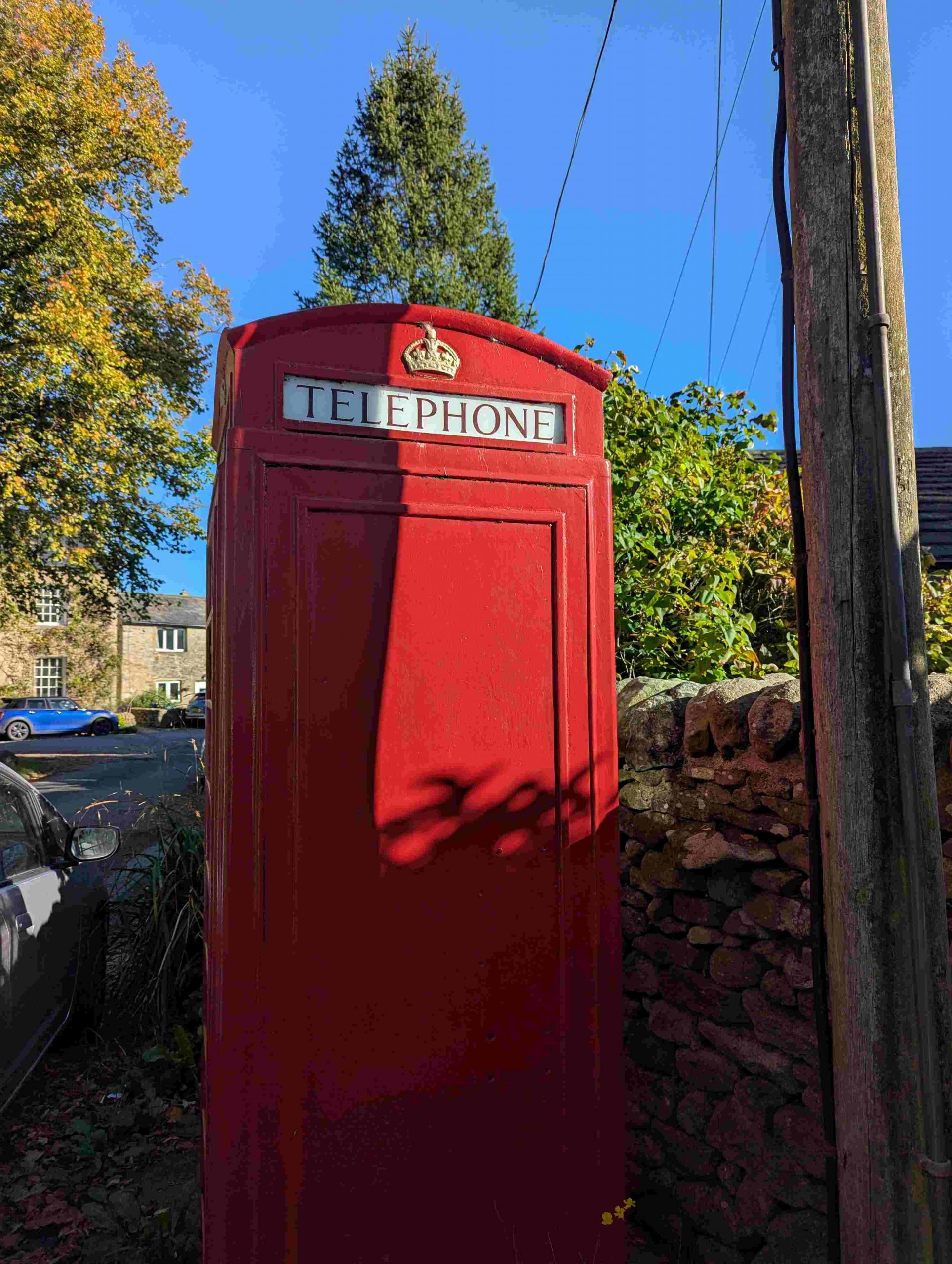
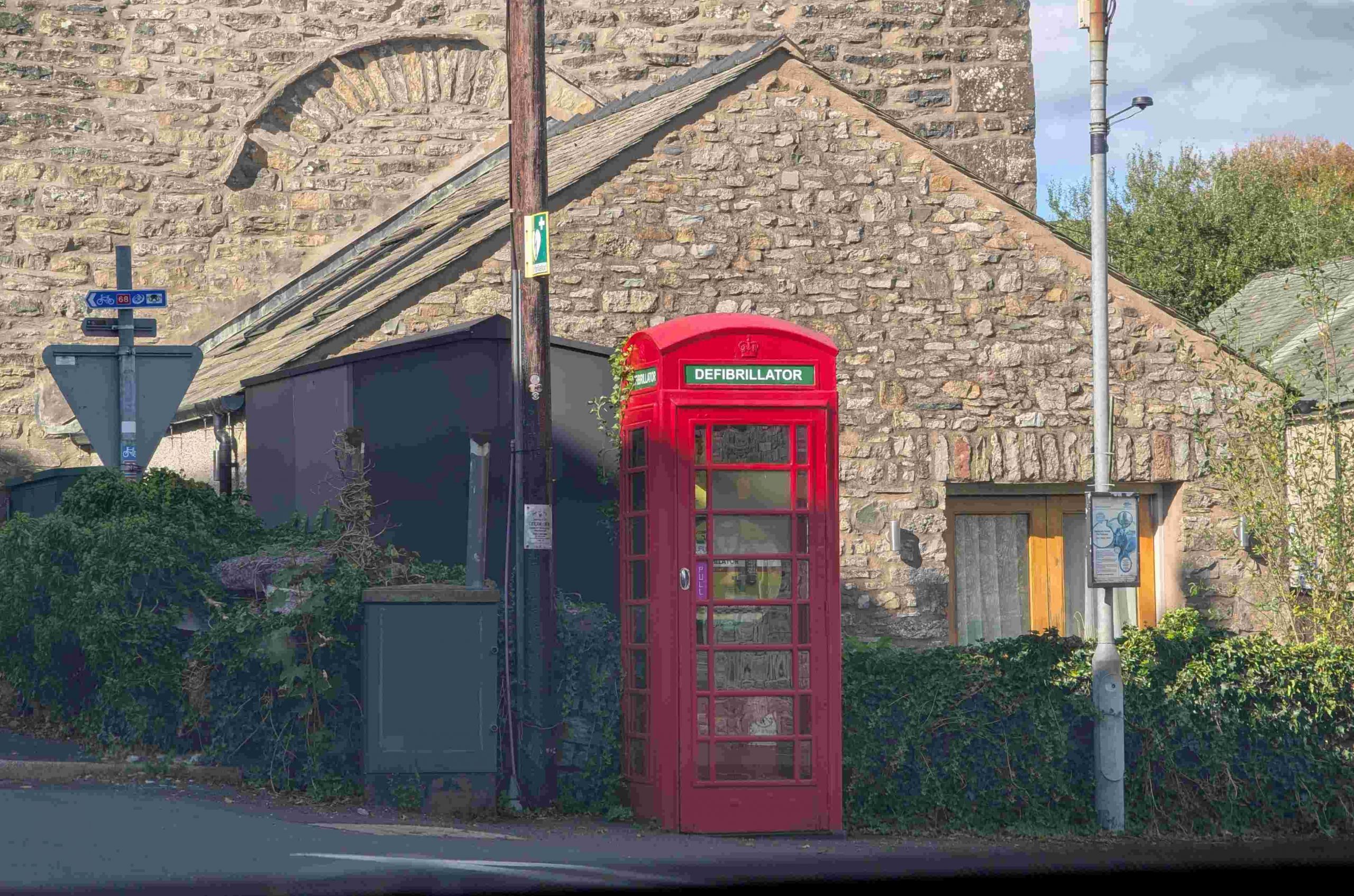
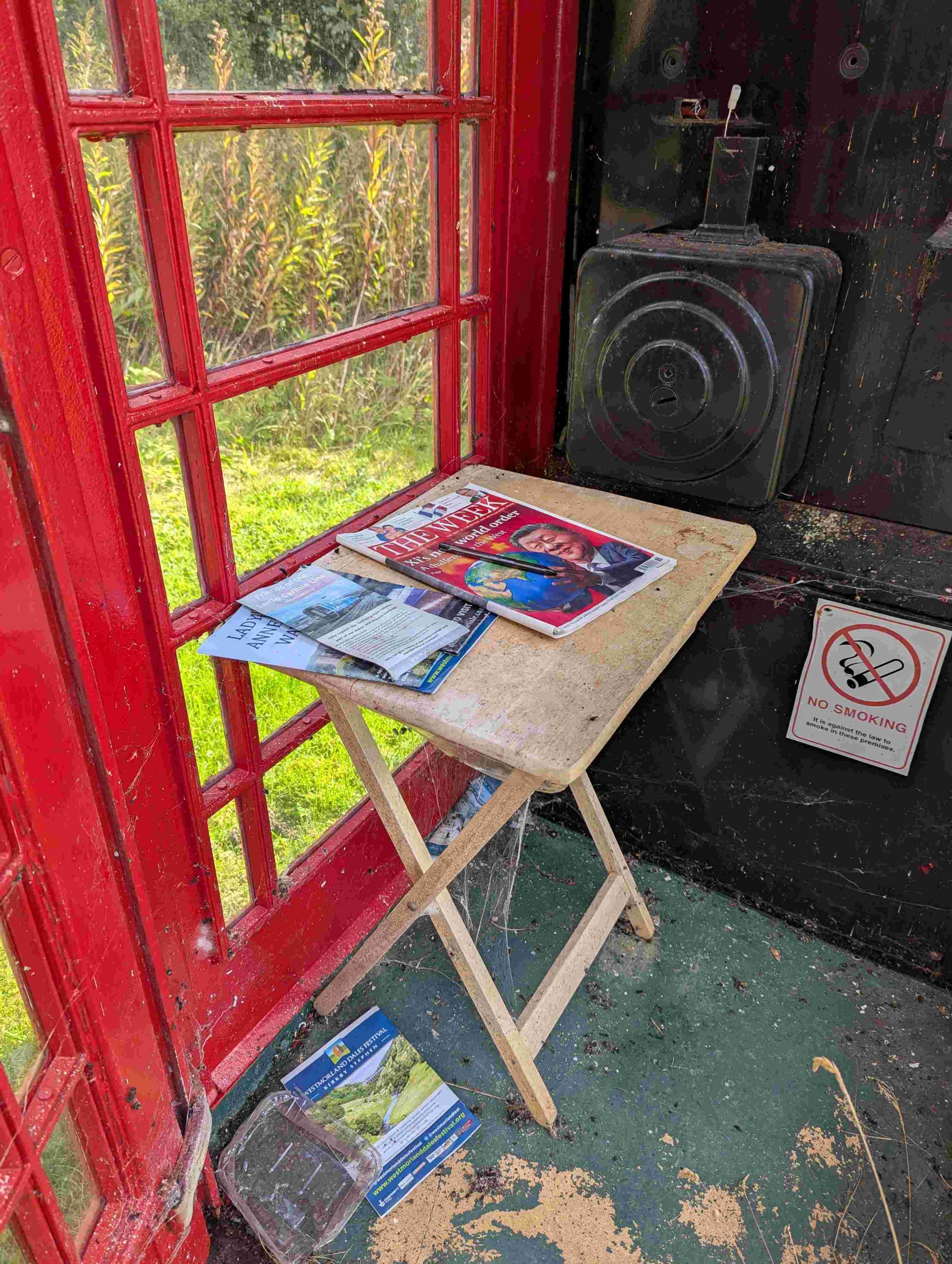
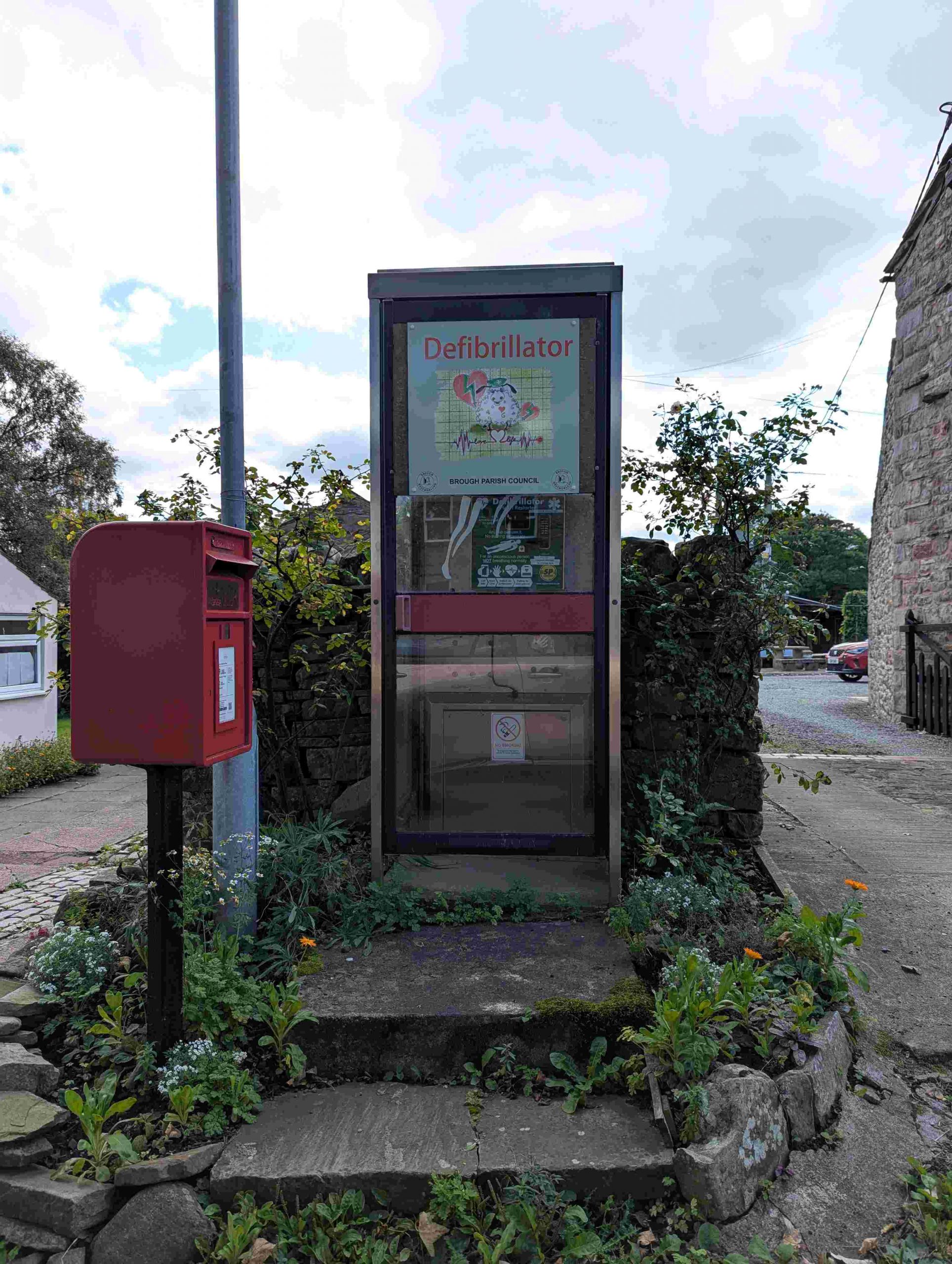
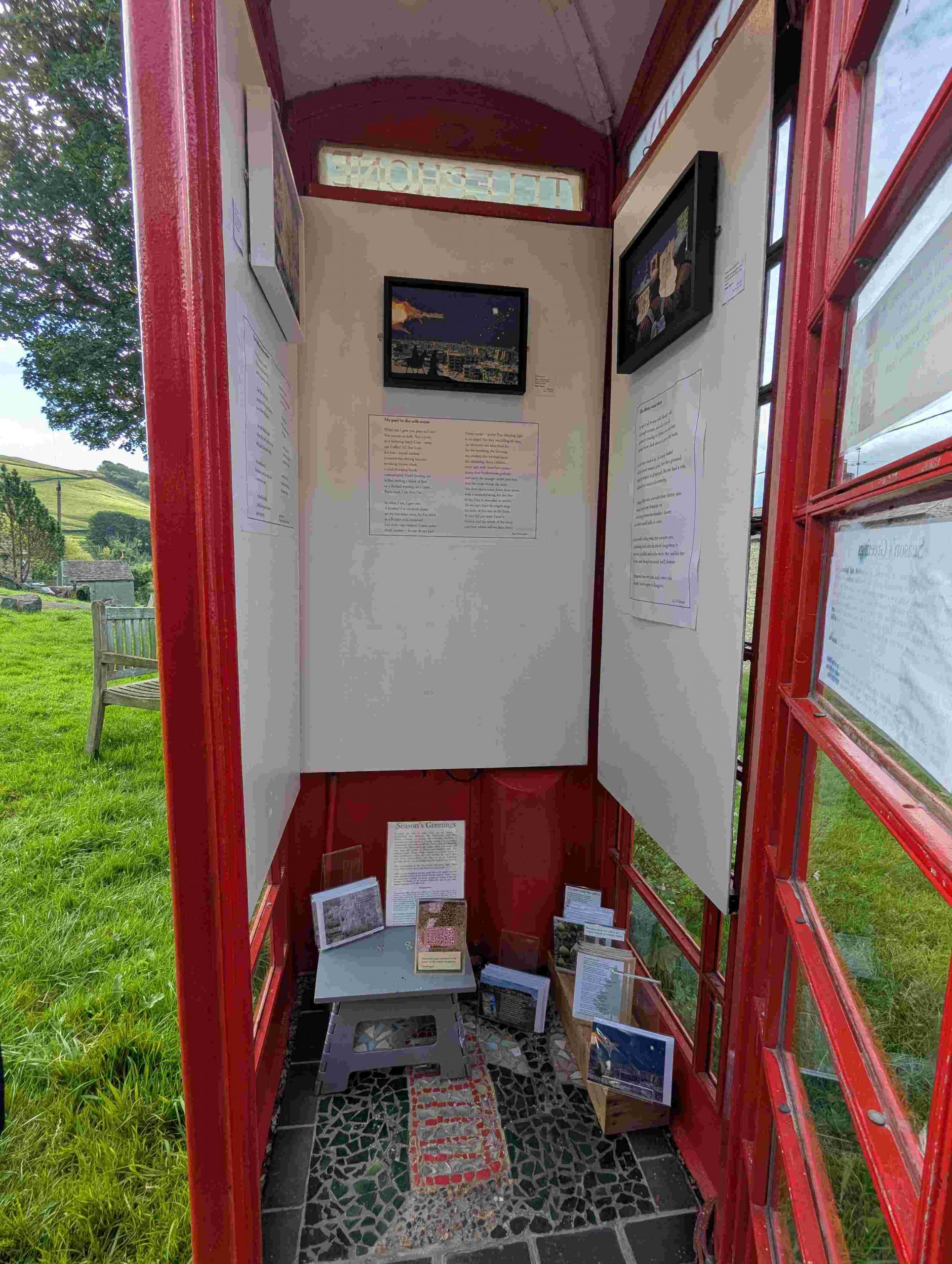
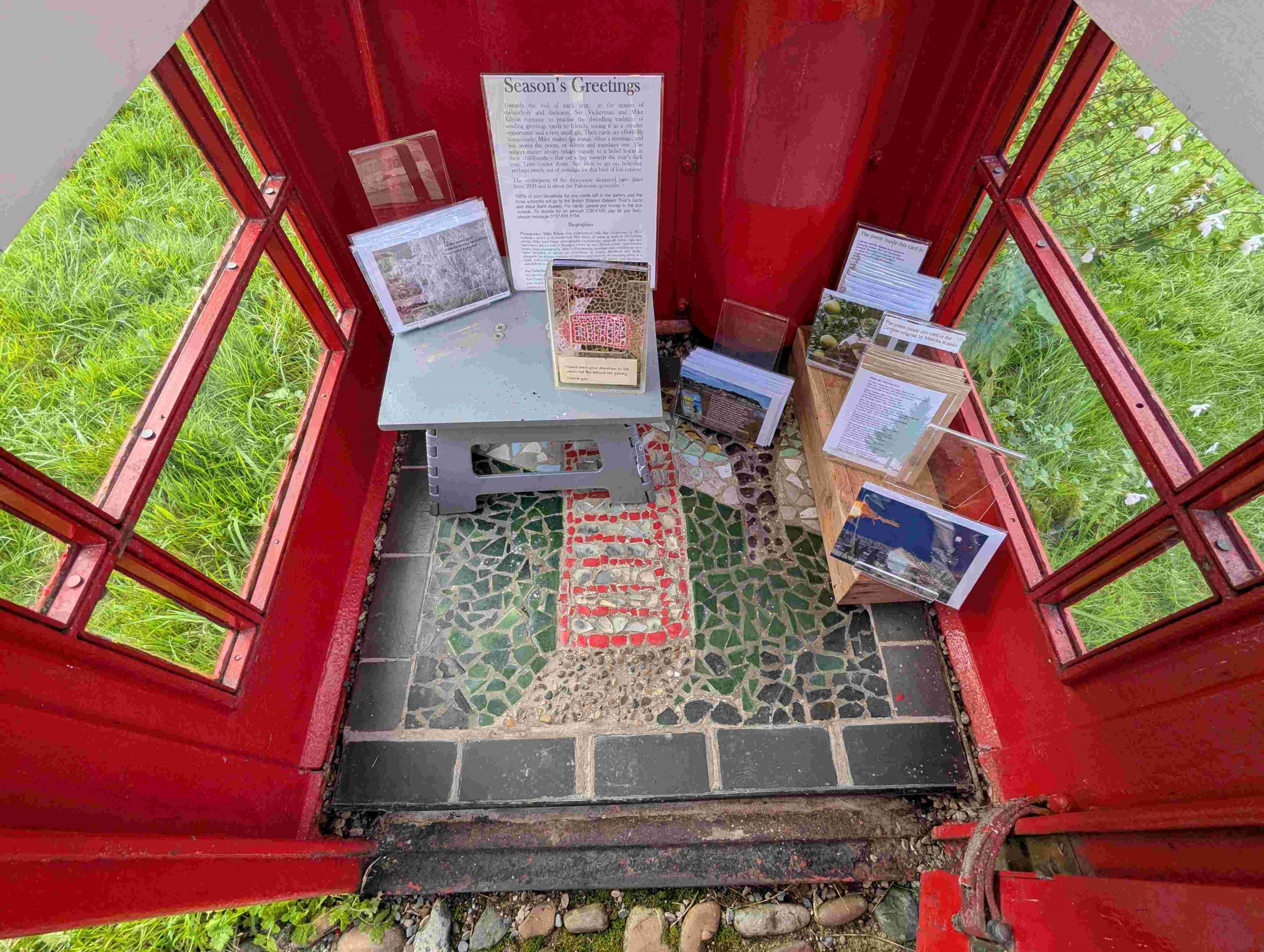
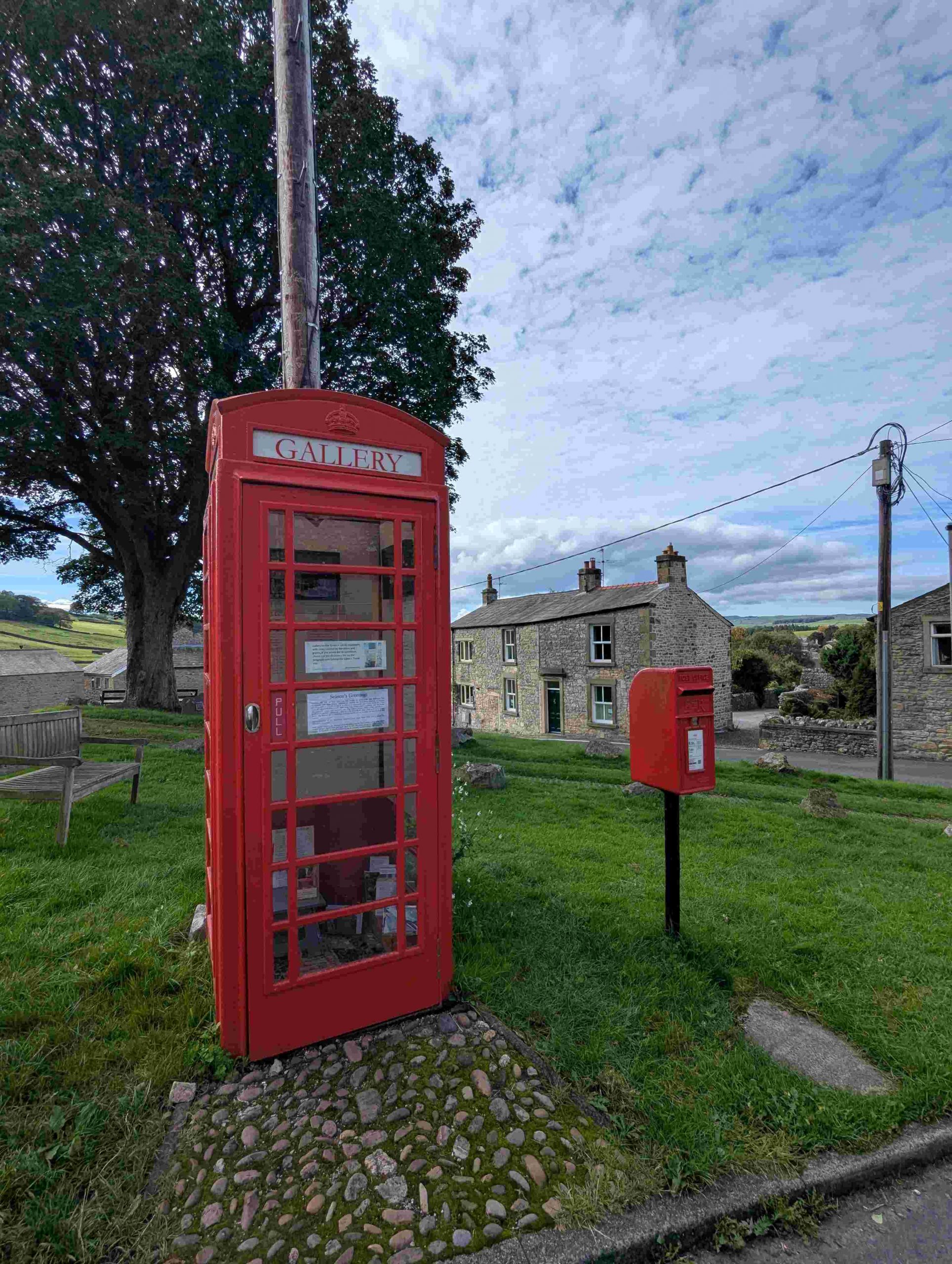
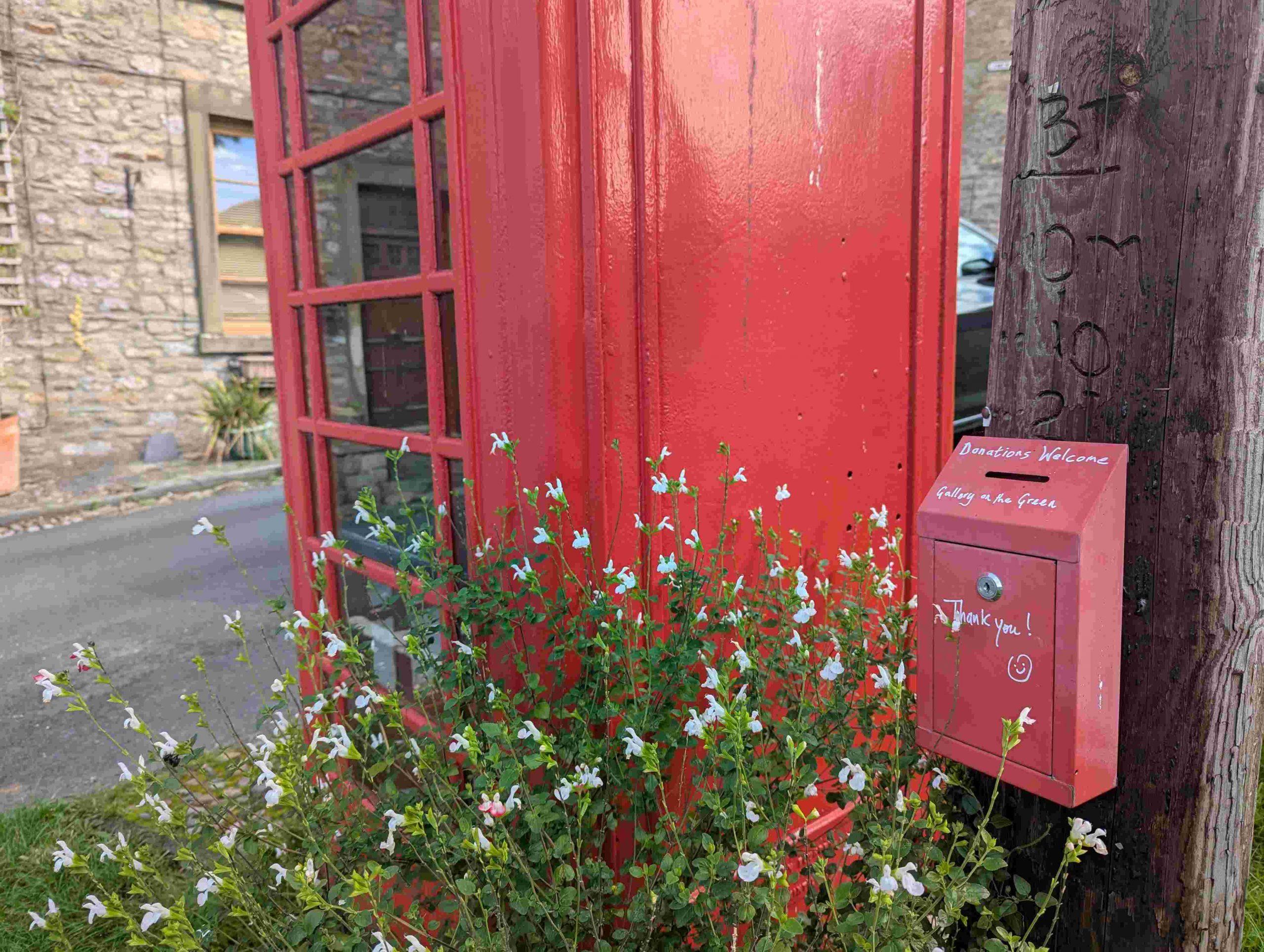
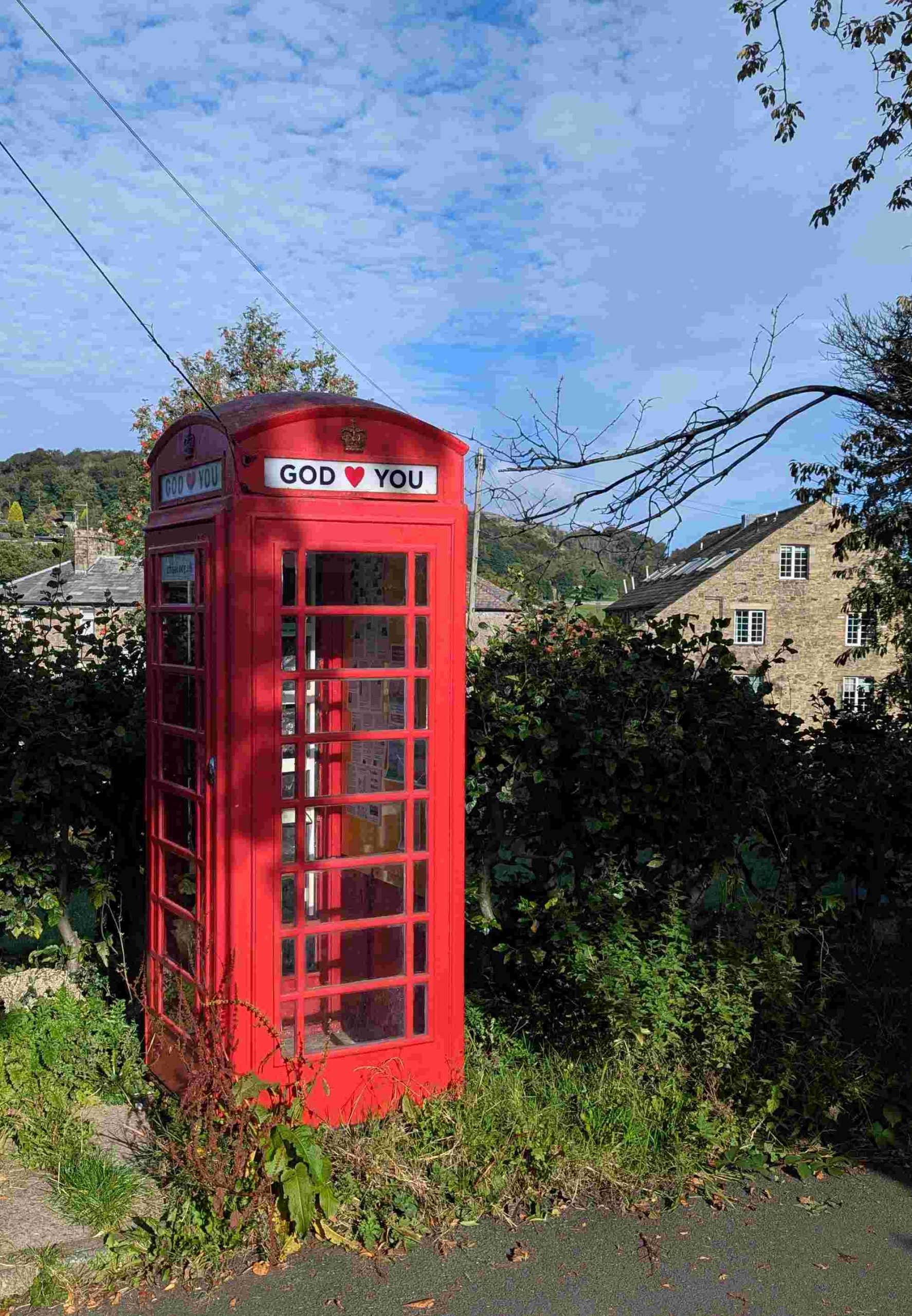
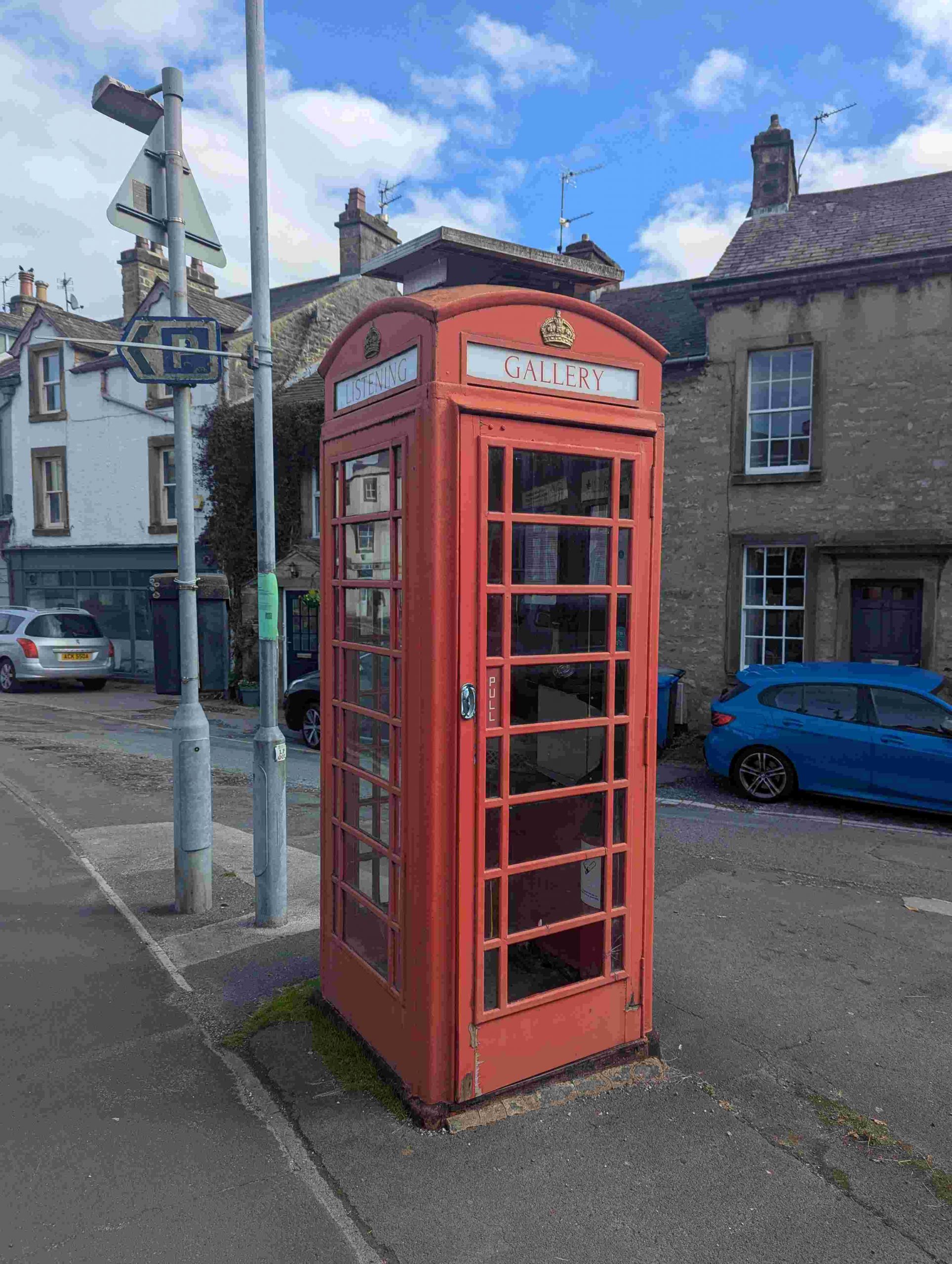
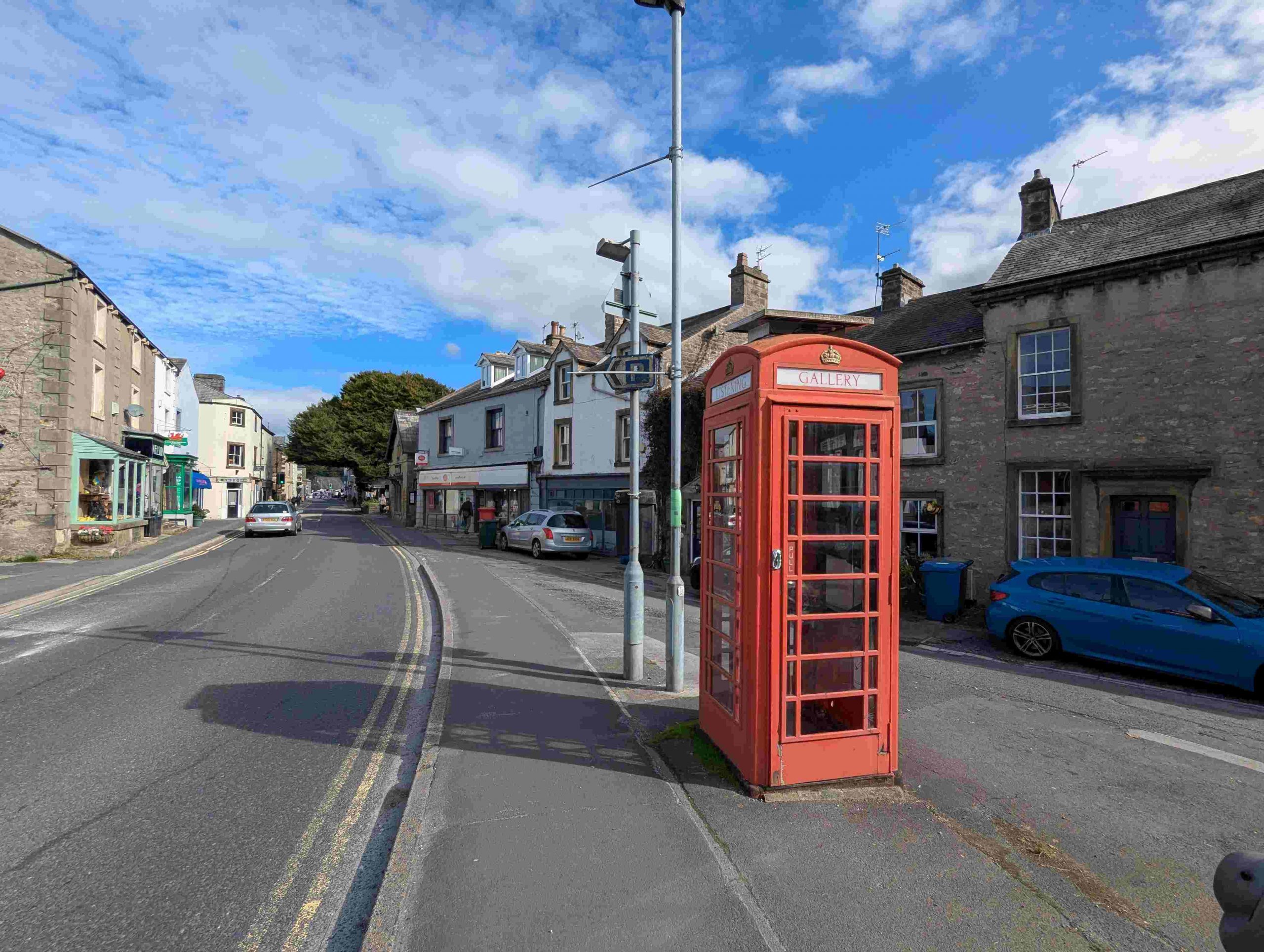
We had a few days in the Yorkshire Dales recently and I was happy to see that the phone box is still very much a part of the landscape.

Here are a few from the Dales in general…

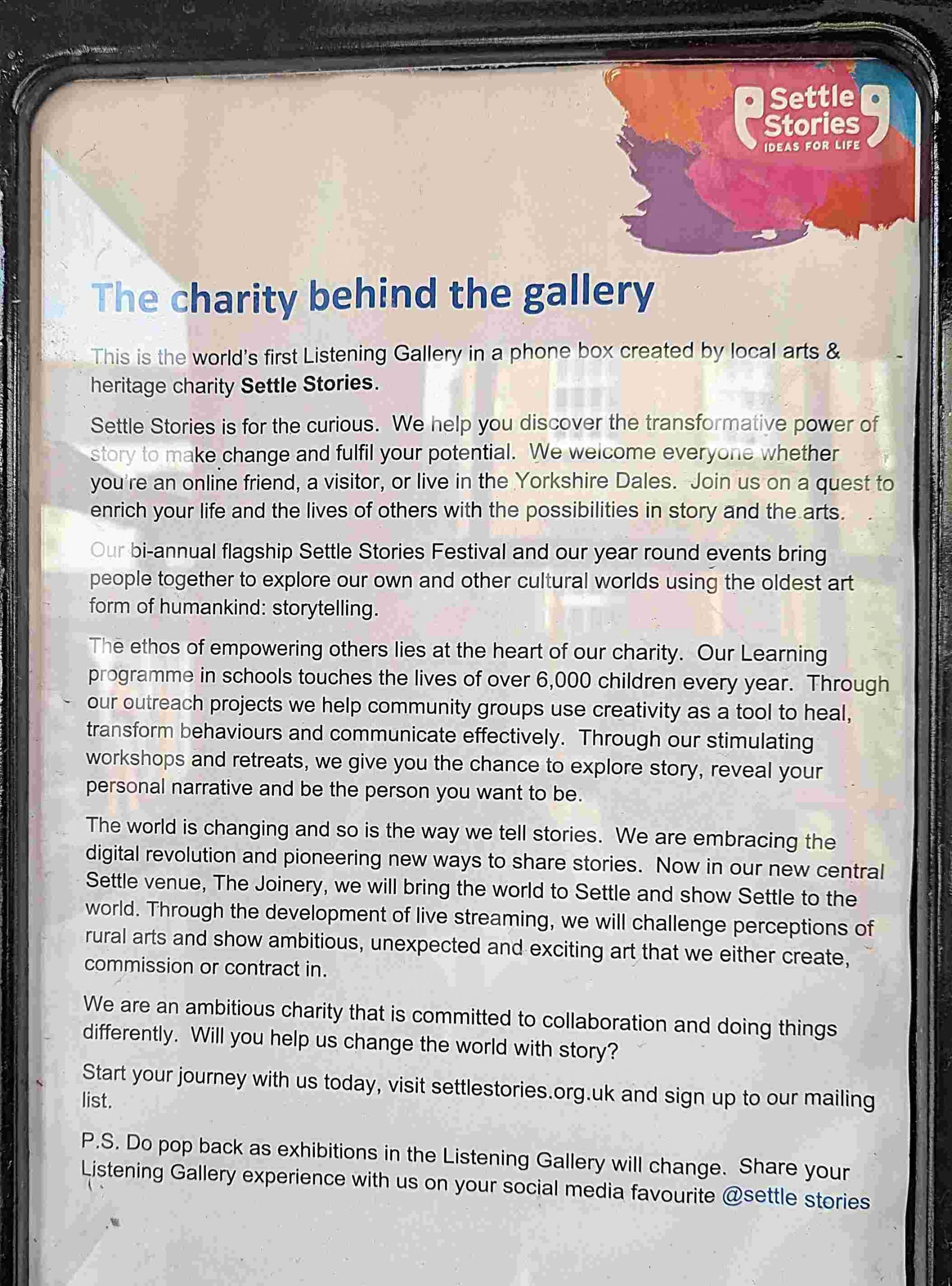
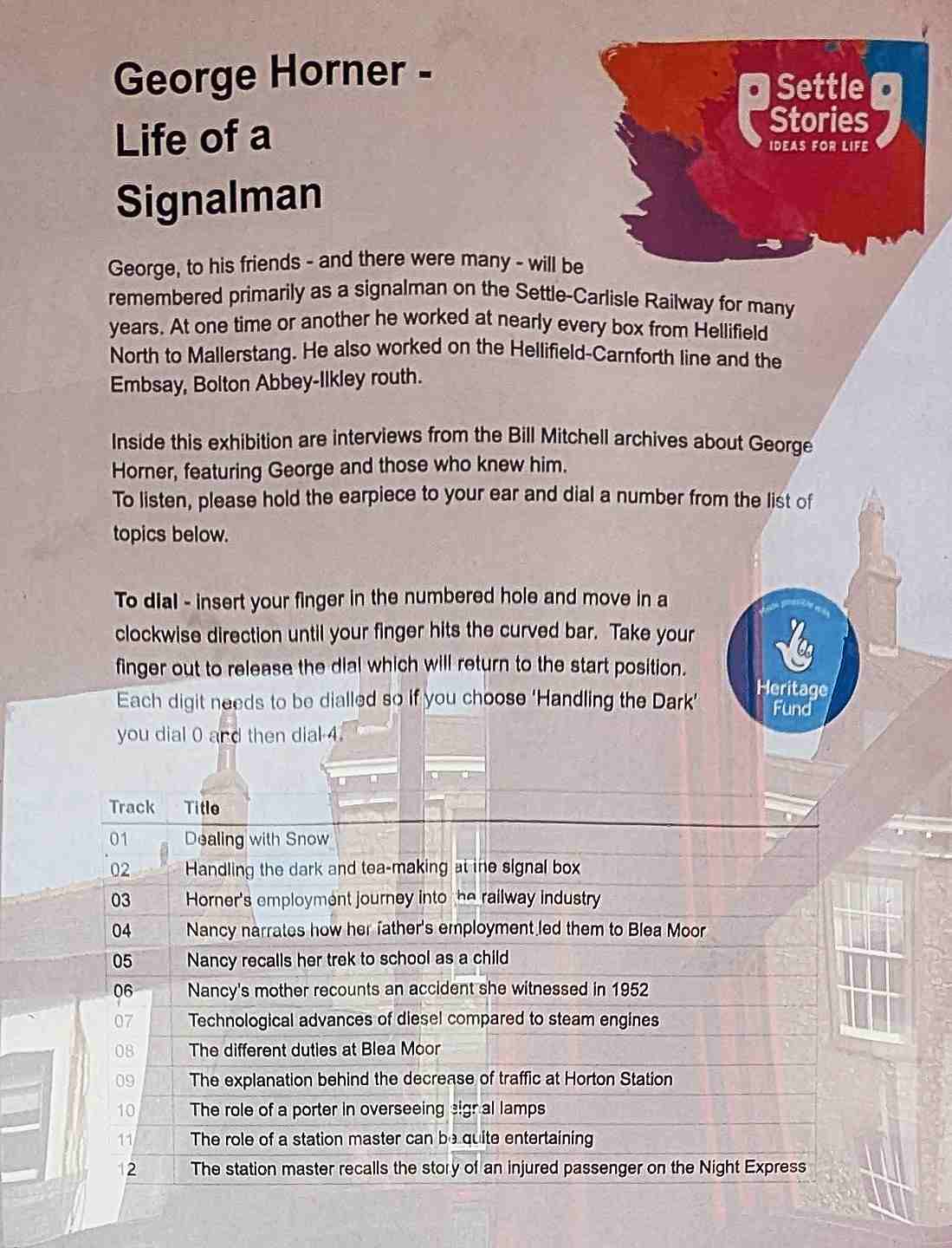
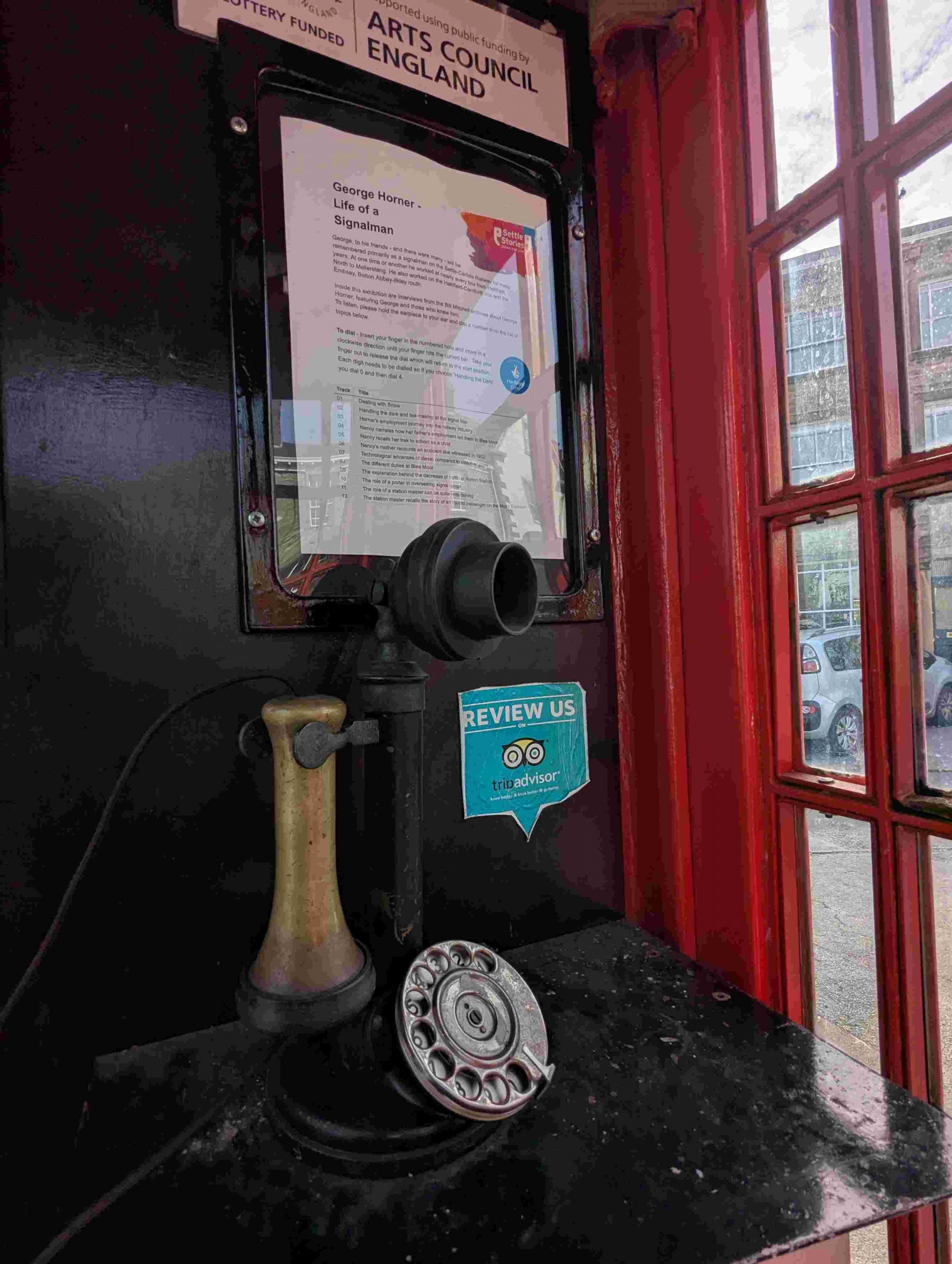
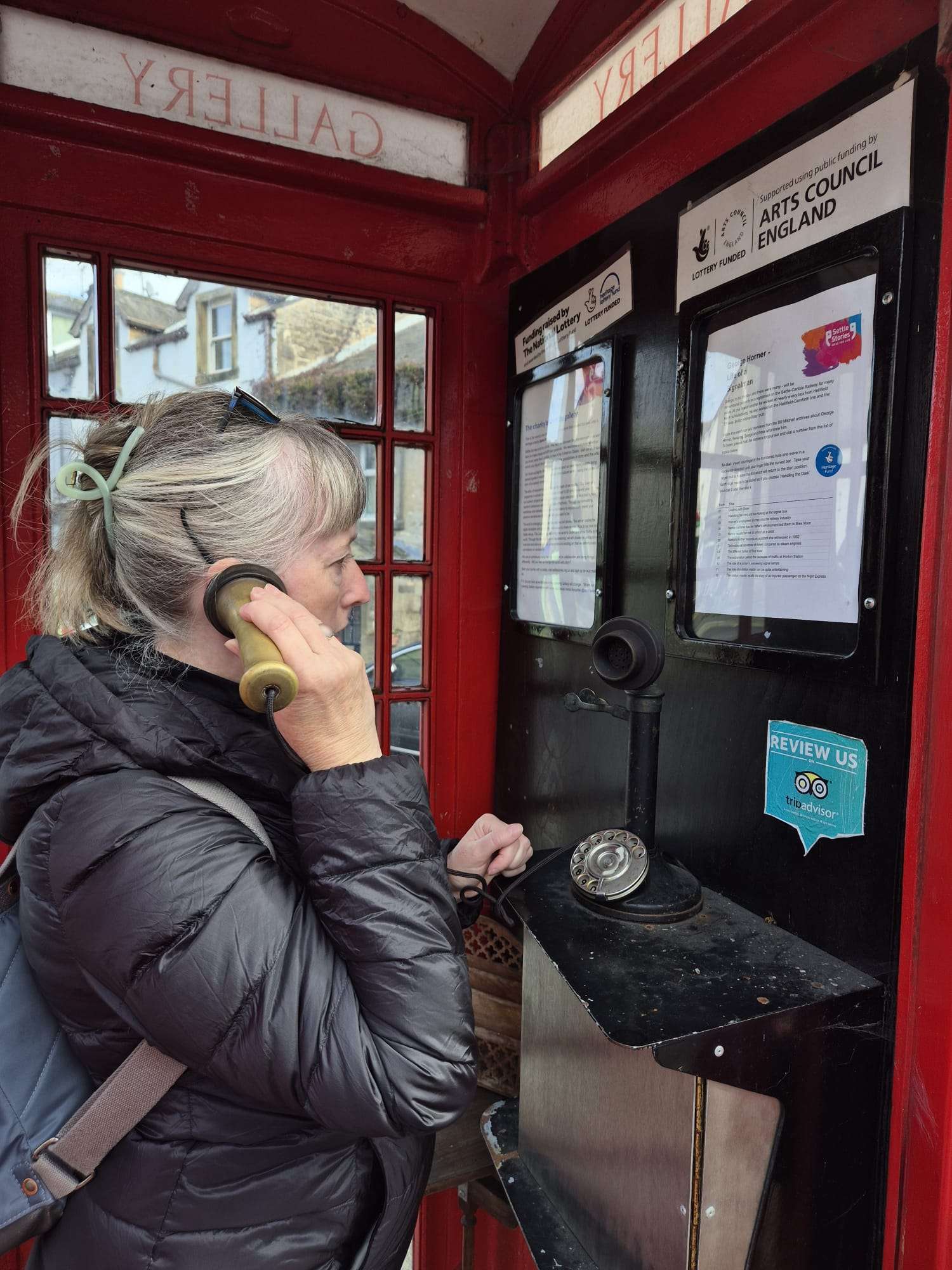
Settle in particular was an excellent find – a mini art gallery and the only speaking phone I’m aware of. The voice of George Horner, a Signalman for many years on the Settle-Carlisle Railway, can be heard by dialing the phone. His oral history stories are part of the Bill Mitchell archive and cover a variety of topics such as dealing with snow and tea-making at the signal box. Apologises for the glare on some of the photos.

An update: I found the image below in the Science Museum files. It appears to be an AA telephone handset. Perhaps it was installed inside boxes such as the Aysgarth one shown above?

dial phone handset AA

Guerrilla initiative utilising phone boxes

‘It’s a bit clandestine, a bit punk’: the guerrilla scheme letting skint artists mass-share gallery membership cards

From The Guardian

Now 600 strong, the Artist Membership Project is helping young artists see exhibitions while dodging hefty entry fees at top British institutions. We meet the founder of the scheme.

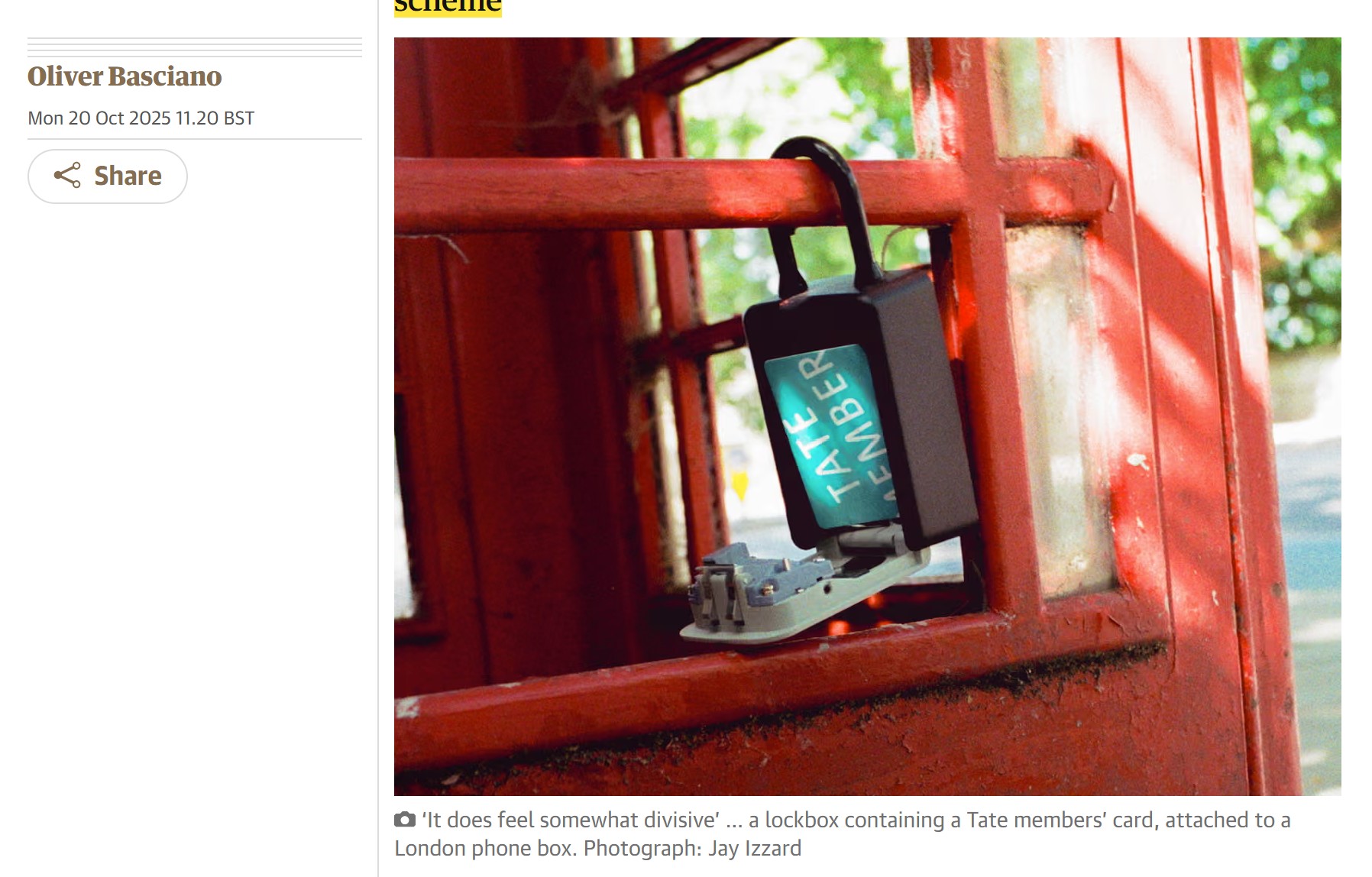
On a railing, not far from Tate Modern, is a lockbox. Enter a code and inside is a membership card to the museum, enabling free access to its temporary exhibitions. You get your ticket, you return the card.

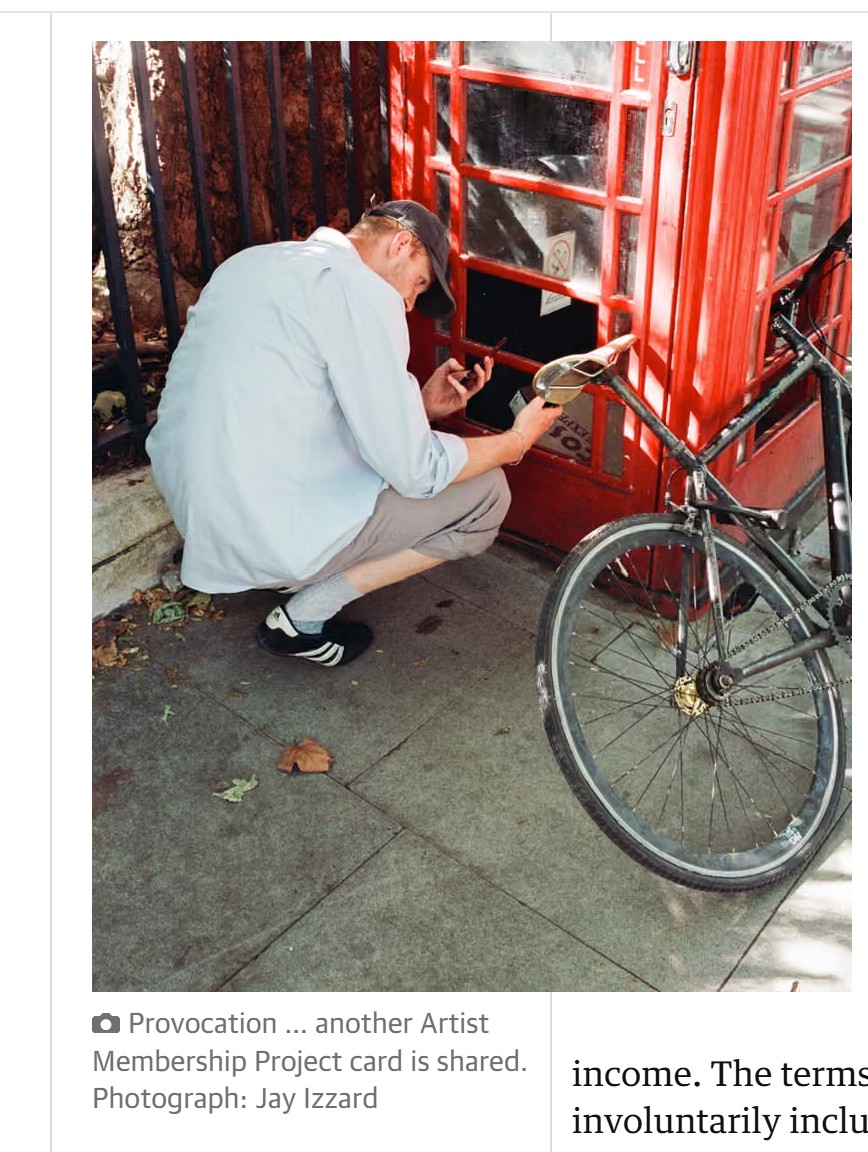
The Artist Membership Project, much to the ire of the city’s arts institutions, has been operating for three months with more than 600 members, mostly artists and recent graduates. Curator Ben Broome, who describes the guerrilla initiative as “part mutual aid project, part artwork”, estimates that those signed up have saved thousands of pounds in museum entry fees.

“I work in the art world, I can generally beg, borrow, and steal a pass, or I know someone who works at the museum,” Broome says. “But I did a studio visit with an artist who had recently graduated and is still finding her footing in the industry and I asked if she had seen the Ed Atkins show at Tate Britain. She replied that she’d have loved to have gone but it cost £18 and simply couldn’t afford that.”

A 2024 study found that the median annual salary of artists in the UK was just £12,500 a year, a 40% decrease since 2010.

Broome went away from the studio visit with a plan forming. He would email a dozen friends who run commercial art galleries and ask them to donate £100. He would then invest the money in membership cards to nine institutions, including the Tates Modern and Britain, the Courtauld Gallery, the National Gallery and National Portrait Gallery. These would be hidden in lockboxes, the location and code to which are provided over a WhatsApp group.

“It’s a little bit clandestine, it’s a little bit punk. There’s a sprinkling of low-level anarchy to the project,” Broome says. “That’s why people have responded so well to it, because it does feel somewhat divisive or uncouth. And I think we need a bit of that.”

Broome adds: “I understand why these institutions have to charge for these shows, they cost thousands to stage. I just think that the act of charging artists is alienating the very audience that makes these institutions great in the first place.”

The curator cites the example of MoMA in New York, which offers a heavily subsidised artists’ membership scheme. Artists simply have to show some evidence of their practice at the museum’s information desk, be it a website or their social media.

There seems an appetite for a similar concessionary rate in the UK, as within days the WhatsApp group had blown up and the cards were being used several times a day. A spokesperson for Tate said: “Unlike many museums abroad, the UK’s national museums are free to all, including to artists … This is only possible because of the support of our members and the income generated by our exhibitions.”

Representatives of the Royal Academy and the V&A also noted that temporary shows were a major source of income. The terms and conditions of all the membership programmes involuntarily included in Broome’s scheme expressly forbid the sharing of cards. All the institutions pointed out they operate free entry days, occasional pay-what-you-can events and reduced prices for under-25s or those on benefits.

Broome says he understands the financial constraints on museums and that they do what they can. “Being the director of a major museum in London is no easy task, but I think we can separate the dire situation of the public-sector art world and the fact that artists can’t afford to see exhibitions. They are intertwined, both of these things are rooted in governmental failures. That being said, the audience who are using the membership scheme, they’re just not coming to your institution anyway. So it’s better to get those people through the door.”

Visitor numbers across London’s arts institutions have barely recovered since the Covid-19 pandemic, with footfall across the Tate sites down by over 30% since 2019.

There are signs that Broome’s provocation is bearing fruit. Gilane Tawadros, director of the Whitechapel Gallery in London told the Guardian: “I wasn’t personally aware of this scheme, but many of our staff are also practising artists, so I would imagine they are. I fully understand the need for artists to share resources as ticket prices for exhibitions are often prohibitively expensive and being able to go and see work is vital. I think it would be great for arts institutions to consider as many ways as possible to support and nurture our artist communities.”
Earlier this month the Barbican cancelled Broome’s membership card, citing “suspicious activity”. He crowdfunded for a replacement under a new name which was promptly also cancelled. Now however a spokesperson says the gallery will reach out to him to “explore options”.

“The idea behind this project was not to create an infrastructure from which people could access free exhibitions indefinitely,” the curator says. “It was always destined to fail in that. Some of the cards have got so soggy from being out in the elements that they’re practically unusable, one of the lockboxes has seized up. It was designed to show the precarity of artists and that there is a need for an alternative model – which I think it has done.”

Samaritans article

From The Guardian 10 August 2025…

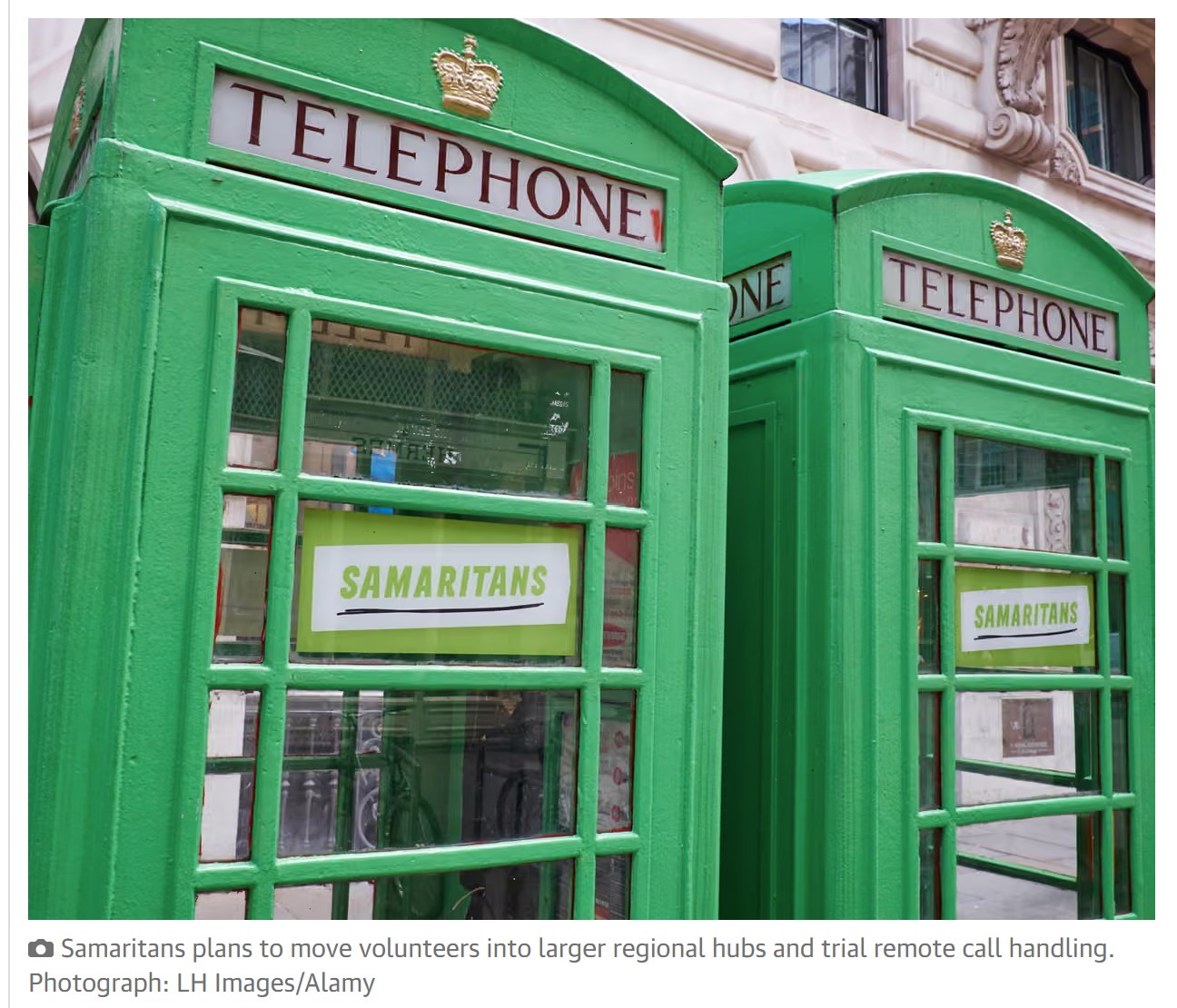
‘Soul-destroying’: Samaritans volunteers blindsided by proposed closures

Team who raised nearly £300,000 to replace building left in limbo by plan to close at least 100 UK and Ireland centres.

At the Walsall branch of Samaritans, it has been a tough few years of campaigning for the funds needed to replace the now leaky portable cabin they have operated out of for the past 60 years. After raising almost £300,000, they are on the home stretch towards reaching their final goal, and being able to replace the building they use to help local people in the depths of crisis. Then came the shock announcement from Samaritans central office: that it proposes to close at least half of its 200 branches across the UK and Ireland in the next 10 years….