Category Archives: News

Guerrilla initiative utilising phone boxes

‘It’s a bit clandestine, a bit punk’: the guerrilla scheme letting skint artists mass-share gallery membership cards

From The Guardian

Now 600 strong, the Artist Membership Project is helping young artists see exhibitions while dodging hefty entry fees at top British institutions. We meet the founder of the scheme.

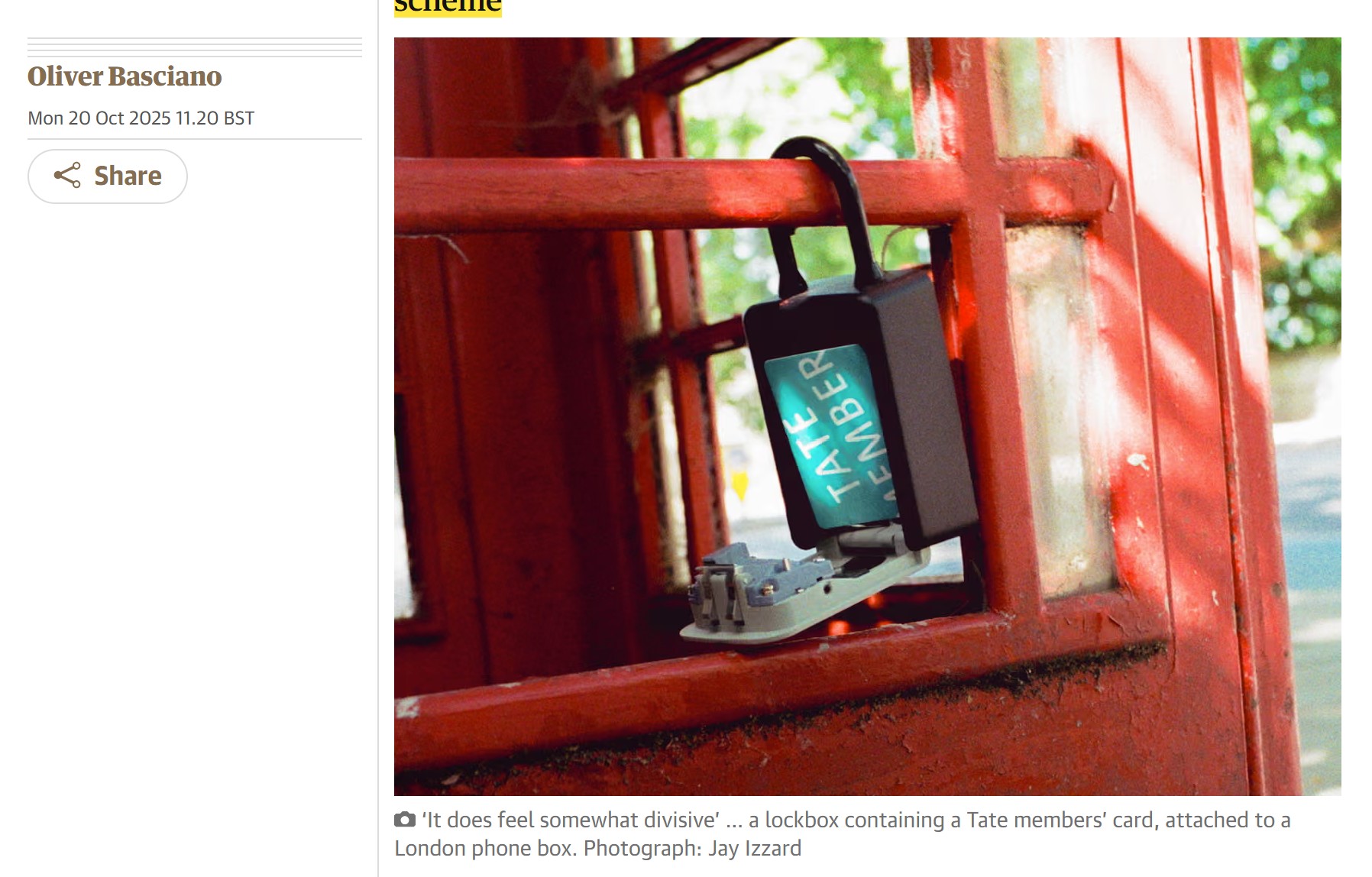
On a railing, not far from Tate Modern, is a lockbox. Enter a code and inside is a membership card to the museum, enabling free access to its temporary exhibitions. You get your ticket, you return the card.

The Artist Membership Project, much to the ire of the city’s arts institutions, has been operating for three months with more than 600 members, mostly artists and recent graduates. Curator Ben Broome, who describes the guerrilla initiative as “part mutual aid project, part artwork”, estimates that those signed up have saved thousands of pounds in museum entry fees.

“I work in the art world, I can generally beg, borrow, and steal a pass, or I know someone who works at the museum,” Broome says. “But I did a studio visit with an artist who had recently graduated and is still finding her footing in the industry and I asked if she had seen the Ed Atkins show at Tate Britain. She replied that she’d have loved to have gone but it cost £18 and simply couldn’t afford that.”

A 2024 study found that the median annual salary of artists in the UK was just £12,500 a year, a 40% decrease since 2010.

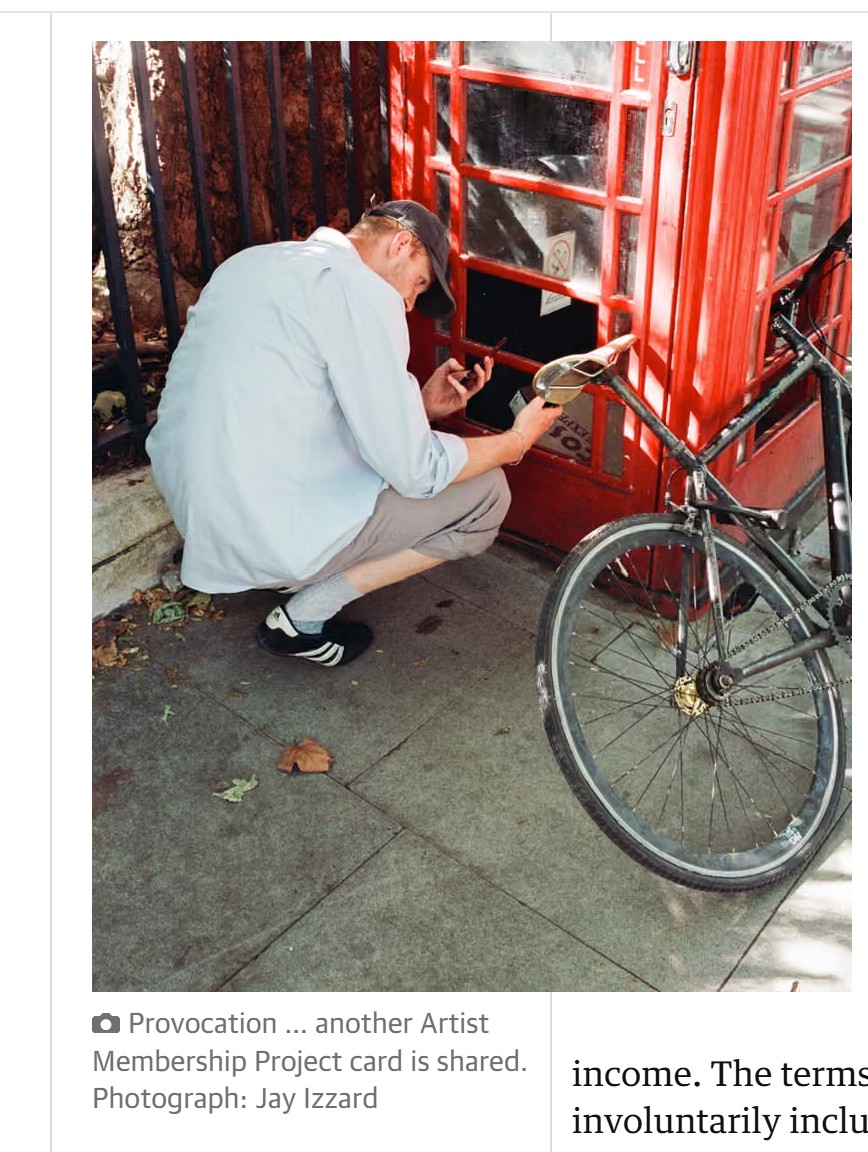
Broome went away from the studio visit with a plan forming. He would email a dozen friends who run commercial art galleries and ask them to donate £100. He would then invest the money in membership cards to nine institutions, including the Tates Modern and Britain, the Courtauld Gallery, the National Gallery and National Portrait Gallery. These would be hidden in lockboxes, the location and code to which are provided over a WhatsApp group.

“It’s a little bit clandestine, it’s a little bit punk. There’s a sprinkling of low-level anarchy to the project,” Broome says. “That’s why people have responded so well to it, because it does feel somewhat divisive or uncouth. And I think we need a bit of that.”

Broome adds: “I understand why these institutions have to charge for these shows, they cost thousands to stage. I just think that the act of charging artists is alienating the very audience that makes these institutions great in the first place.”

The curator cites the example of MoMA in New York, which offers a heavily subsidised artists’ membership scheme. Artists simply have to show some evidence of their practice at the museum’s information desk, be it a website or their social media.

There seems an appetite for a similar concessionary rate in the UK, as within days the WhatsApp group had blown up and the cards were being used several times a day. A spokesperson for Tate said: “Unlike many museums abroad, the UK’s national museums are free to all, including to artists … This is only possible because of the support of our members and the income generated by our exhibitions.”

Representatives of the Royal Academy and the V&A also noted that temporary shows were a major source of income. The terms and conditions of all the membership programmes involuntarily included in Broome’s scheme expressly forbid the sharing of cards. All the institutions pointed out they operate free entry days, occasional pay-what-you-can events and reduced prices for under-25s or those on benefits.

Broome says he understands the financial constraints on museums and that they do what they can. “Being the director of a major museum in London is no easy task, but I think we can separate the dire situation of the public-sector art world and the fact that artists can’t afford to see exhibitions. They are intertwined, both of these things are rooted in governmental failures. That being said, the audience who are using the membership scheme, they’re just not coming to your institution anyway. So it’s better to get those people through the door.”

Visitor numbers across London’s arts institutions have barely recovered since the Covid-19 pandemic, with footfall across the Tate sites down by over 30% since 2019.

There are signs that Broome’s provocation is bearing fruit. Gilane Tawadros, director of the Whitechapel Gallery in London told the Guardian: “I wasn’t personally aware of this scheme, but many of our staff are also practising artists, so I would imagine they are. I fully understand the need for artists to share resources as ticket prices for exhibitions are often prohibitively expensive and being able to go and see work is vital. I think it would be great for arts institutions to consider as many ways as possible to support and nurture our artist communities.”

Earlier this month the Barbican cancelled Broome’s membership card, citing “suspicious activity”. He crowdfunded for a replacement under a new name which was promptly also cancelled. Now however a spokesperson says the gallery will reach out to him to “explore options”.

“The idea behind this project was not to create an infrastructure from which people could access free exhibitions indefinitely,” the curator says. “It was always destined to fail in that. Some of the cards have got so soggy from being out in the elements that they’re practically unusable, one of the lockboxes has seized up. It was designed to show the precarity of artists and that there is a need for an alternative model – which I think it has done.”

Samaritans article

From The Guardian 10 August 2025…

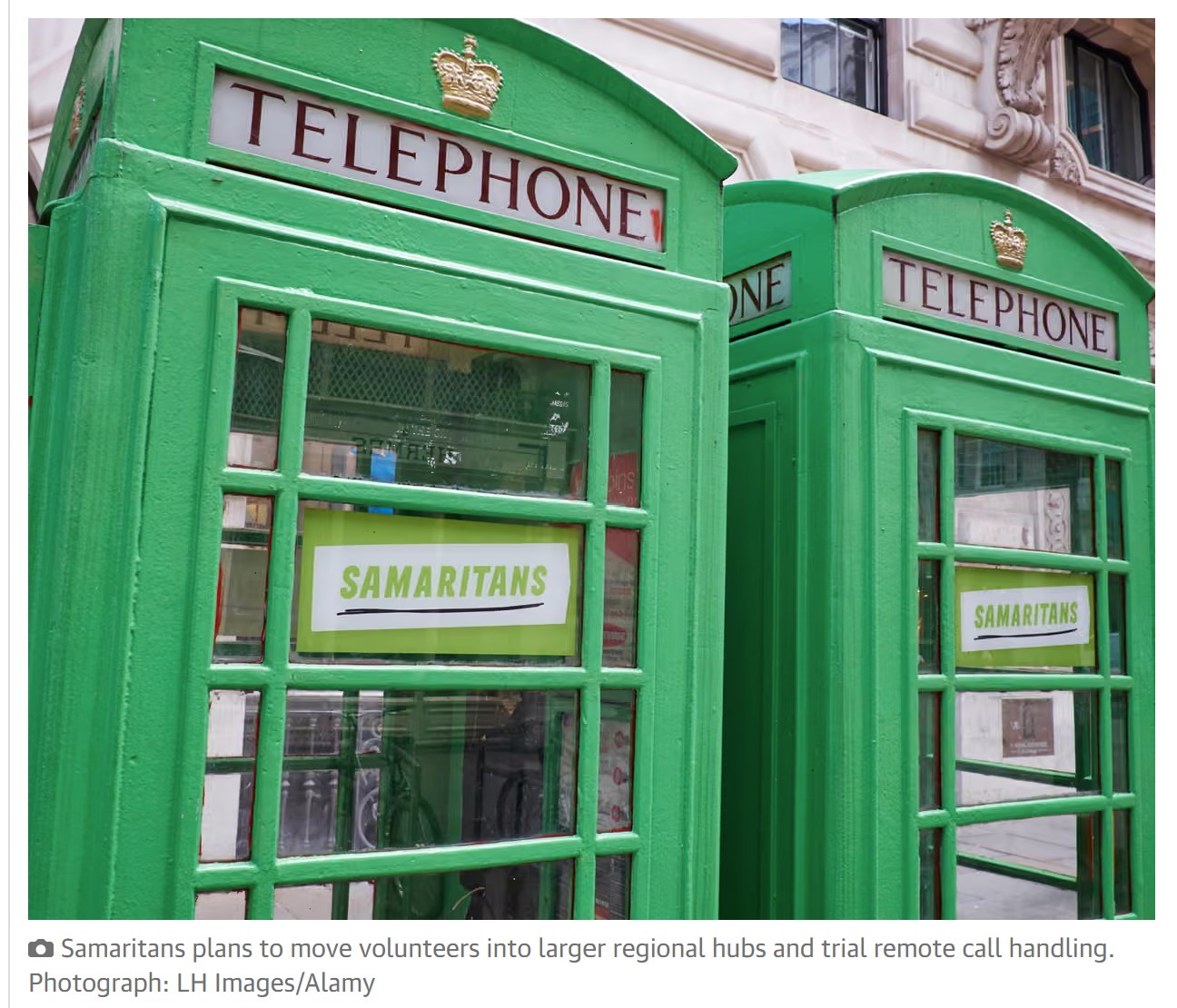
‘Soul-destroying’: Samaritans volunteers blindsided by proposed closures

Team who raised nearly £300,000 to replace building left in limbo by plan to close at least 100 UK and Ireland centres.

At the Walsall branch of Samaritans, it has been a tough few years of campaigning for the funds needed to replace the now leaky portable cabin they have operated out of for the past 60 years. After raising almost £300,000, they are on the home stretch towards reaching their final goal, and being able to replace the building they use to help local people in the depths of crisis. Then came the shock announcement from Samaritans central office: that it proposes to close at least half of its 200 branches across the UK and Ireland in the next 10 years….

News

A Hull post box and a telephone kiosk have been painted gold…

https://www.bbc.co.uk/news/uk-england-humber-19232488

From the BBC, 12 August 2012

Luke Campbell: Hull honours Olympics boxing gold medallist

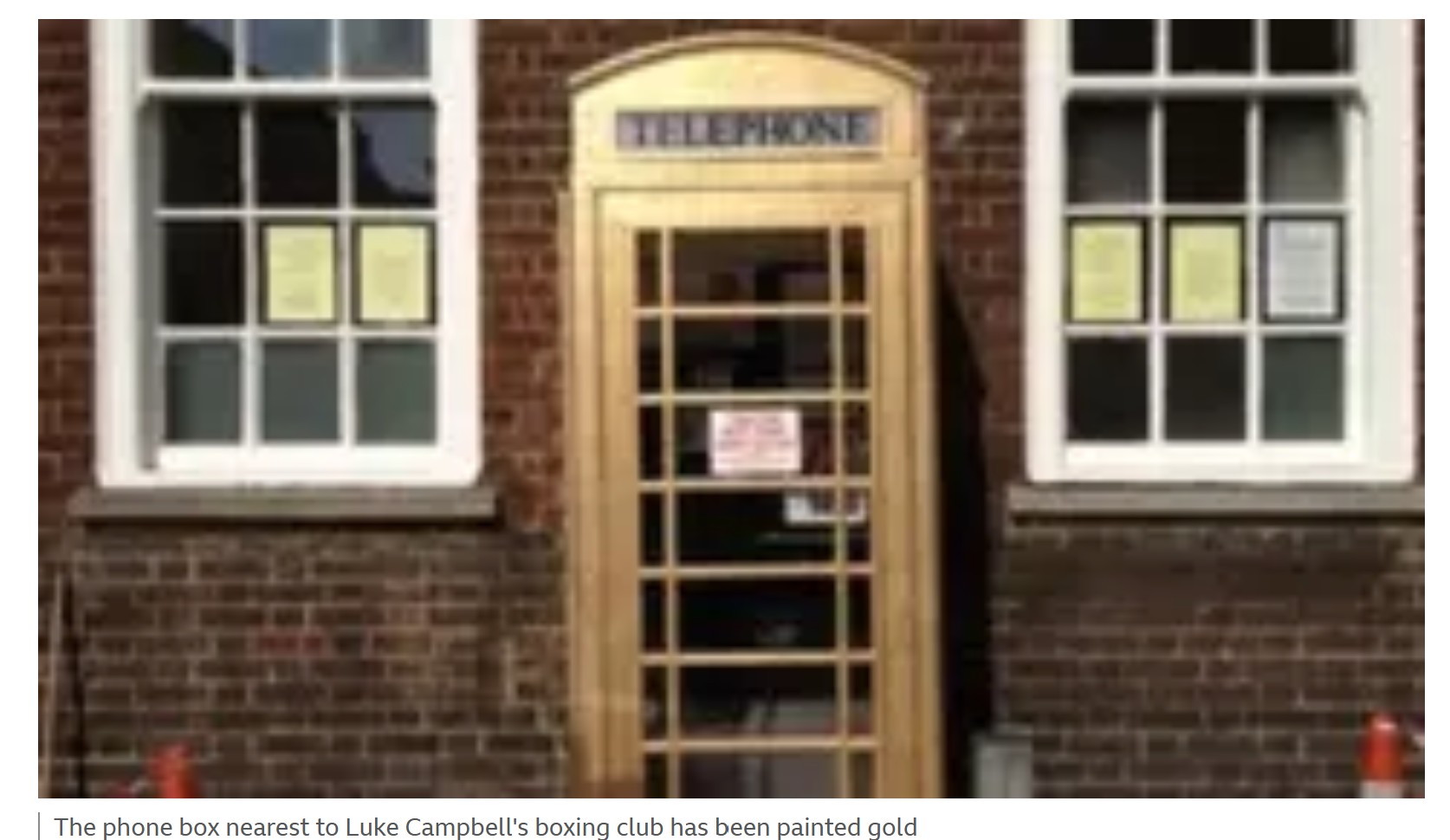
A Hull post box and a telephone kiosk have been painted gold to honour Olympic boxing champion Luke Campbell.

The 24-year-old beat the Republic of Ireland’s John Joe Nevin in the bantamweight final on Saturday to win the gold medal. KC, which runs the city’s telephone network, has painted the kiosk nearest to his boxing club gold in his honour. Royal Mail has painted a post box near the fighter’s Hessle Road home, as well as issuing a commemorative stamp.

Campbell said his victory had been “a day I’ve dreamed of for a long, long time”. He added: “It means everything. My family, my city, everyone has been so supportive. “A lot of my family and friends have seen how disciplined I’ve been and they are just so proud of me. I’m happy I could make them proud of me.”

Hull’s Lord Mayor, Danny Brown, said the city council would meet to discuss the best way to mark Campbell’s achievement. Mr Brown said: “The freedom of the city is something I would like to see for Luke, he certainly deserves it. “But who knows, name a street, whatever. I think a lot of things will be discussed to see that Luke gets the recognition he deserves.”

Phone box baby

Source: FB

In the news

Earlier this month (Aug 2024)

The phone box continues to inspire

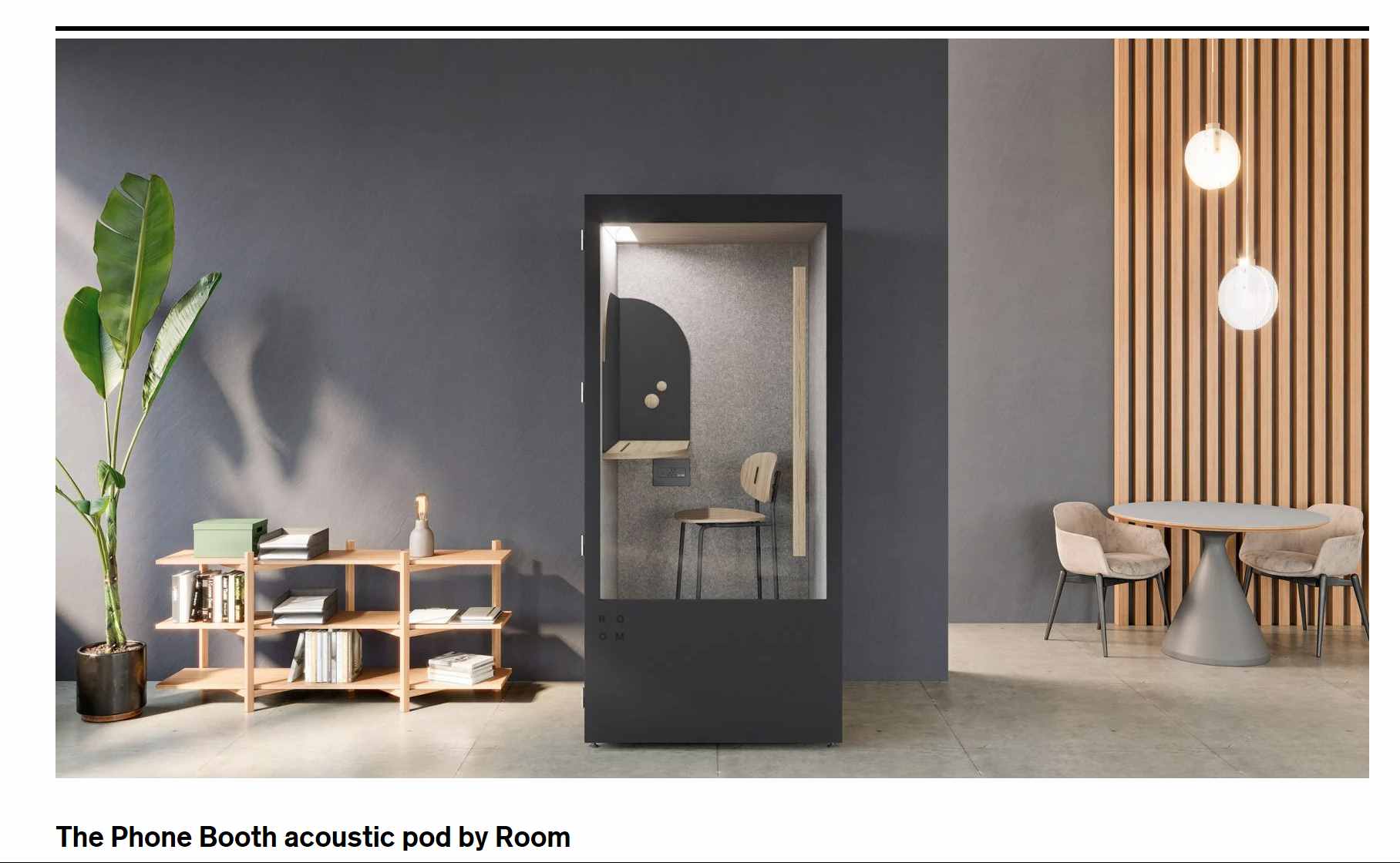
From Dezeen: workplace furniture company Room has created a single-person acoustic pod that provides solo workspaces in open-plan offices. The first product designed in Room’s catalogue, The Phone Booth is characterised by its trio of sound-dampening material layers that work together to reduce noise by 30 decibels, according to the brand.

The booth is clad in sound-blocking MDF and lined with sound-absorbing PET felt made from recycled plastic bottles. 100 per cent natural wool finishes also help to control noise levels. There is an LED light mounted in the ceiling along with two ultra-quiet fans that keep the air inside clean. Both the light and fans are controlled by a smart sensor.

The booth is delivered flat-packed and can be assembled in an hour by two people using only one tool, and it can also be moved between locations easily once assembled given its flexible design. The Phone Booth comes in two colourways, light and dark, and punctuated with oak accents.

Hull’s cream-coloured phone boxes given Grade II-listed status

More good stuff… Again from The Guardian.

K8 boxes are last in the line of classics, say campaigners as nine still in working order get heritage protection

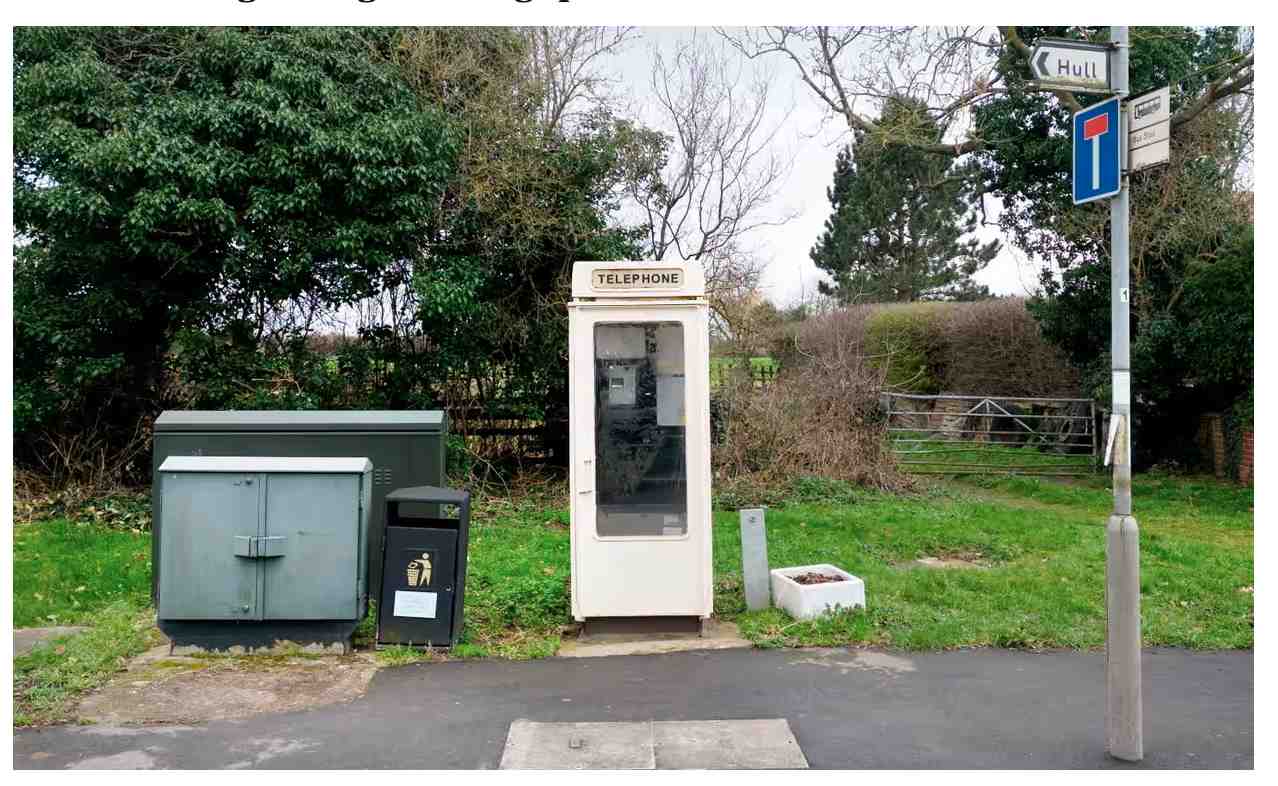
A cream-coloured K8 phone box on Main Road, Wawne, near Hull. Photograph: Alun Bull/Historic England/PA

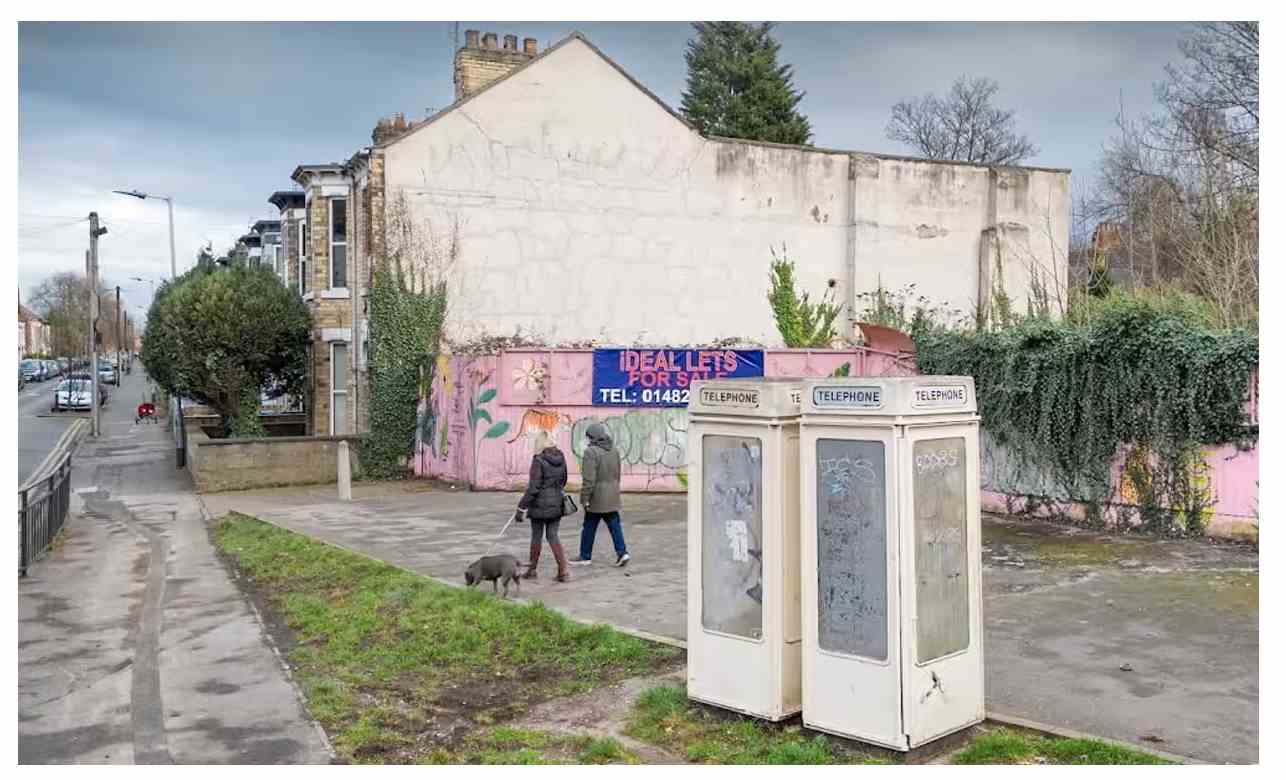
Nine rare cream-coloured public phone boxes that are still in working order have been given heritage protection by the government.

The K8 phone boxes are all cream – rather than red – because they are in Hull, the only place in England where the local council ran the public telephone network.

On the advice of Historic England, the Department for Culture, Media and Sport (DCMS) said it was listing the best surviving nine in Hull and its surroundings at Grade II.

Sarah Charlesworth, the listing team leader for the north at Historic England, said the phone boxes were something from a bygone era.

“Nowadays we have mobile phones, so the need for a phone box has declined, but a lot of people still remember when that was the only option,” she said.

“For many of us they’ve been the scene of memorable moments in our own lives, from furtive conversations with first boyfriends to desperate calls home when we’ve been in a fix.”

Charlesworth said remaining phone boxes today were often mini libraries or pop-up art galleries, so for Hull’s still to be in use was “really quite rare”.

The Twentieth Century Society, a heritage campaign group, welcomed the move. Its director Catherine Croft said: “The K8 is really the last in the line of the classic telephone boxes and their plight has long been a cause for C20 Society, so we’re delighted to see another brace of boxes recognised with national listing.

“They’re the perfect example of how good design – no matter how small – can help enrich our high streets and communities.”

The K8 phone box was designed in 1965-66 by the architect Bruce Martin, who had been commissioned by the General Post Office. They were an easier-to-maintain update to the K2 and K6 boxes designed by Giles Gilbert Scott.

About 11,000 were installed across the UK and most were removed by British Telecom after privatisation in 1984. They were replaced by the widely disliked KX100 kiosk, a more functional and accessible phone box described by one Guardian writer as “utterly bland” and “plain nasty”.

Only about 50 of the K8 boxes still exist, some of them already listed such as examples in Swindon and on the platform of Worcester’s Shrub Hill railway station.

They are now joined by the Hull K8s, which were made cream to mark Hull’s independence from the network. Today, Hull’s network continues to be run by an independent company, KCOM.

Two phone boxes on Princes Avenue/Park Gove in Hull. Photograph: Alun Bull/Historic England/PA

London Underground phone kiosks given Grade II-listed status

This is the kind of news we like… From The Guardian.

A blue K8 kiosk at Chorleywood station. The K8s housed an internal phone system for station staff. Photograph: The Historic England Archive

K8s installed on tube stations between 1968 and 1983 are listed for architectural and historic interest.

Four rare phone boxes on London Underground stations have been given Grade II-listed status by the government for their architectural and historic interest.

The phone boxes are among 11,000 K8 kiosks that were installed across the UK between 1968 and 1983. Only about 50 remain, mostly in Hull where they were part of an independent phone network rather than the property of British Telecom.

The K8s on tube stations were owned by London Underground and housed an internal phone system for station staff. As such, they were painted different colours to the traditional red phone boxes.

The newly listed boxes are at High Street Kensington and Chorleywood, both blue; Chalfont and Latimer, maroon; and Northwick Park, which is white.

Tom Foxall of Historic England, the body that recommends listing to the government, said: “There are very few designs that can be genuinely termed as ‘iconic’ but the K8 is certainly one of them. Like its predecessors, this kiosk was a defining feature of 20th-century Britain’s physical, technological and cultural landscape. Very few K8s survive, so they certainly need to be cherished and protected.”

The K8 was commissioned by the General Post Office, which owned the public phone network in the mid-60s, and designed by the architect Bruce Martin. Unlike the classic dome-topped K2 and K6 boxes, designed in the 1920s by Giles Gilbert Scott, which have architrave moulding and glass panelling, the K8 is minimalist with a flat roof and single large windows.

Most of the 11,000 K8s were removed by British Telecom after it was privatised in 1984. They were succeeded by the aluminium-framed KX100, most of which have since been ripped out with the inexorable rise of mobile phones.

The four tube station K8s join nine K8s in Hull that were listed earlier this year, giving a total of 23 on the national heritage list for England.

Historic England has appealed to phone box enthusiasts to help the search for unrecorded K8s.

Lord Parkinson of Whitley Bay, the arts and heritage minister, said: “This distinctive telephone box design, once a ubiquitous part of daily life in the UK, is now rare to see in our public spaces. I am delighted these remaining examples have been listed so that their design can continue to be admired and enjoyed for years to come.”

By 2021, about 21,000 working public phone boxes remained in Britain, from a peak in the mid-90s of about 100,000. More than 6,000 have been converted to other uses, such as community libraries or to house public defibrillators. 96% of UK adults own a mobile phone.

Photograph: The Historic England Archive