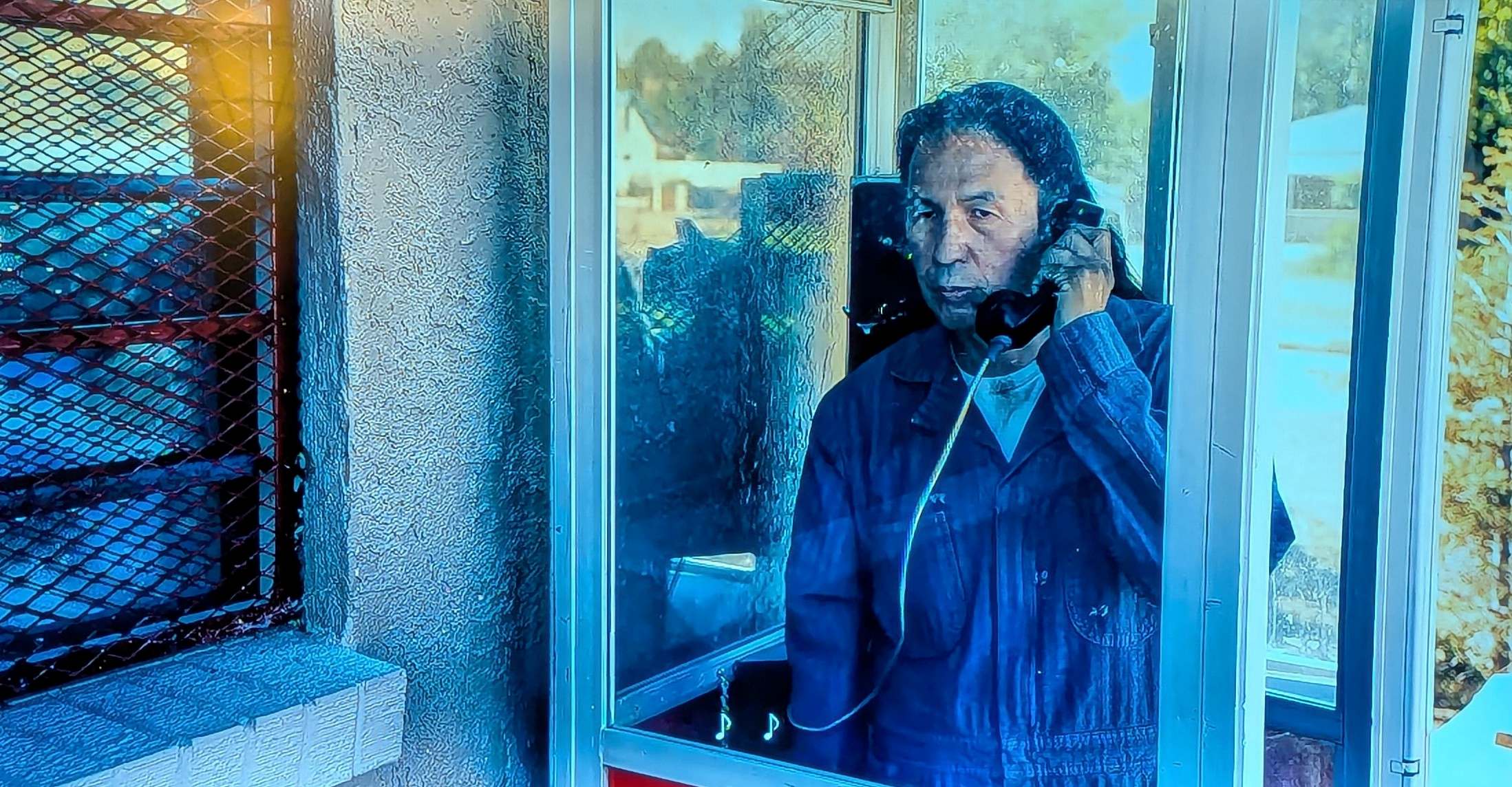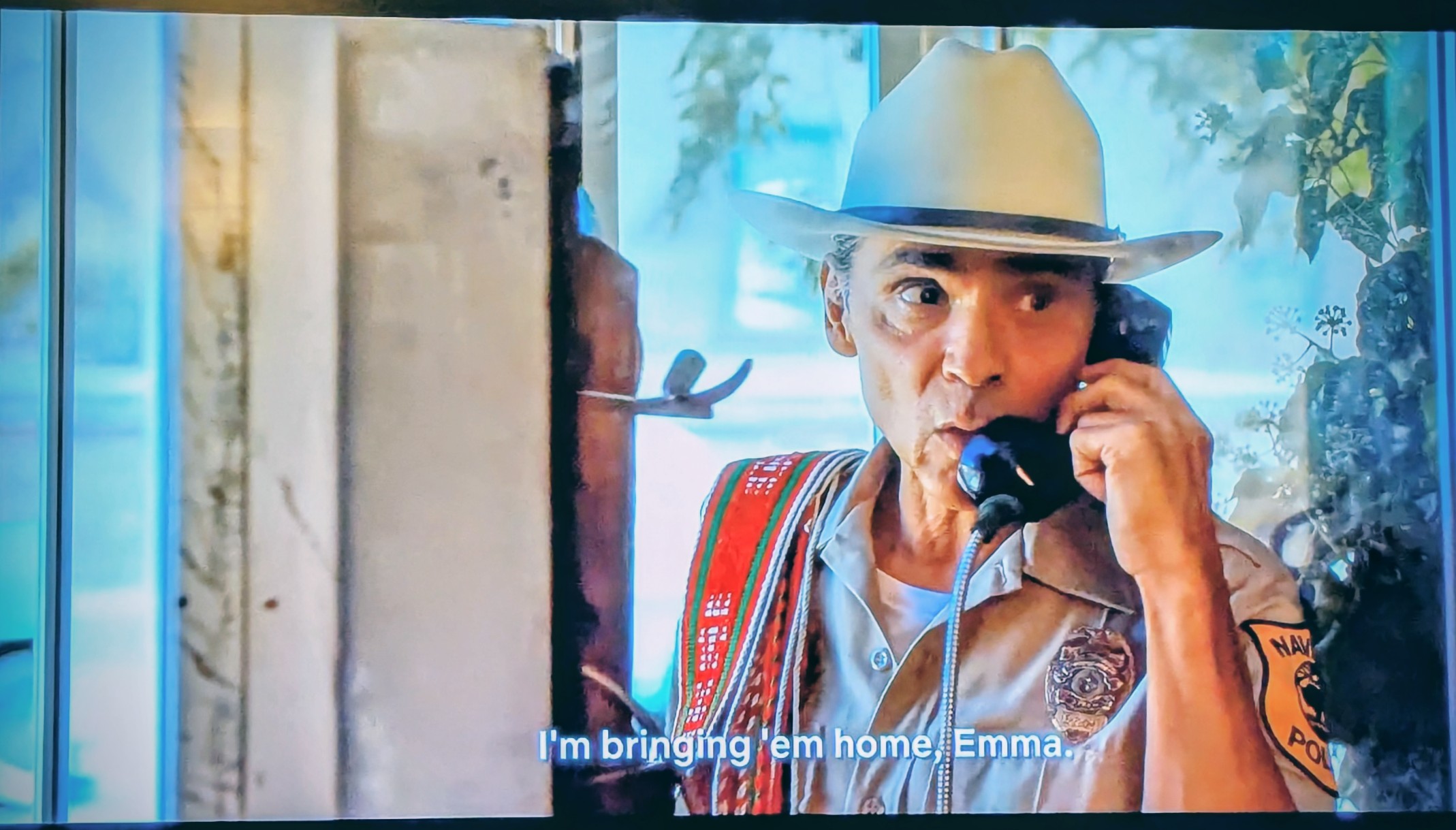
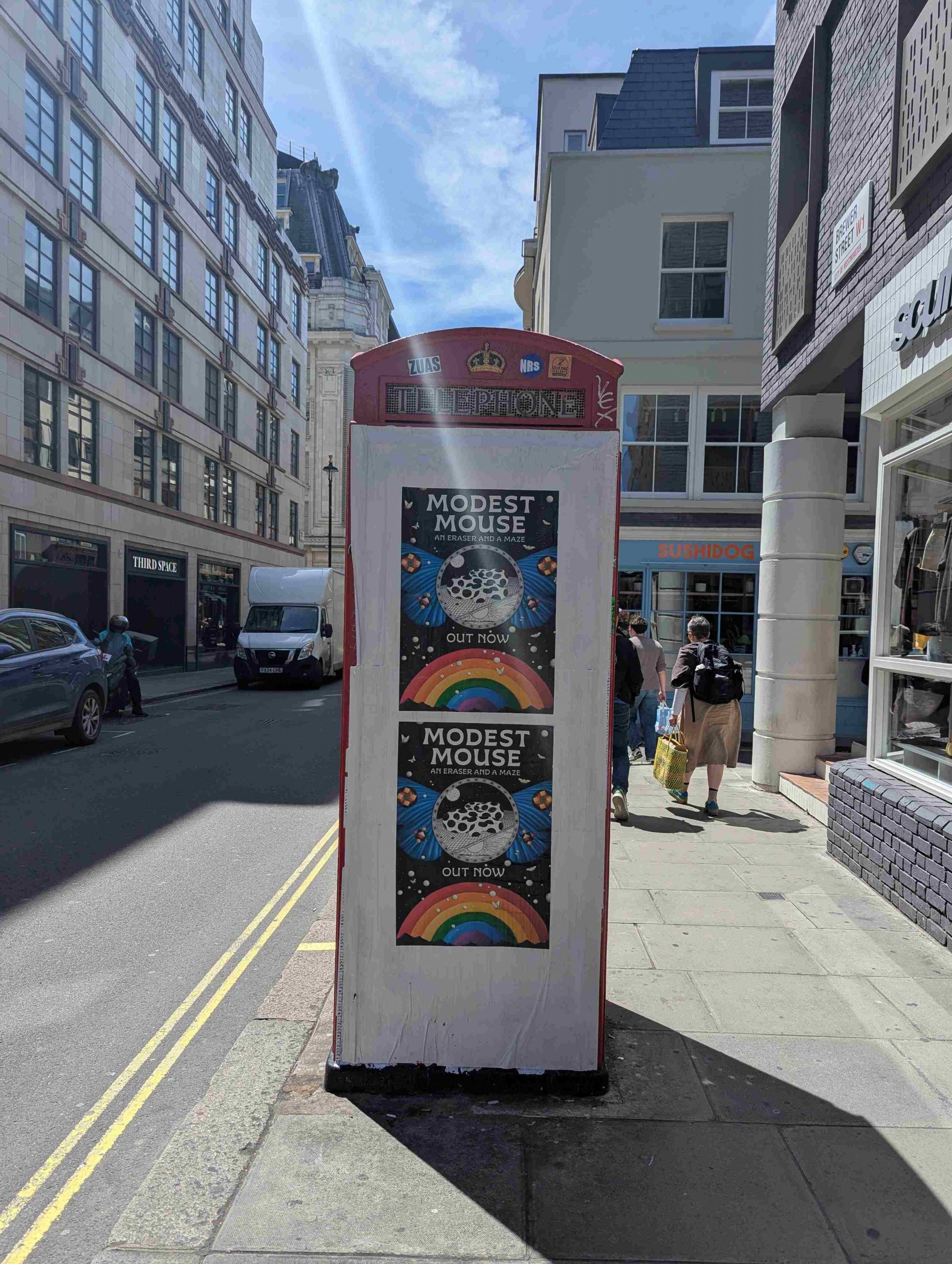

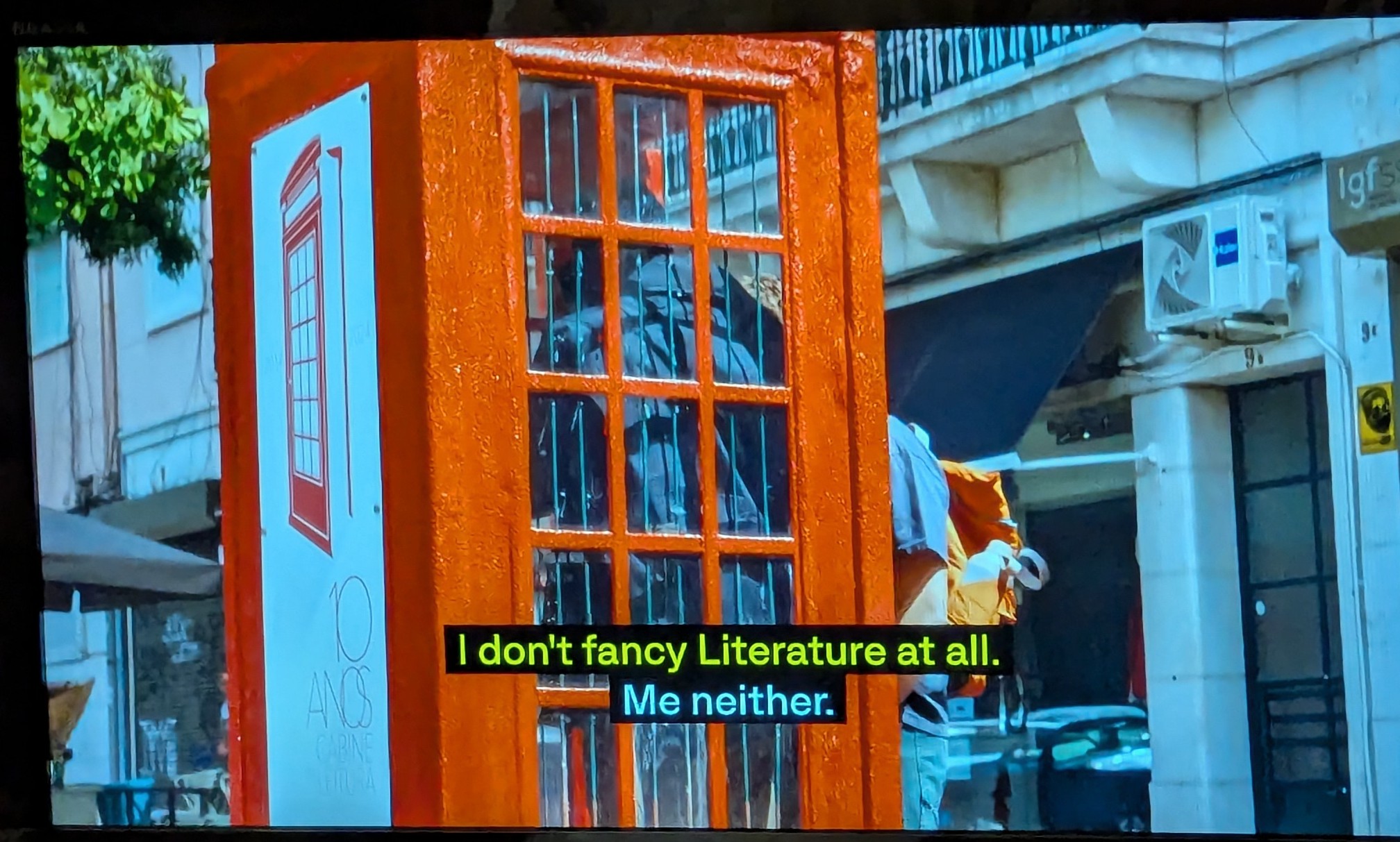
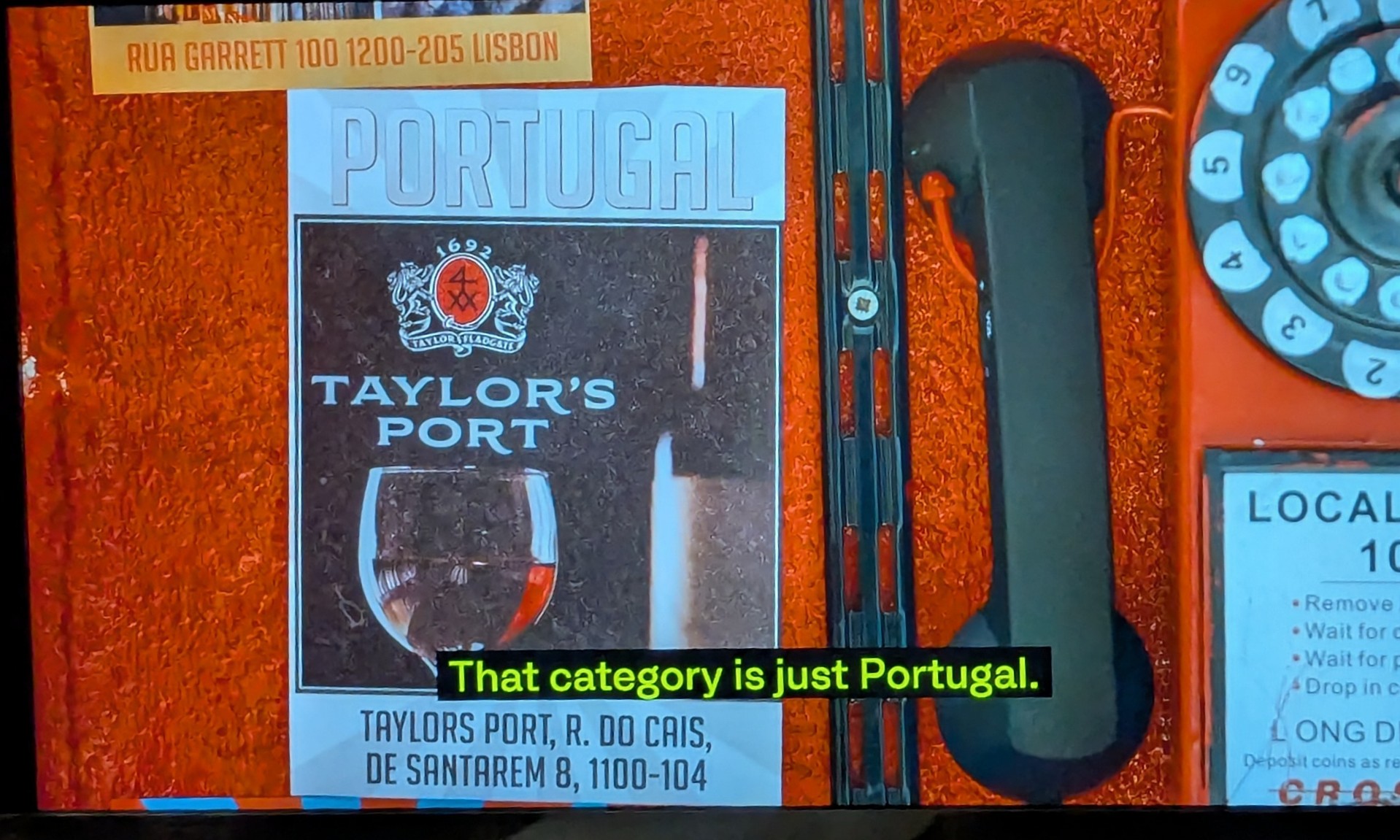
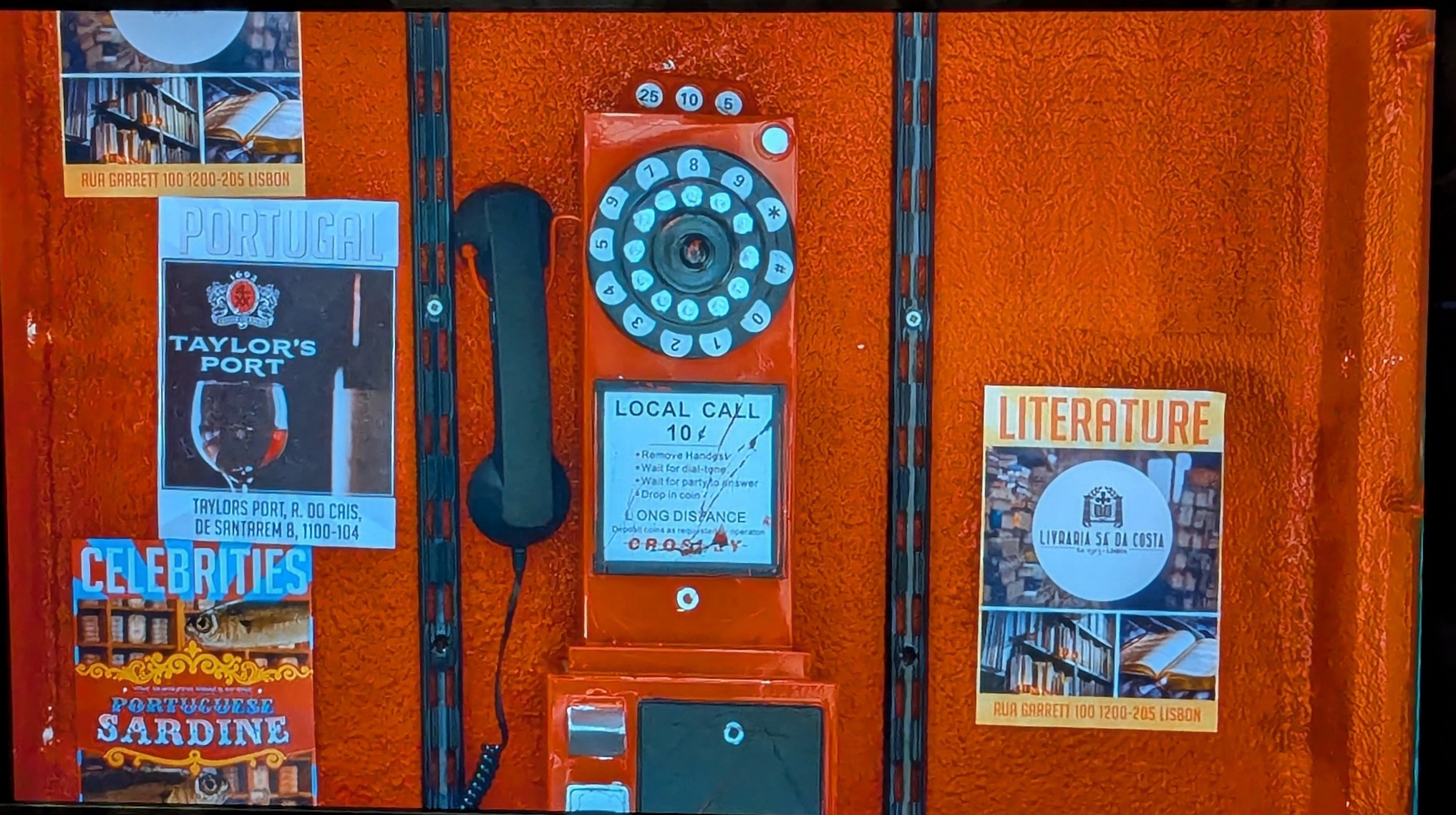
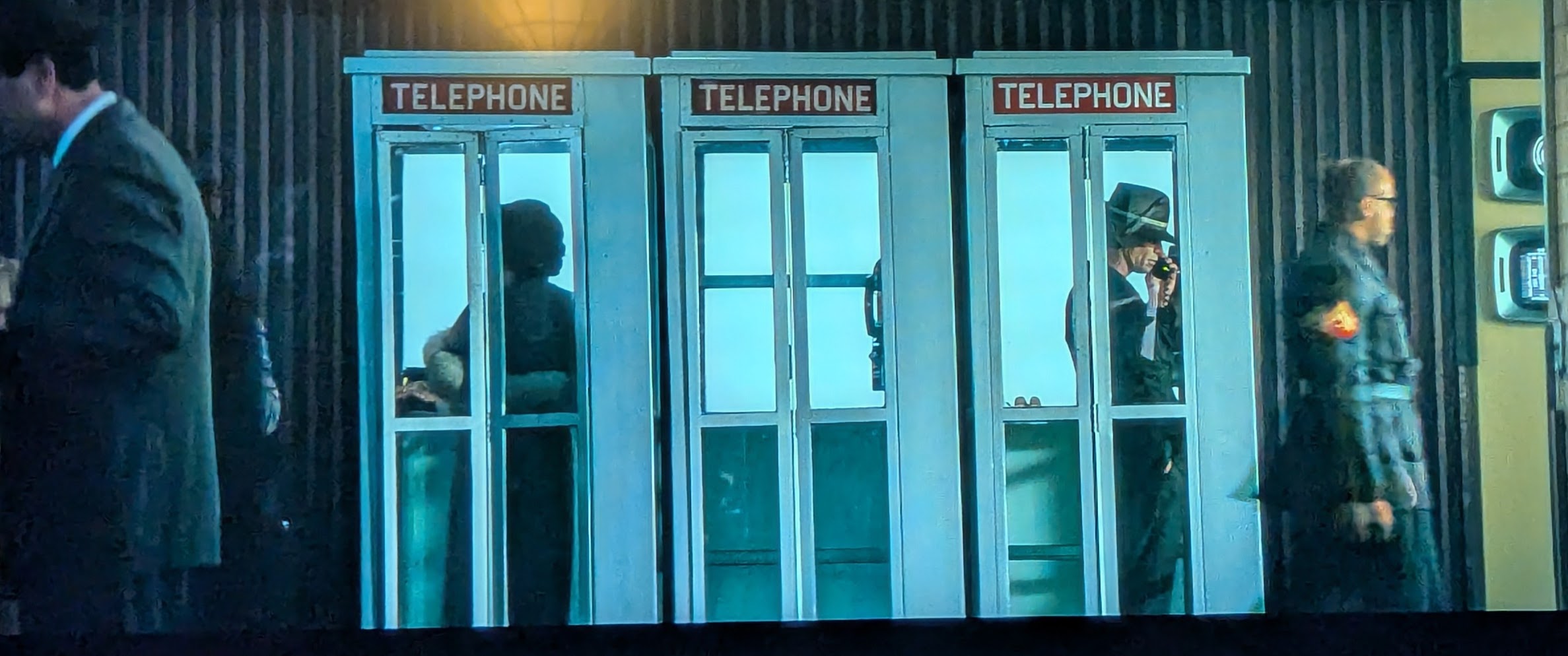
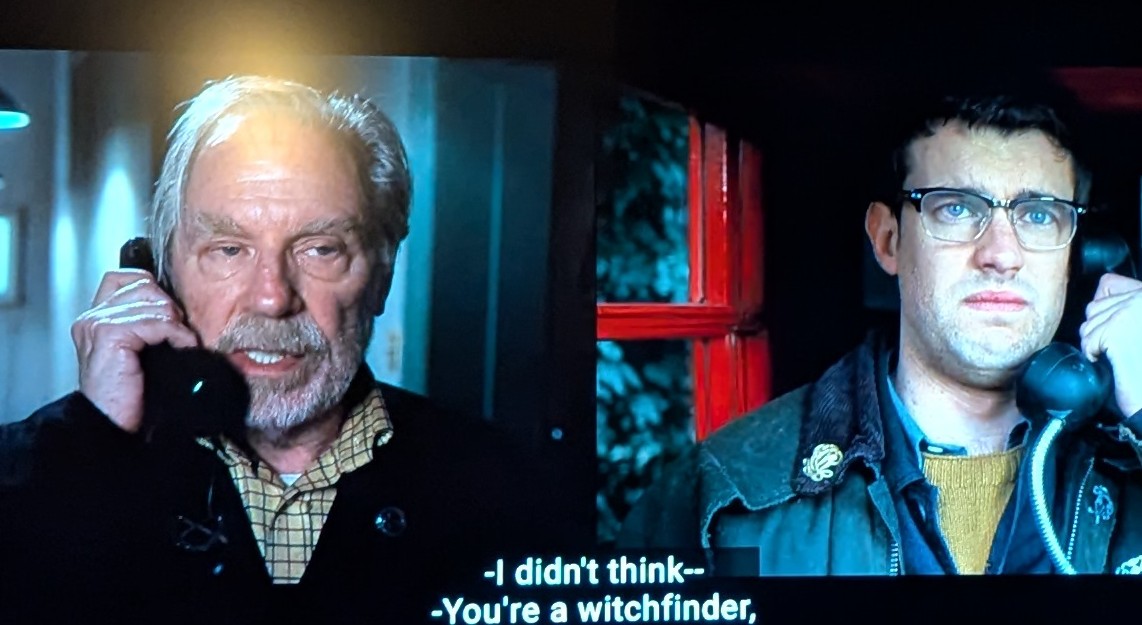
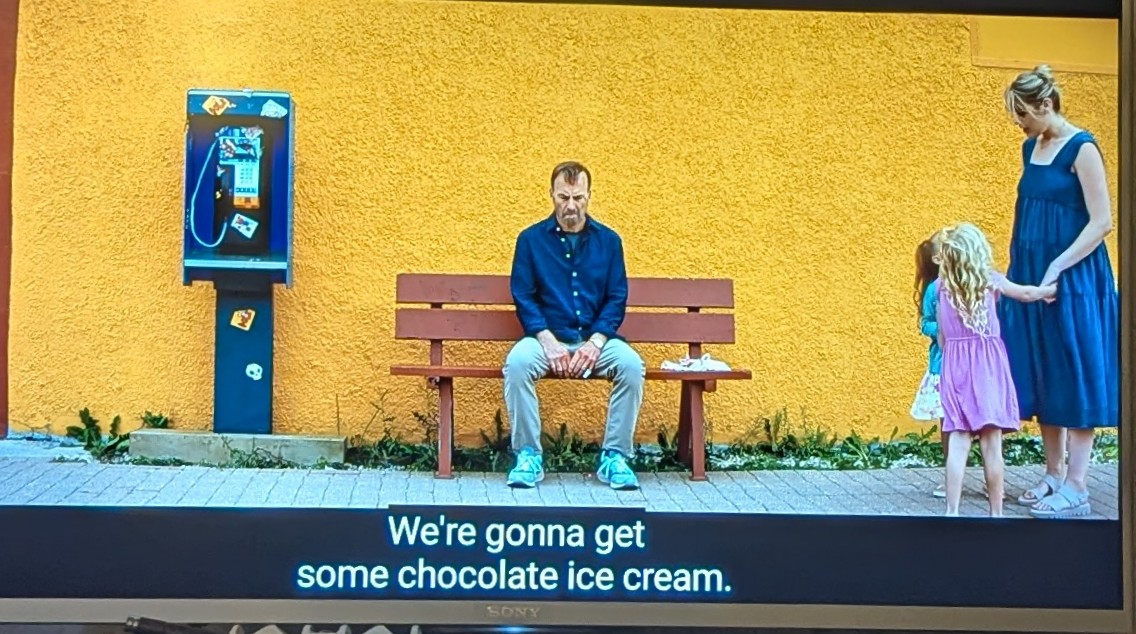
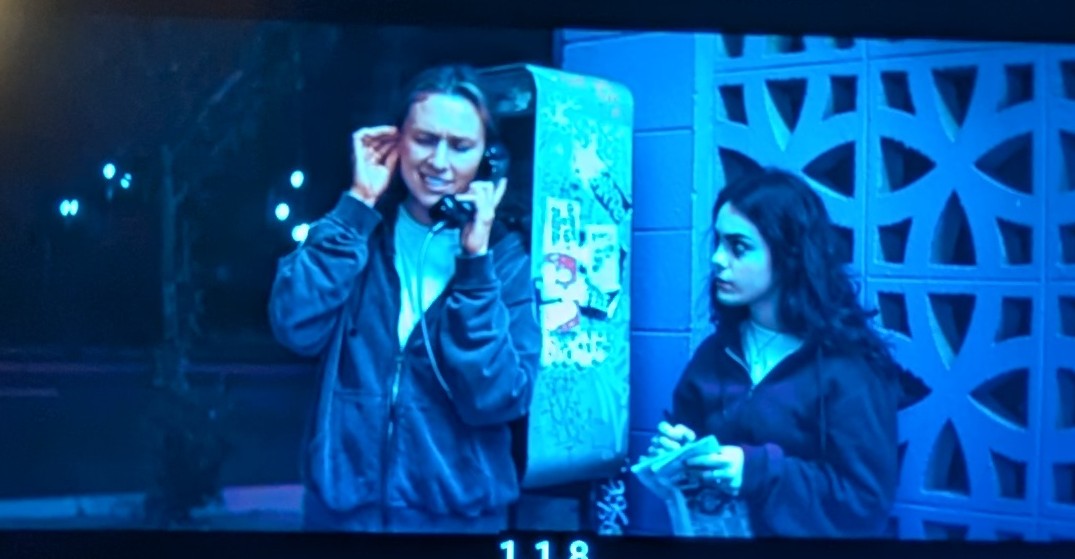
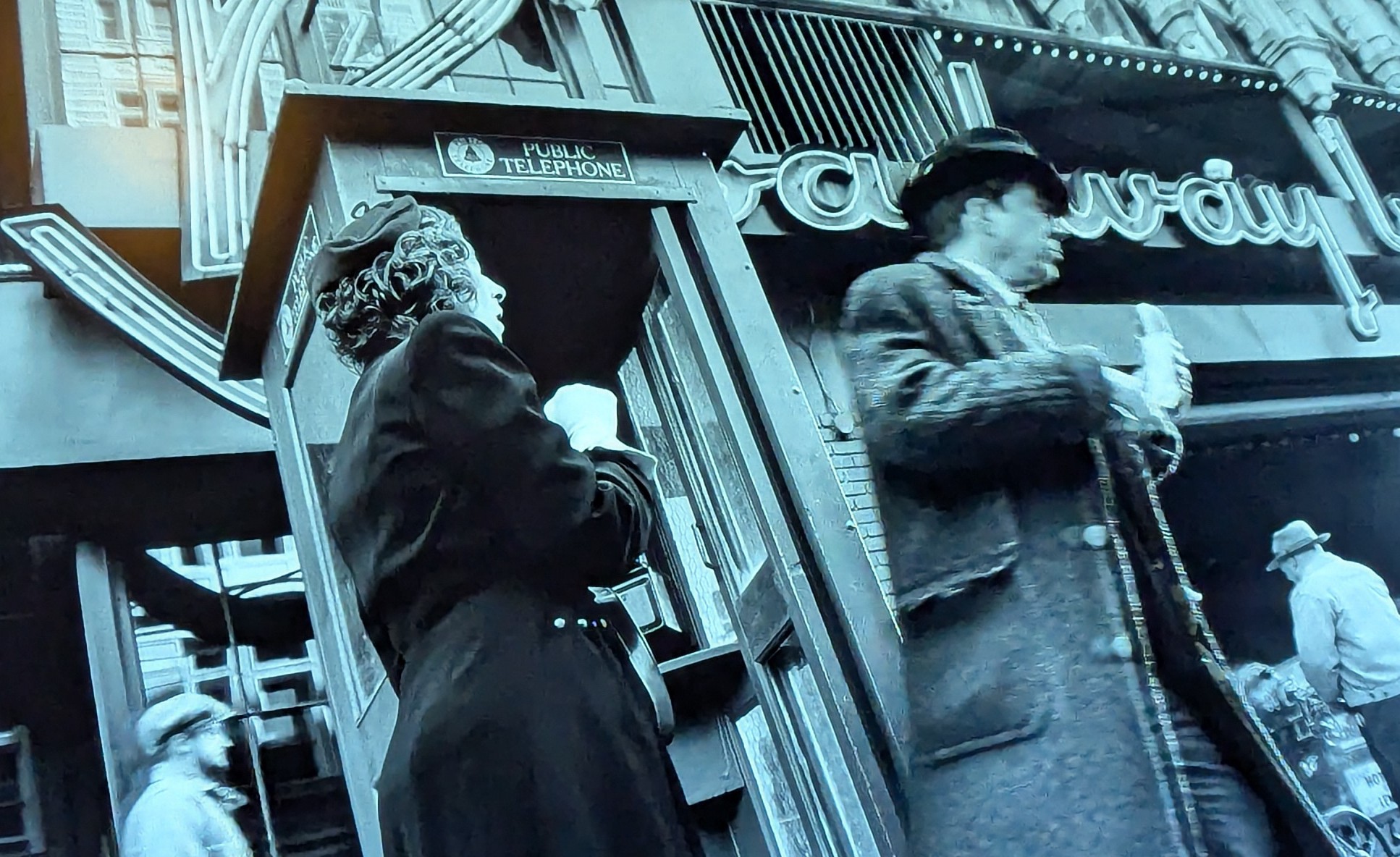
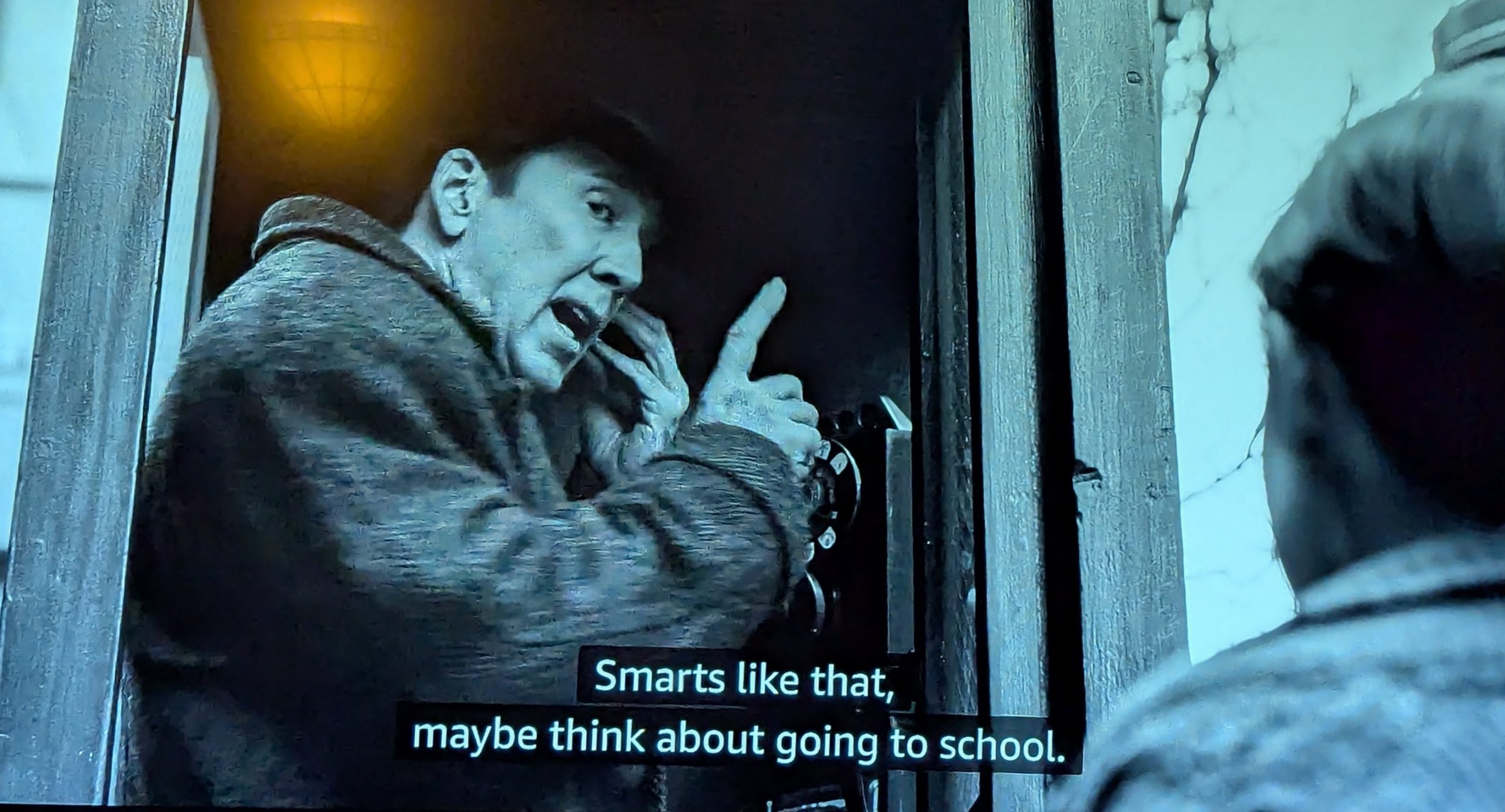
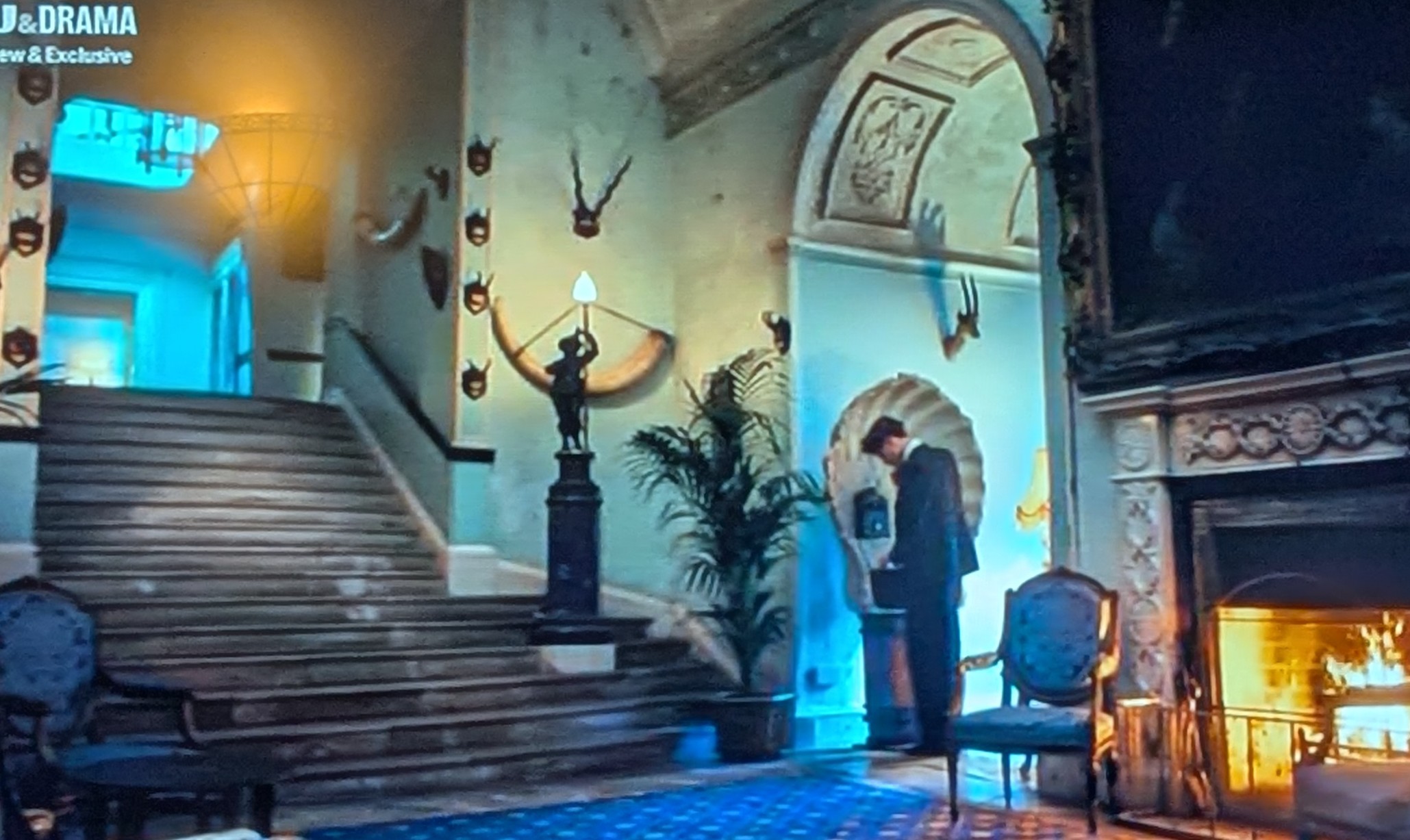
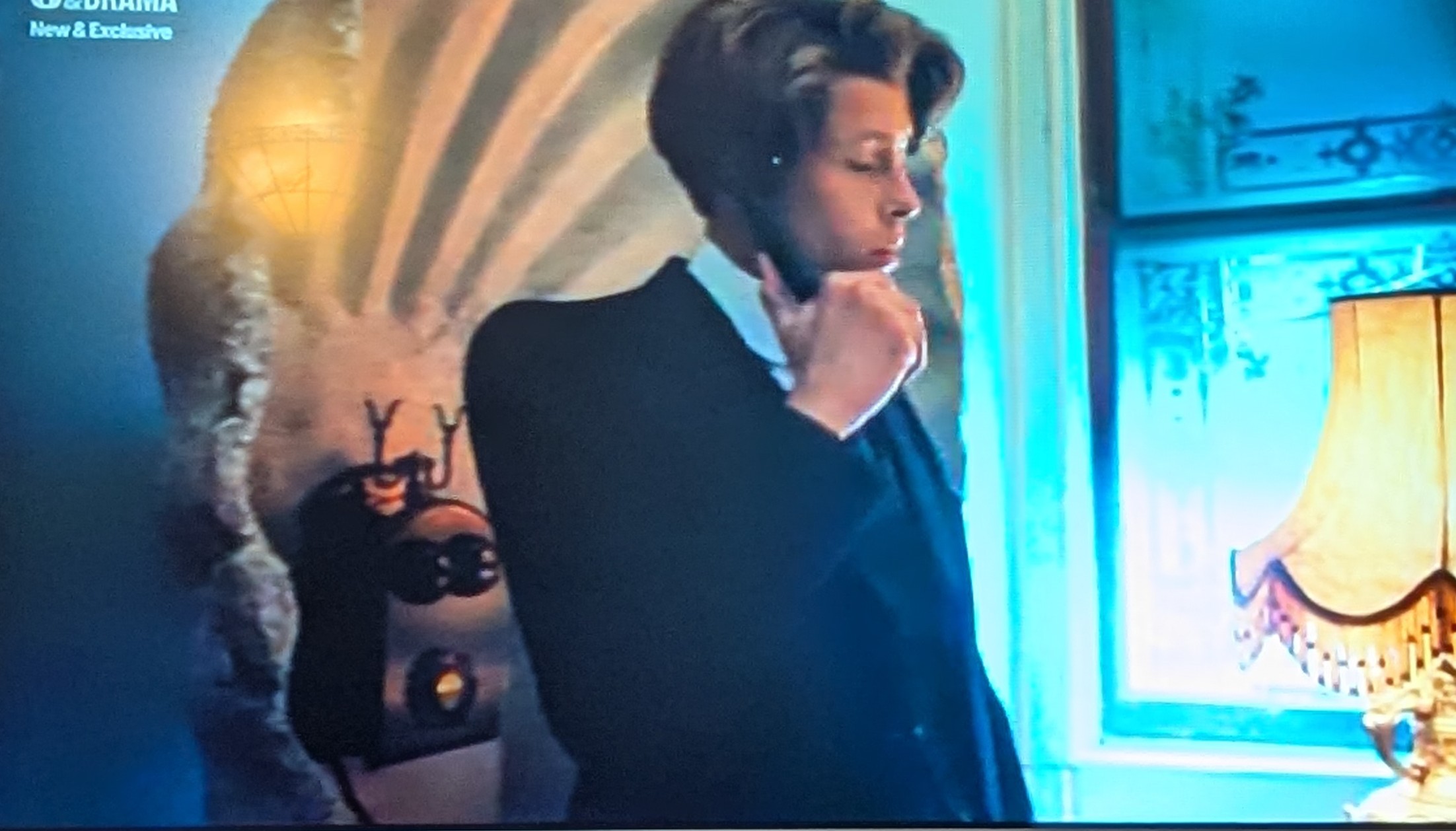
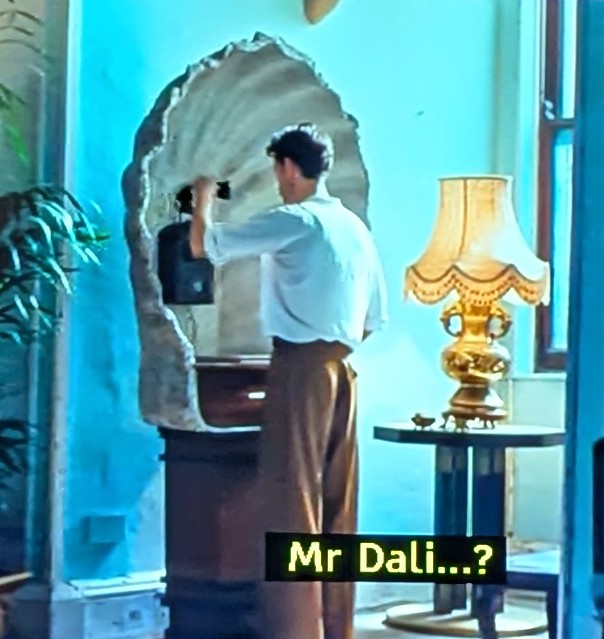
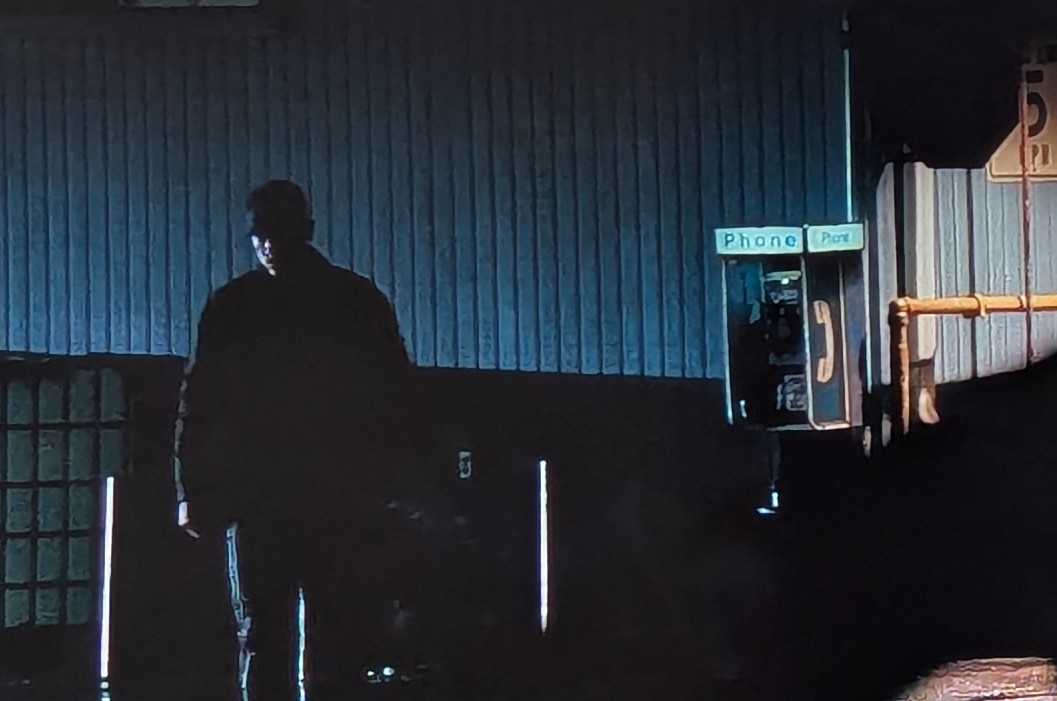
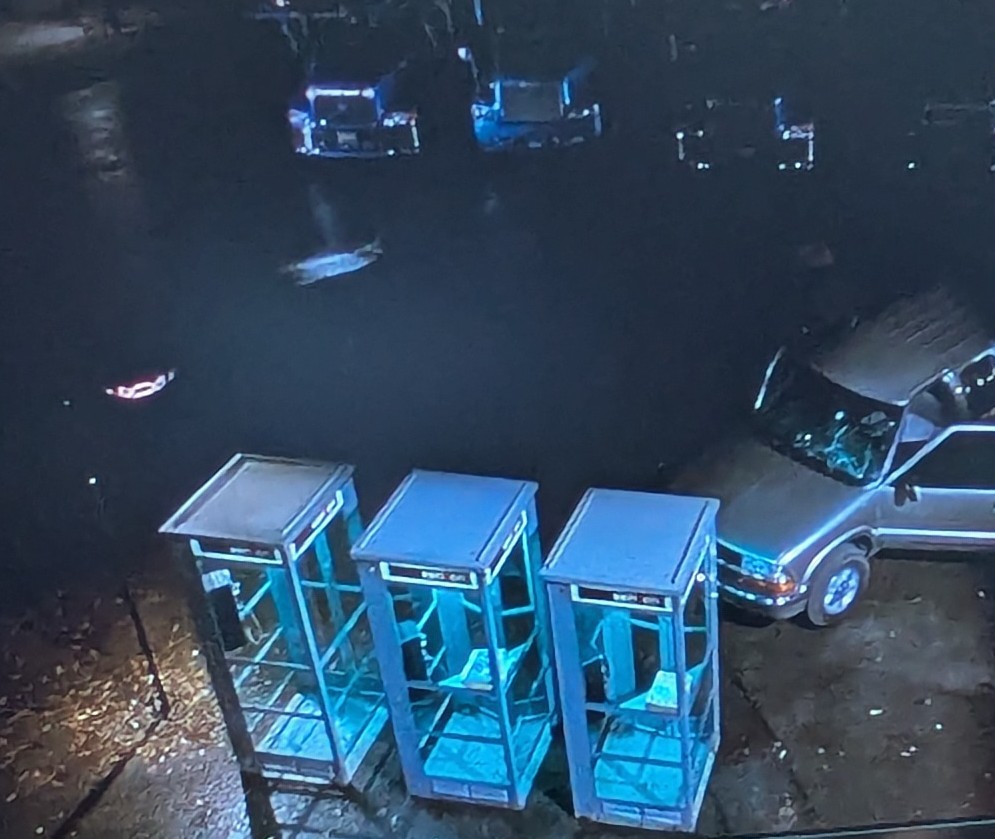
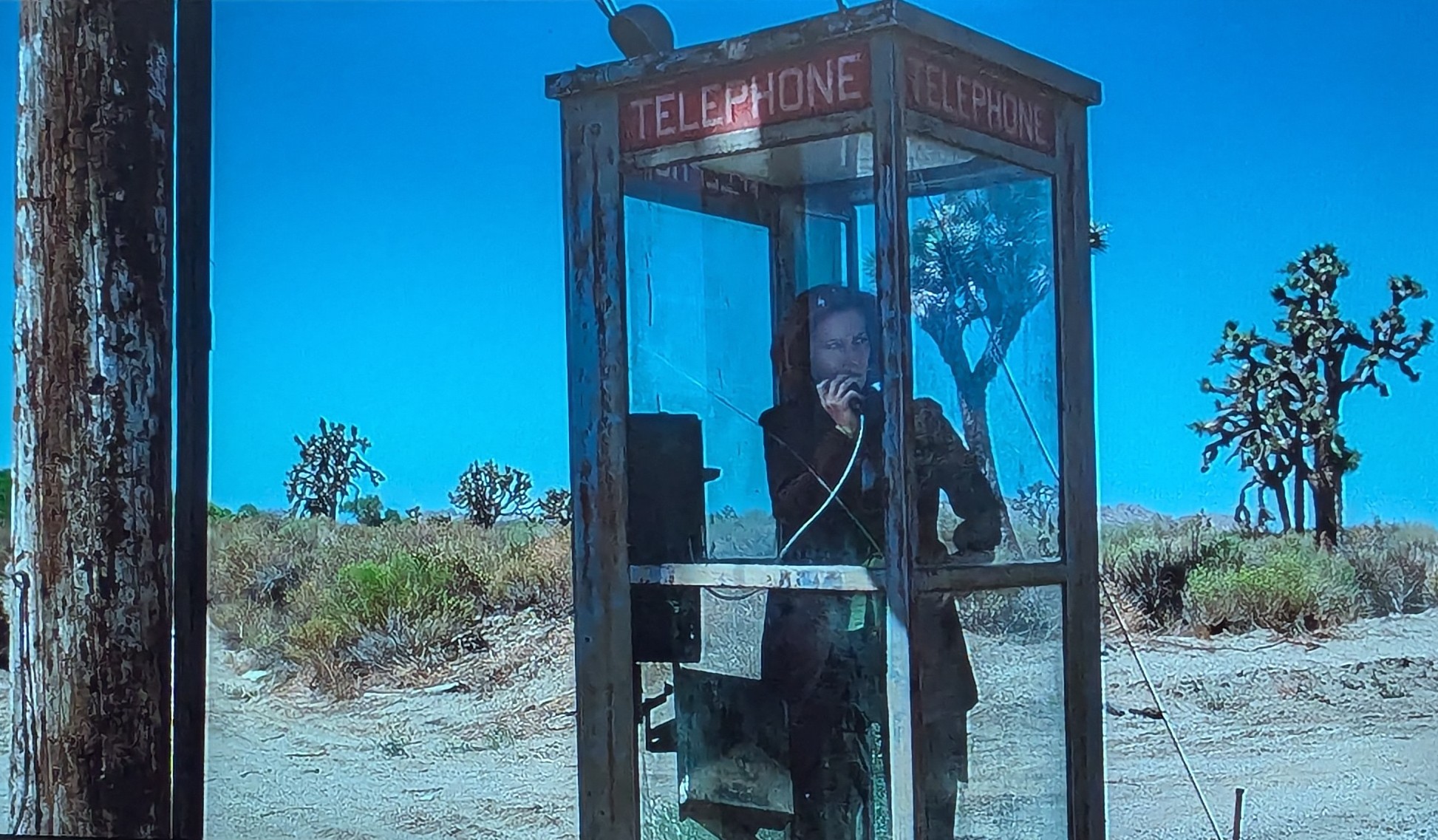
I’ve watched season 1 of the tv series Anne Rice’s Talamasca’ and the iconic red UK phone box plays a big role as part of the drop box system:
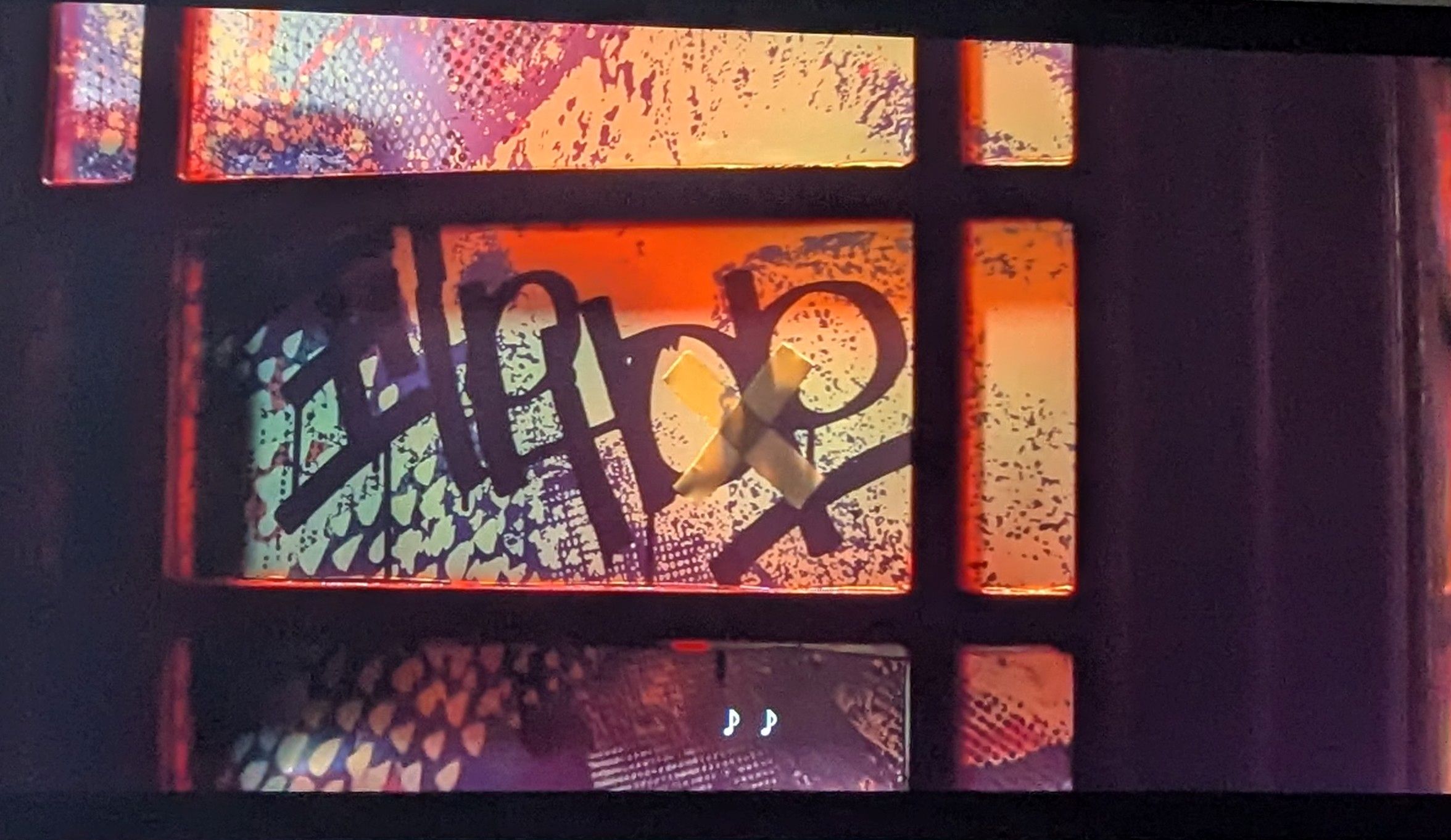
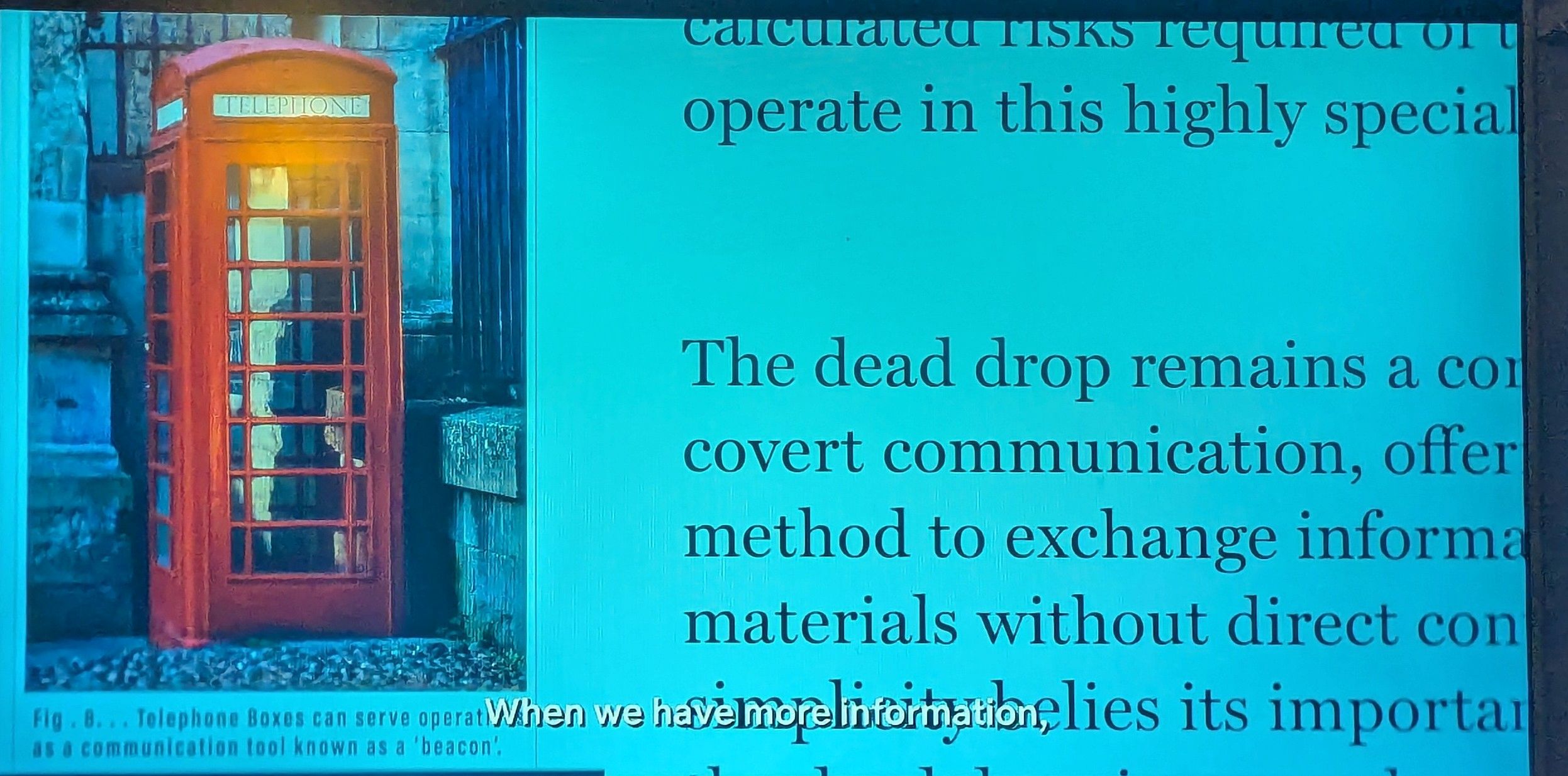
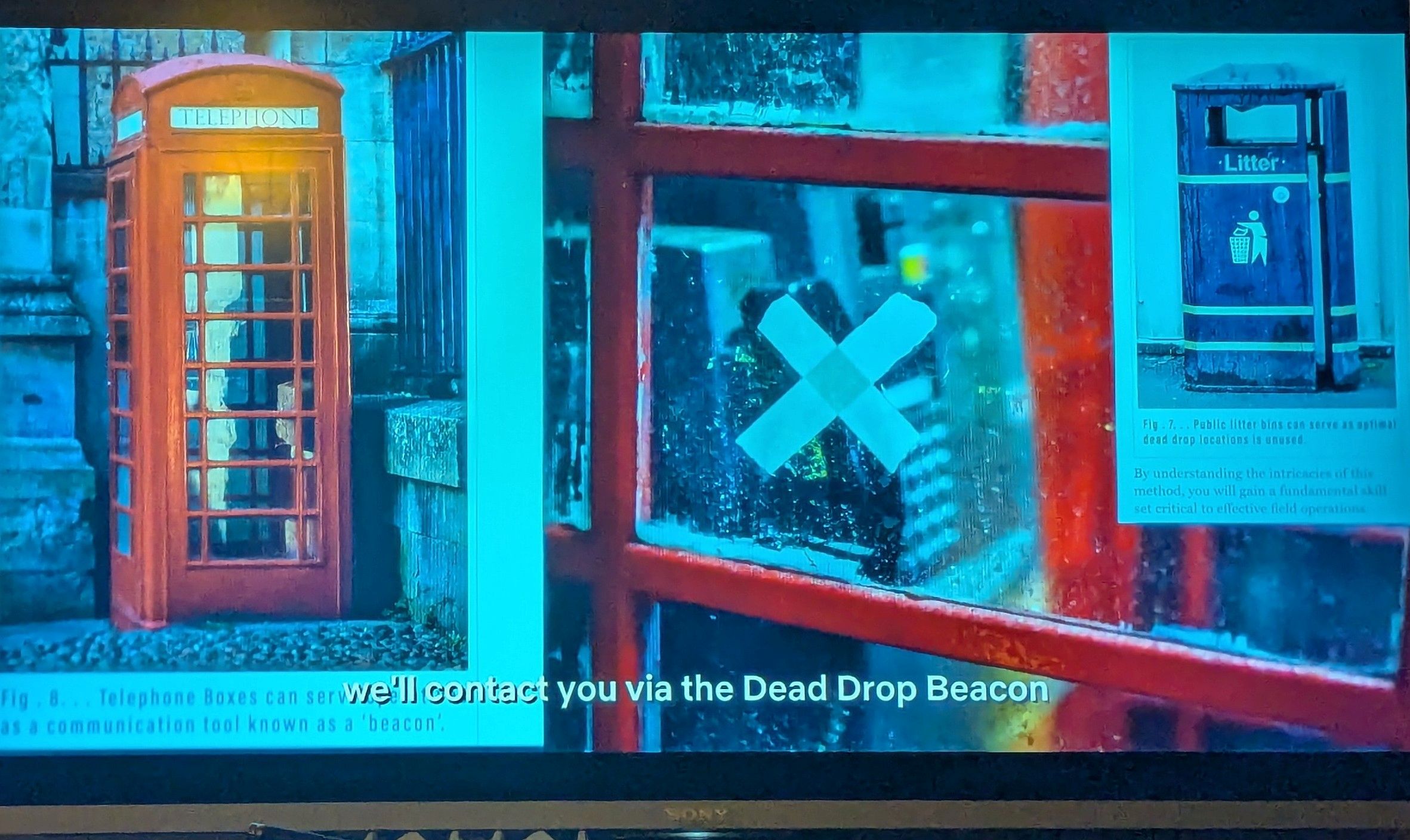
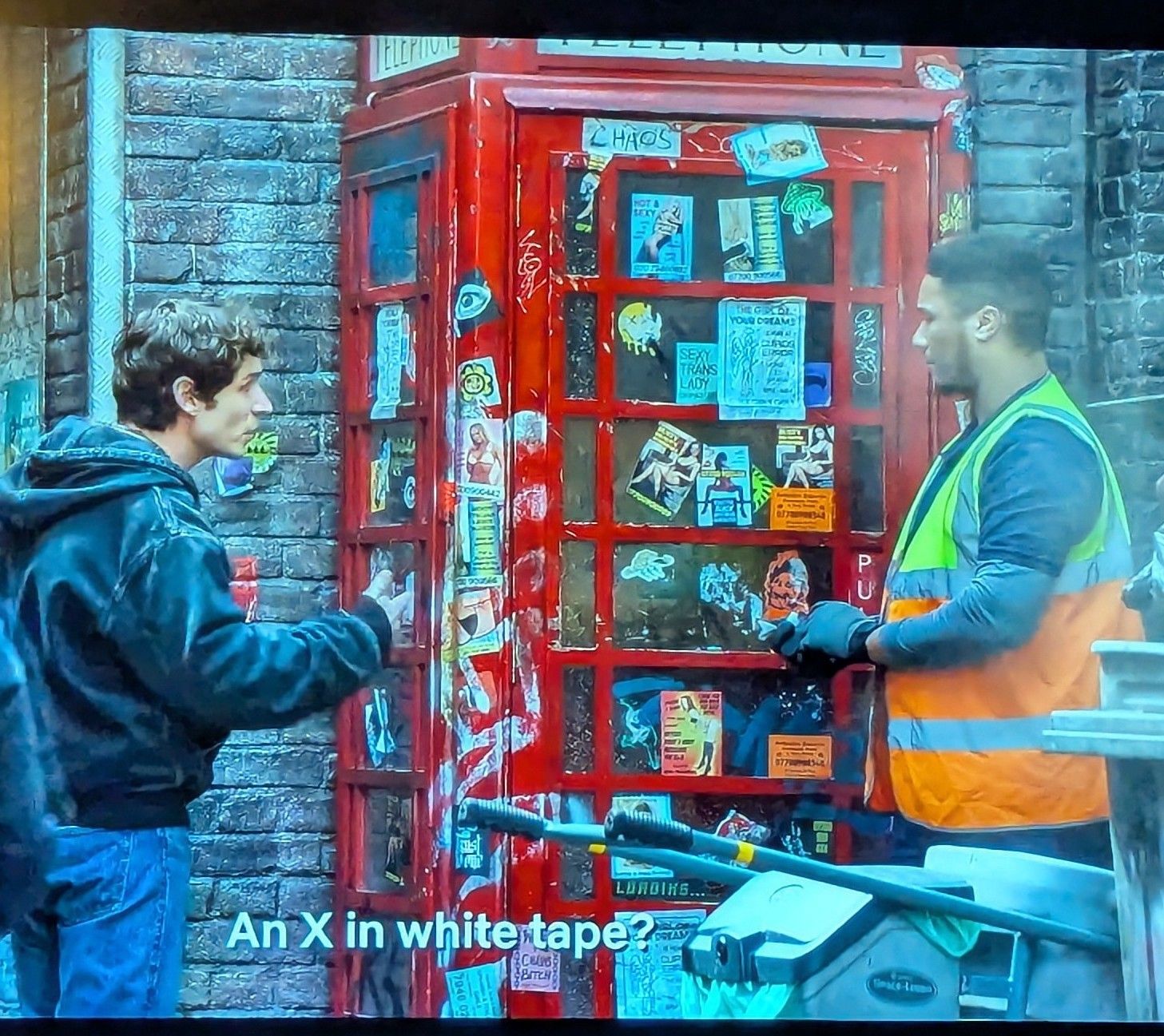
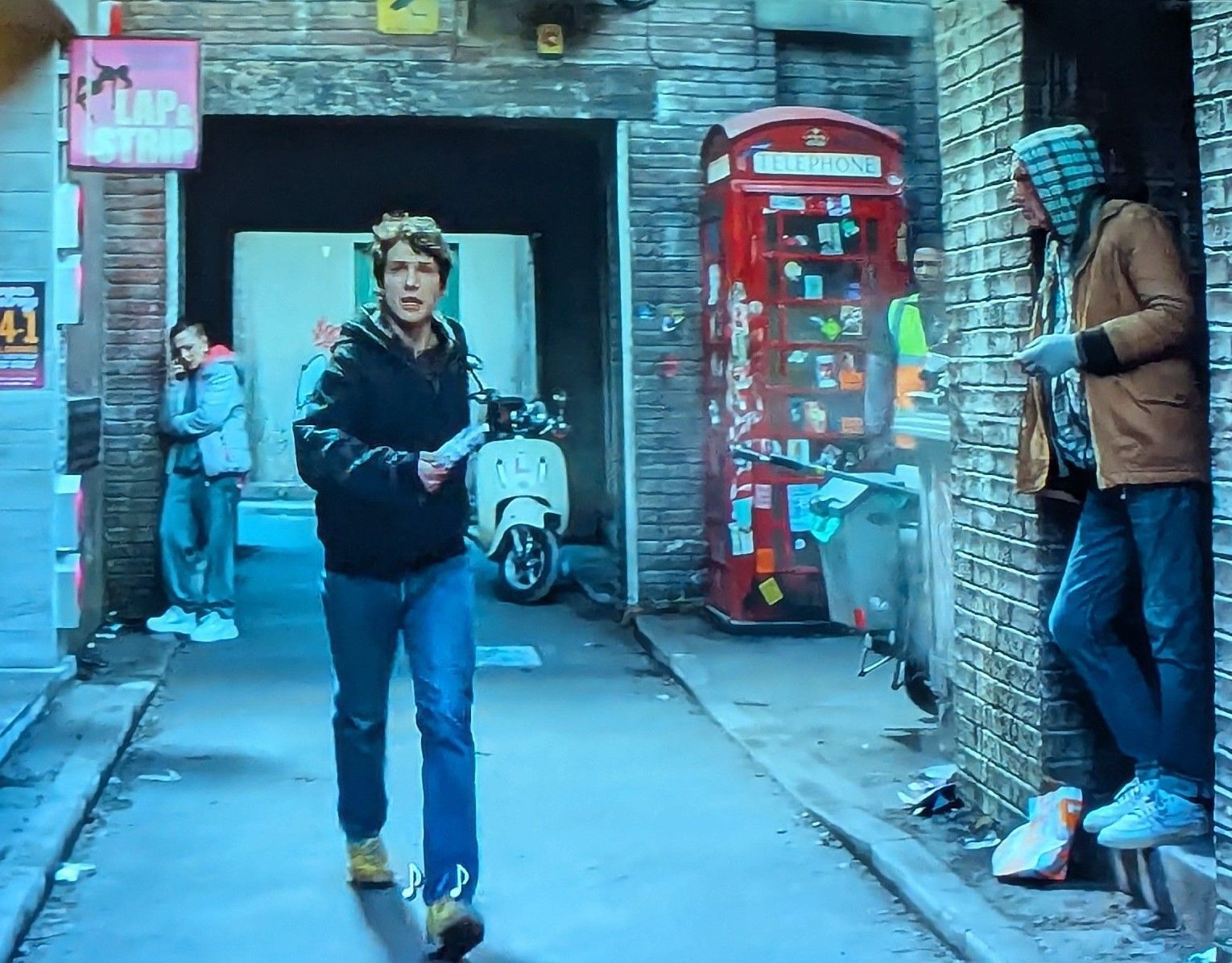
I haven’t come across many phone boxes lately so just two locations this time.
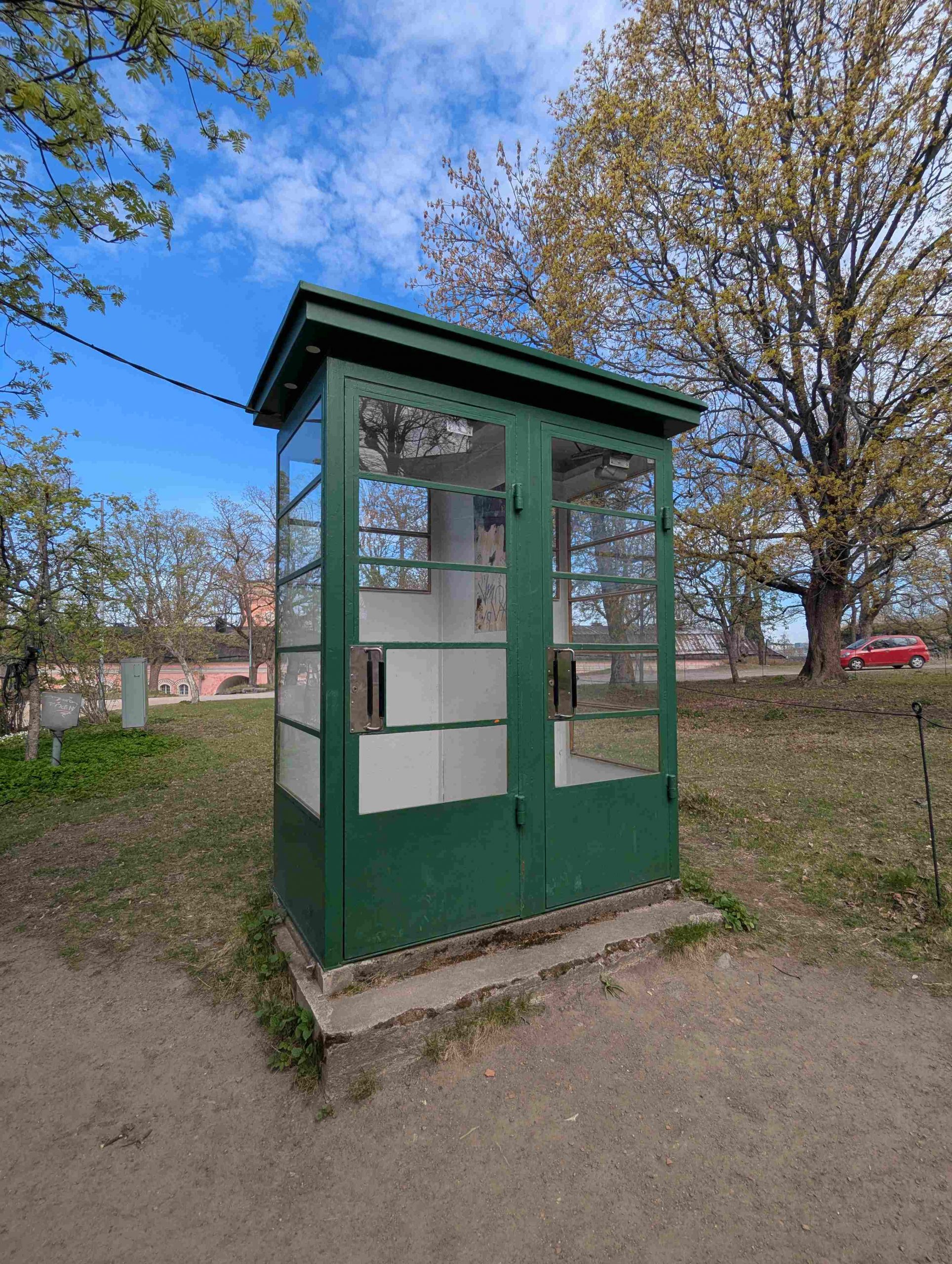
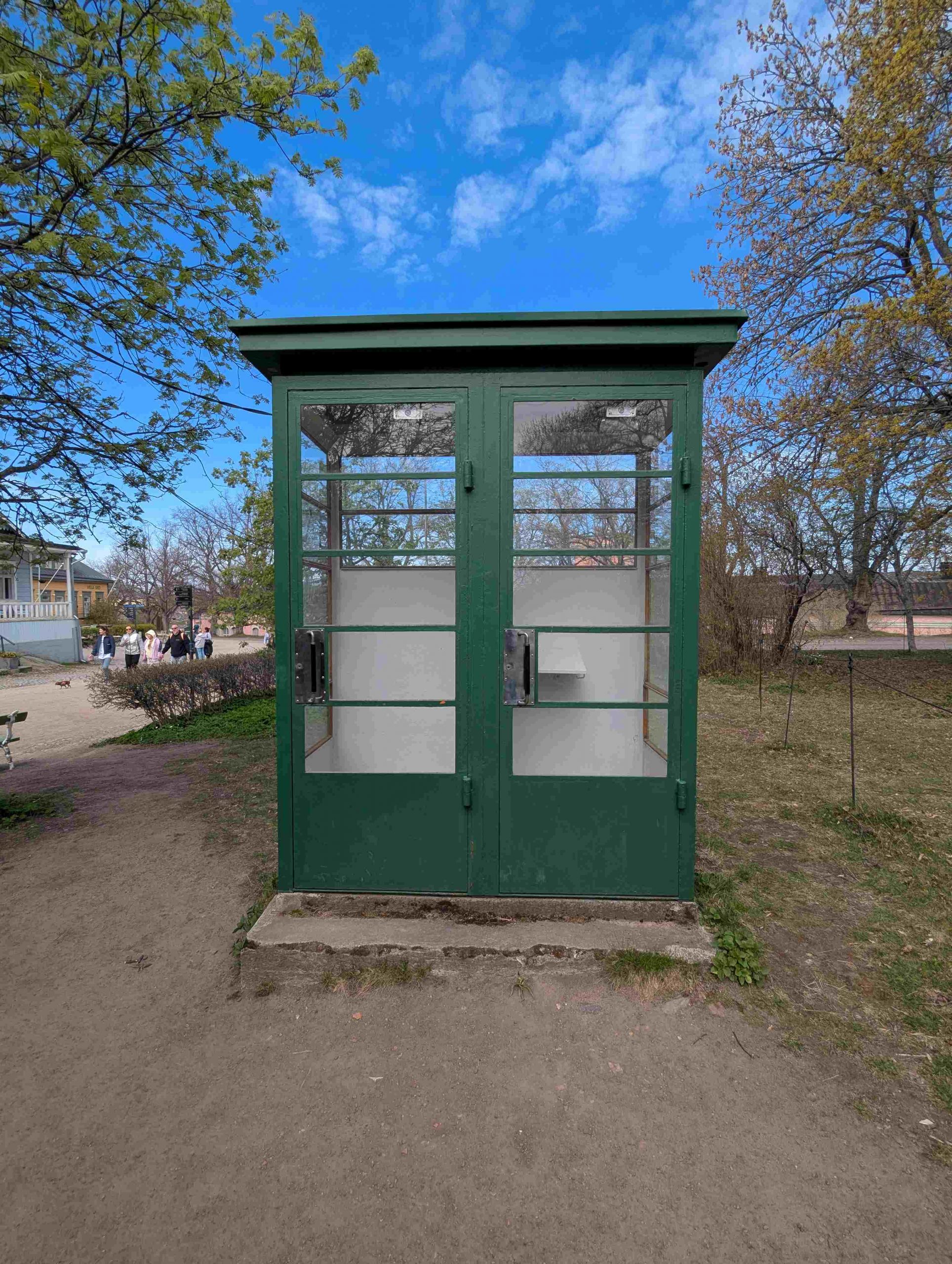
I spent a few days in Helsinki and Tallinn and this was the only phone box I came across. Both countries are strongly digitial orientated so that may explain it. This UNESCO island is a sea fort and the phone box was last used in the 1970s (I think).
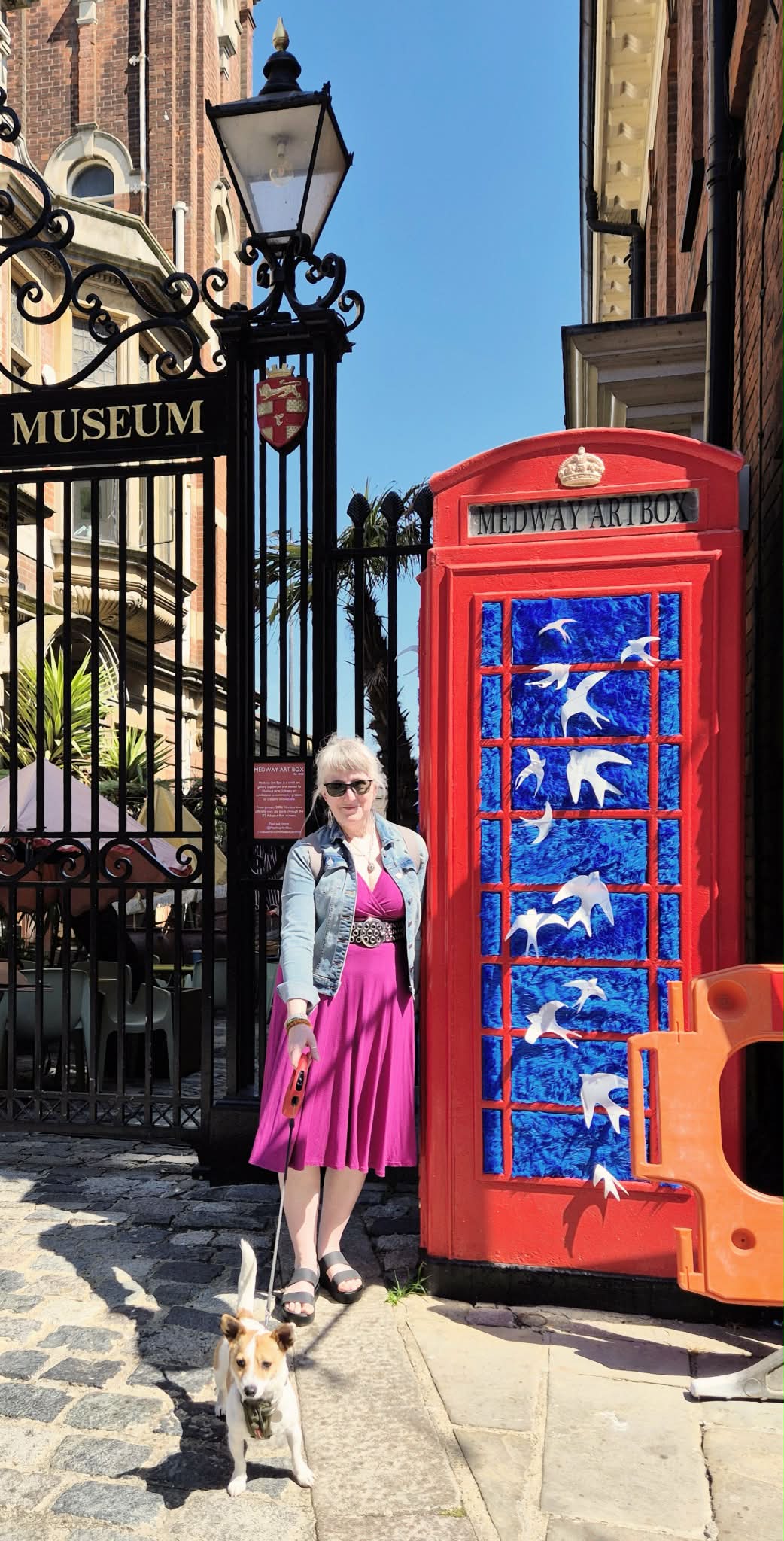
This is me, with my dog Biscuit, at the Rochester Sweeps Festival a few weeks ago.
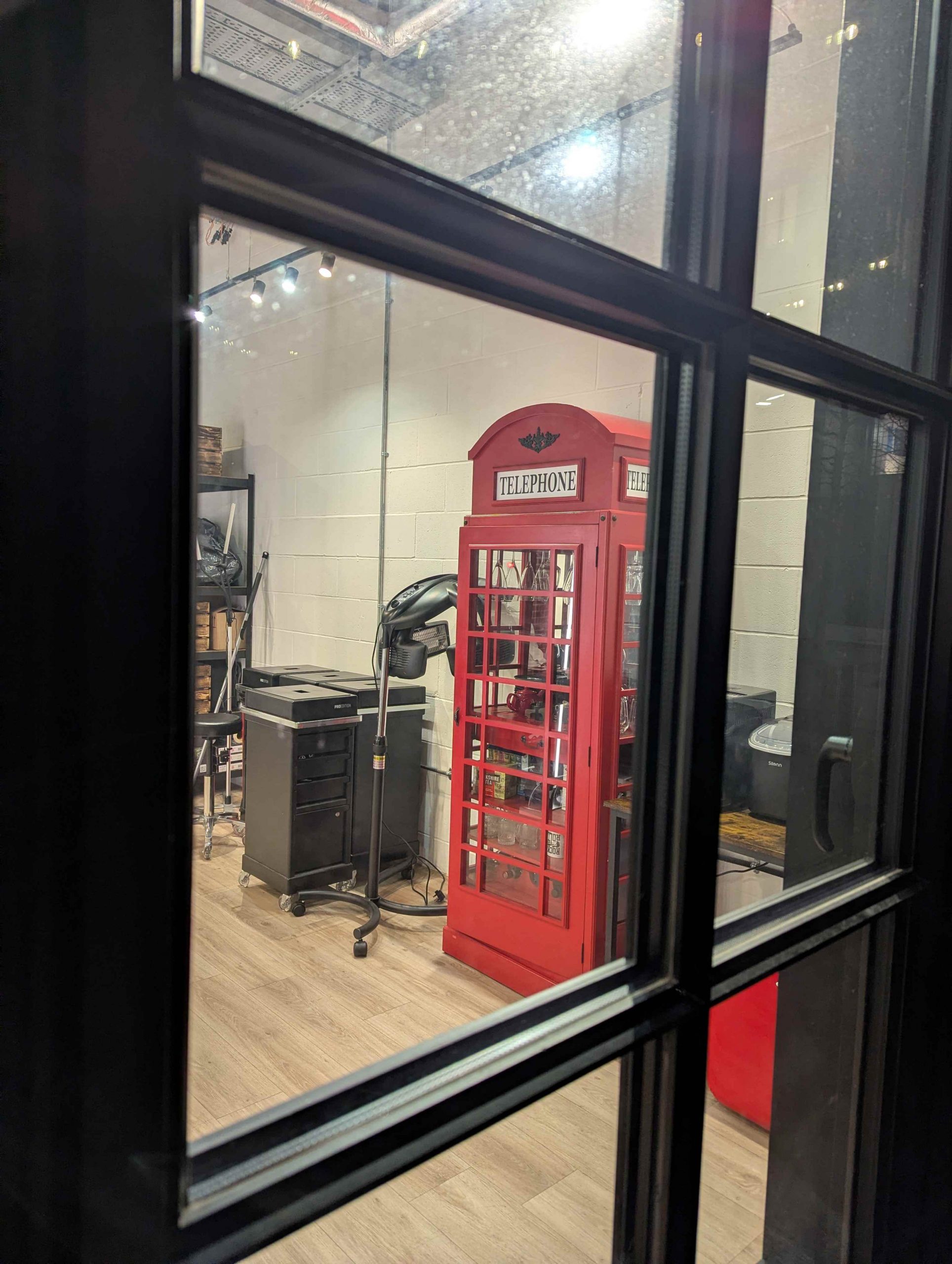
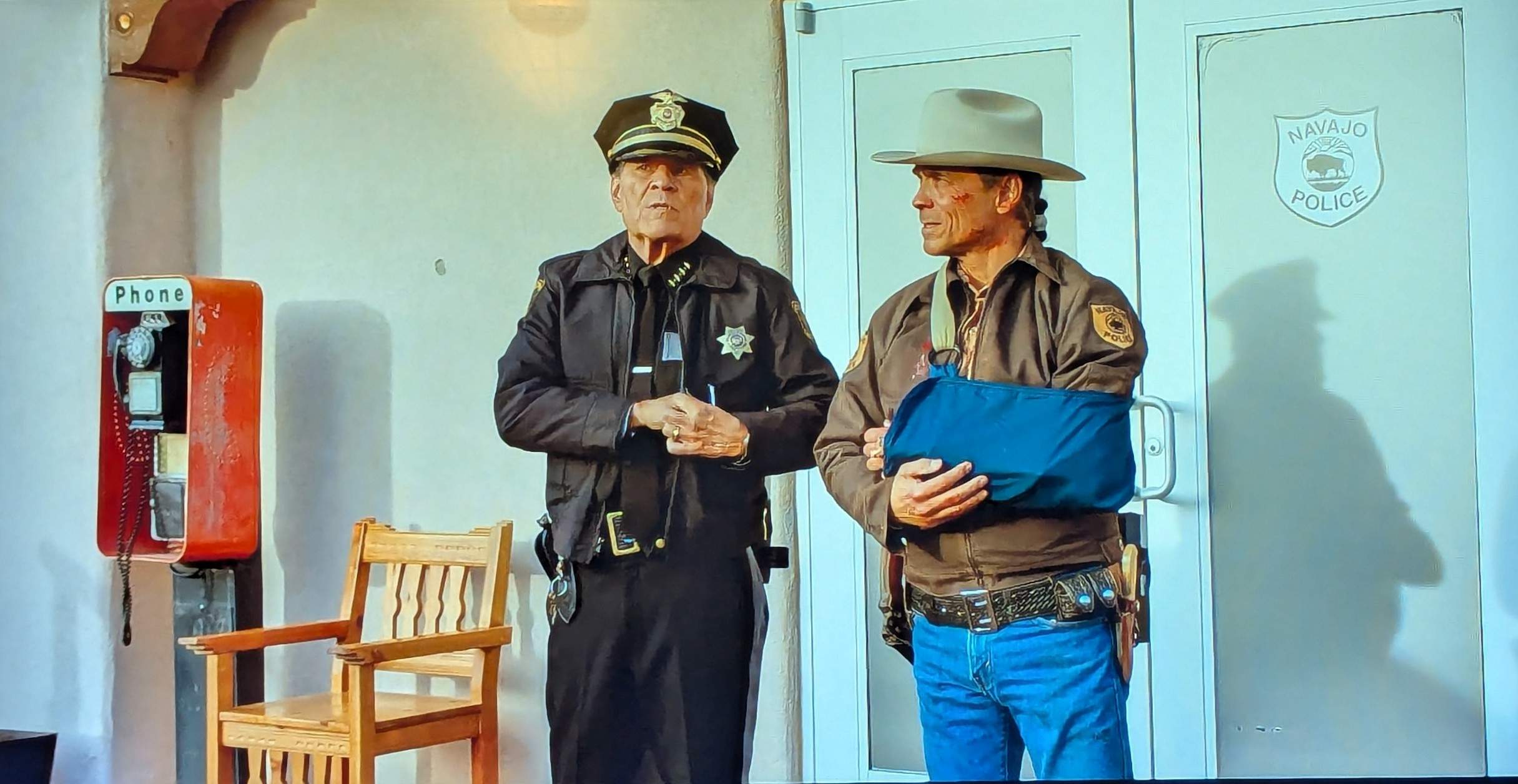
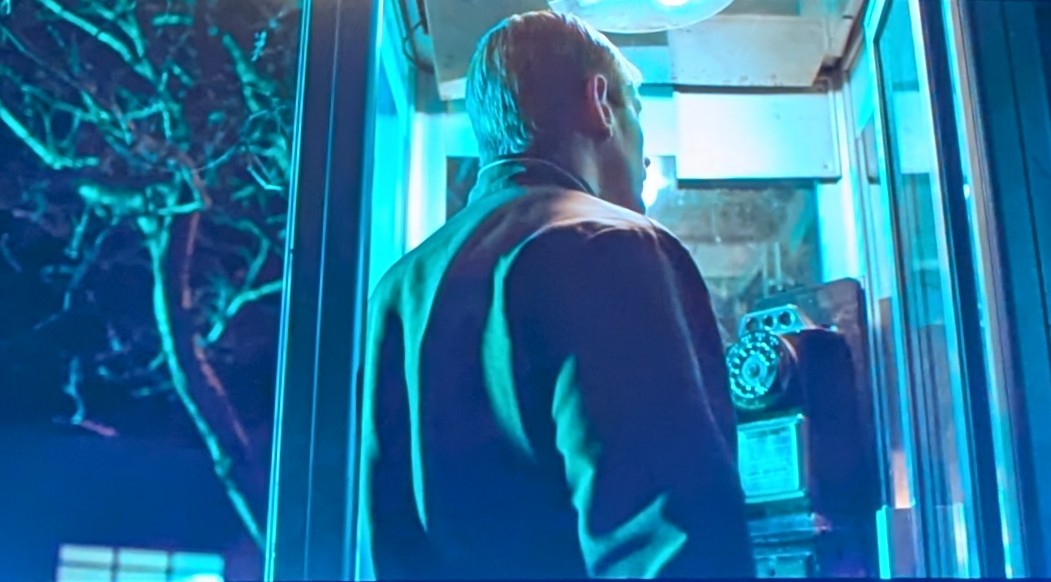
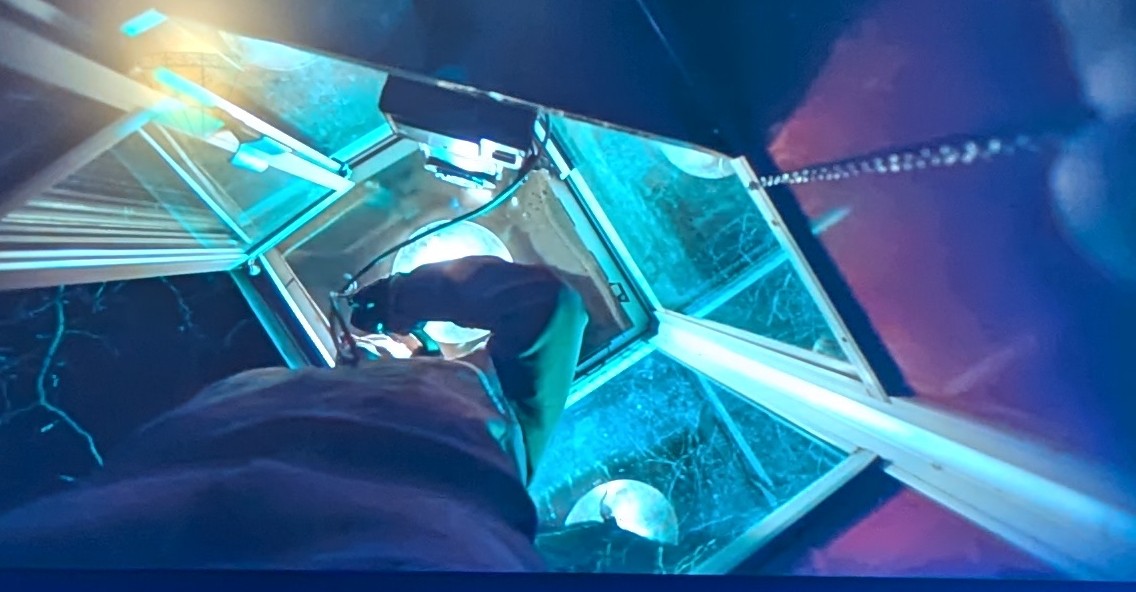
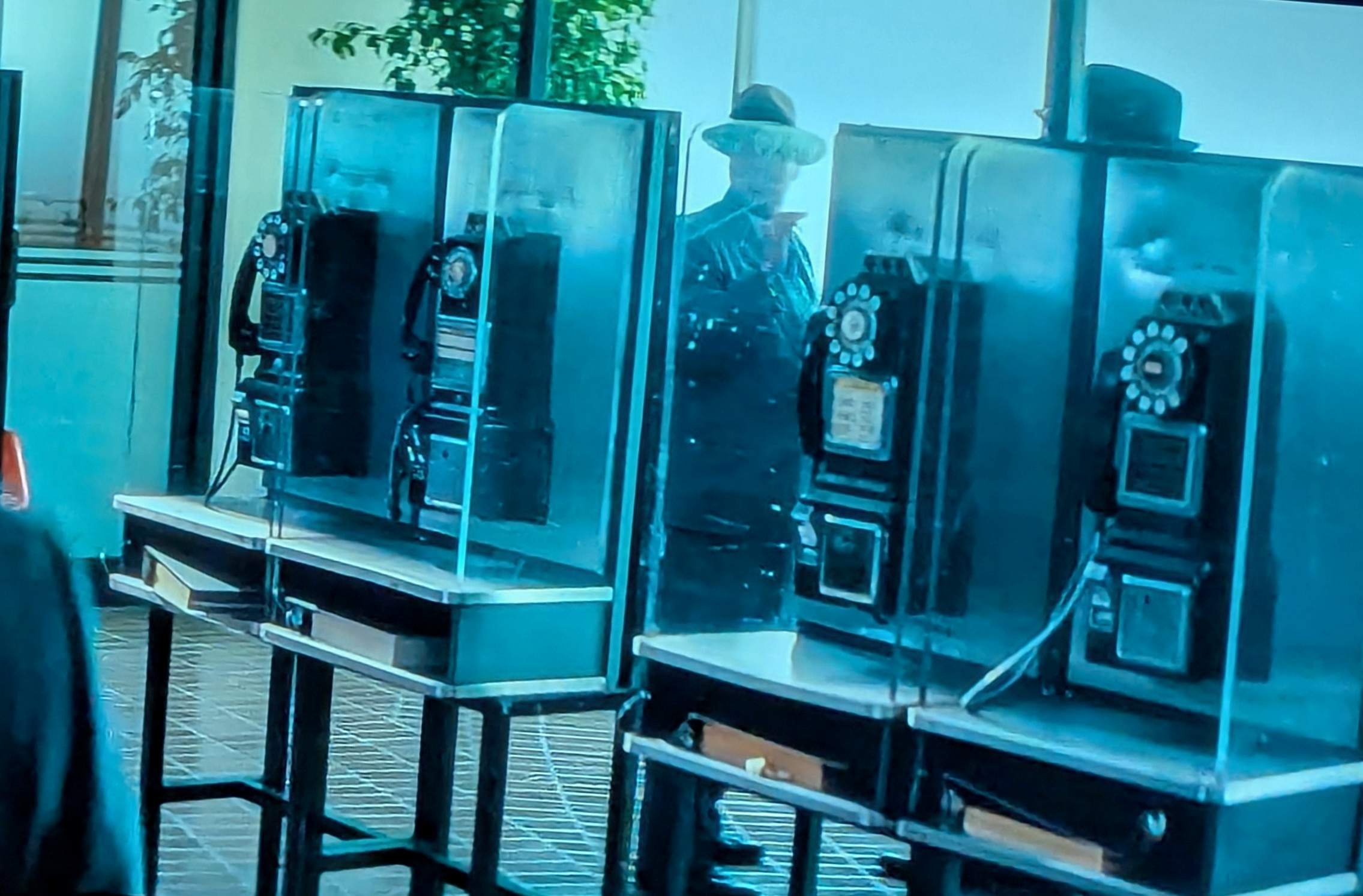
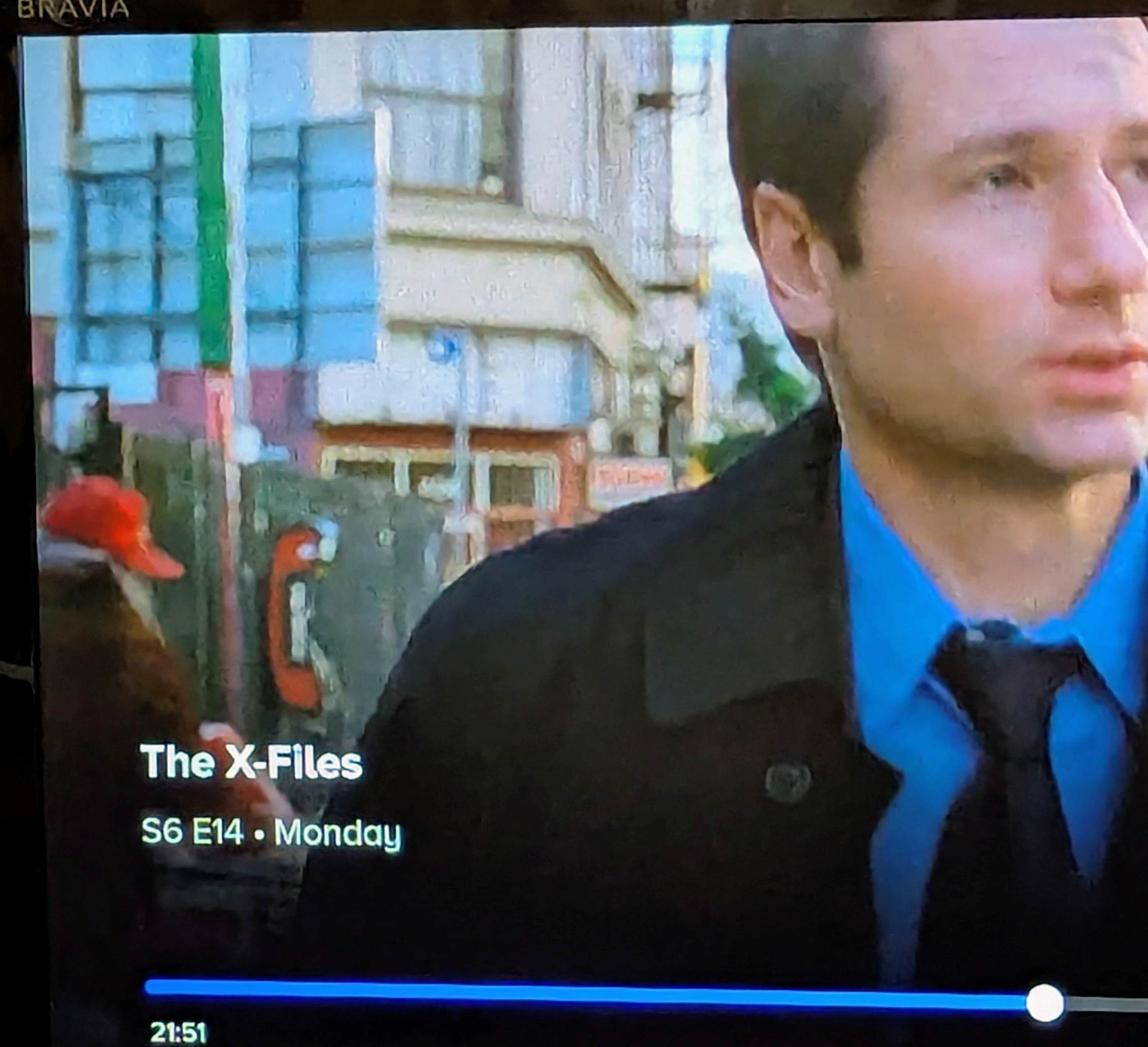
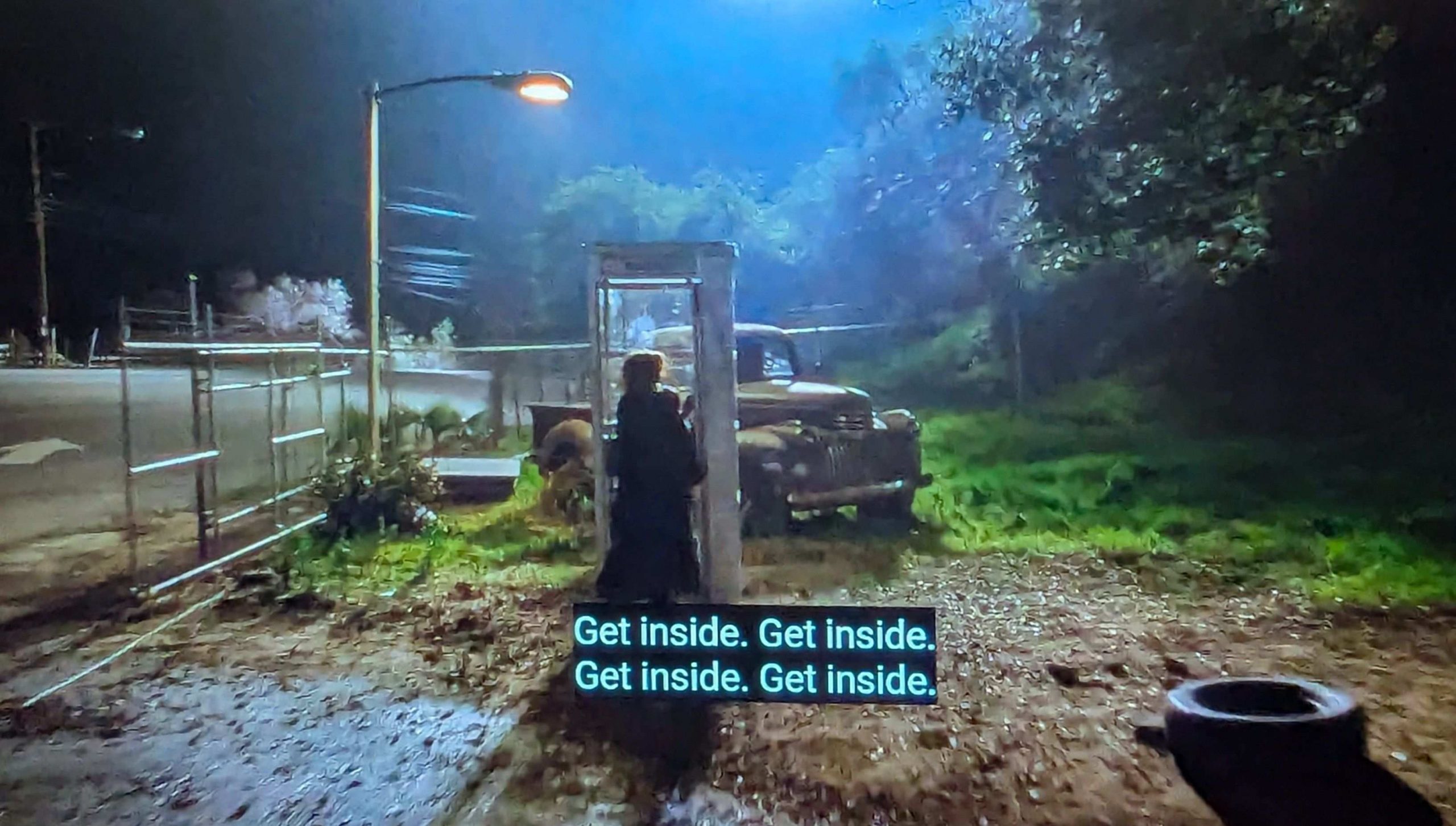
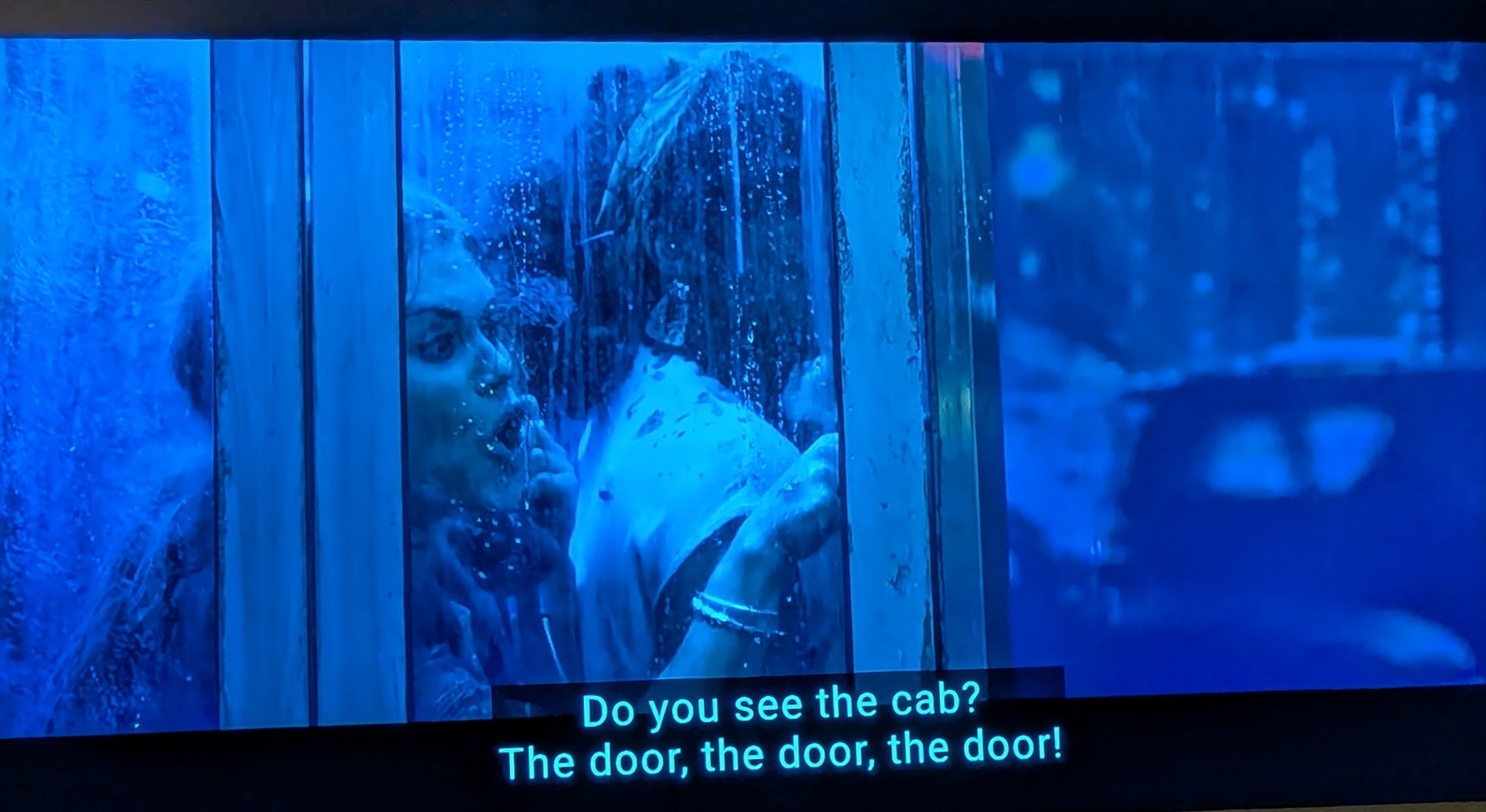
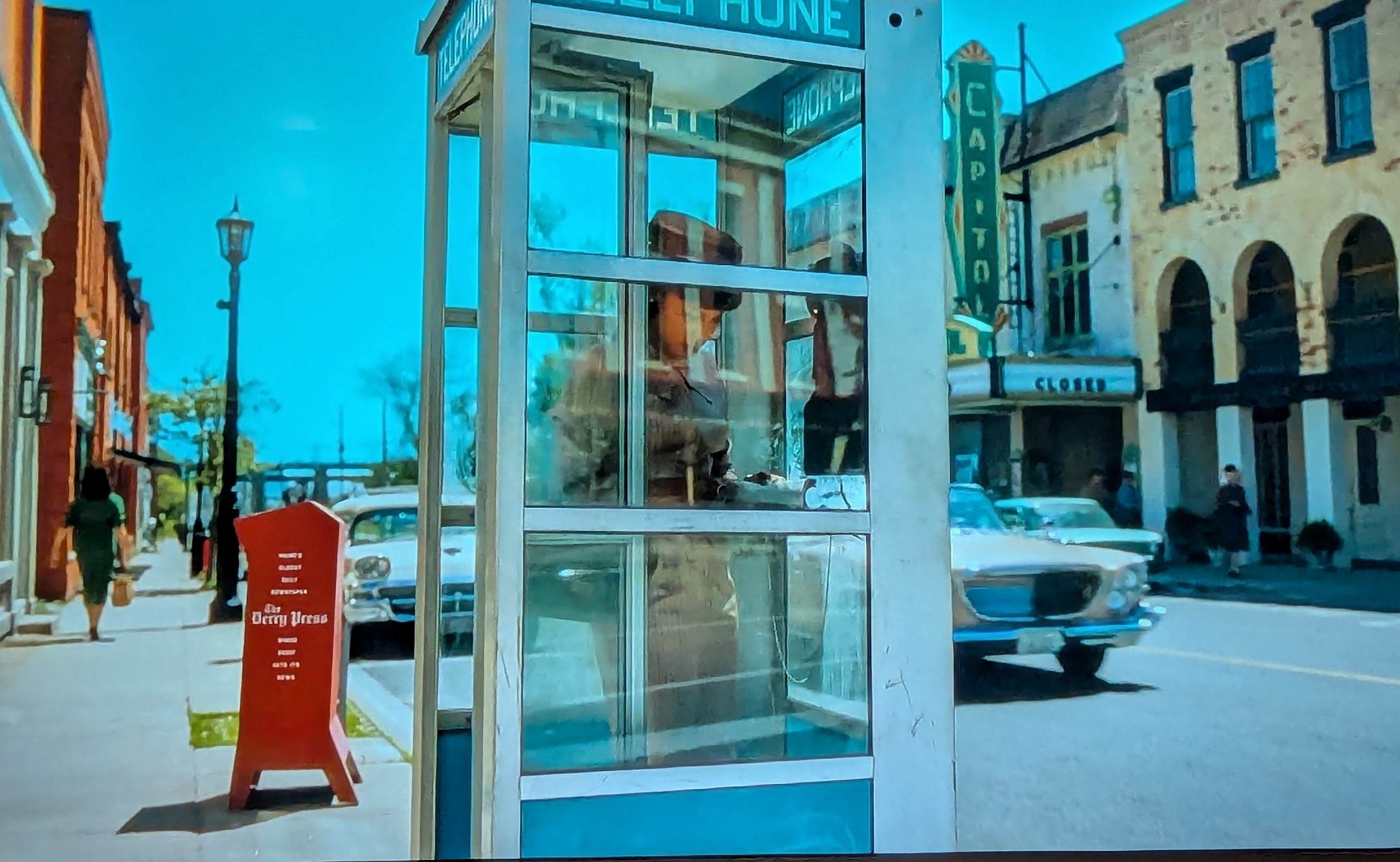
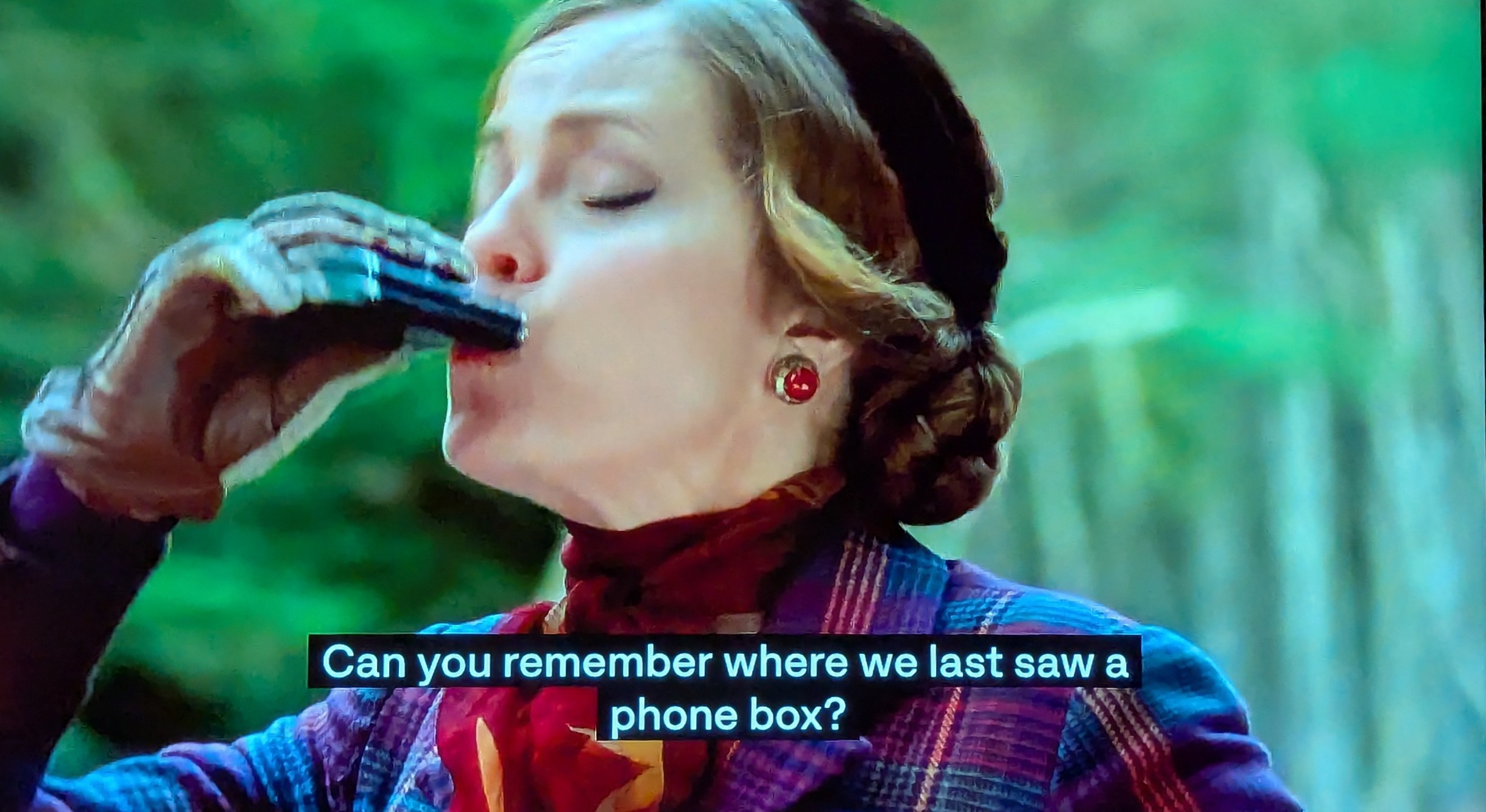
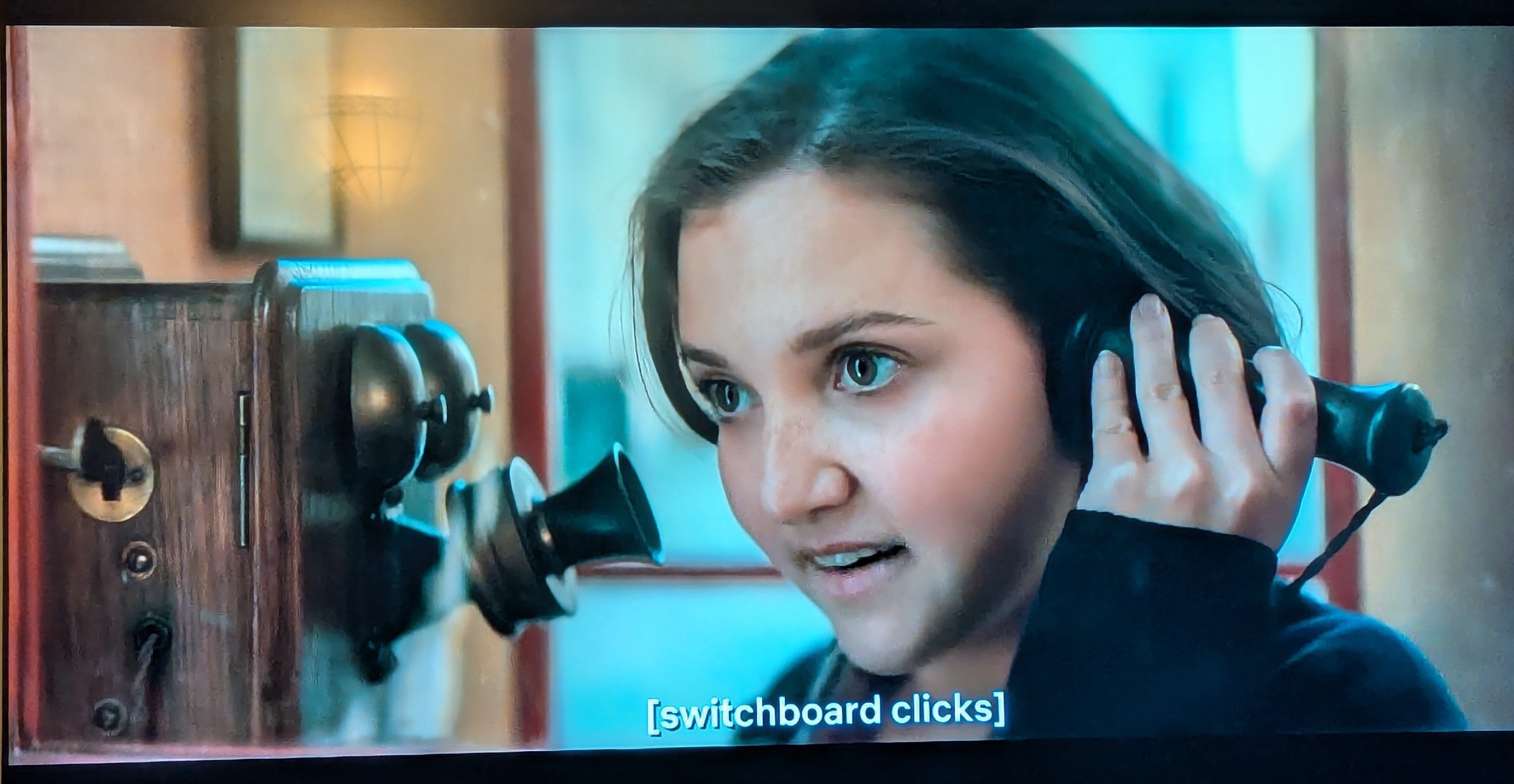
You can rely on an Agatha Christie production to have a telephone scene.
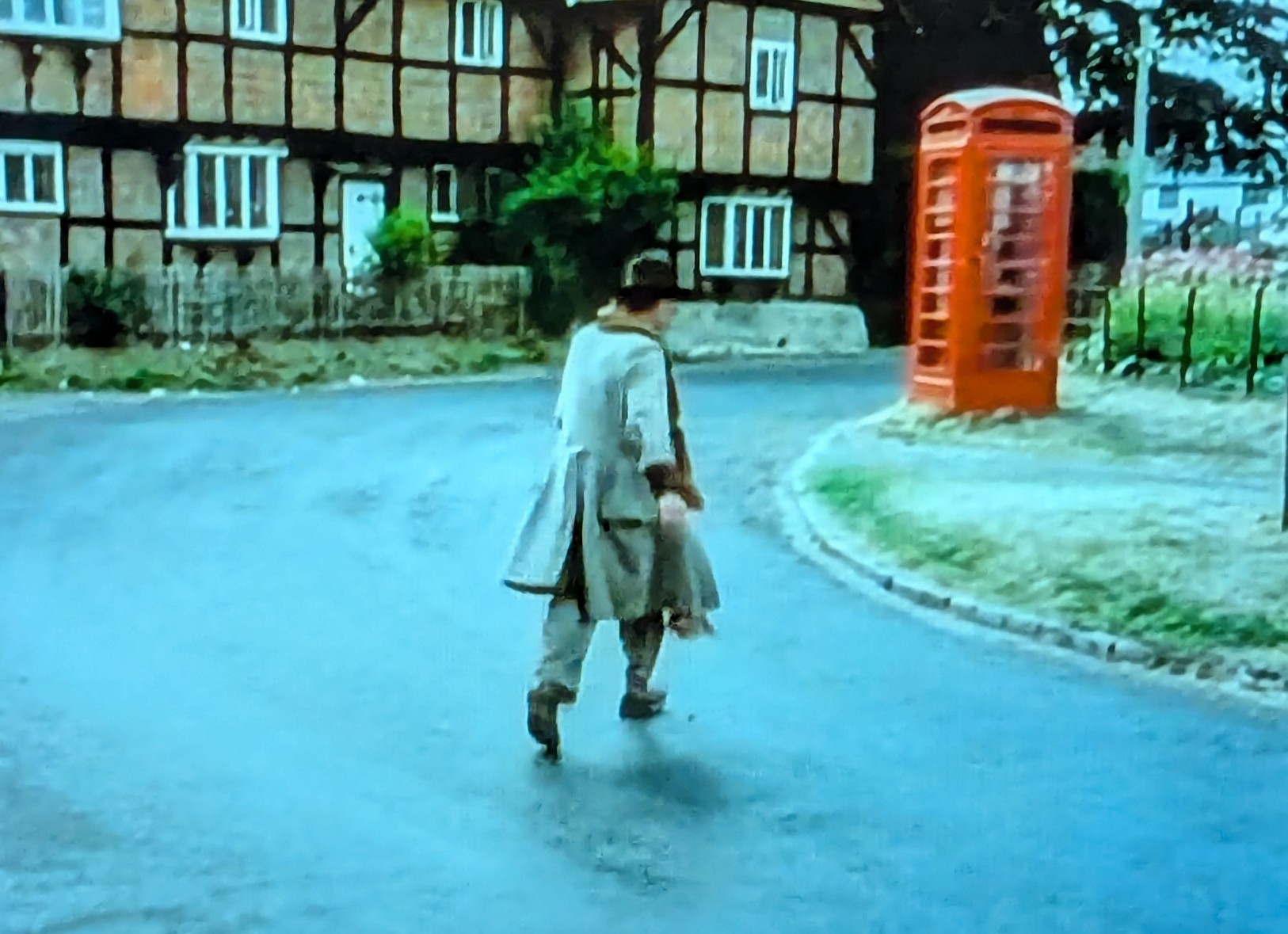
I found an short folk horror film from 1978 on You Tube called ‘Tarry Dan Tarry Dan’ (Scarey Old Spooky Man). It focuses on a small group of mid-teen boys who at one point are discussing the elderly tramp who is well know in the village. At 29 minutes in, they say the following, with the second boy making fun of the first…
“There’s something evil about that old guy. I can feel it. Sense it somehow”
“Yeah, yeah, he vandalises phone boxes didn’t you know”
The 1970s was definately a more innocent time…in some ways. The story is really quite disturbing and I doubt it would be seen fit for children these days.
Comments Off on Yes, it’s wrong to vandalise a phone box but…
Posted in Media
Tagged curiosity, television, UK
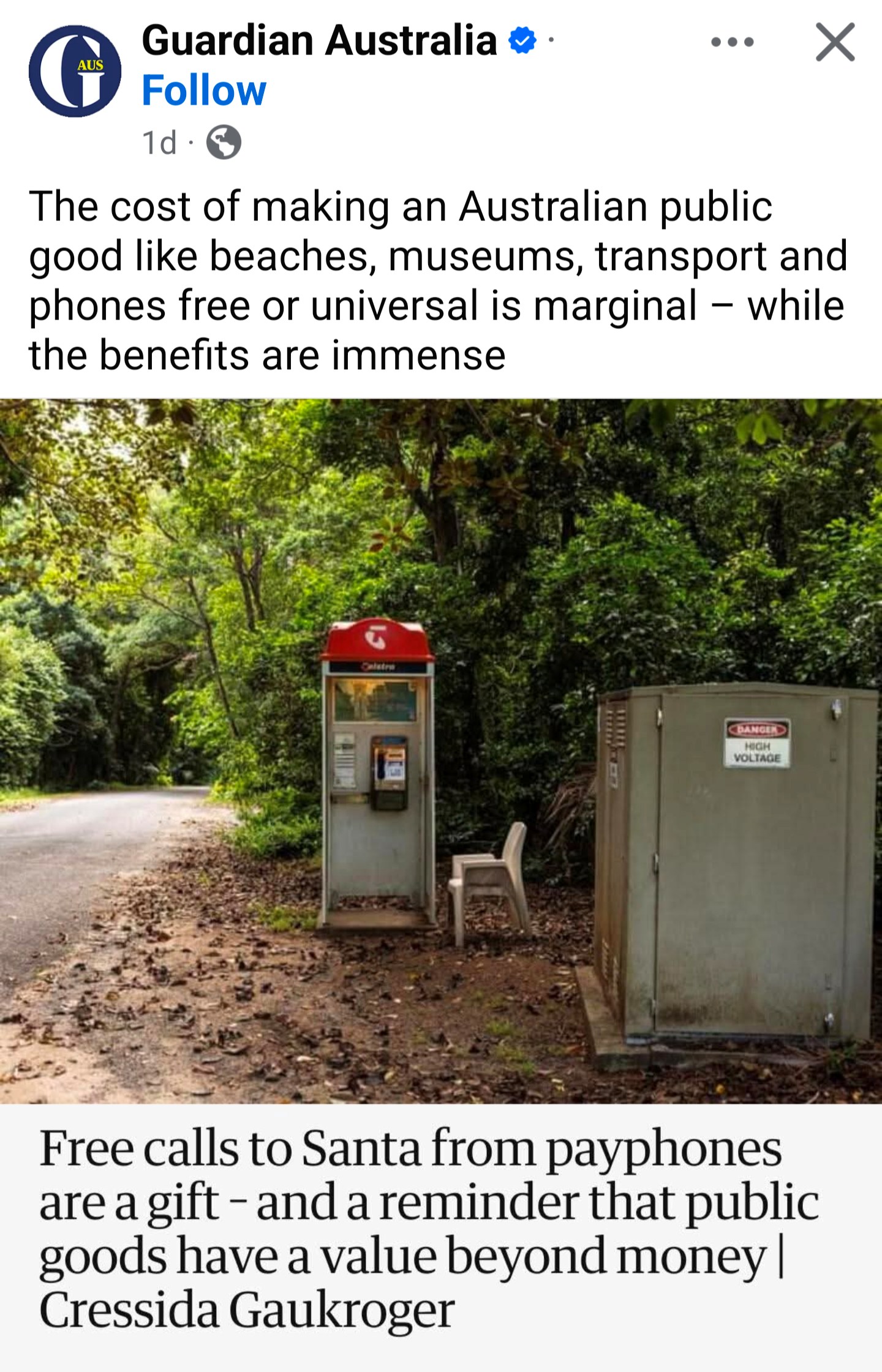
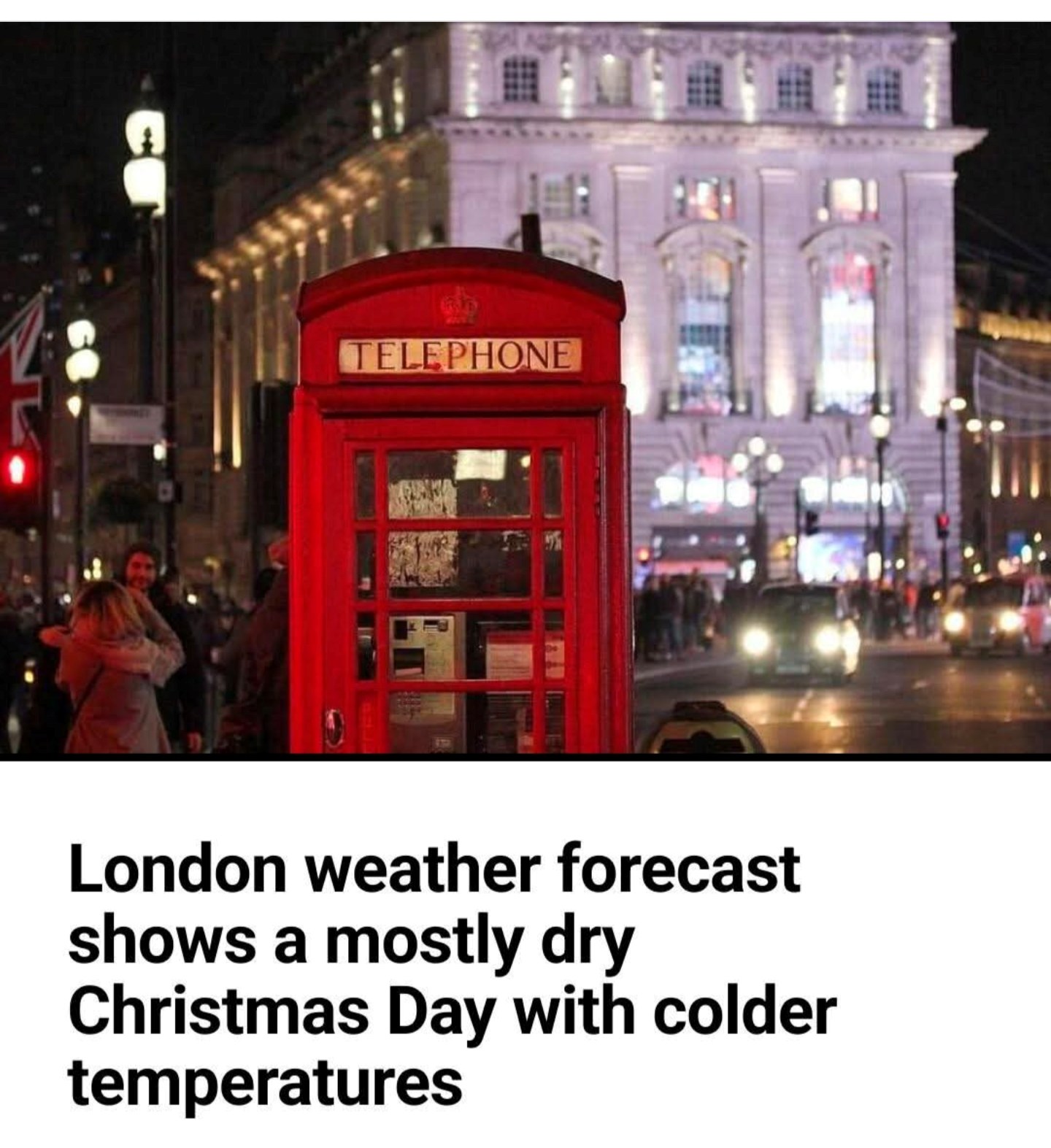
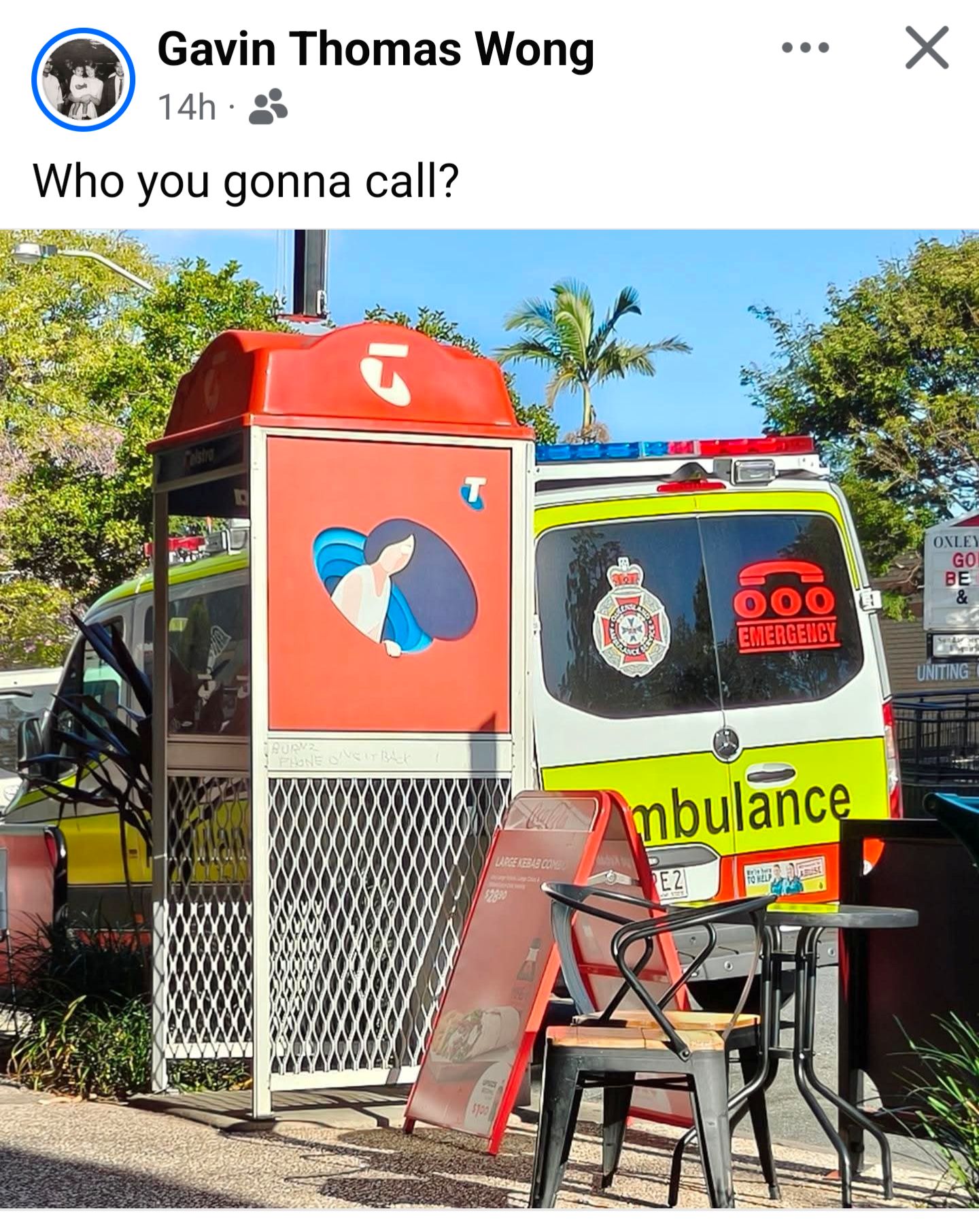
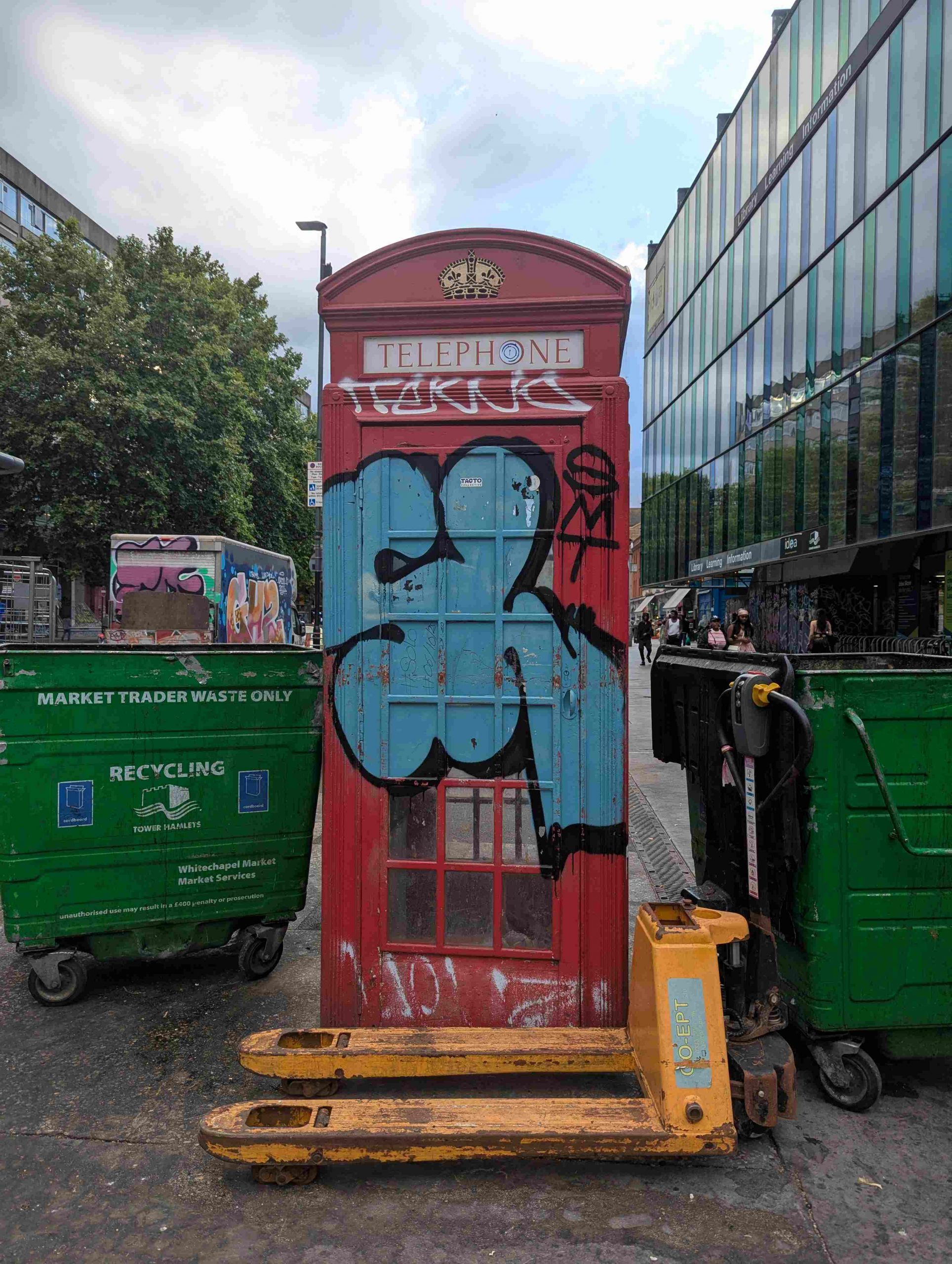
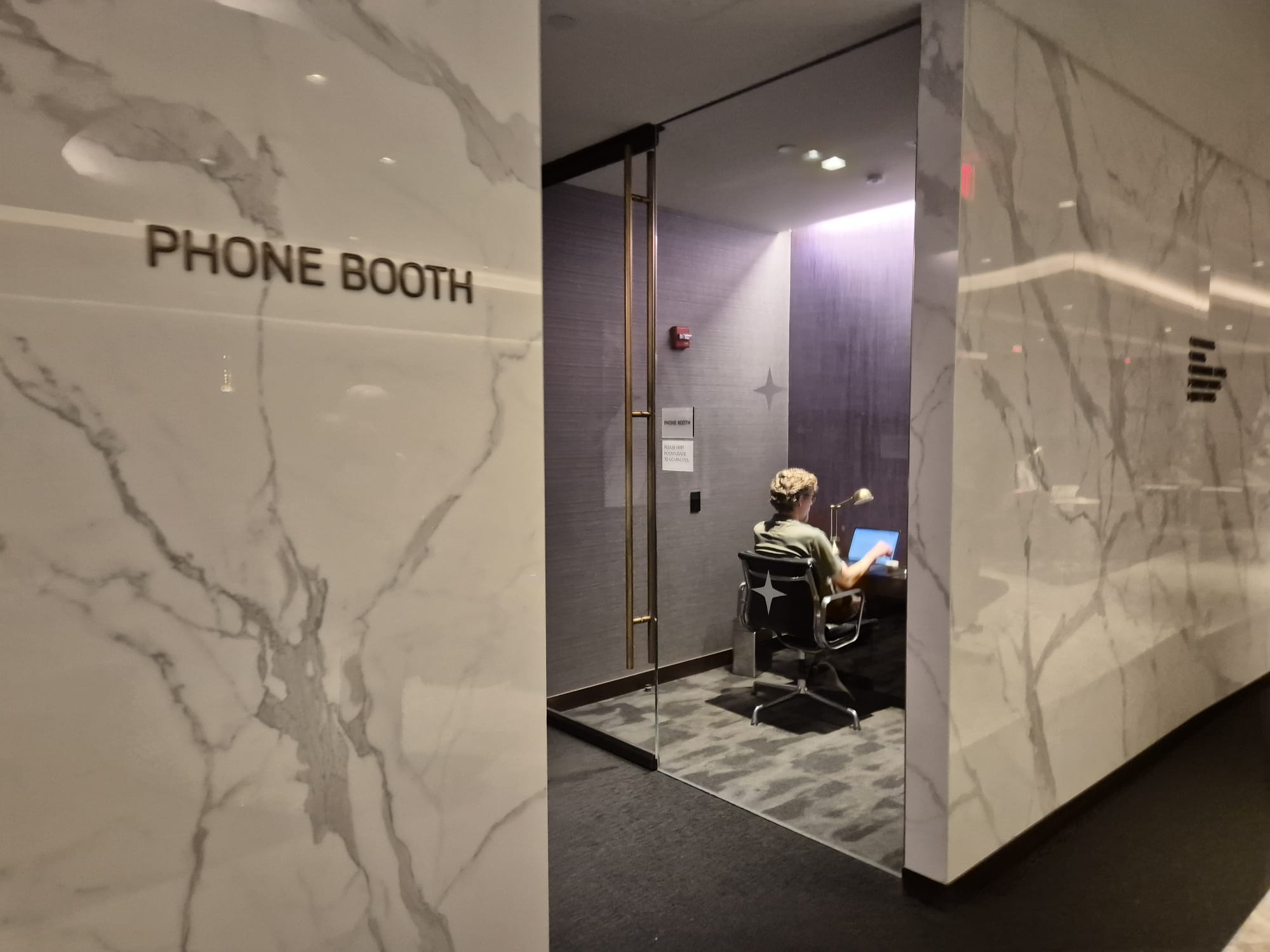
Seems like I get a lot of content from FB these days. Here’s some more screen shots:
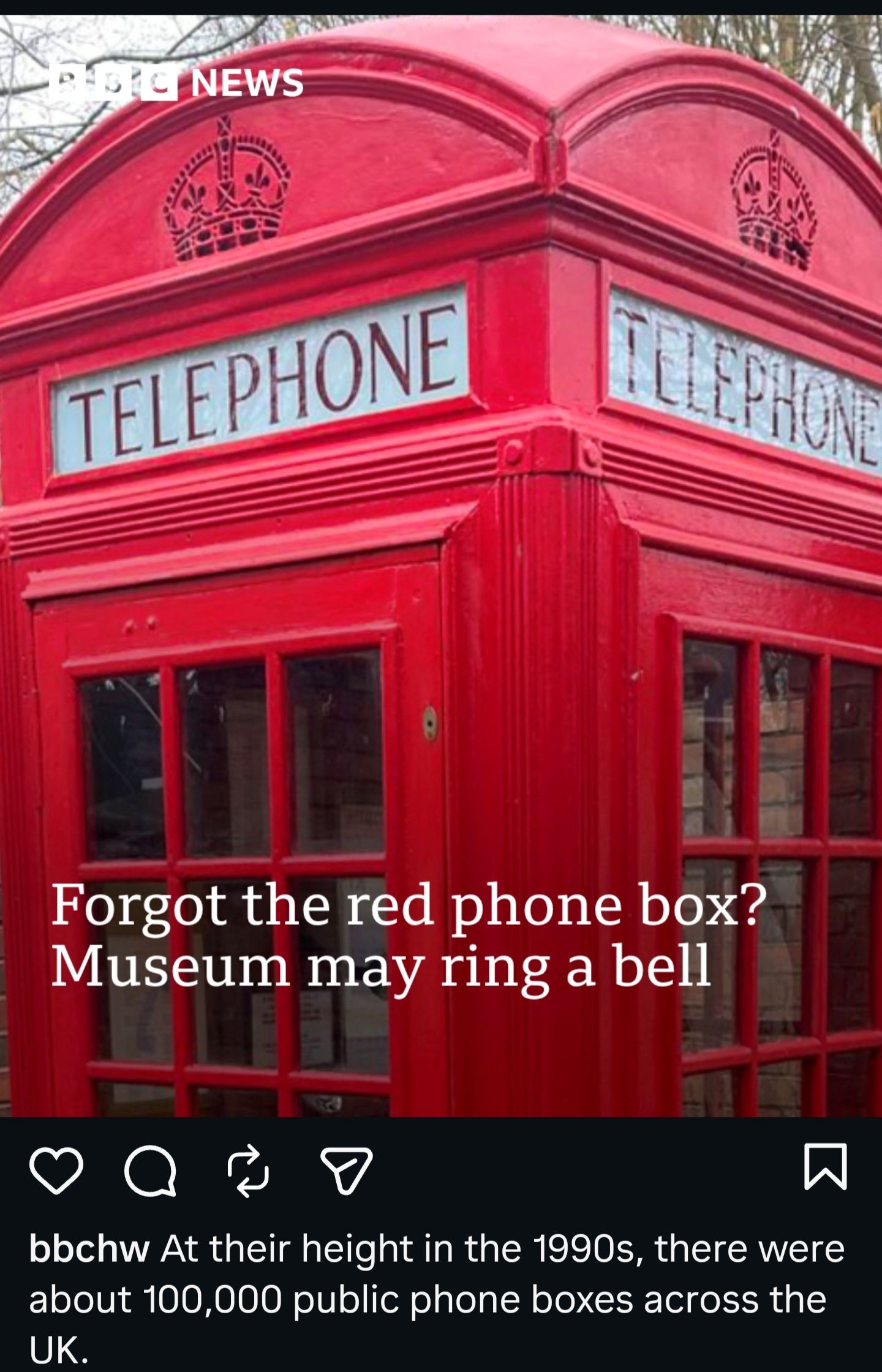
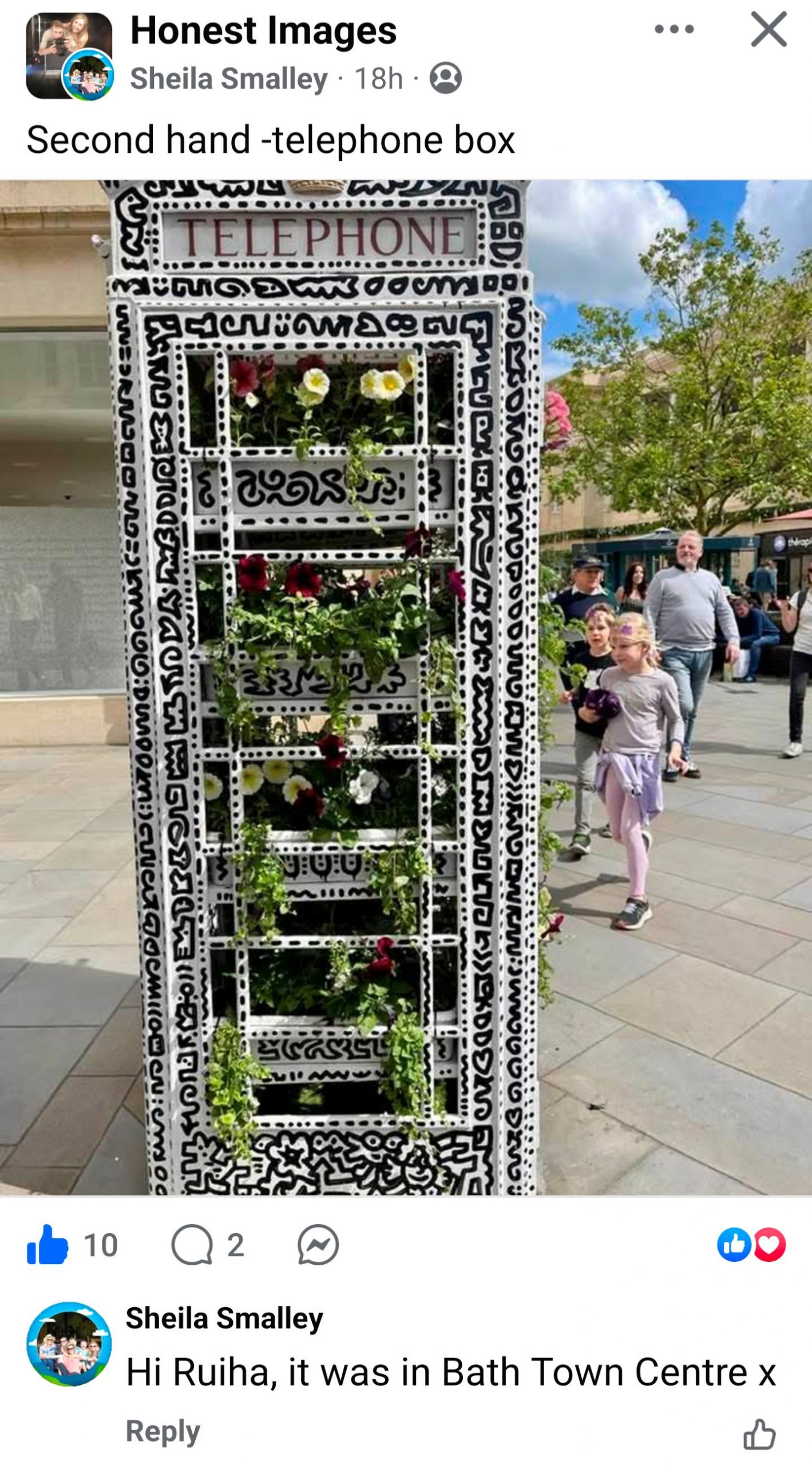
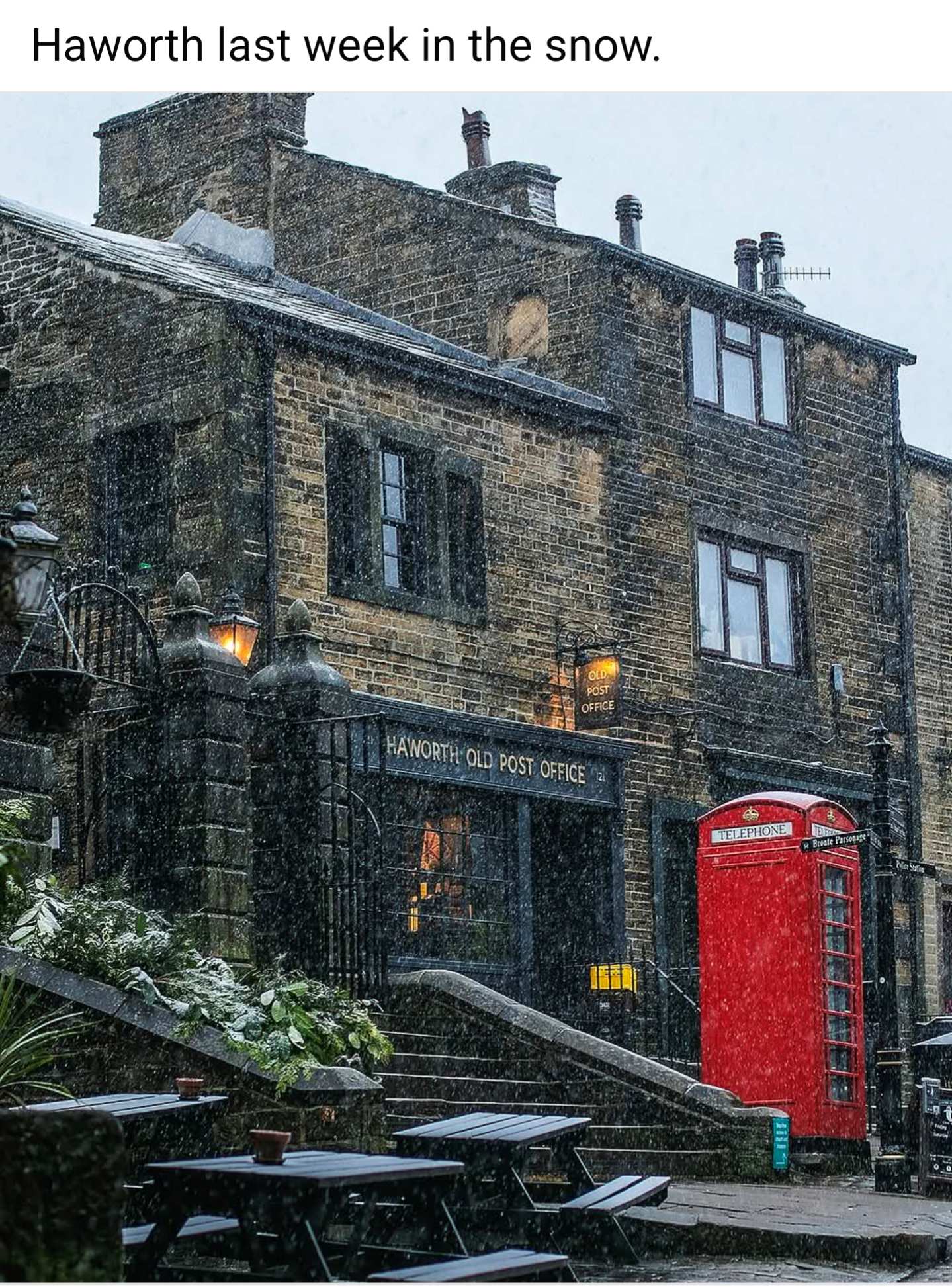
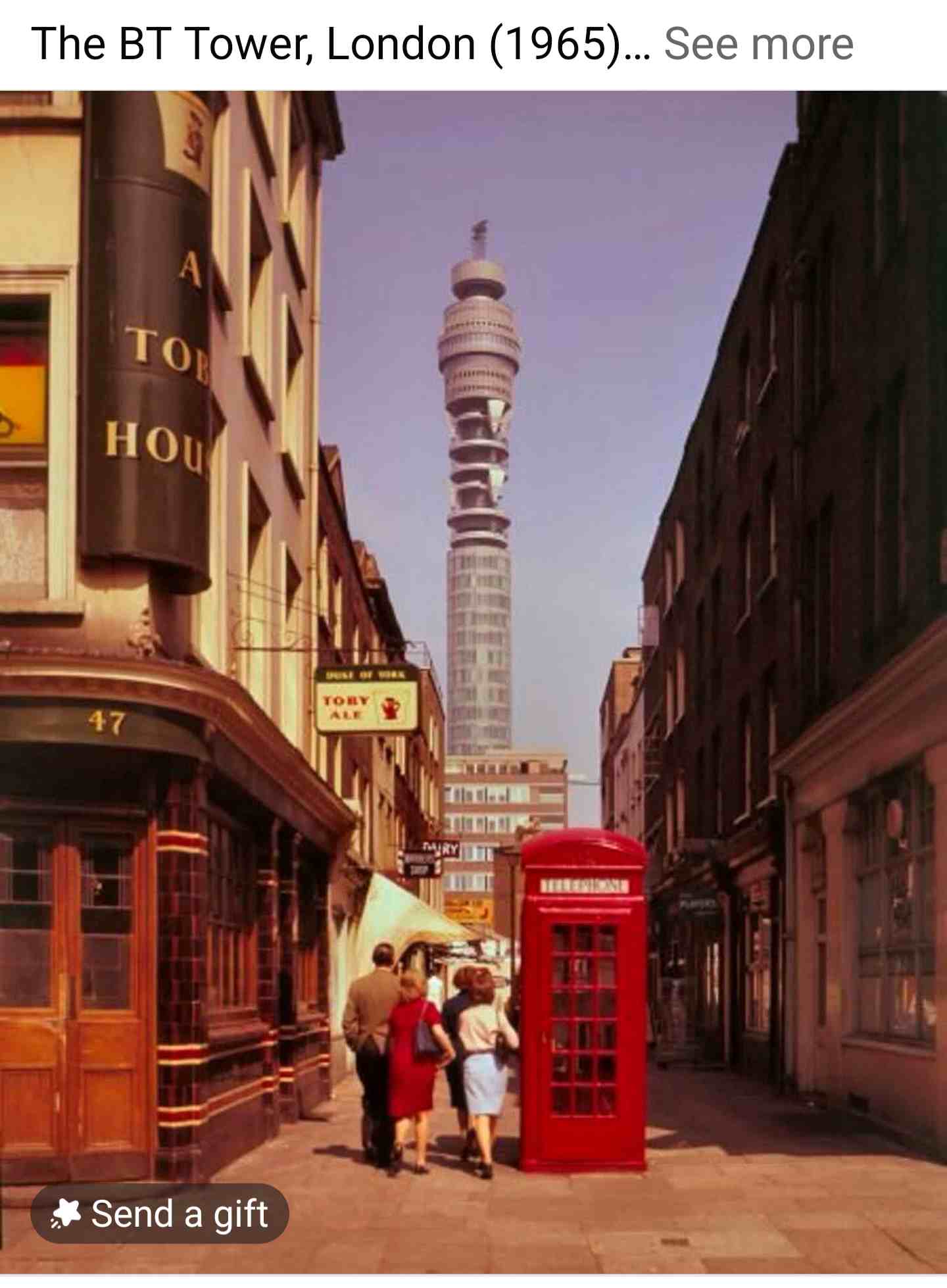

When BT earmarked the kiosk for closure in January, Derek Harris began to campaign. The fight gave him purpose at a difficult time in his life
Emine Saner, The Guardian
Tue 30 Dec 2025 05.00 GMT
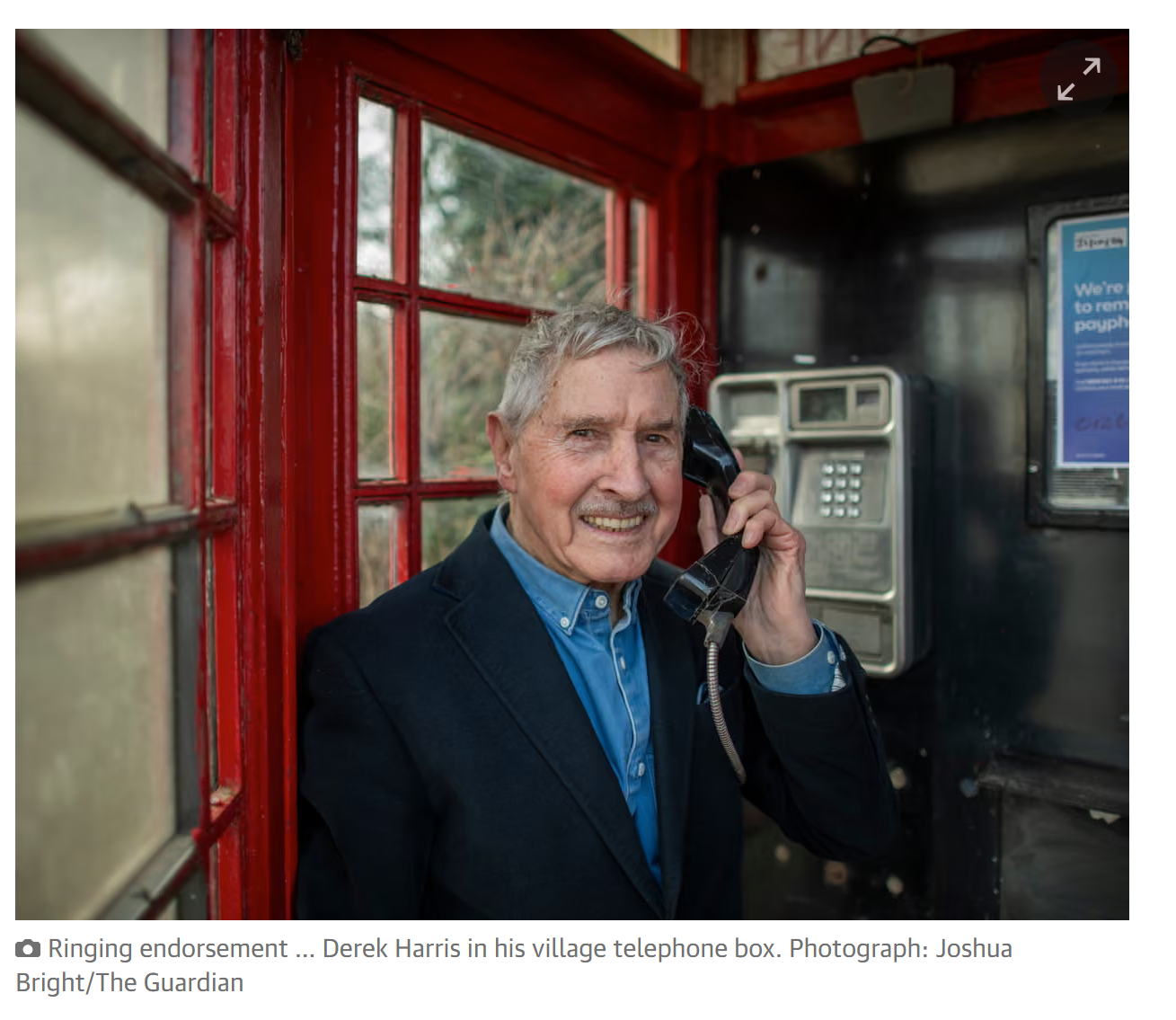
The caller display flashes up: “Derek in the K6” it reads. On the line is Derek Harris, ringing from the red phone box he saved for his village. When he saw, on the agenda for the parish council meeting, that BT had earmarked it for closure, Harris knew he had to fight it. “It’s fighting for what is valuable, cherished,” he told me when I went to meet him in February, sitting over coffee in a cafe near Sharrington, the Norfolk village that has been his home for more than 50 years, and the phone box for longer. It’s a K6, for Kiosk No 6, designed in 1935 by Sir Giles Gilbert Scott.
For a few weeks, Harris, then 89, became a media star. One of the criteria for keeping a phone box in use is that at least 52 calls have to be made from it in a year (fewer than 10 had been made in 2024). As the campaign picked up speed, one day a queue of people made more than 230 calls from the K6. Harris sparked a national conversation about the continuing need for kiosks in an age of mobiles. Behind the scenes, he was a tenacious activist, sending constant emails to his MP, councillors, and of course, BT. Some of them included photographs he had taken of BT vans whose engineers were working nearby, as proof the phone box could be easily maintained. In March, BT decided to reverse its decision.
Quite a lot of people are getting fed up with being oppressed by big organisations
Harris stresses it was a community effort. “We had the massive turnout” of volunteers to make the calls, he says. And “not just from this village, but from surrounding villages. It would have been impossible to have pulled this thing off had not so many people – local MP, district councillors, everyone – taken up the call to action.” It got national and even global coverage, he thinks, because “it struck a chord. Quite a lot of people are getting fed up with being oppressed by big organisations.”
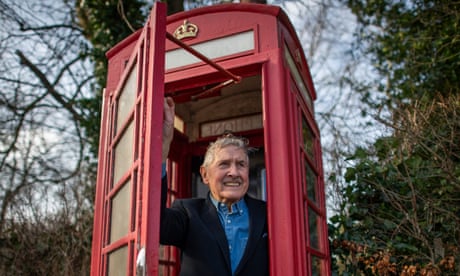
In February, when I met Harris, I was struck by how he seemed to view the phone box as a living being, with such affection for it. If it had been turned into a library, as other red phone boxes have, it would cease to be. As a functional kiosk, he said, “it would be alive”. I was thinking about this, driving home later that day, when I pulled into a car park for a rest and checked my phone. Harris had emailed me, titled “strictest confidence”, and I read with dismay that he had recently been diagnosed with inoperable cancer. “It struck me that this K6,” he wrote, “designed in the year of my birth, is deserving of being saved from a death sentence.”
I asked if I could mention his illness, but he said absolutely not (though he’s consented to me publishing now), that he didn’t want a fuss and certainly didn’t want anyone to think he was using it as a ploy to get sympathy for the campaign. The phone box had value in its own right. The campaign gave Harris a sense of purpose at a time when he was coming to terms with bad news. “It’s been a good achievement,” he says now. “There’s life in the old boy yet.” What does the retained phone box mean to the village? “Oh they’re overjoyed,” he says.
Since his victory, Harris has called me a few times over the year, stopping at the telephone kiosk while out on his walk, to say hello, complain about a politician, tell a story or two. It doesn’t hurt to keep the call numbers up. “We had a bit of snow earlier,” he says today, “but I walked here.” What can he see? “There’s open fields, lovely panorama. I’m looking through clear glass.”
Not only was the phone box saved, but BT refurbished it in the summer, including a new door and brass hinges. “It looks splendid.” It was done, he jokes, “just in time for my birthday”. Harris turned 90 in July, and was celebrated by his village with a garden party. His card from the parish council featured a picture of his beloved red phone box, and he was given a phone box fridge magnet.
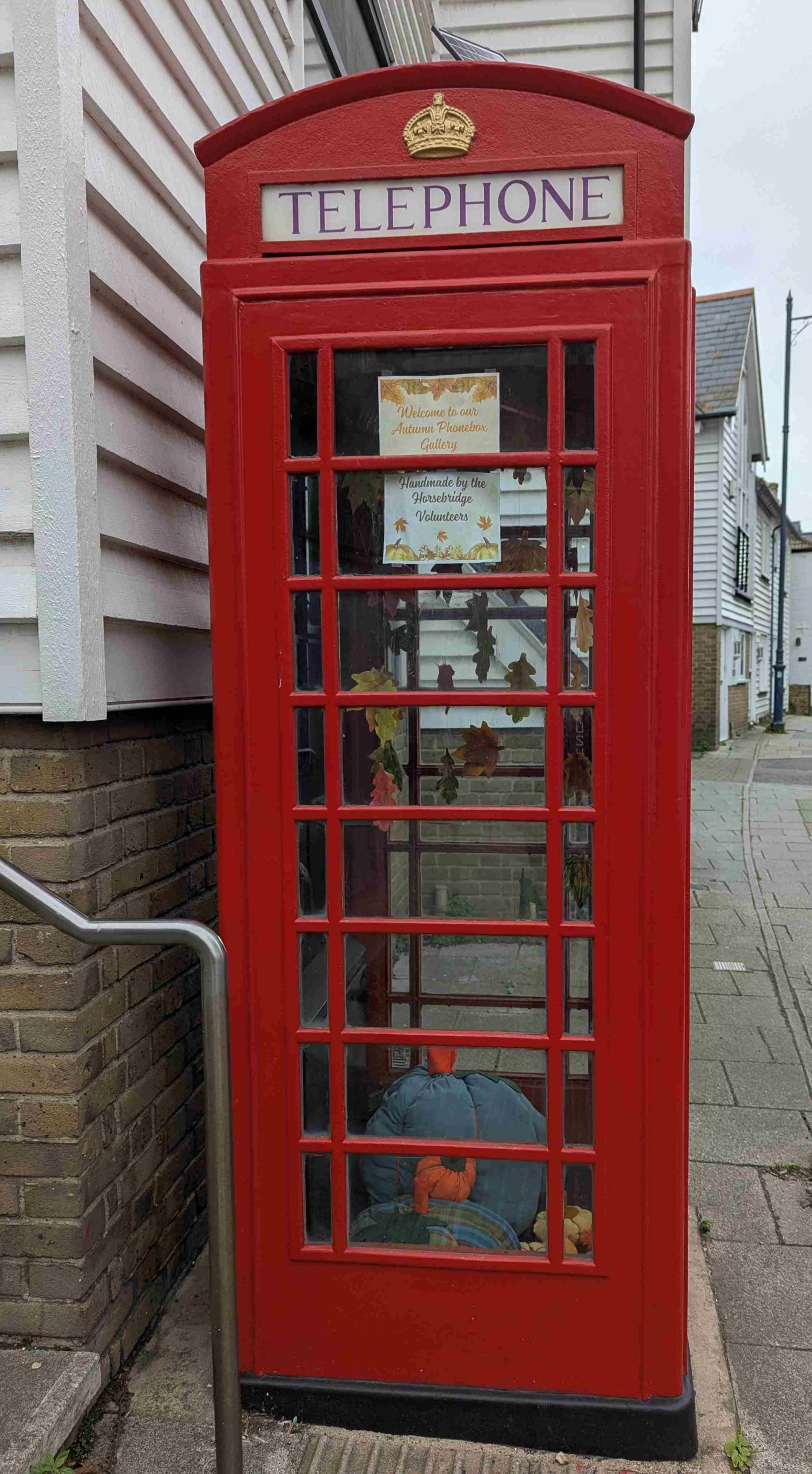
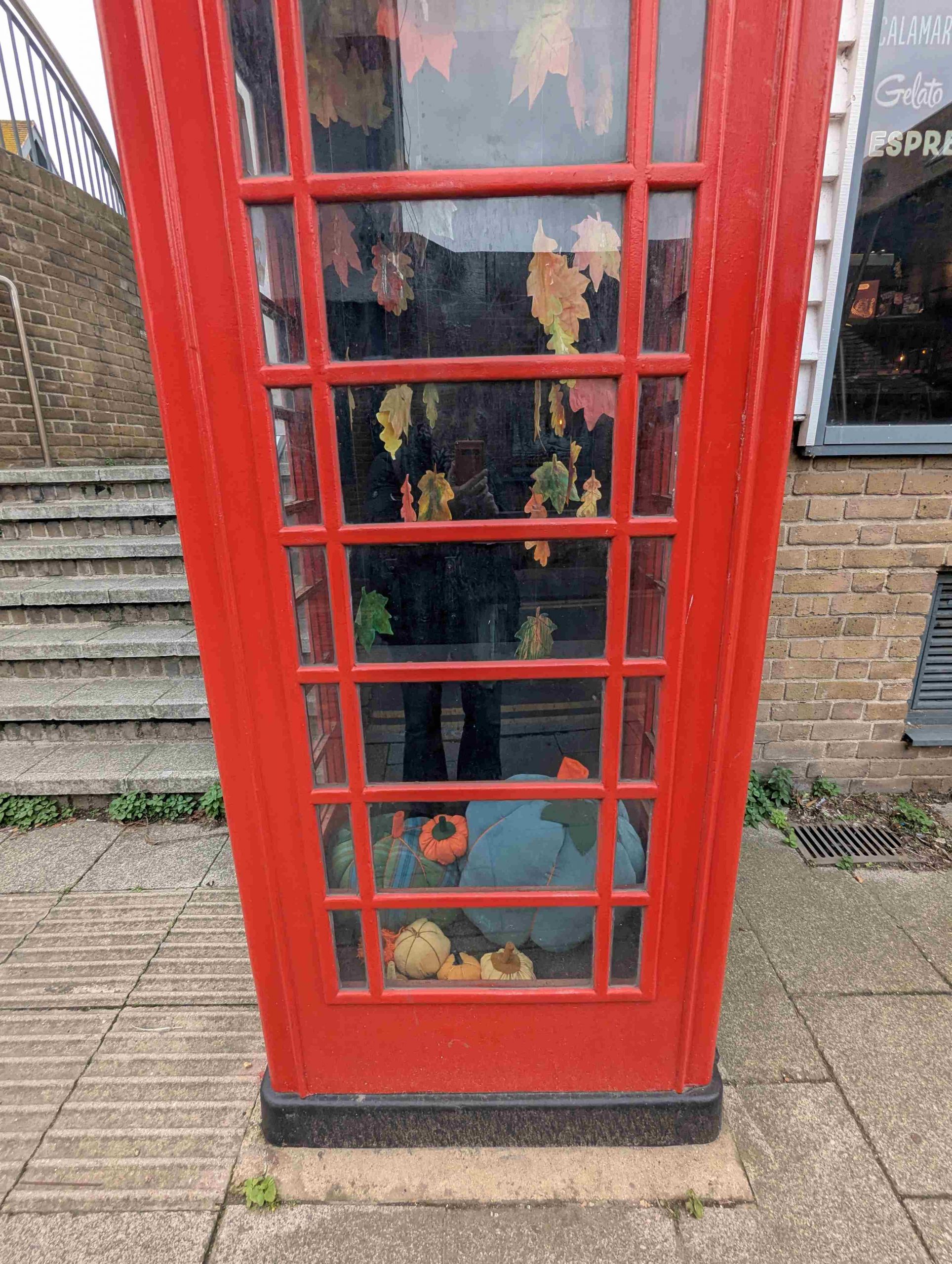
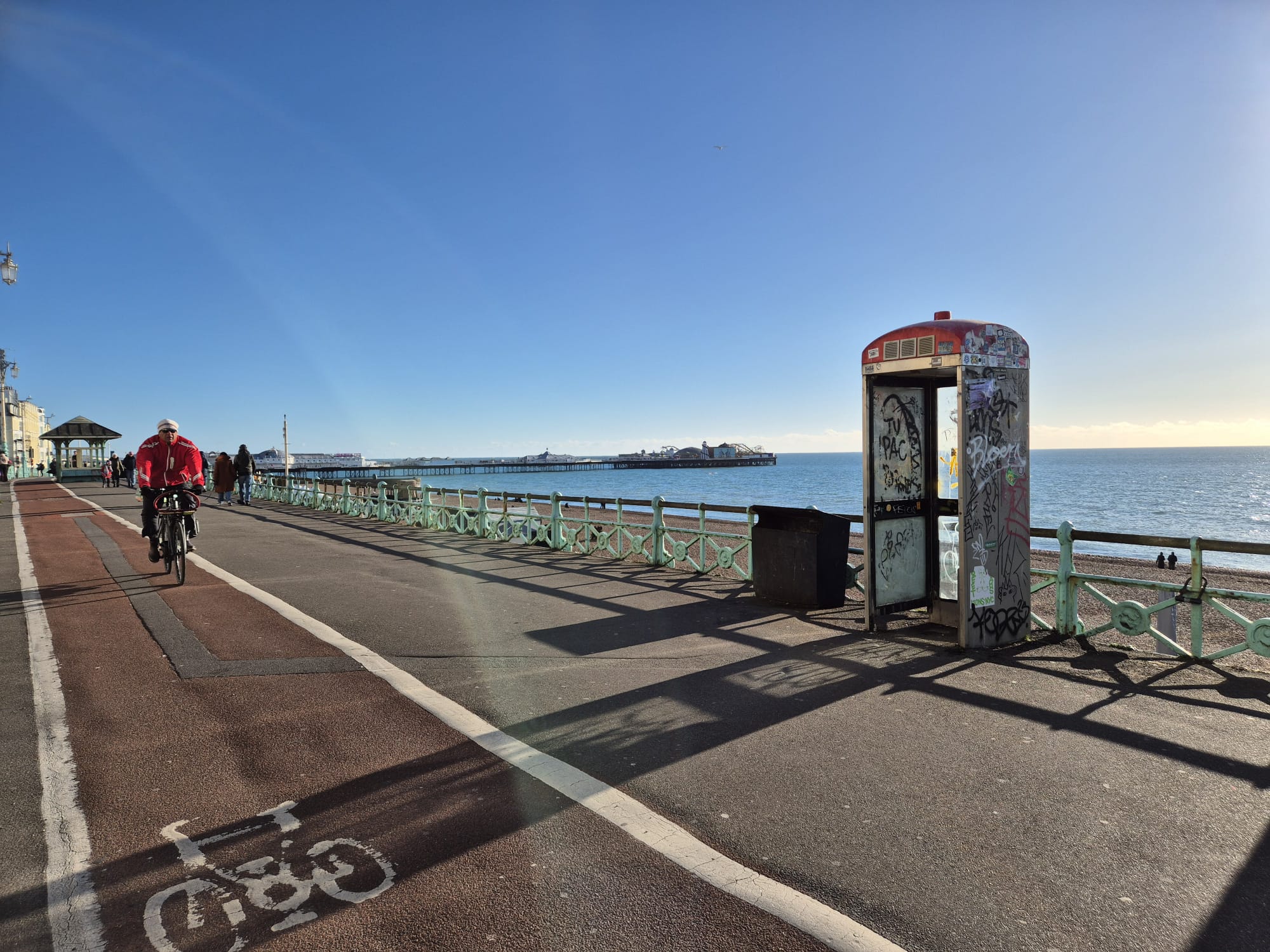
I love the little solar panel on this box in Whitstable.