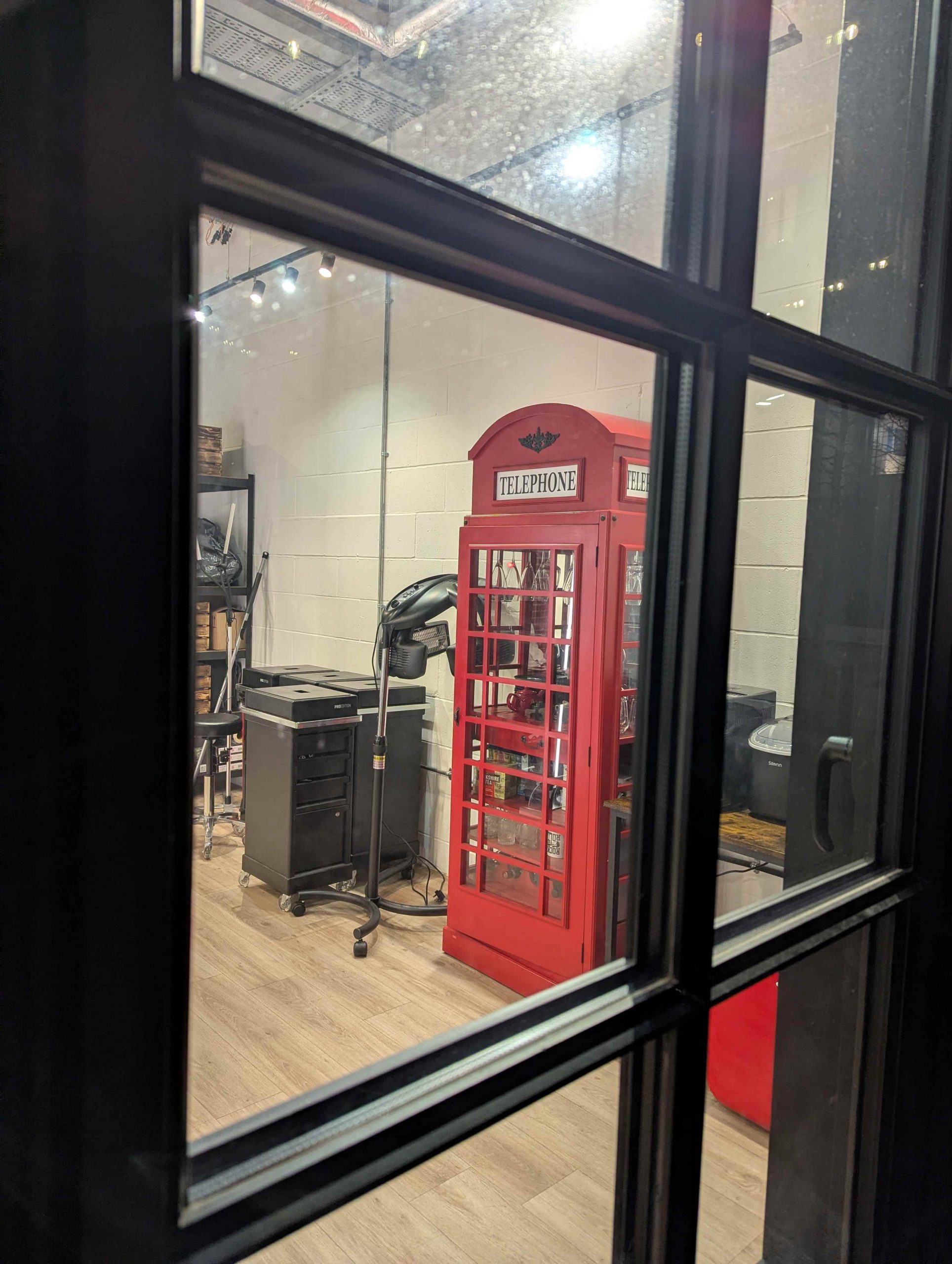
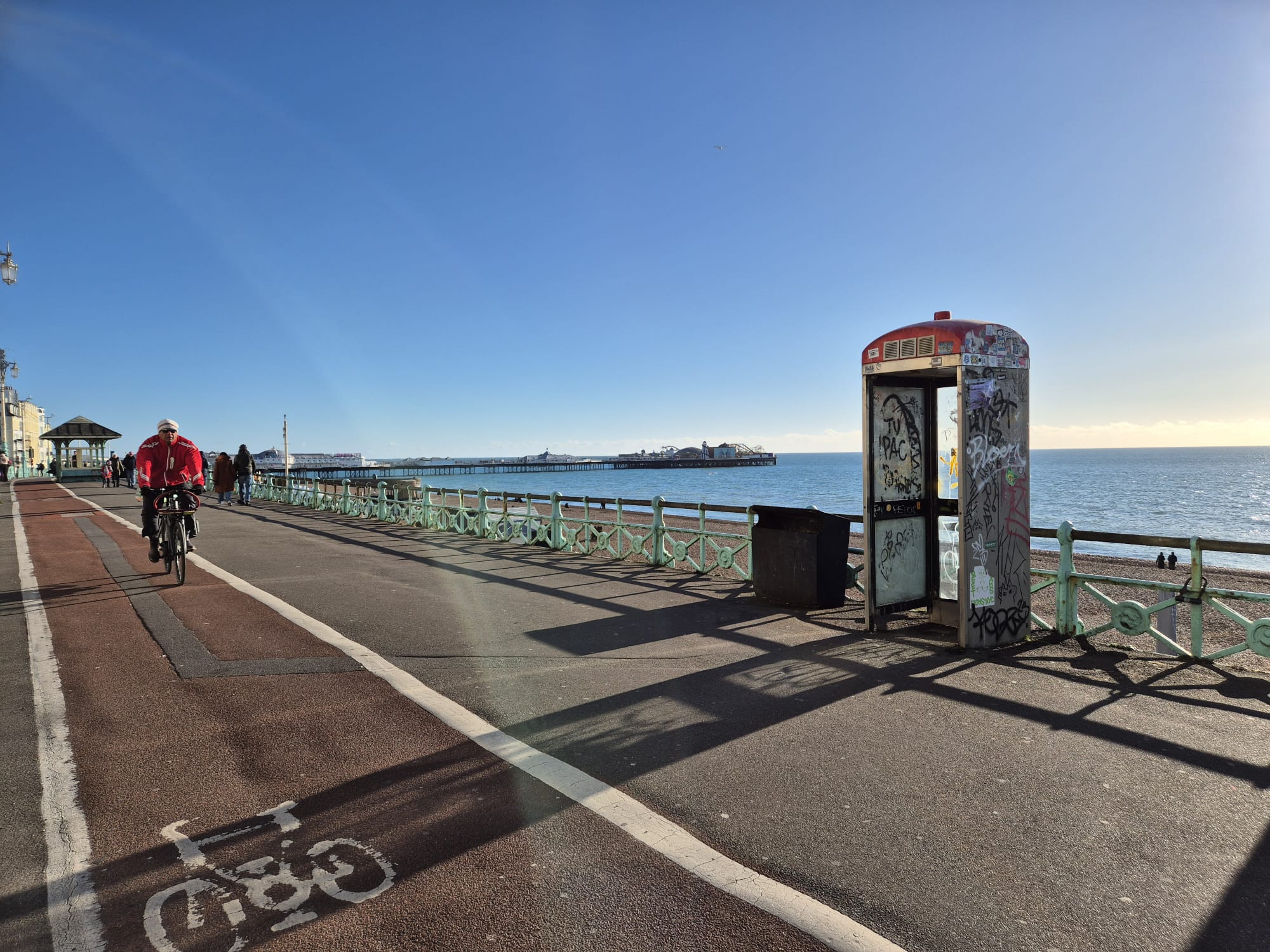
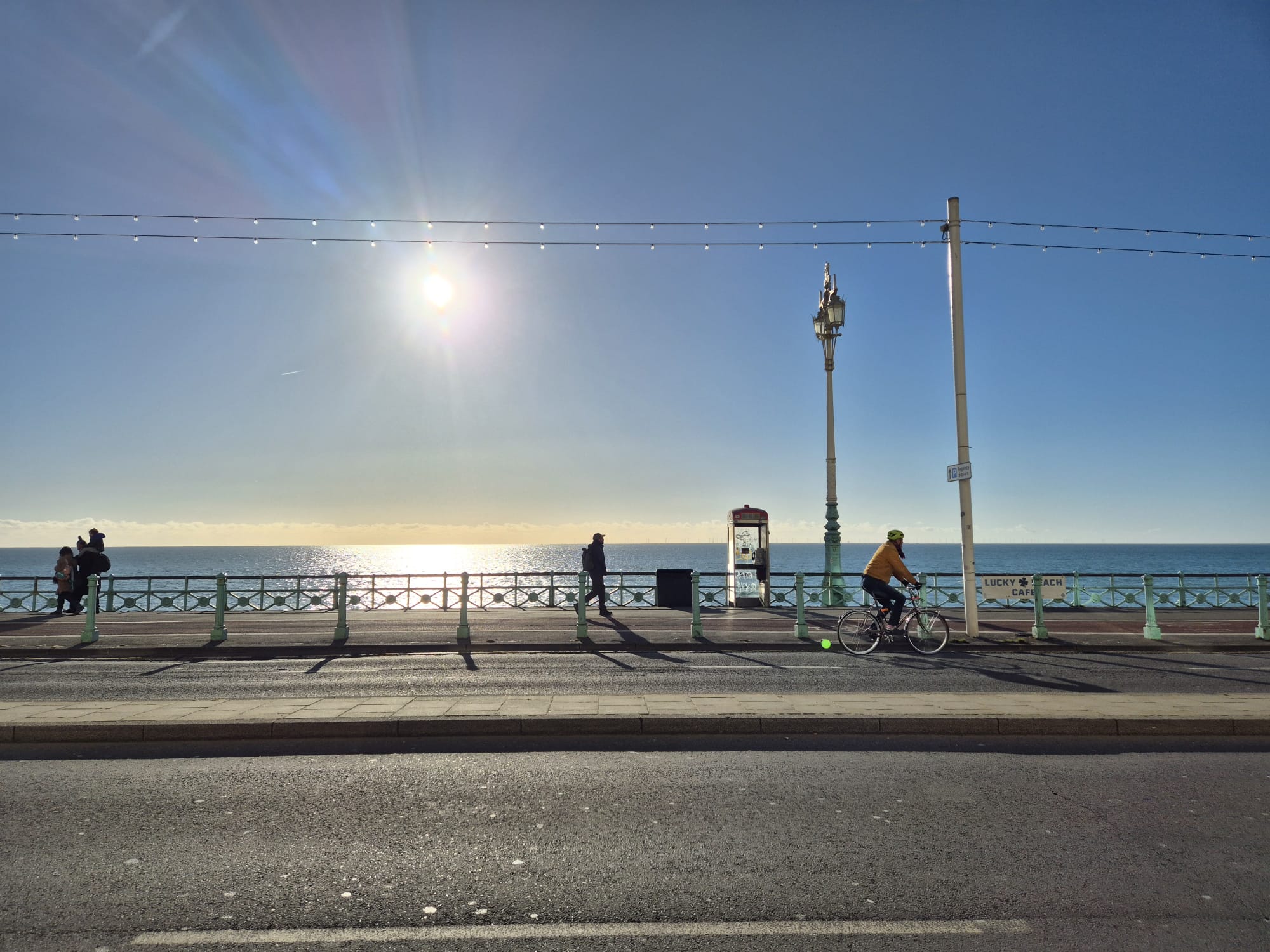

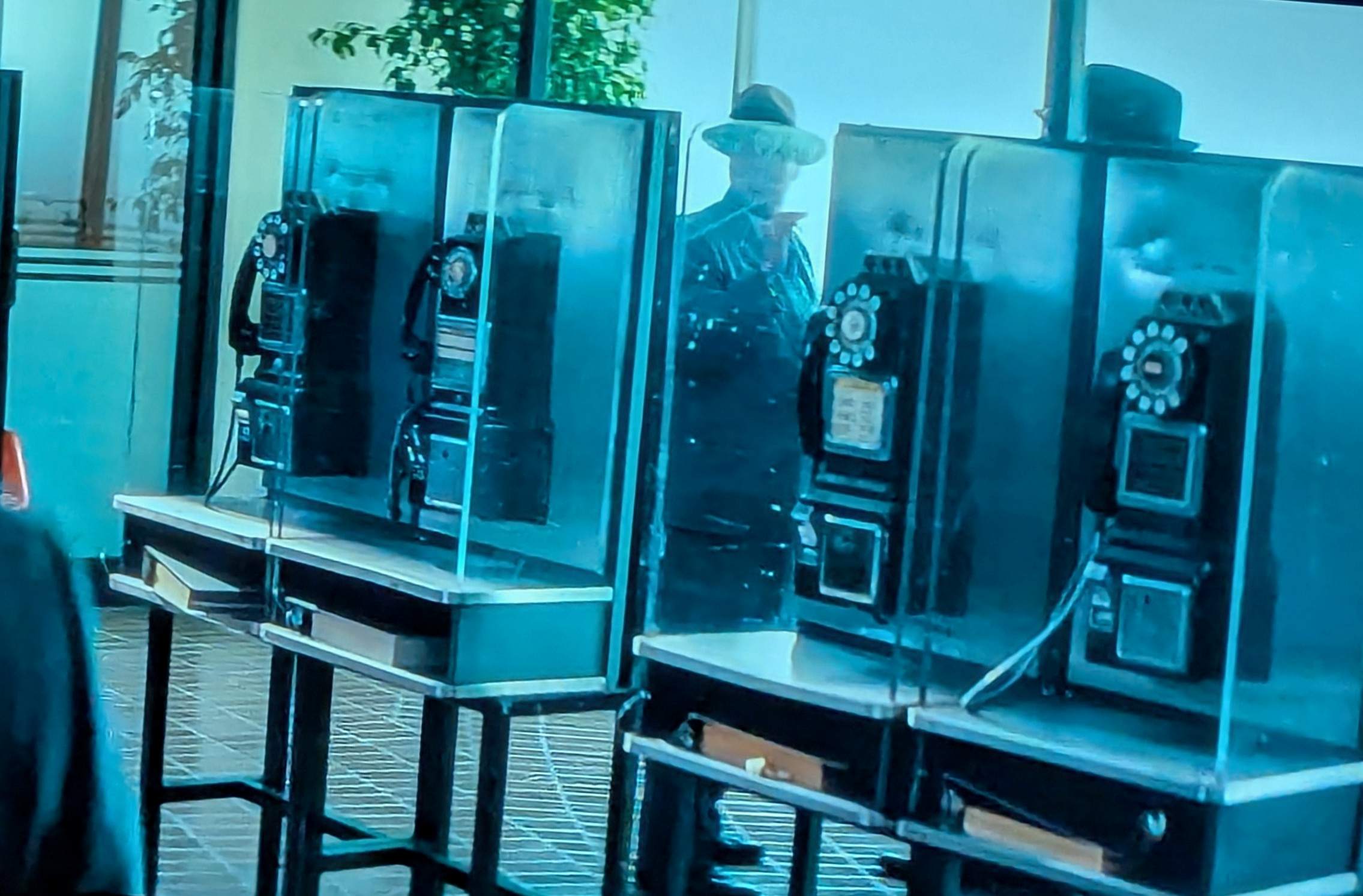
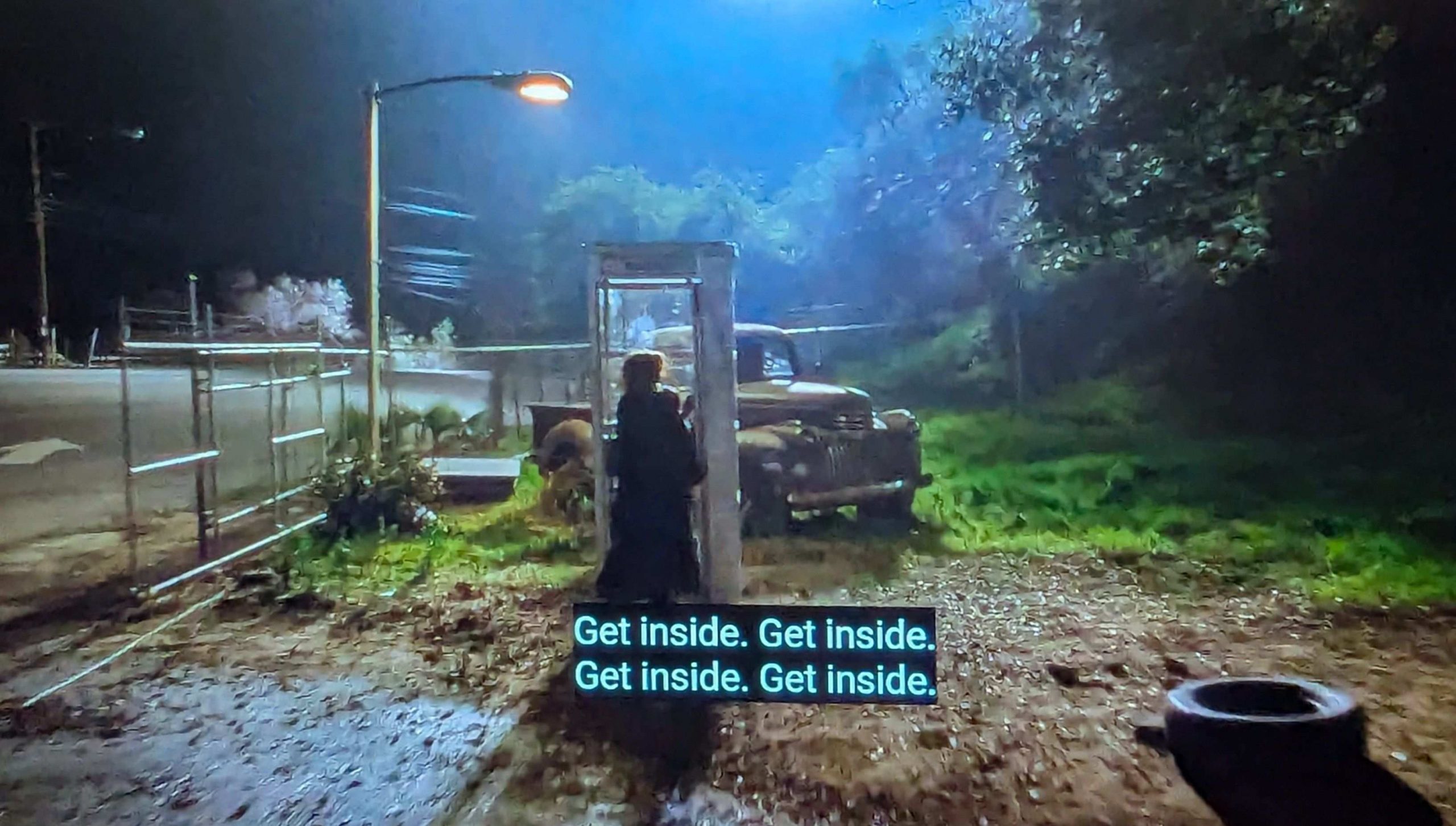
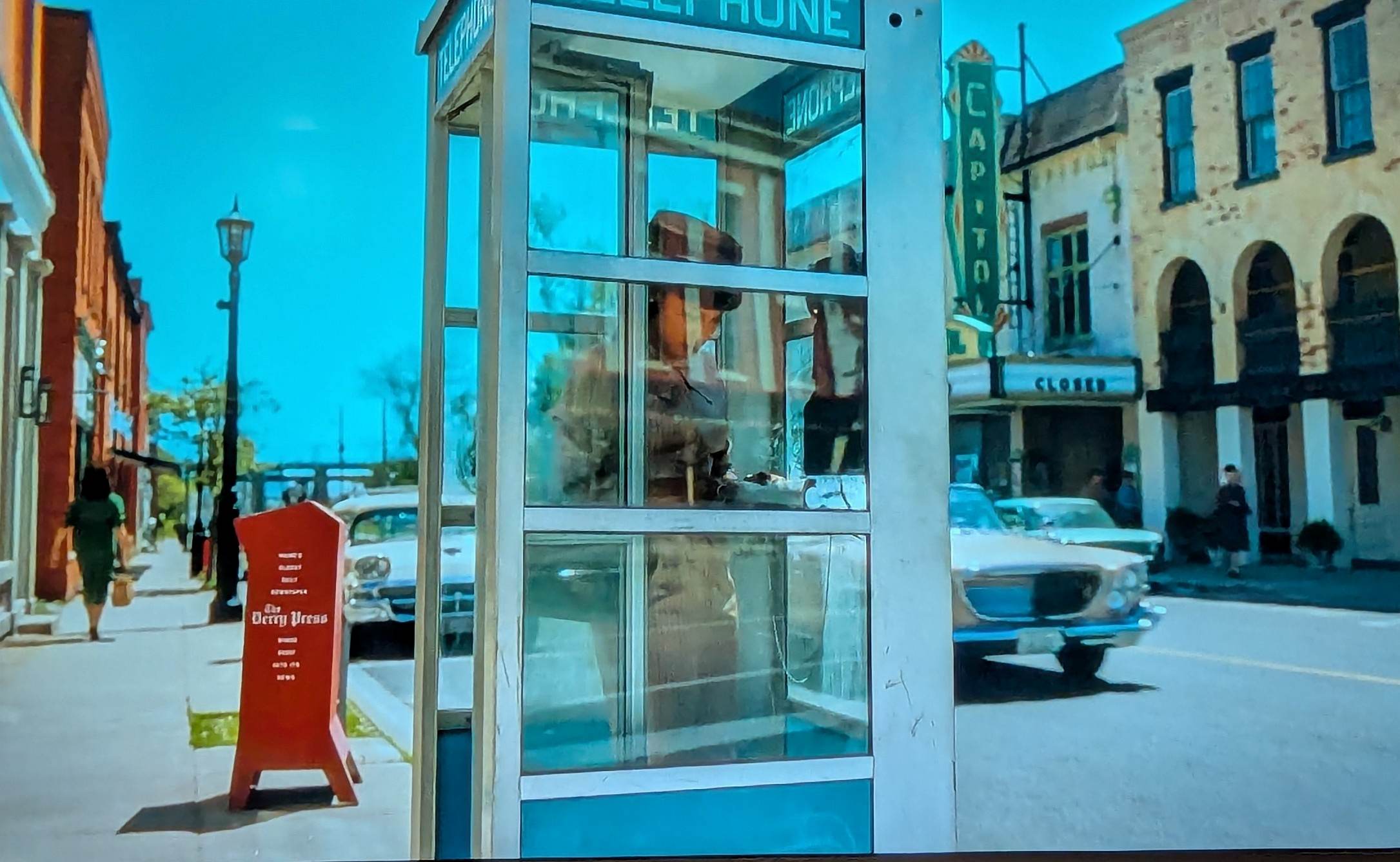
You can rely on an Agatha Christie production to have a telephone scene.
I found an short folk horror film from 1978 on You Tube called ‘Tarry Dan Tarry Dan’ (Scarey Old Spooky Man). It focuses on a small group of mid-teen boys who at one point are discussing the elderly tramp who is well know in the village. At 29 minutes in, they say the following, with the second boy making fun of the first…
“There’s something evil about that old guy. I can feel it. Sense it somehow”
“Yeah, yeah, he vandalises phone boxes didn’t you know”
The 1970s was definately a more innocent time…in some ways. The story is really quite disturbing and I doubt it would be seen fit for children these days.
Comments Off on Yes, it’s wrong to vandalise a phone box but…
Posted in Media
Tagged curiosity, television, UK
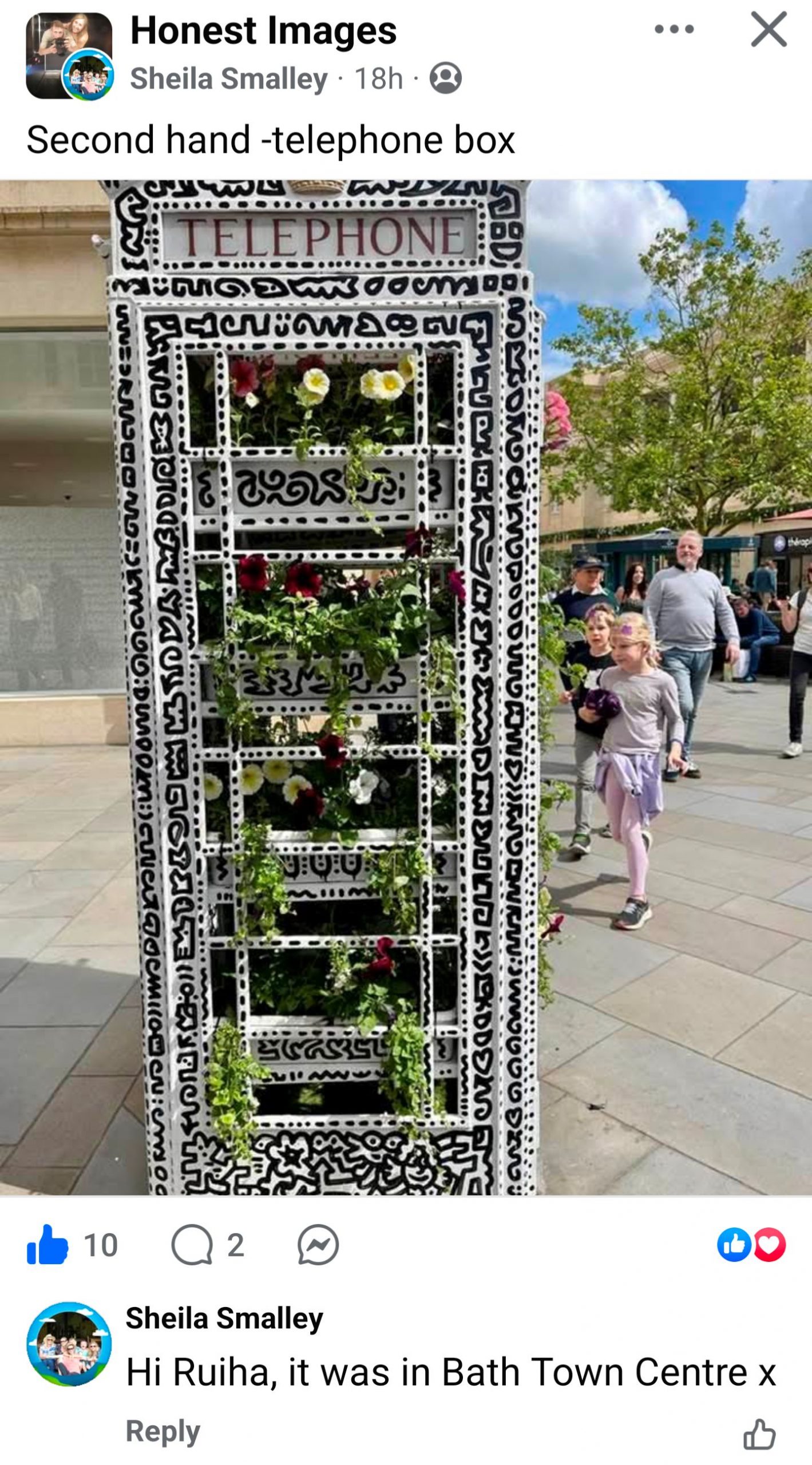
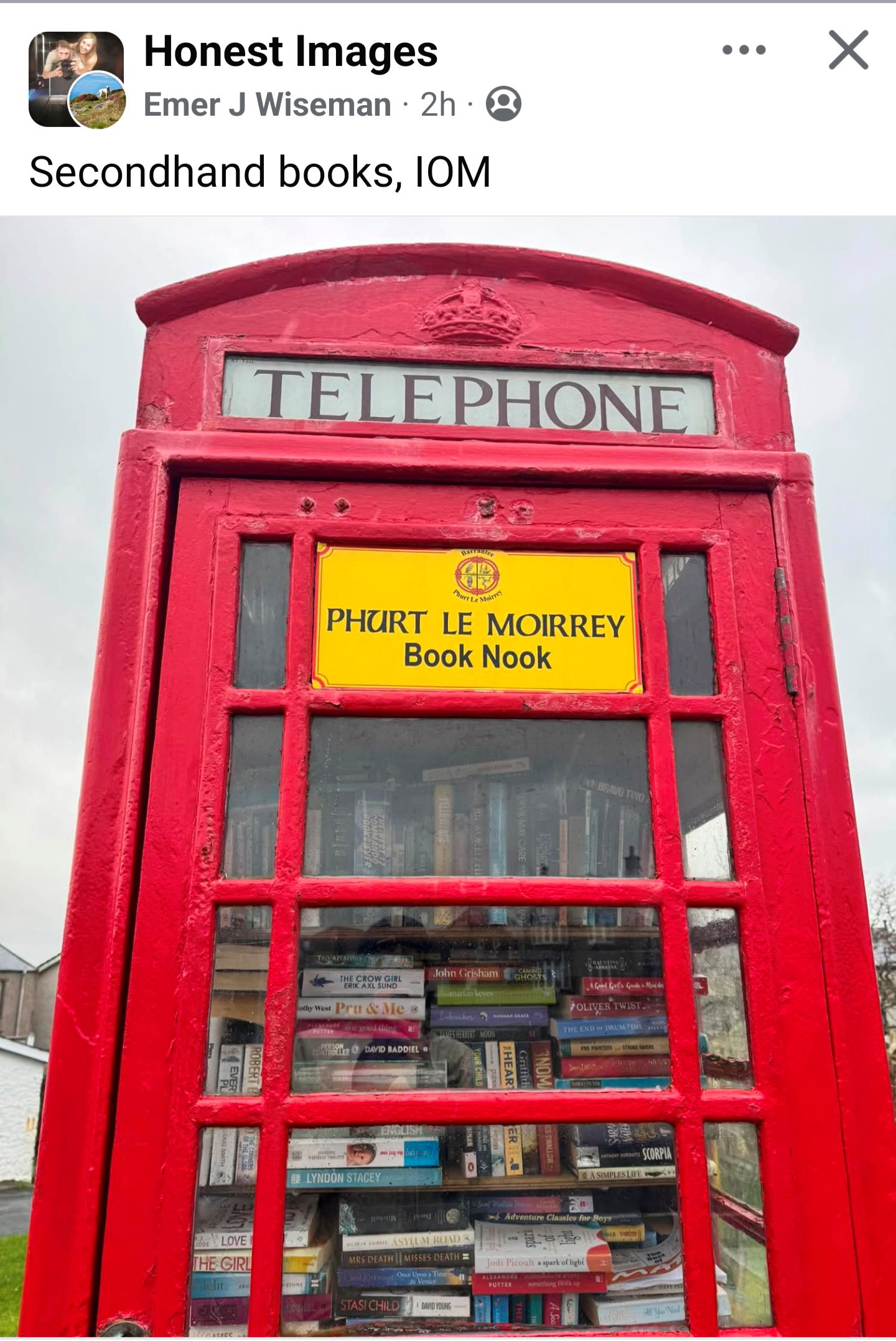
I am a member of the Facebok group Honest Images. Sheila offered me her image and the other is from Emer Wiseman.
Here’s an overview of the Derek Harris story I’ve covered before on this blog.
The Guardian, Emine Saner, 30 December 2025.
When BT earmarked the kiosk for closure in January, Derek Harris began to campaign. The fight gave him purpose at a difficult time in his life
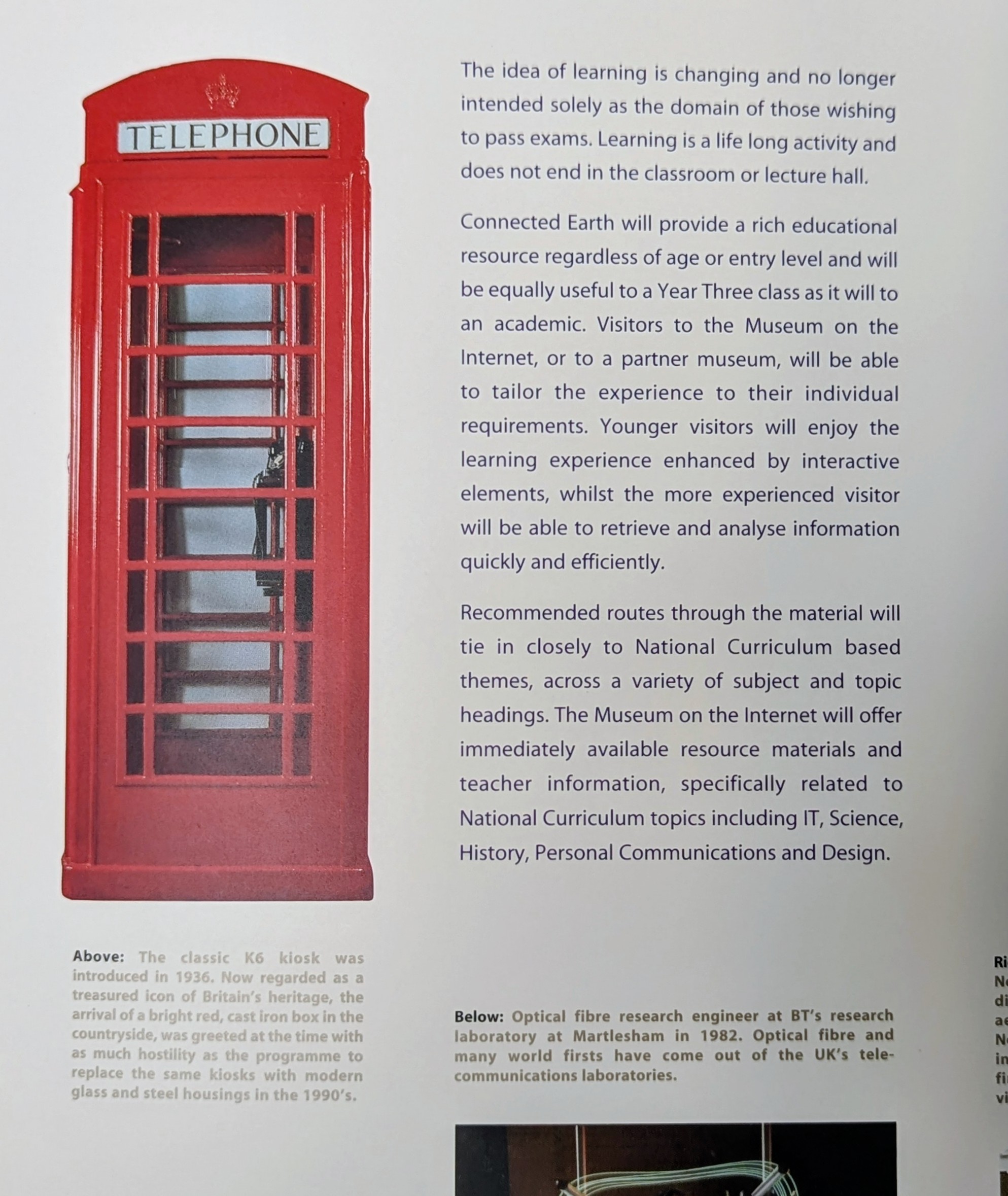
The caller display flashes up: “Derek in the K6” it reads. On the line is Derek Harris, ringing from the red phone box he saved for his village. When he saw, on the agenda for the parish council meeting, that BT had earmarked it for closure, Harris knew he had to fight it. “It’s fighting for what is valuable, cherished,” he told me when I went to meet him in February, sitting over coffee in a cafe near Sharrington, the Norfolk village that has been his home for more than 50 years, and the phone box for longer. It’s a K6, for Kiosk No 6, designed in 1935 by Sir Giles Gilbert Scott.
For a few weeks, Harris, then 89, became a media star. One of the criteria for keeping a phone box in use is that at least 52 calls have to be made from it in a year (fewer than 10 had been made in 2024). As the campaign picked up speed, one day a queue of people made more than 230 calls from the K6. Harris sparked a national conversation about the continuing need for kiosks in an age of mobiles. Behind the scenes, he was a tenacious activist, sending constant emails to his MP, councillors, and of course, BT. Some of them included photographs he had taken of BT vans whose engineers were working nearby, as proof the phone box could be easily maintained. In March, BT decided to reverse its decision.
For the full article please go to the Guardian – https://www.theguardian.com/lifeandstyle/2025/dec/30/what-happened-next-the-man-who-saved-the-last-phone-box-in-his-village
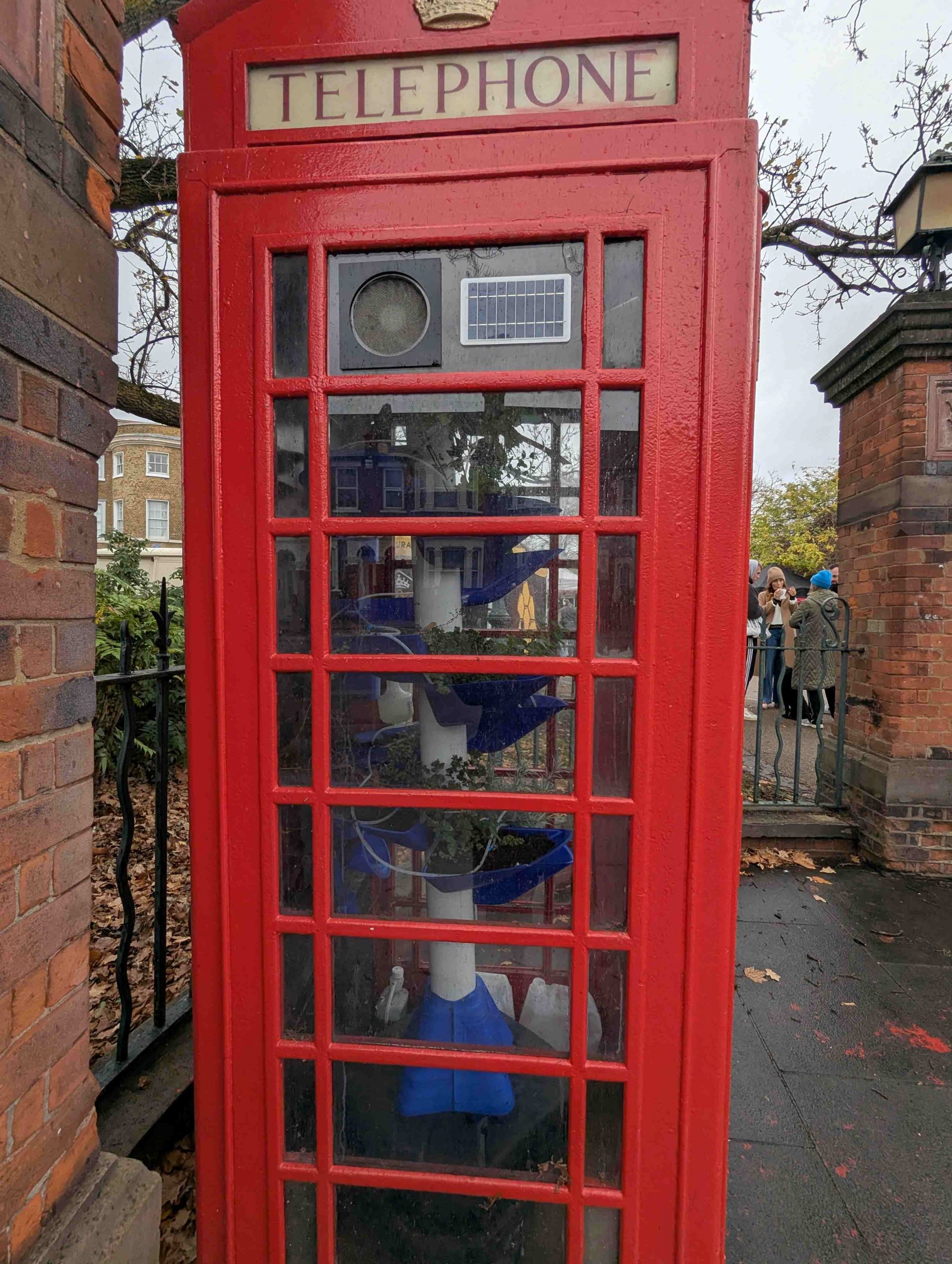
I love the little solar panel on this box in Whitstable (hard to see in the photo though).
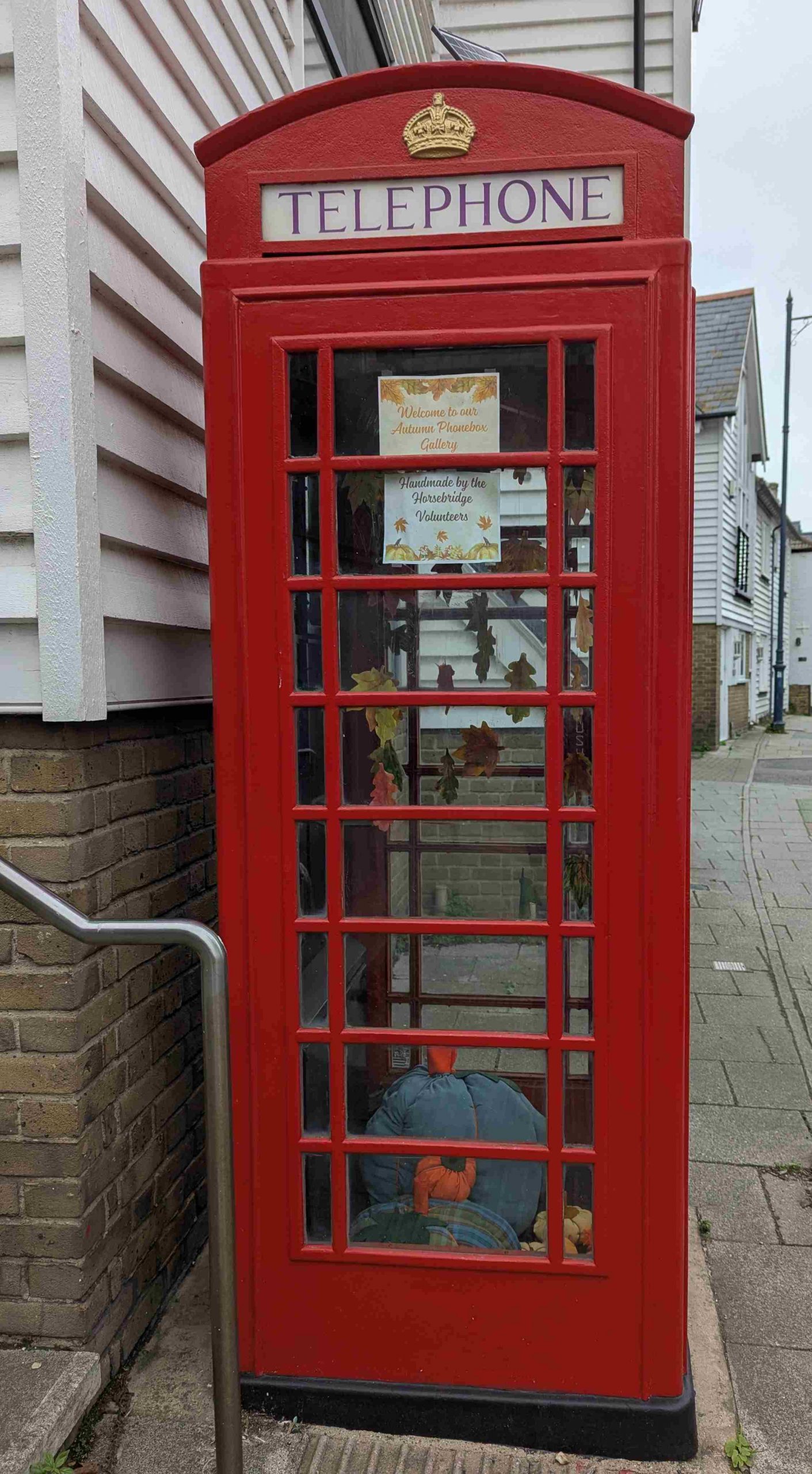
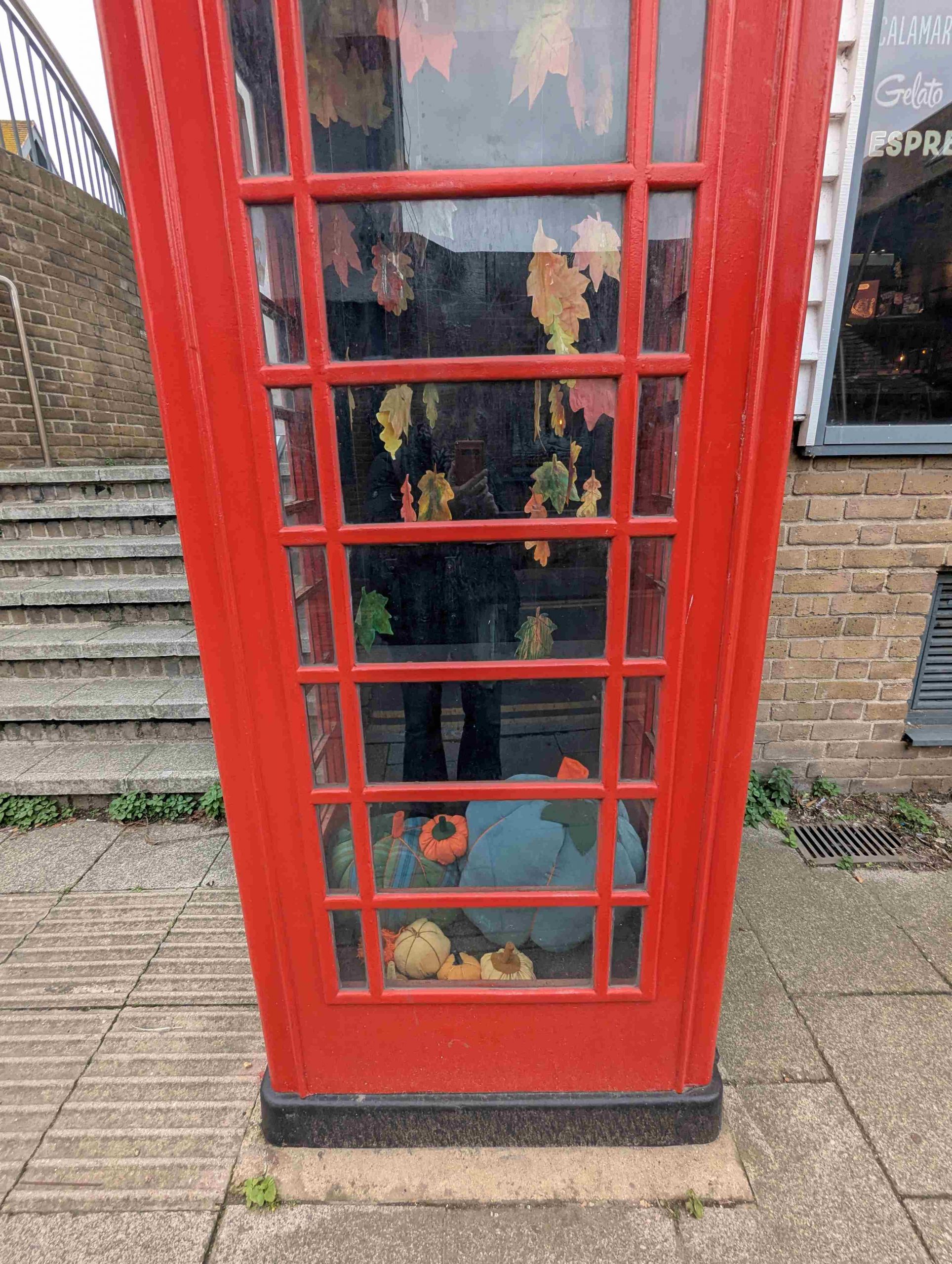
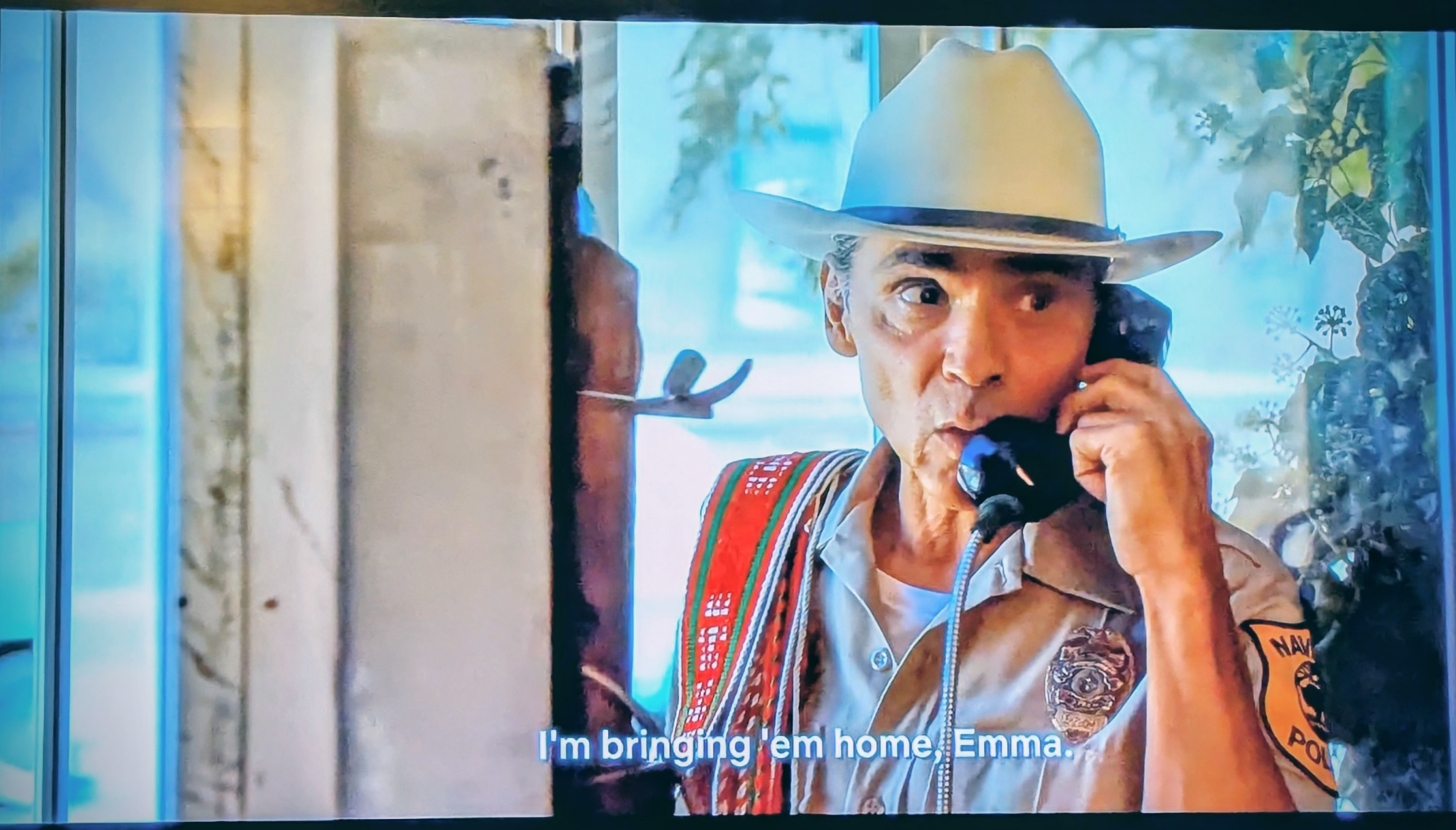
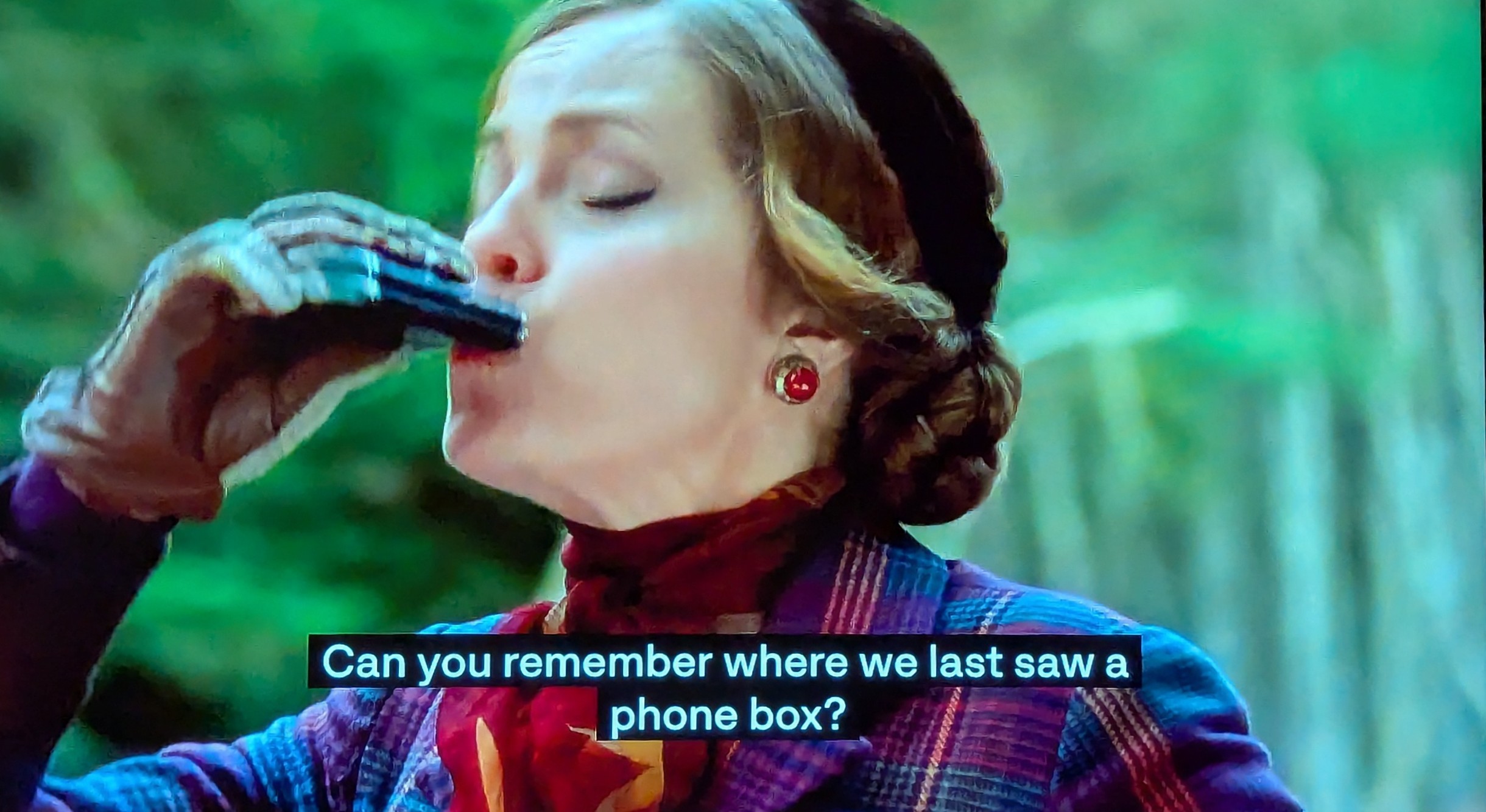
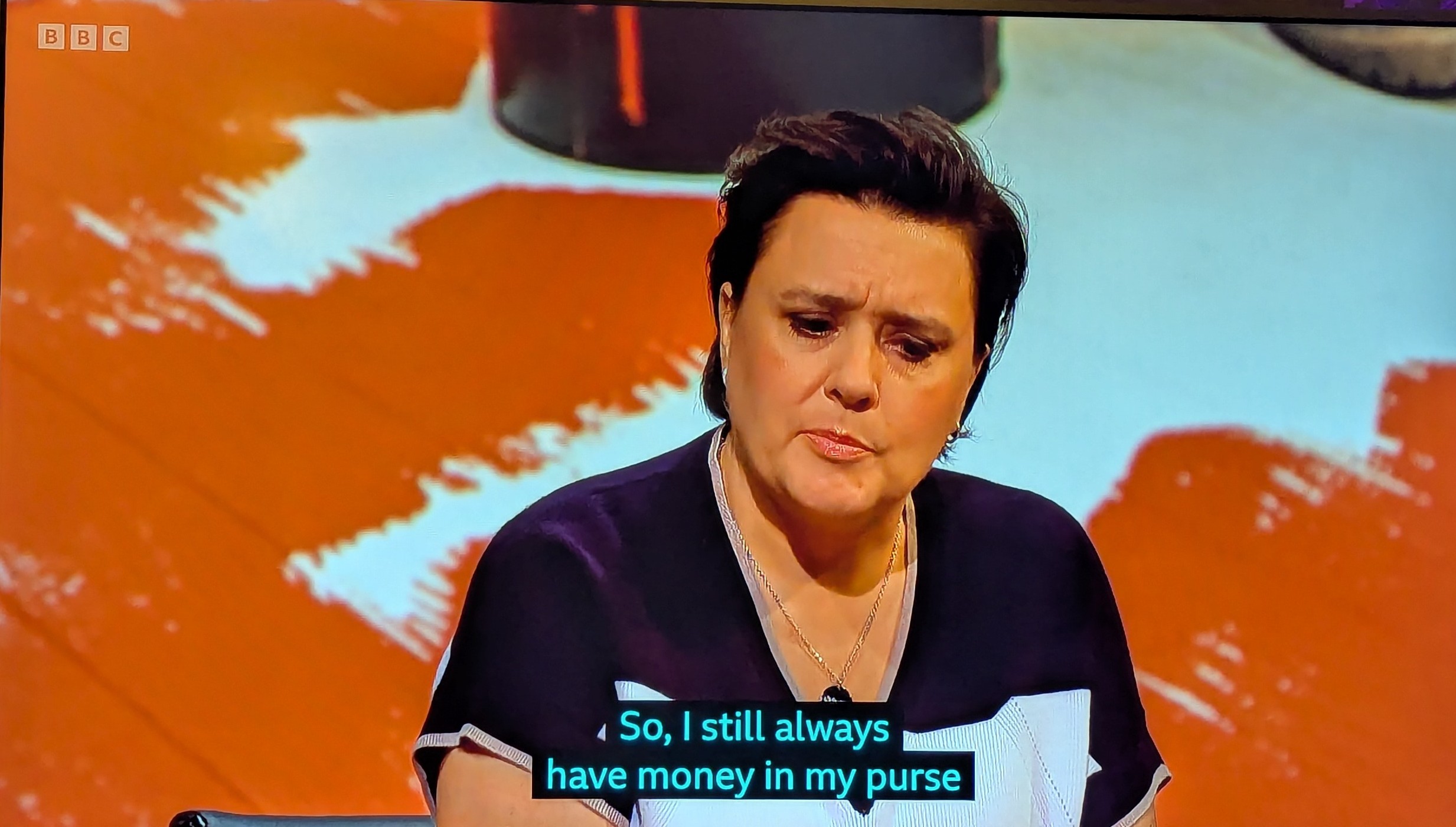
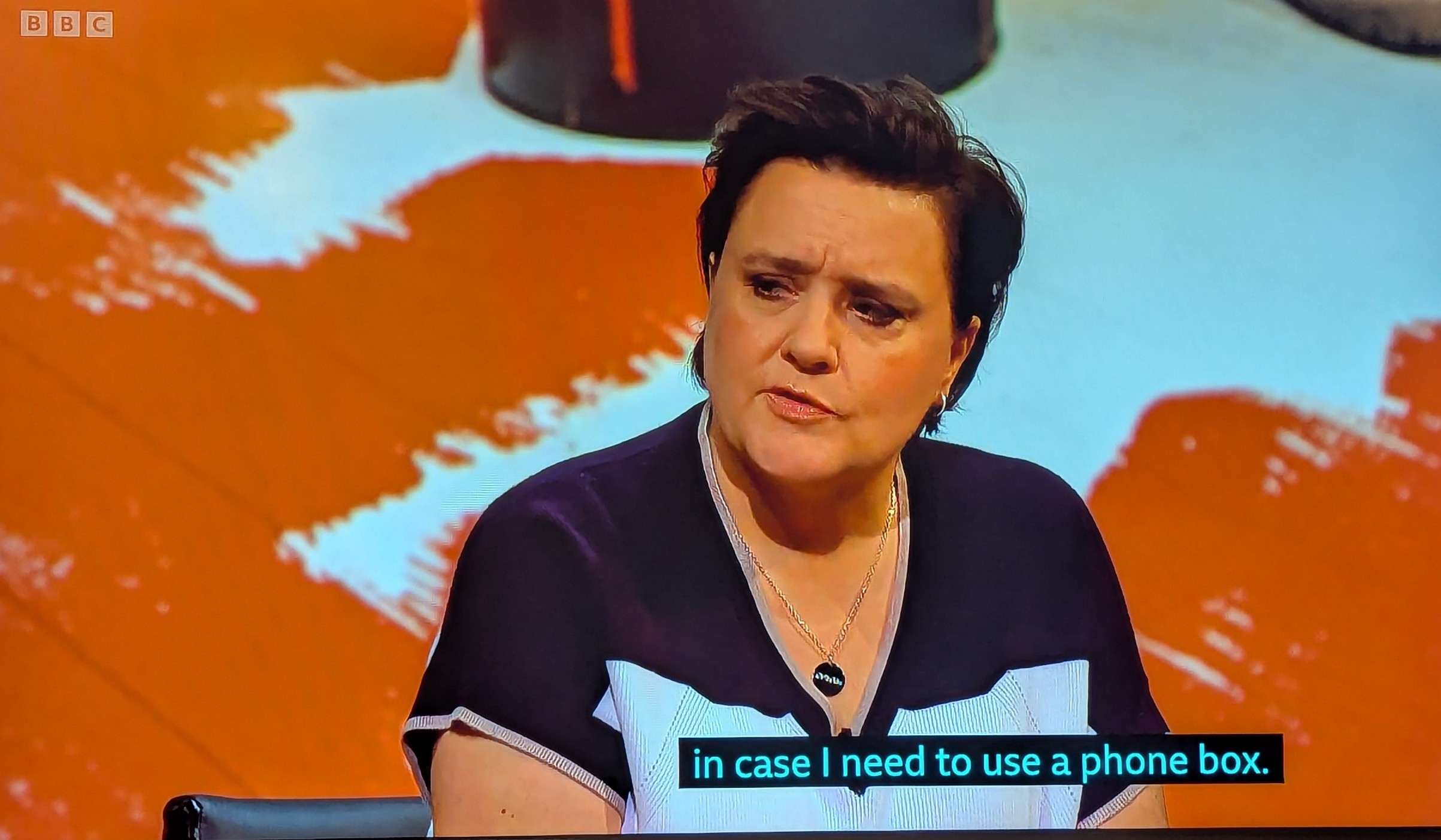
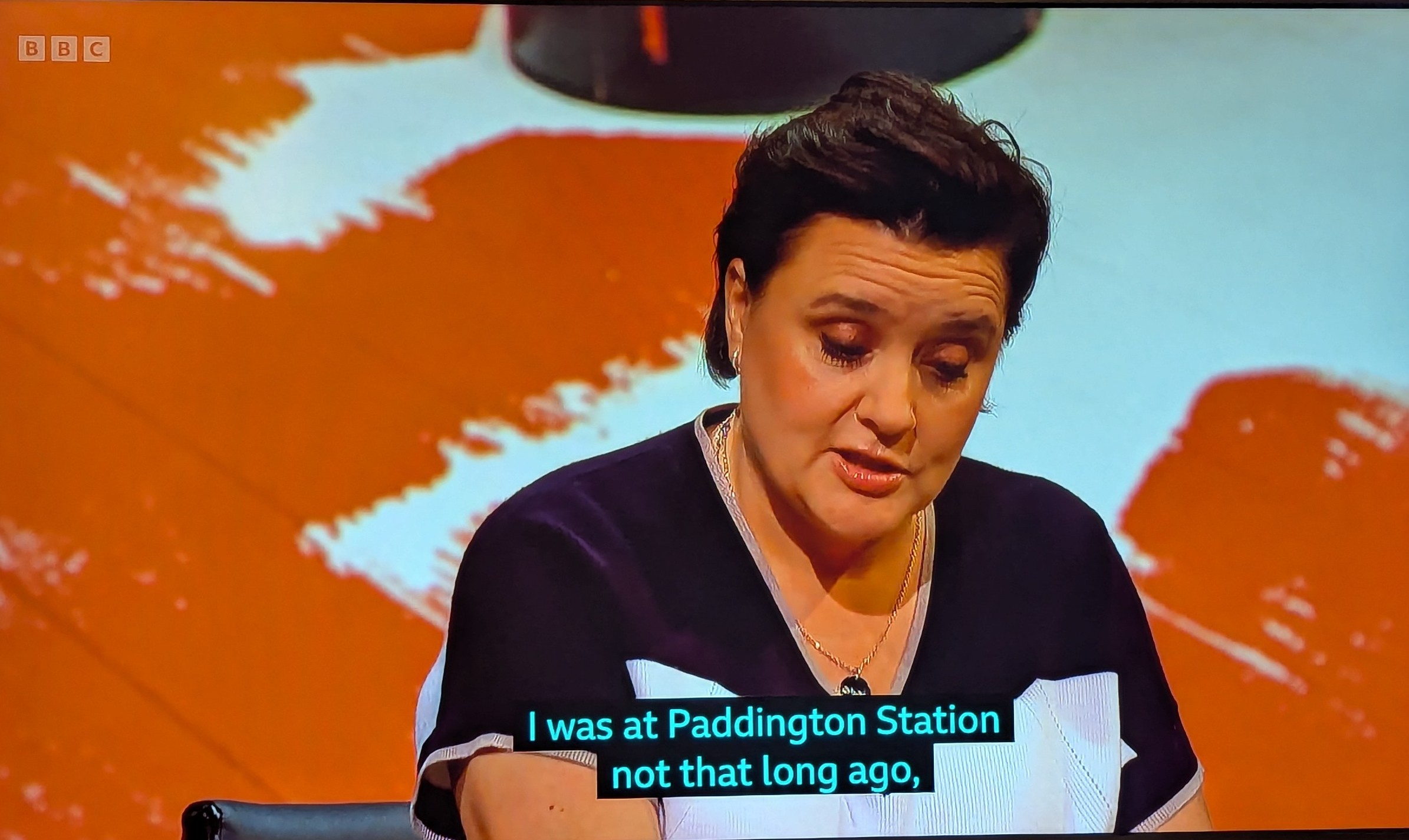
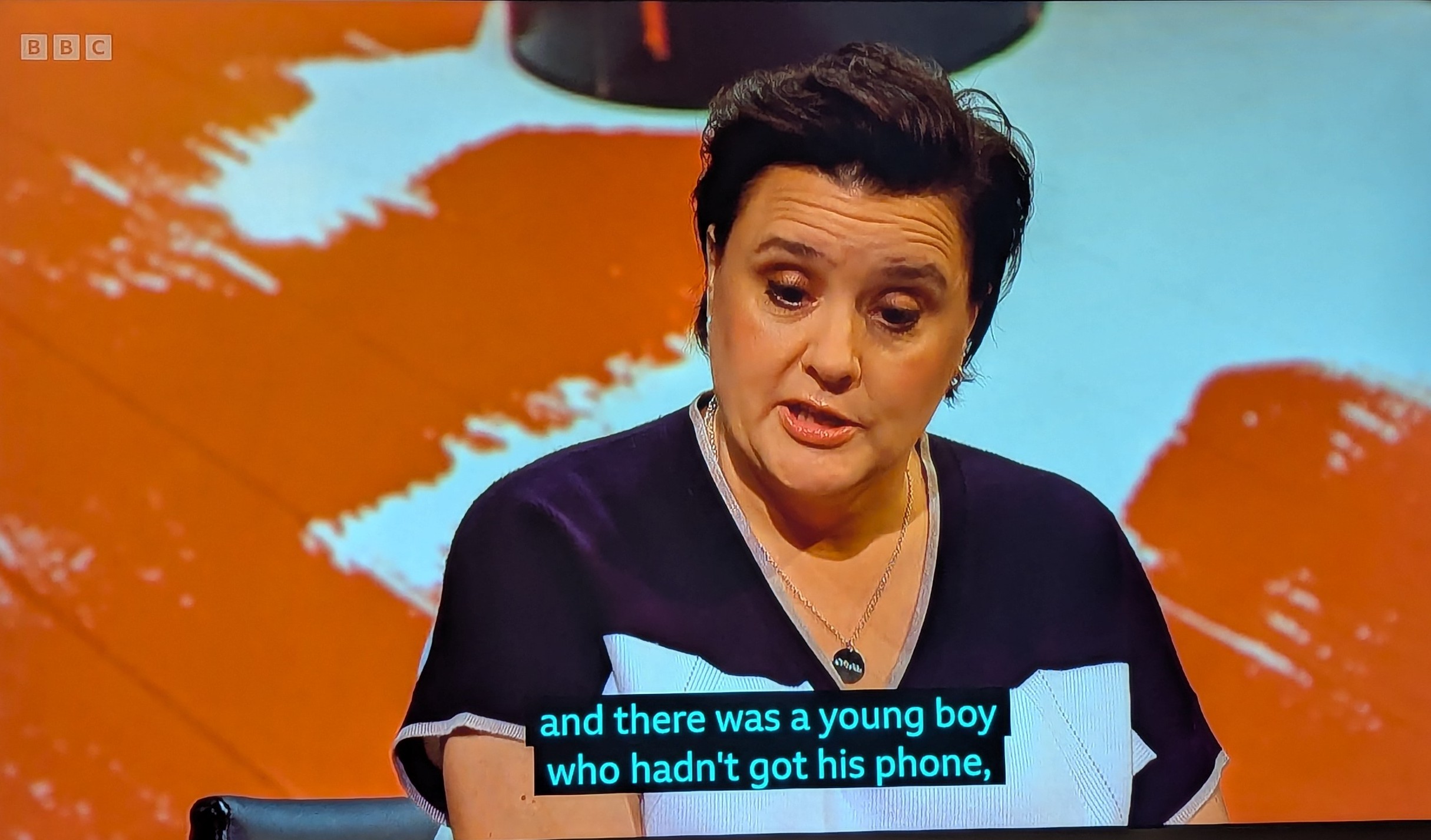
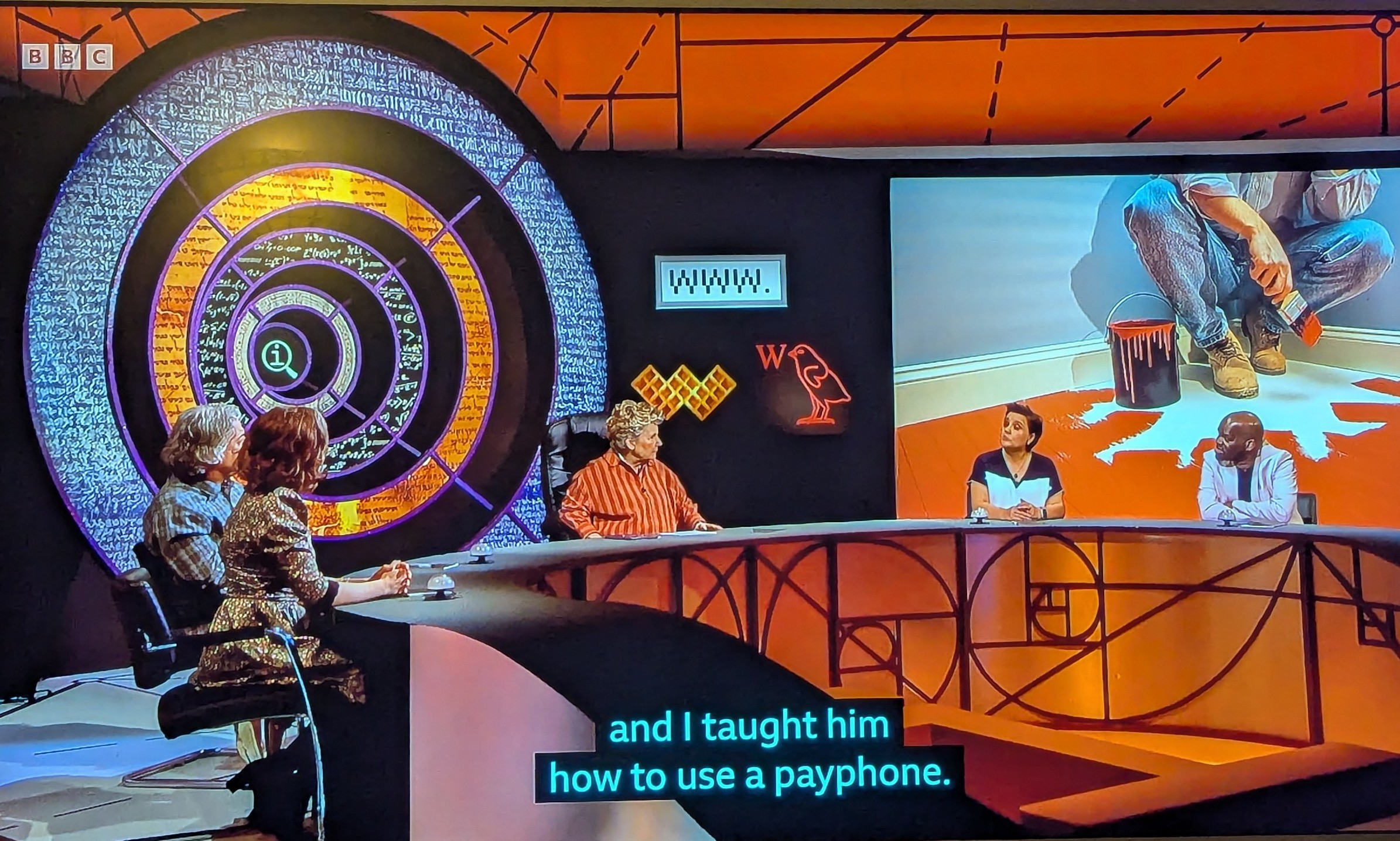
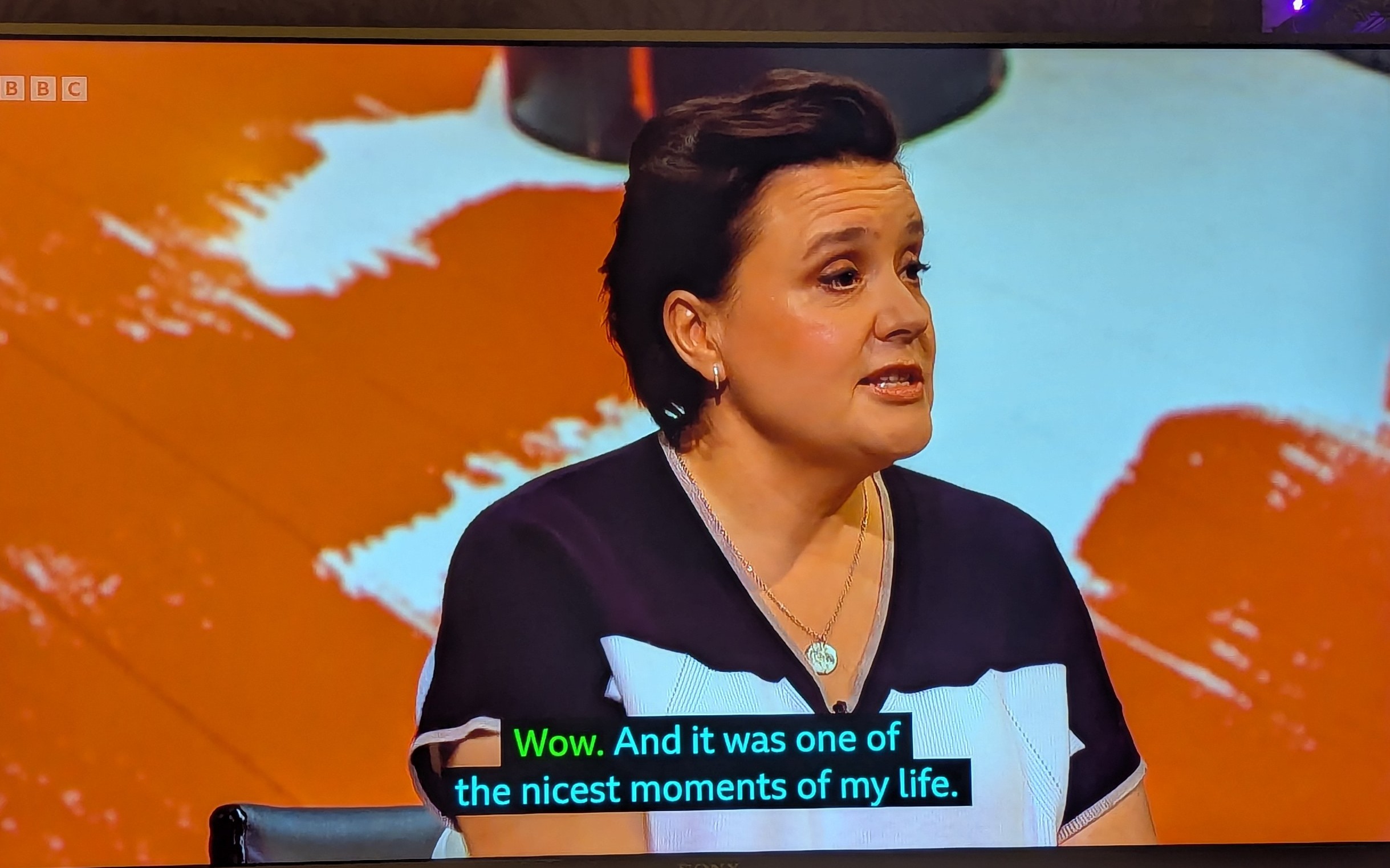
Here is an excellent little story, in the form of screenshots, from Susan Calman, appearing recently on QI.
Comments Off on Phone boxes bring people together
Posted in Media
Tagged community, television, UK, urban
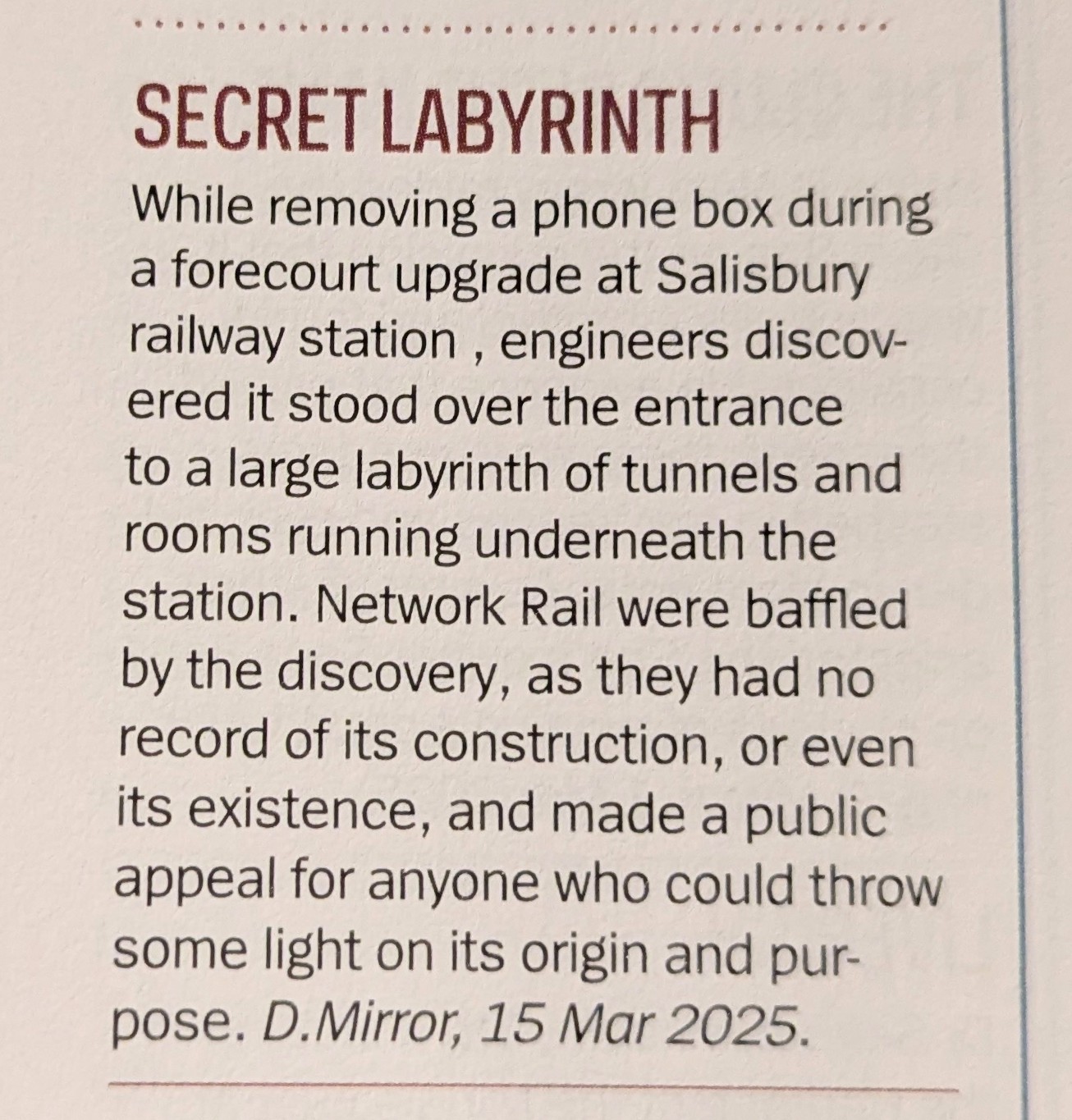
I’ve been squirrelling away phone things…
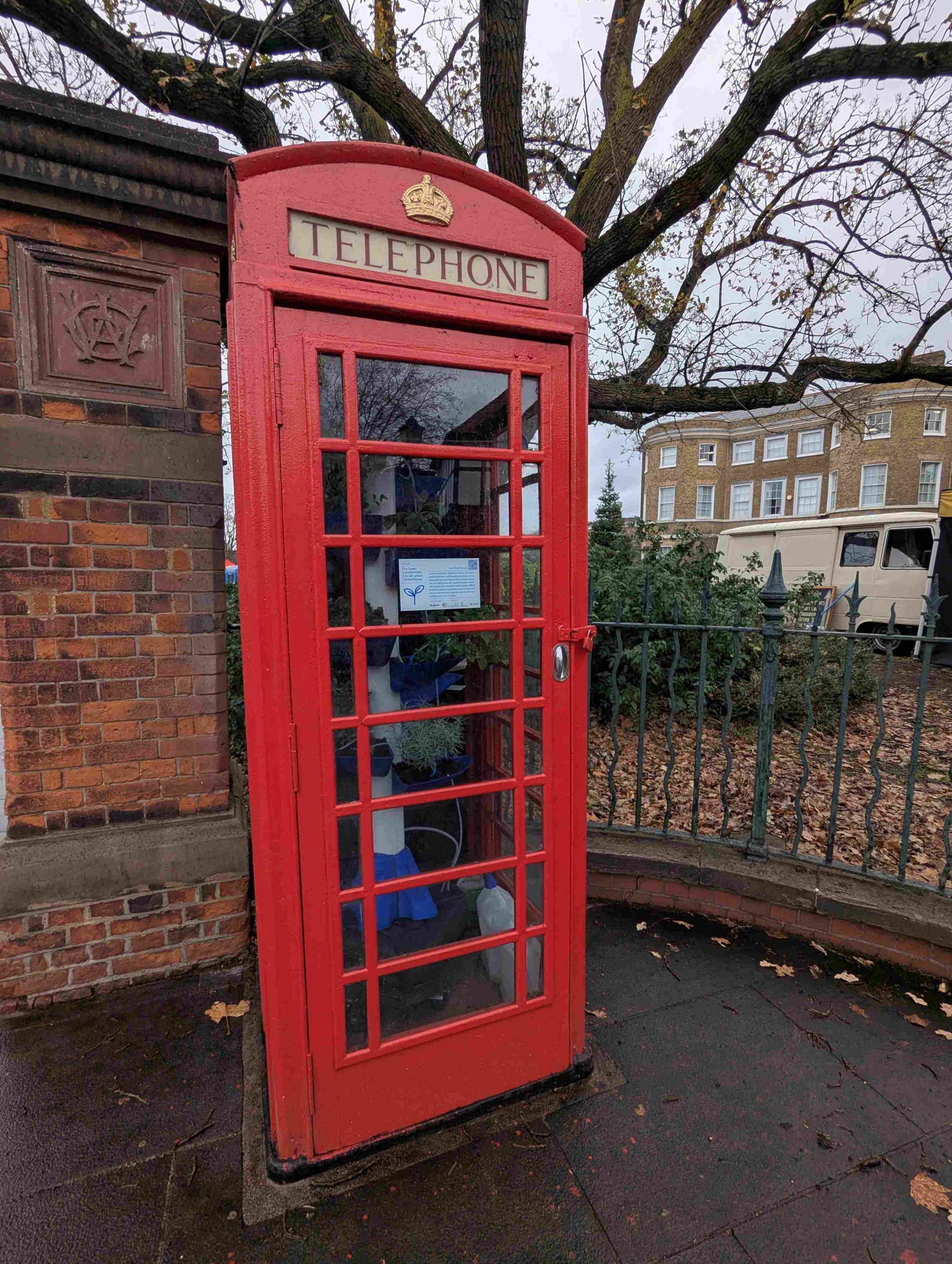
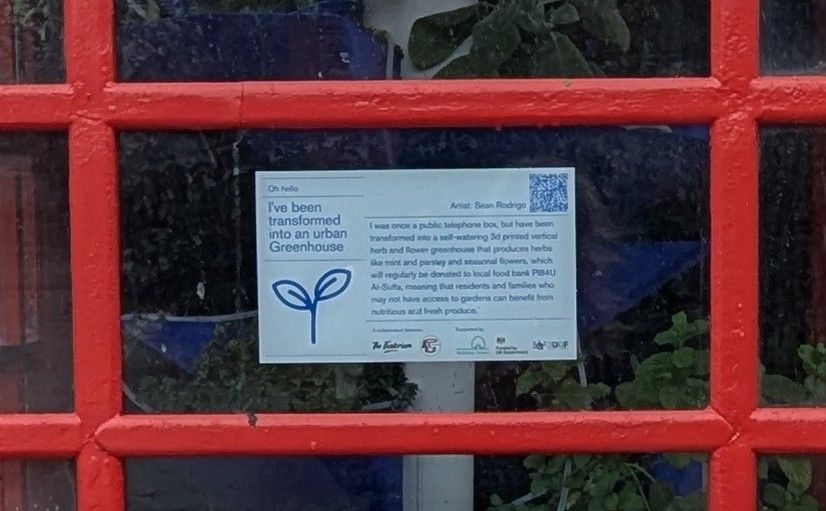
Visited the William Morris Gallery in Walthamstow, London, yesterday. They’ve done a very cool thing with the phone box at the front of the property by turning it into a greenhouse.
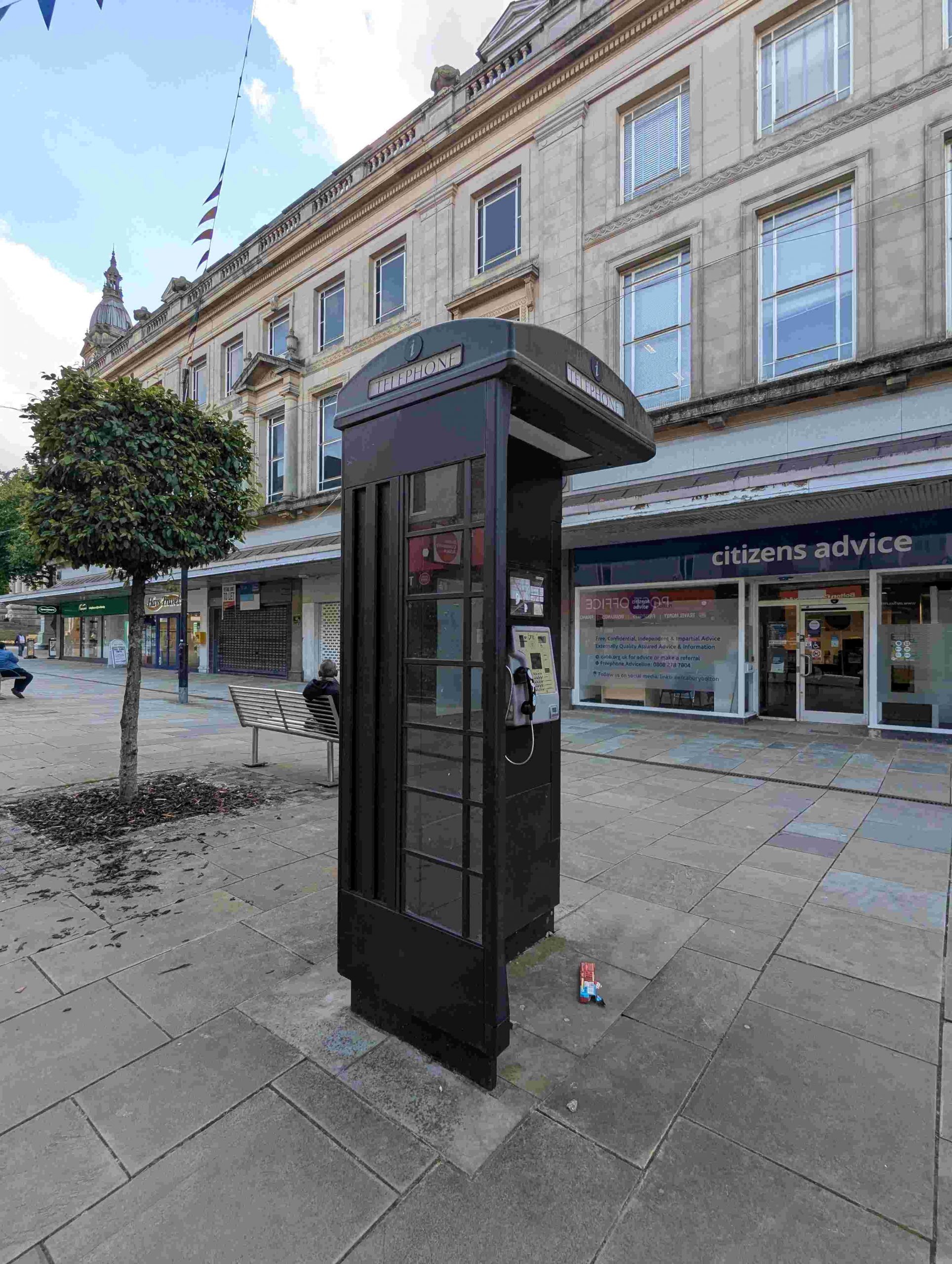
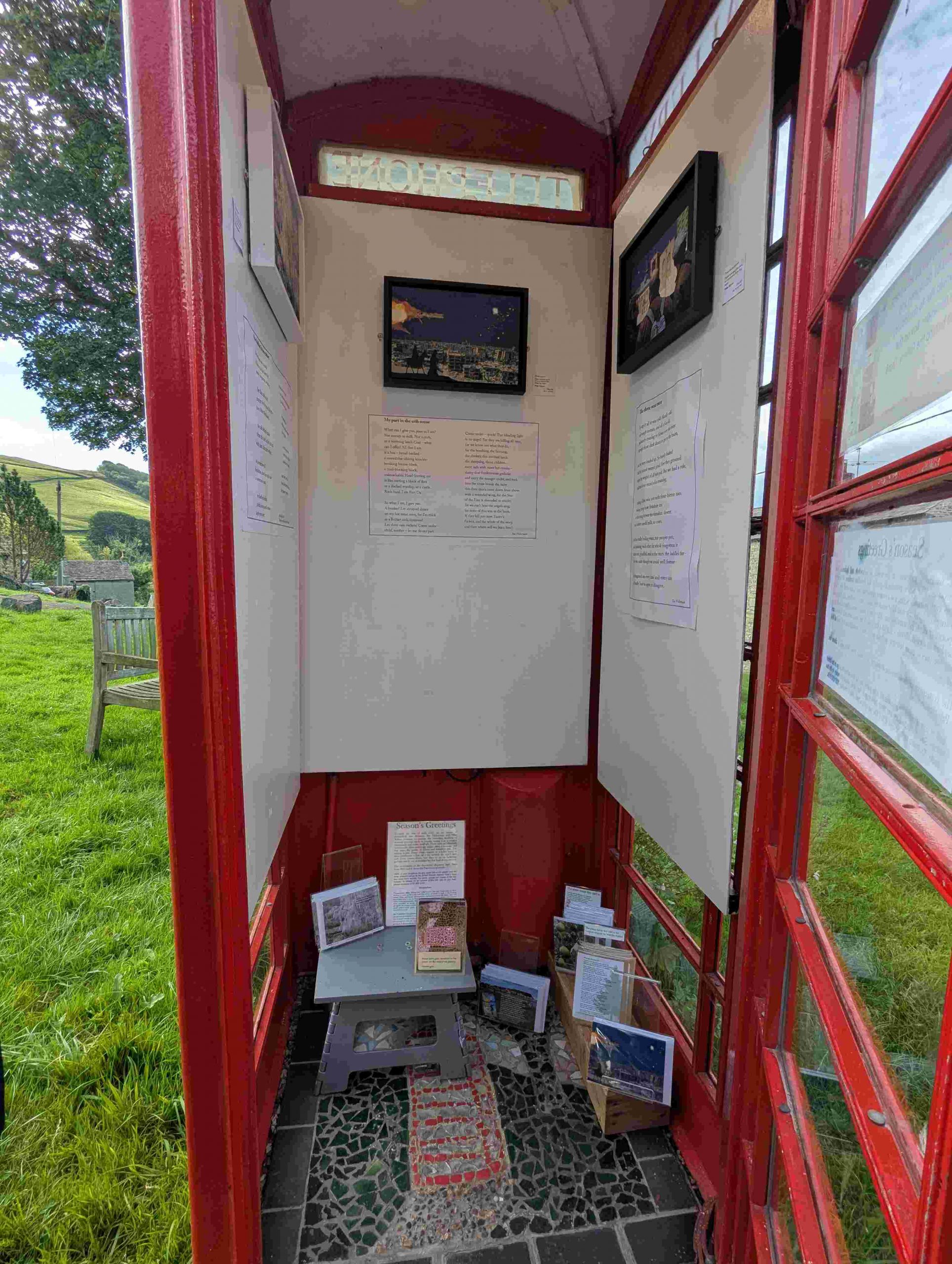
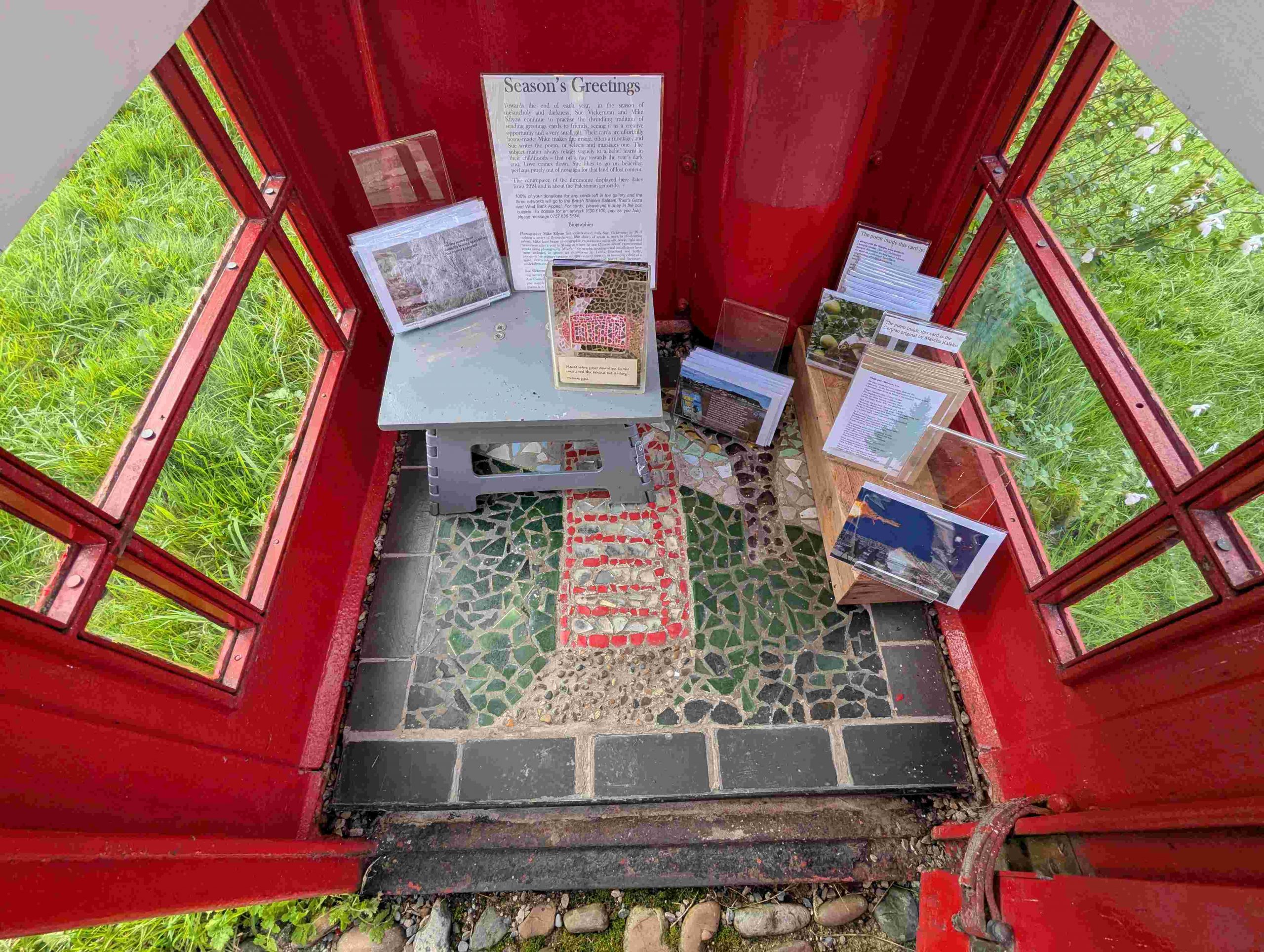
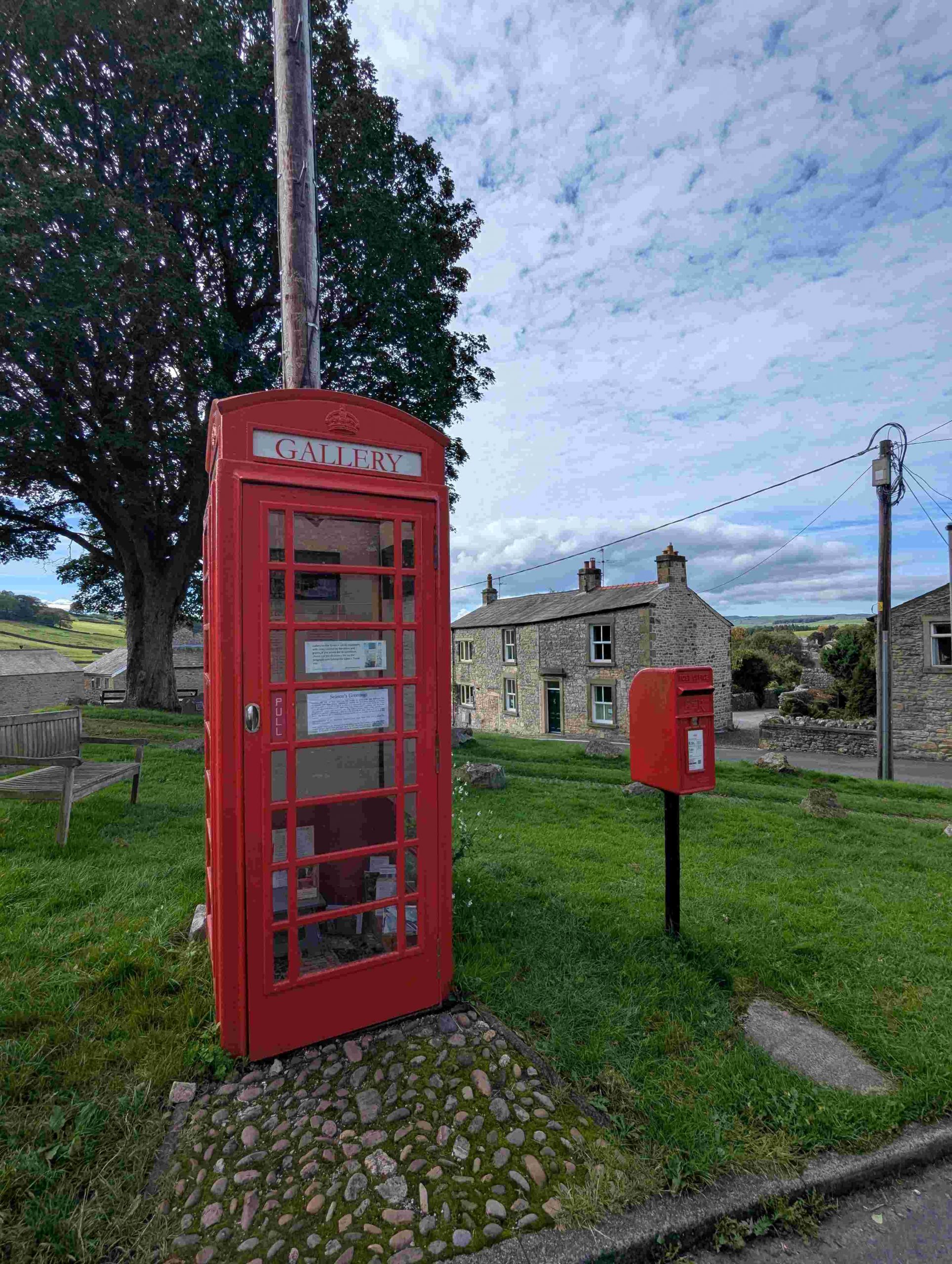
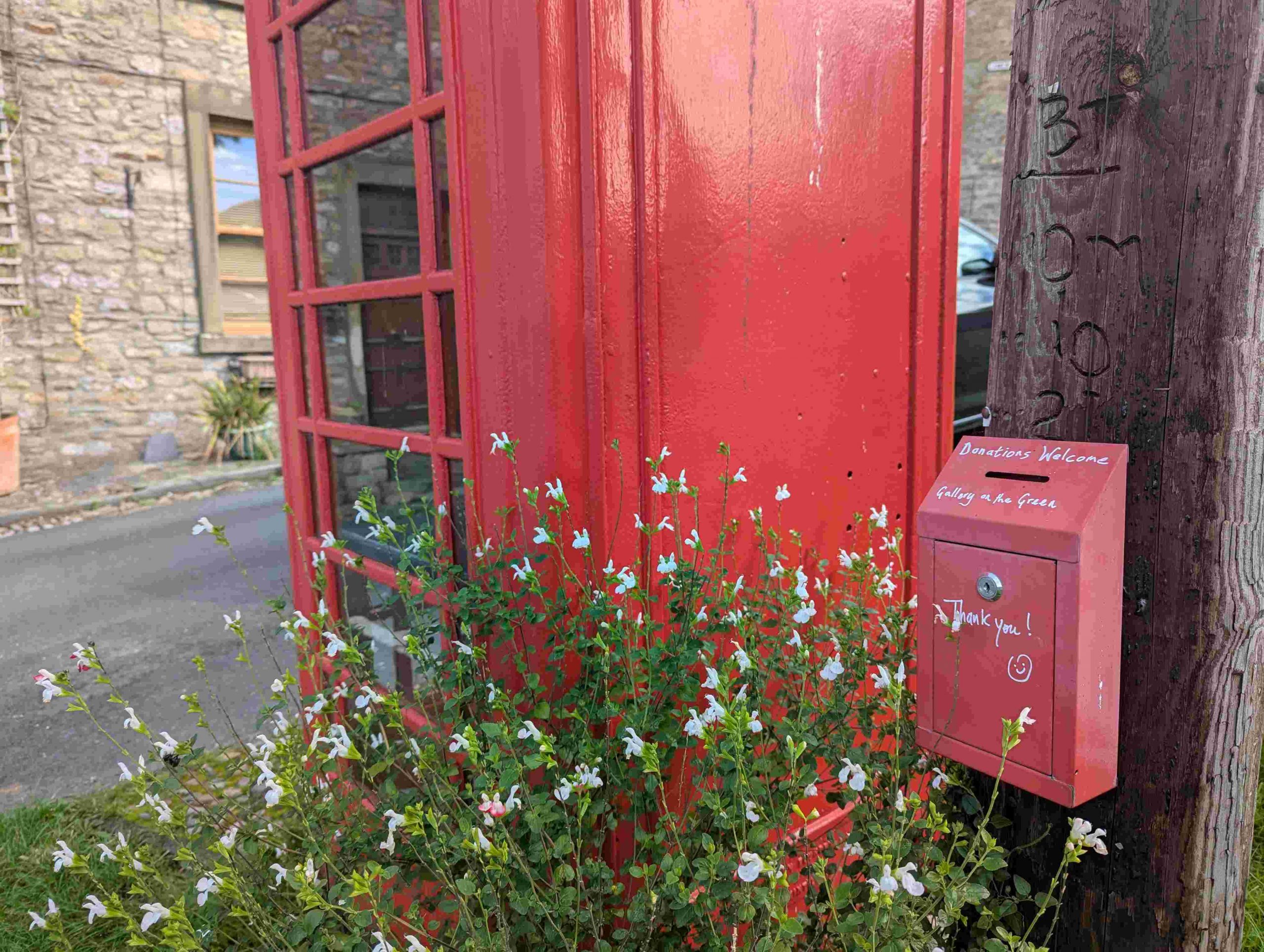
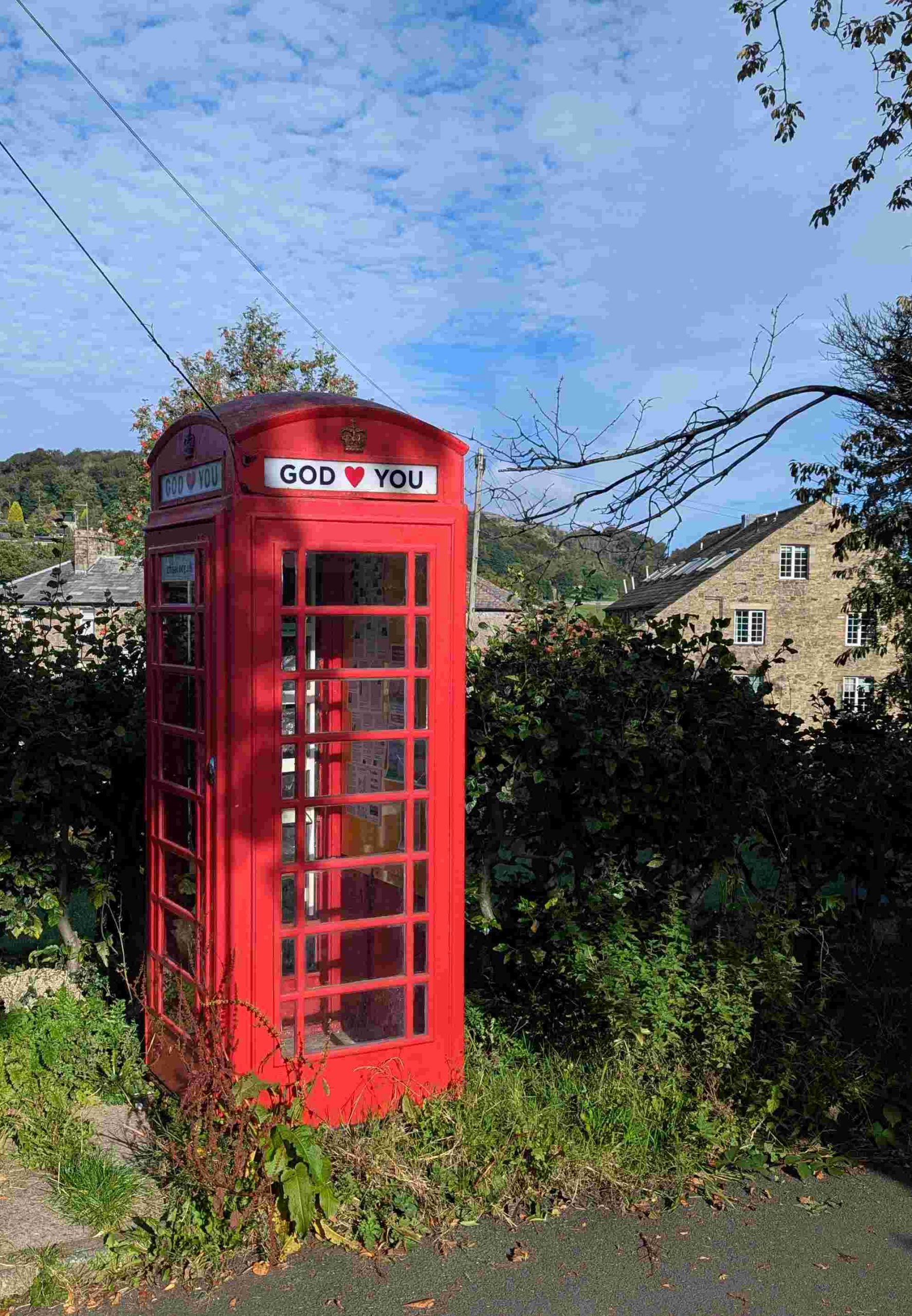
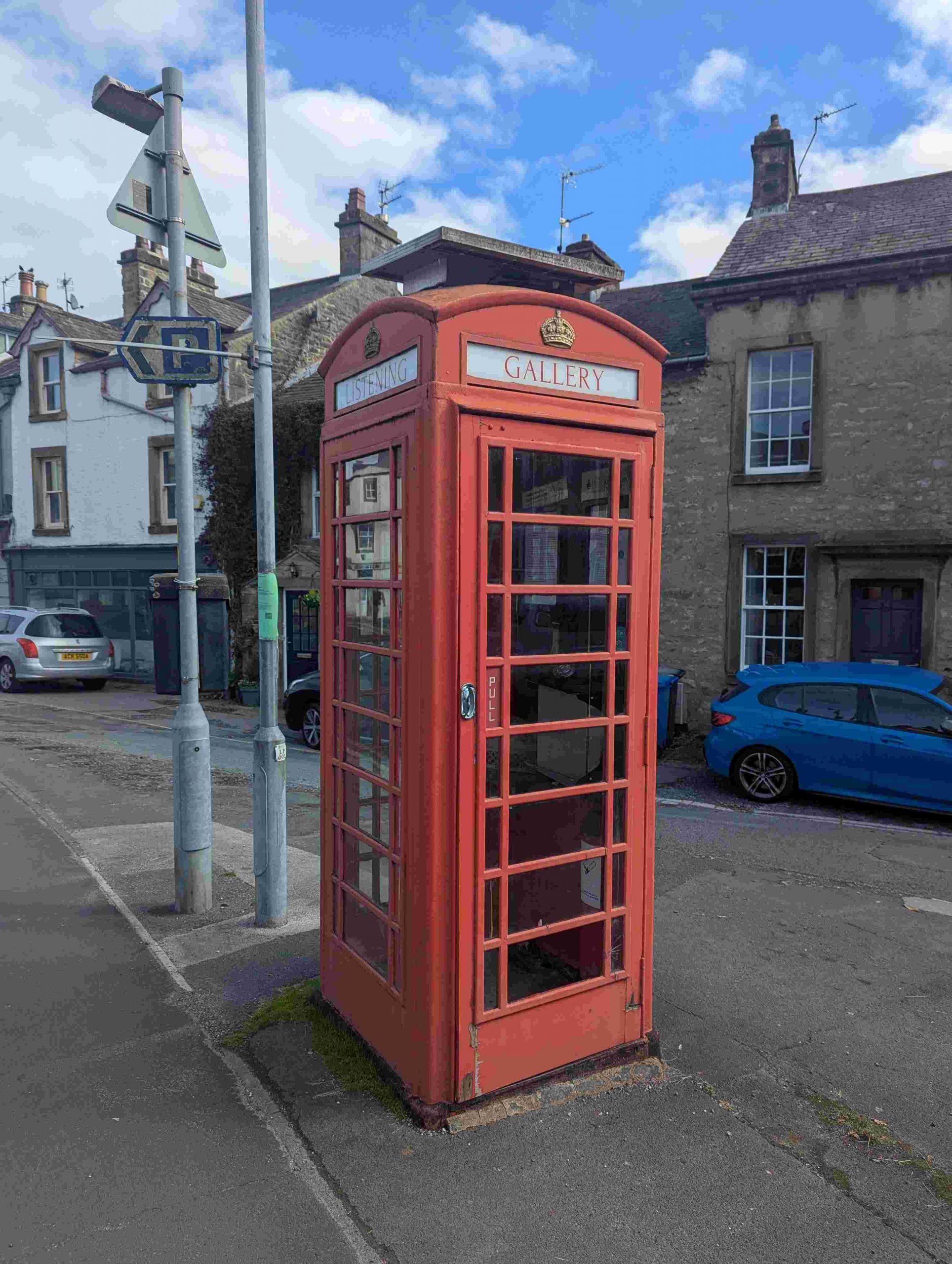
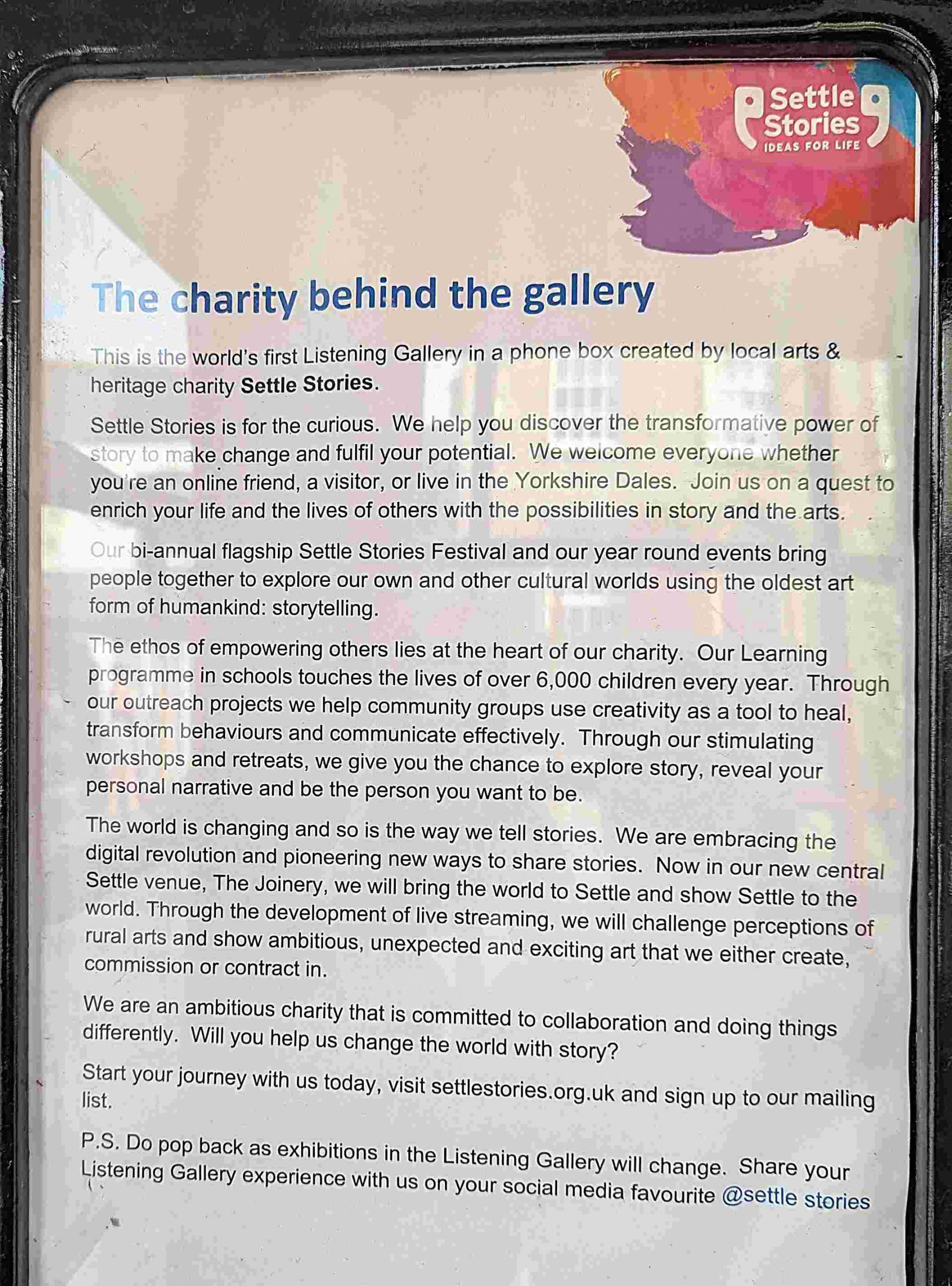
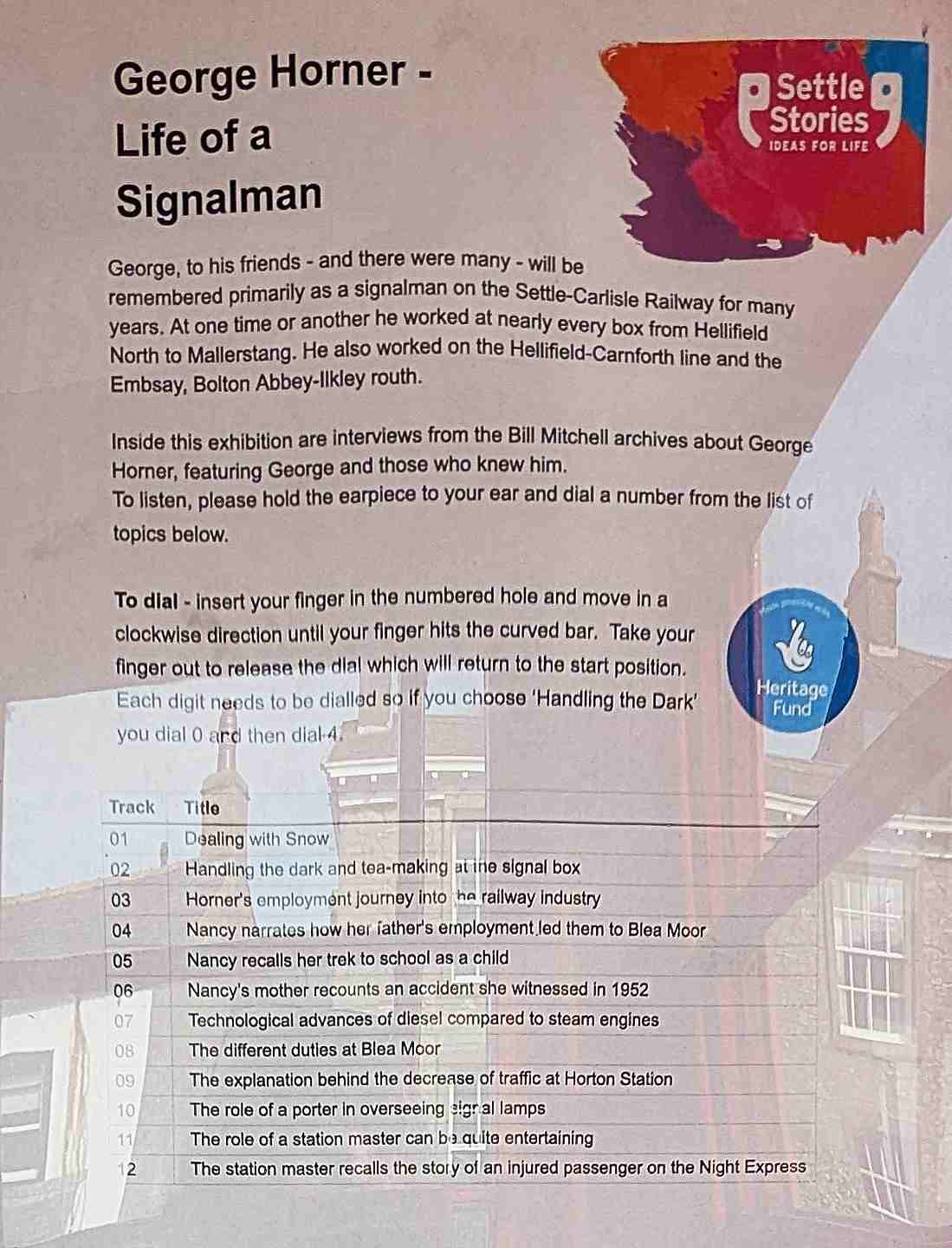
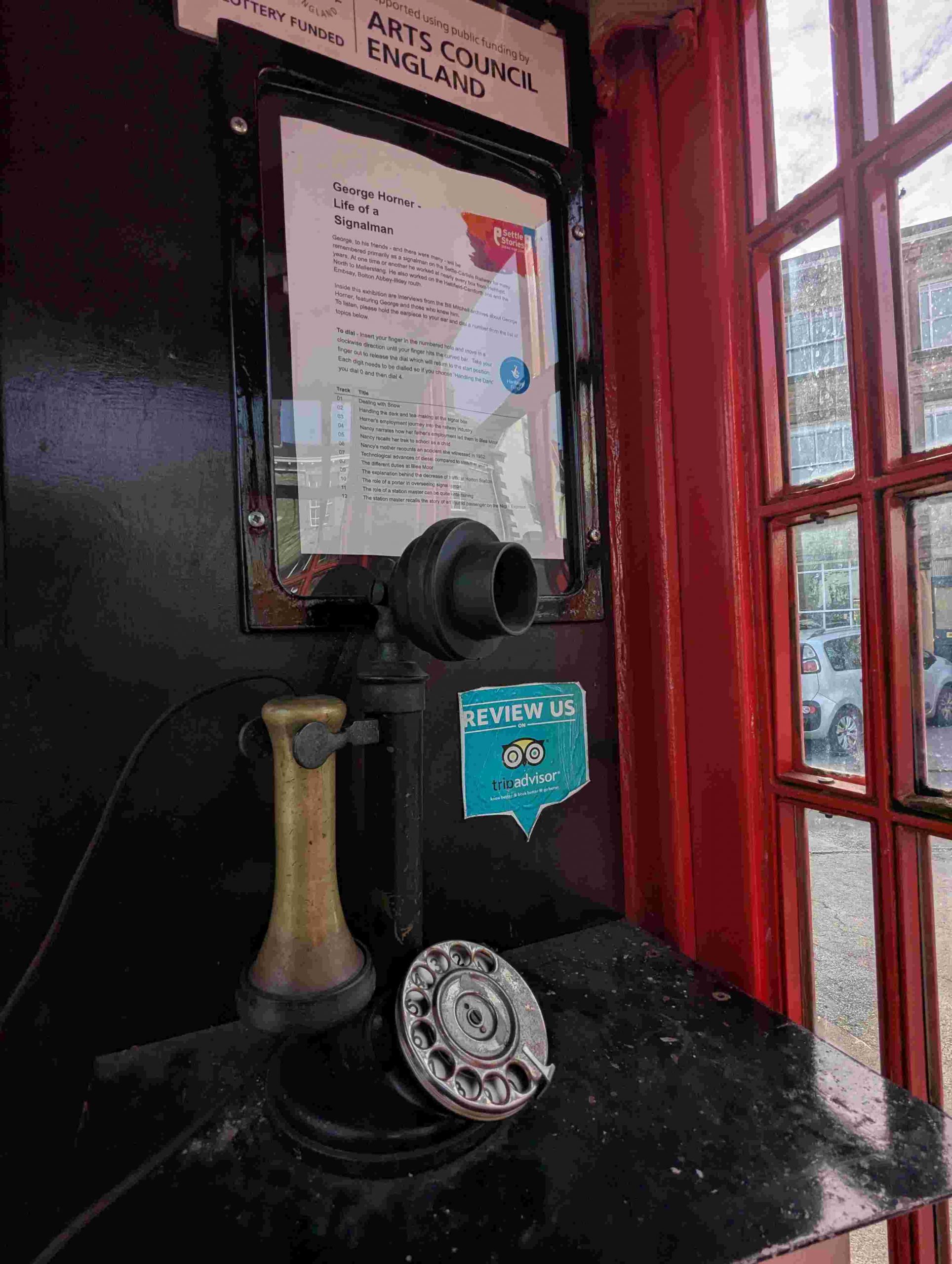
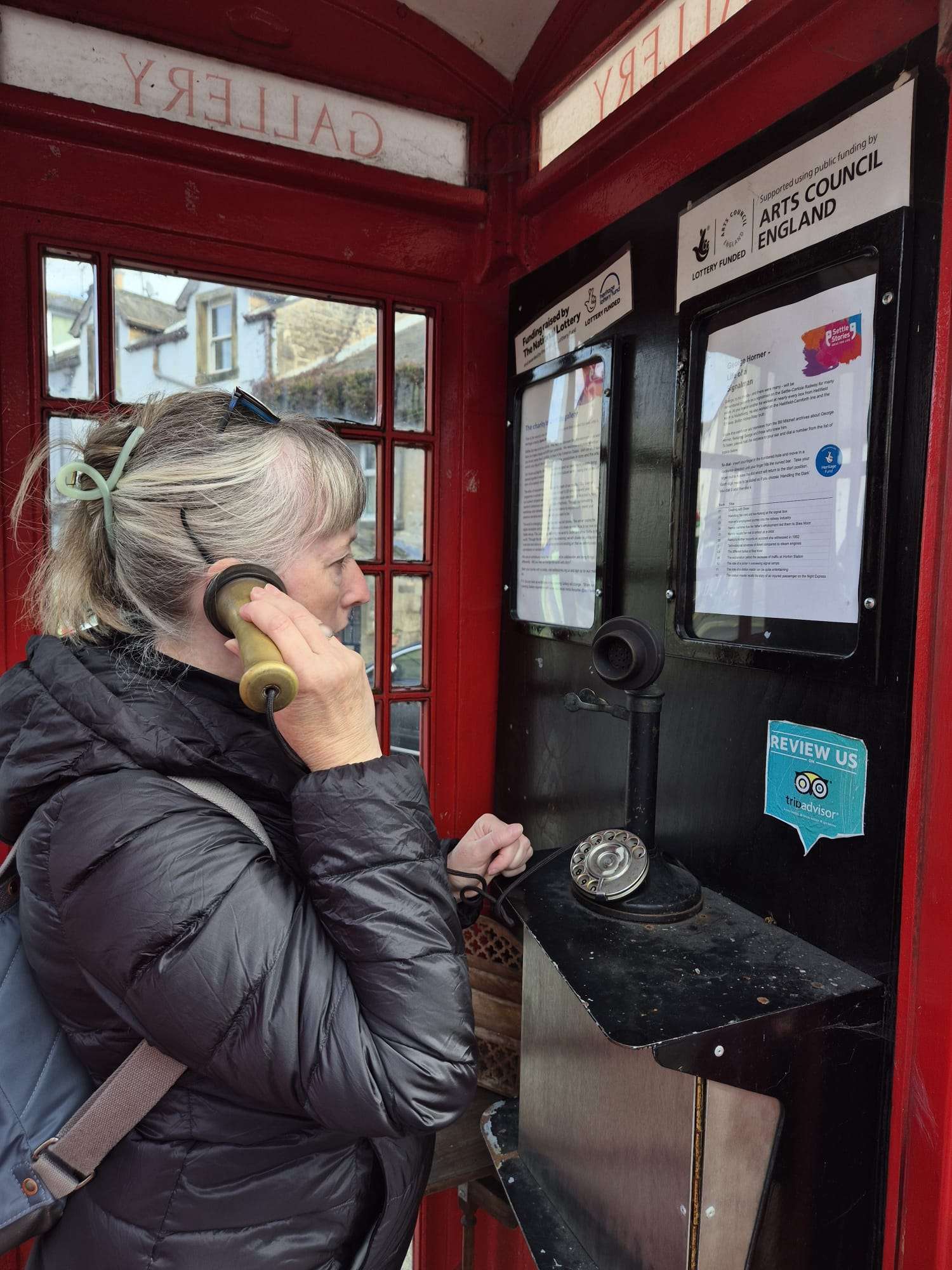
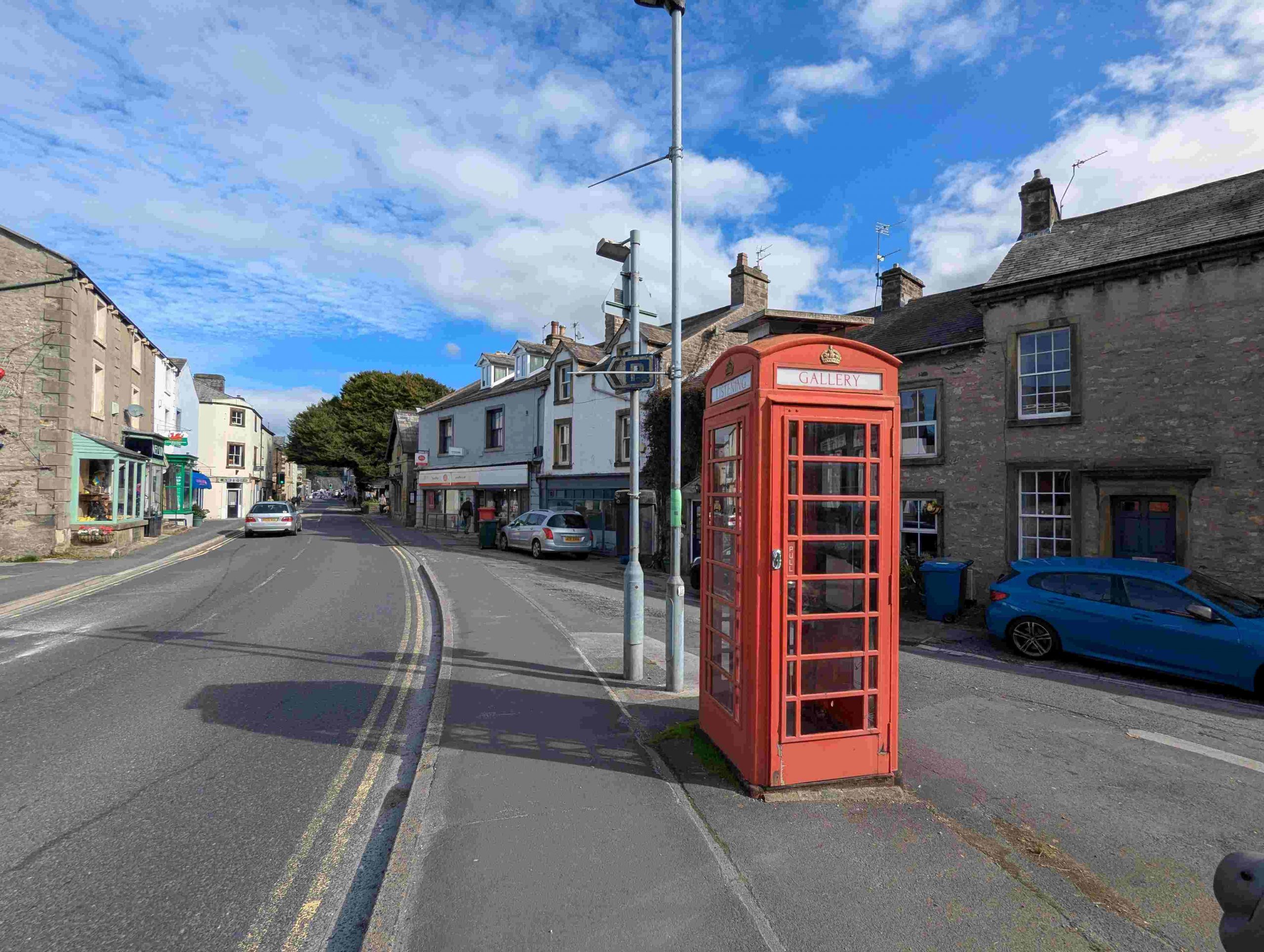
Phone boxes are still very much part of the landscape here. Particularly in Settle, where I finally got to visit the little art gallery on the Green.
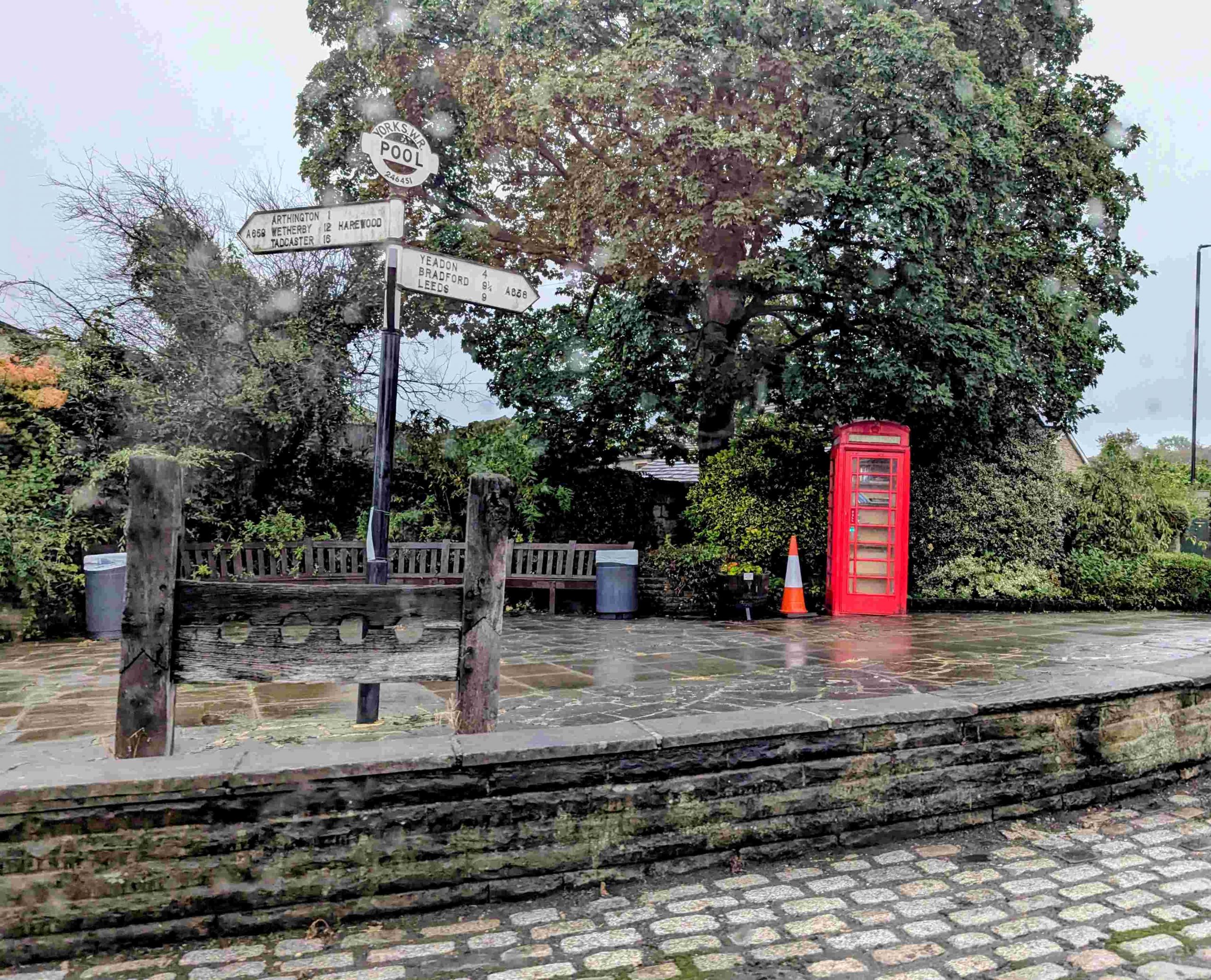
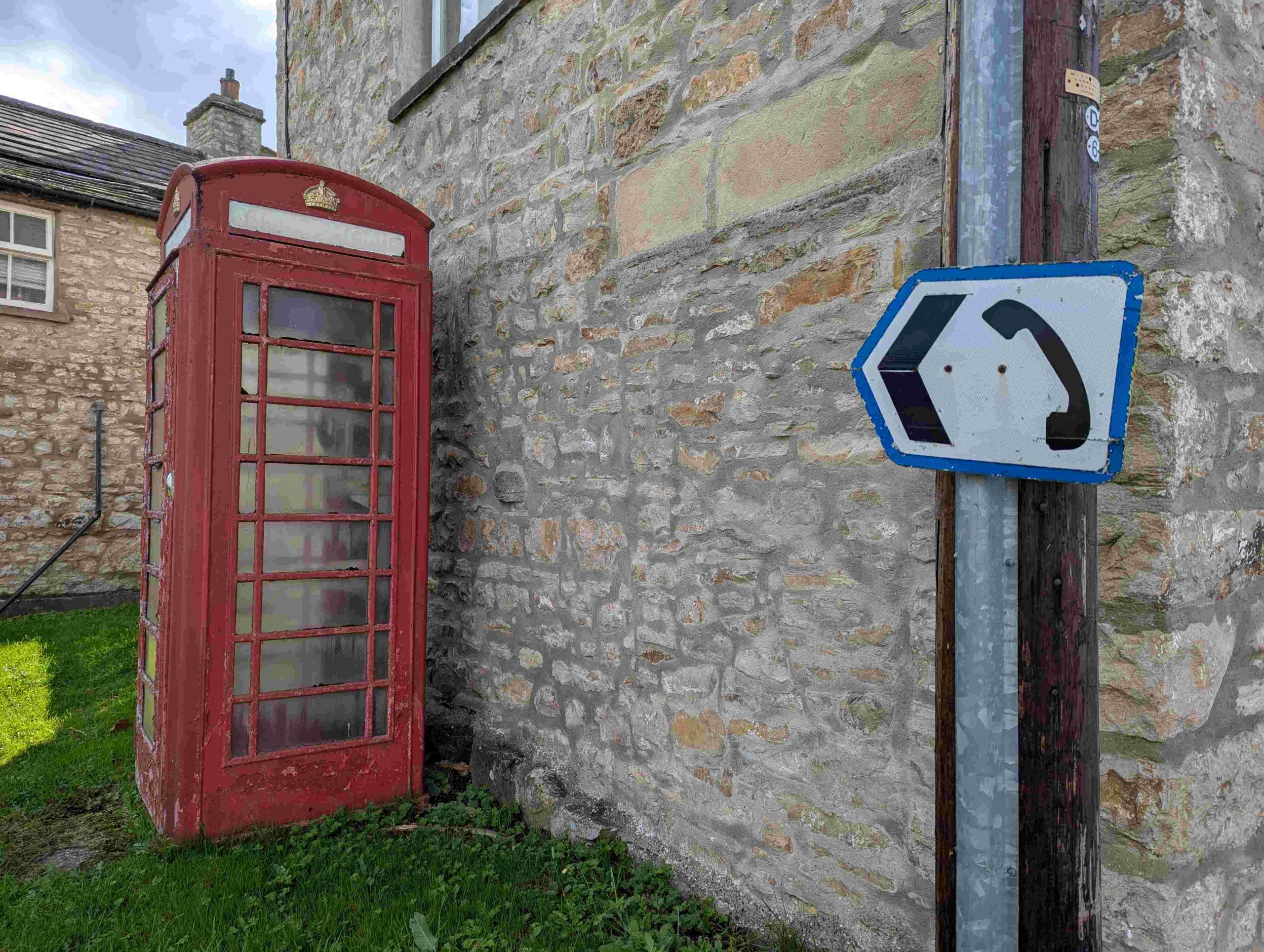
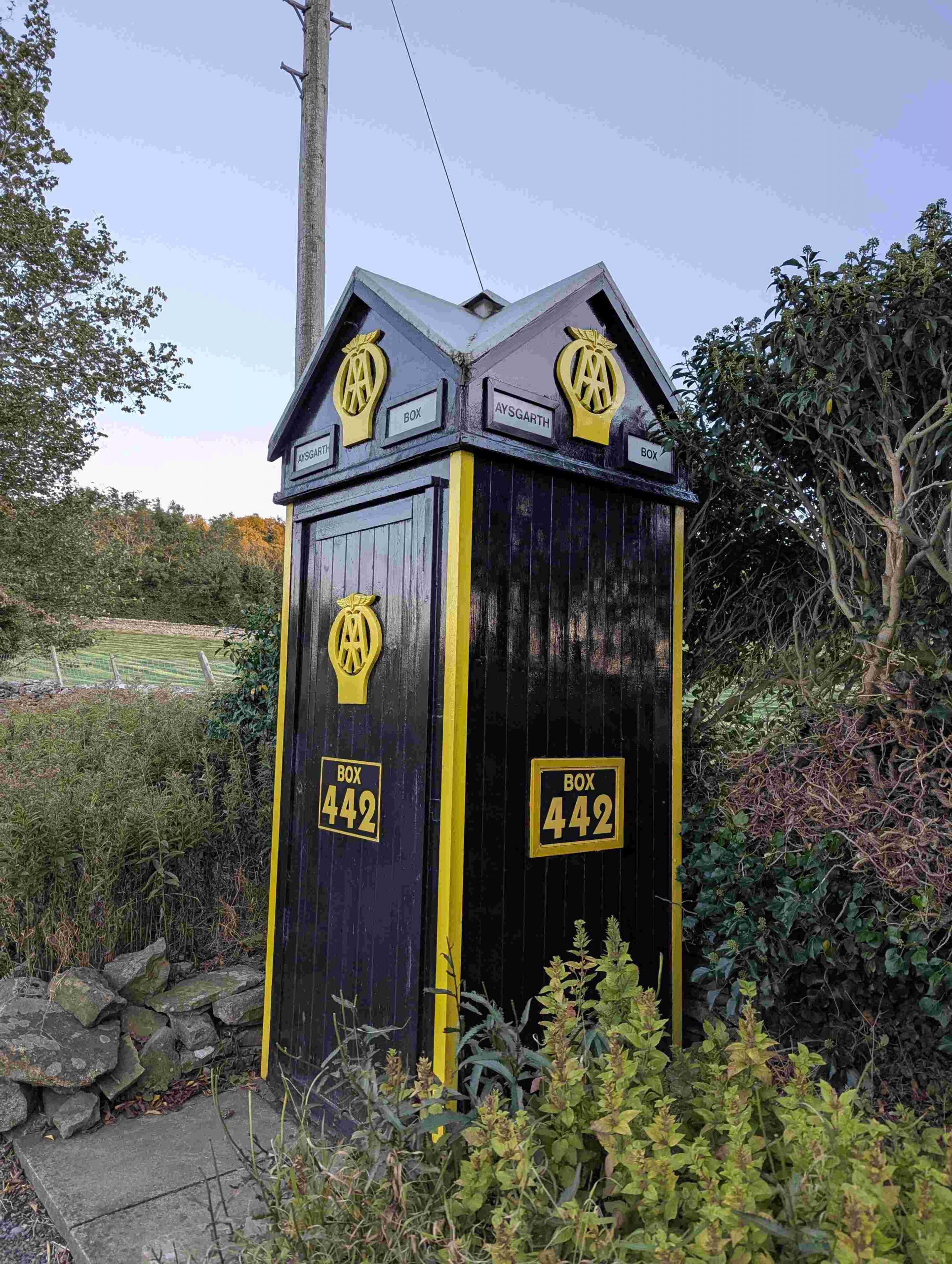
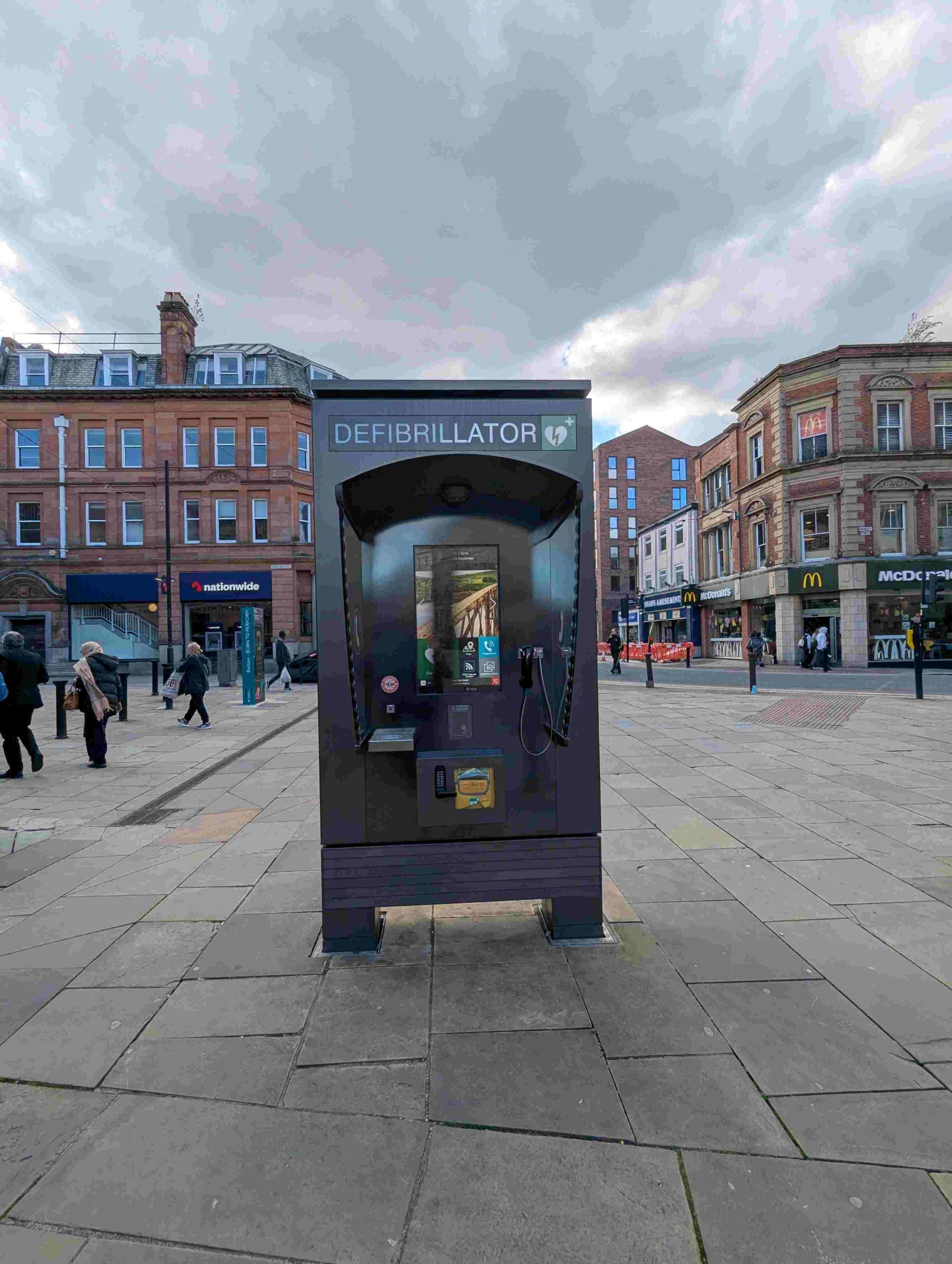
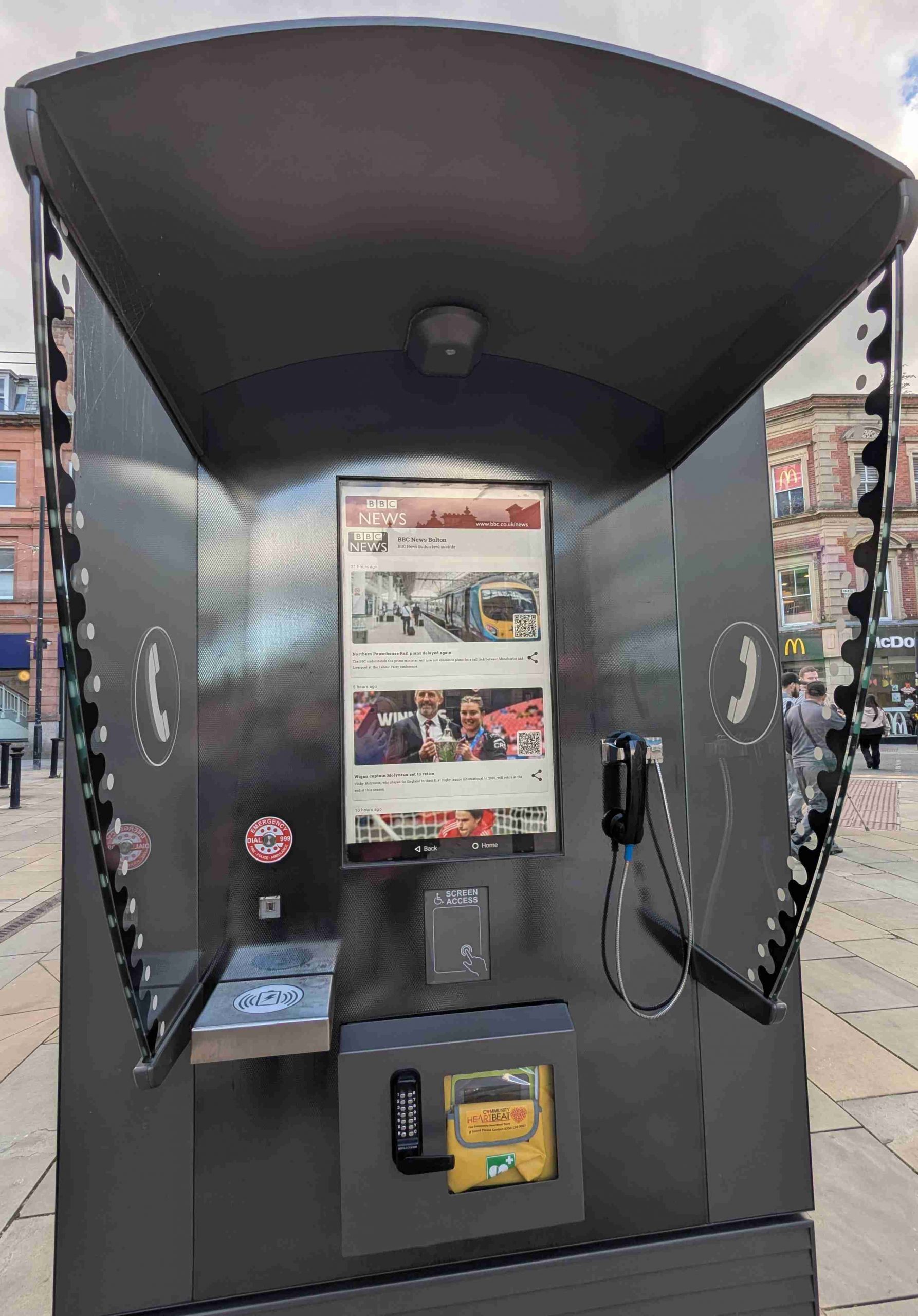
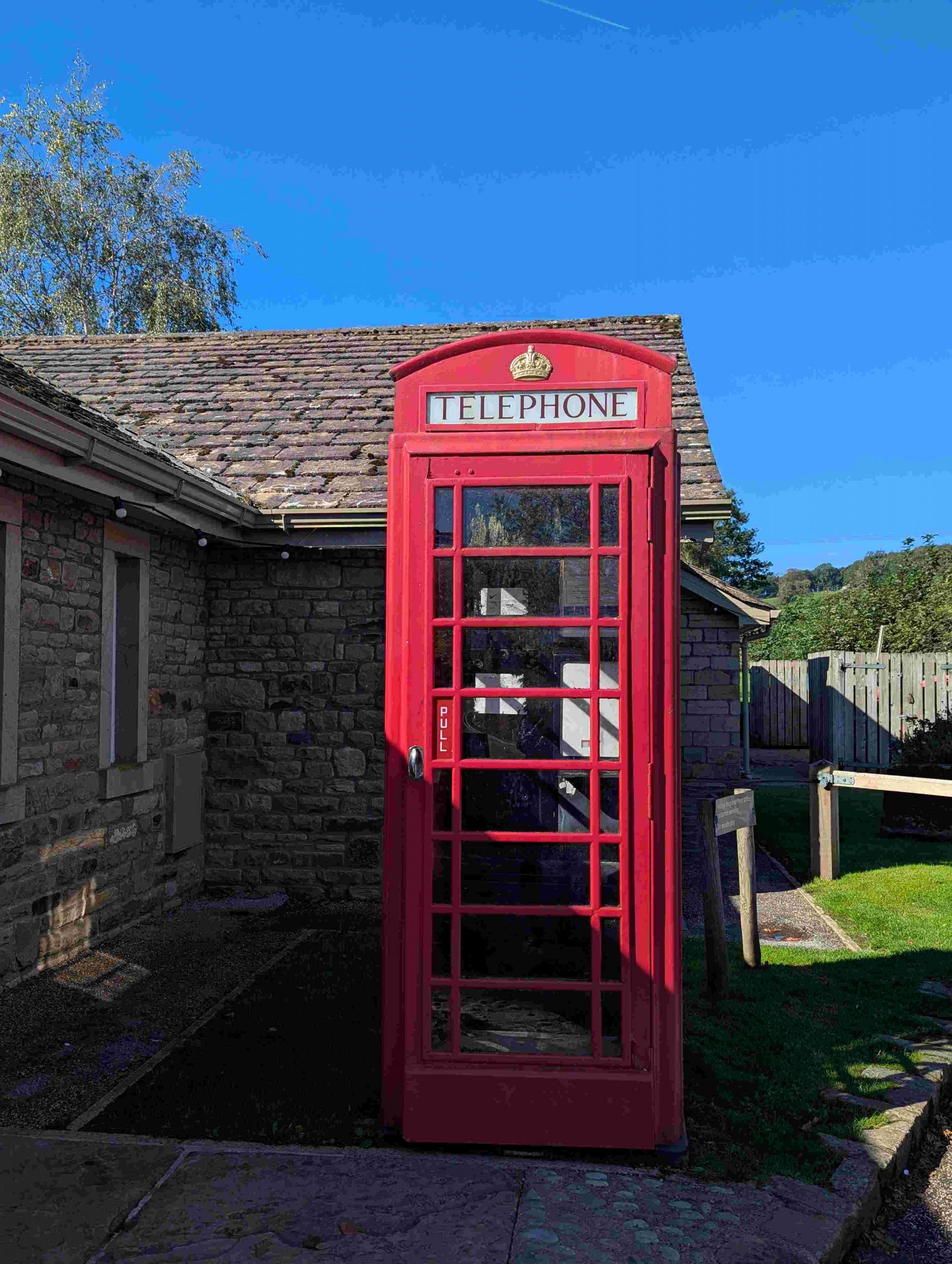
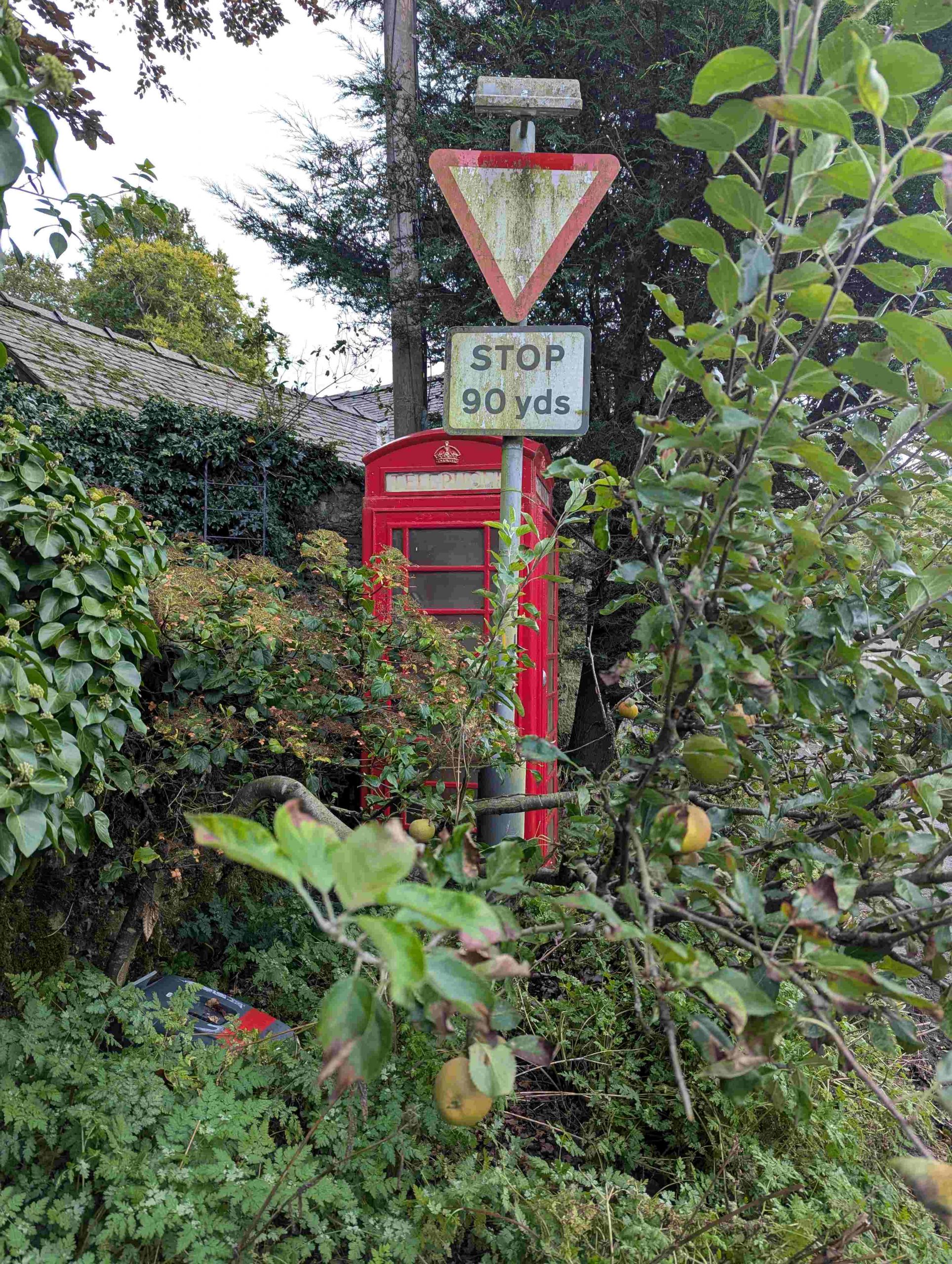
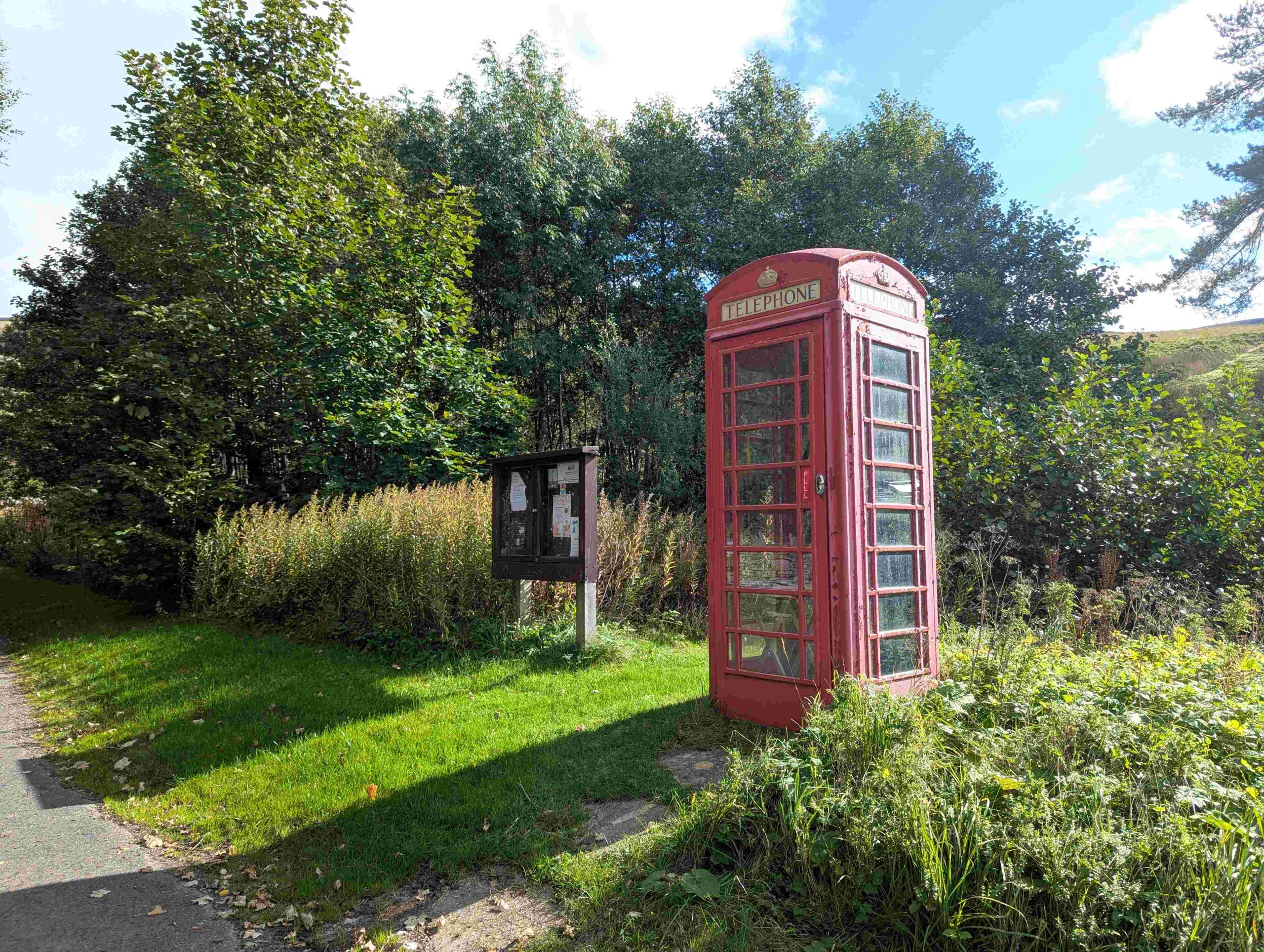
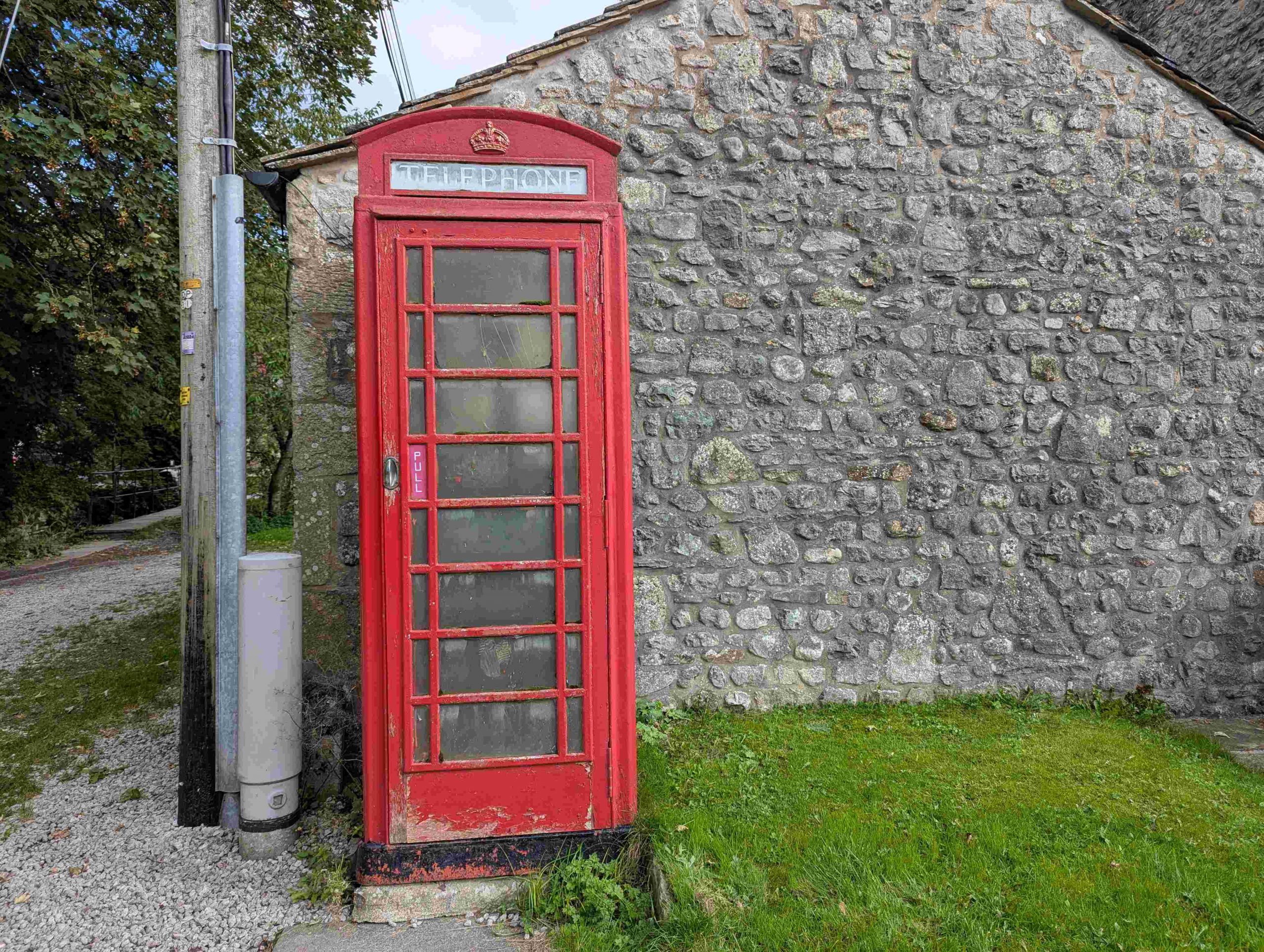
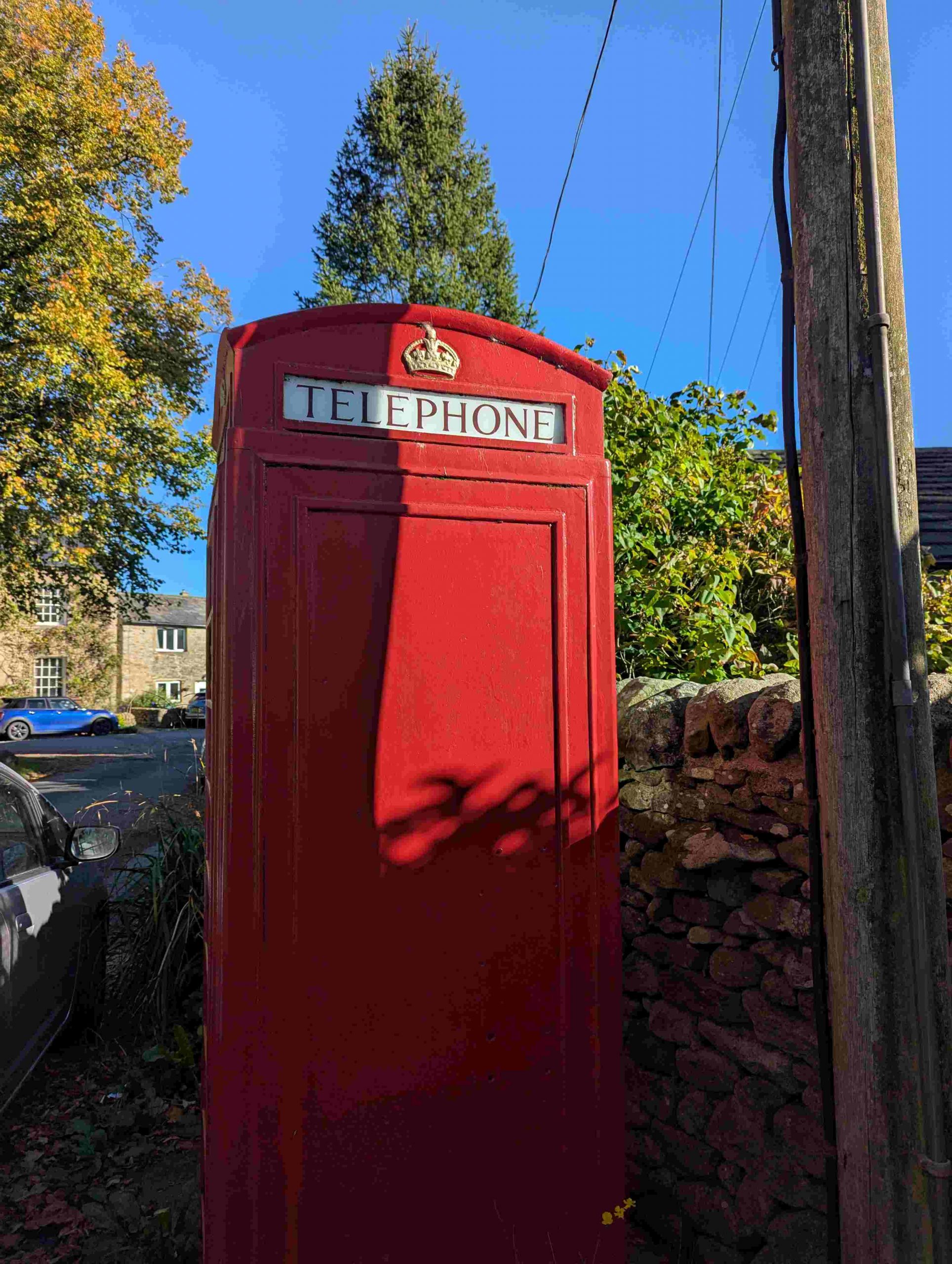
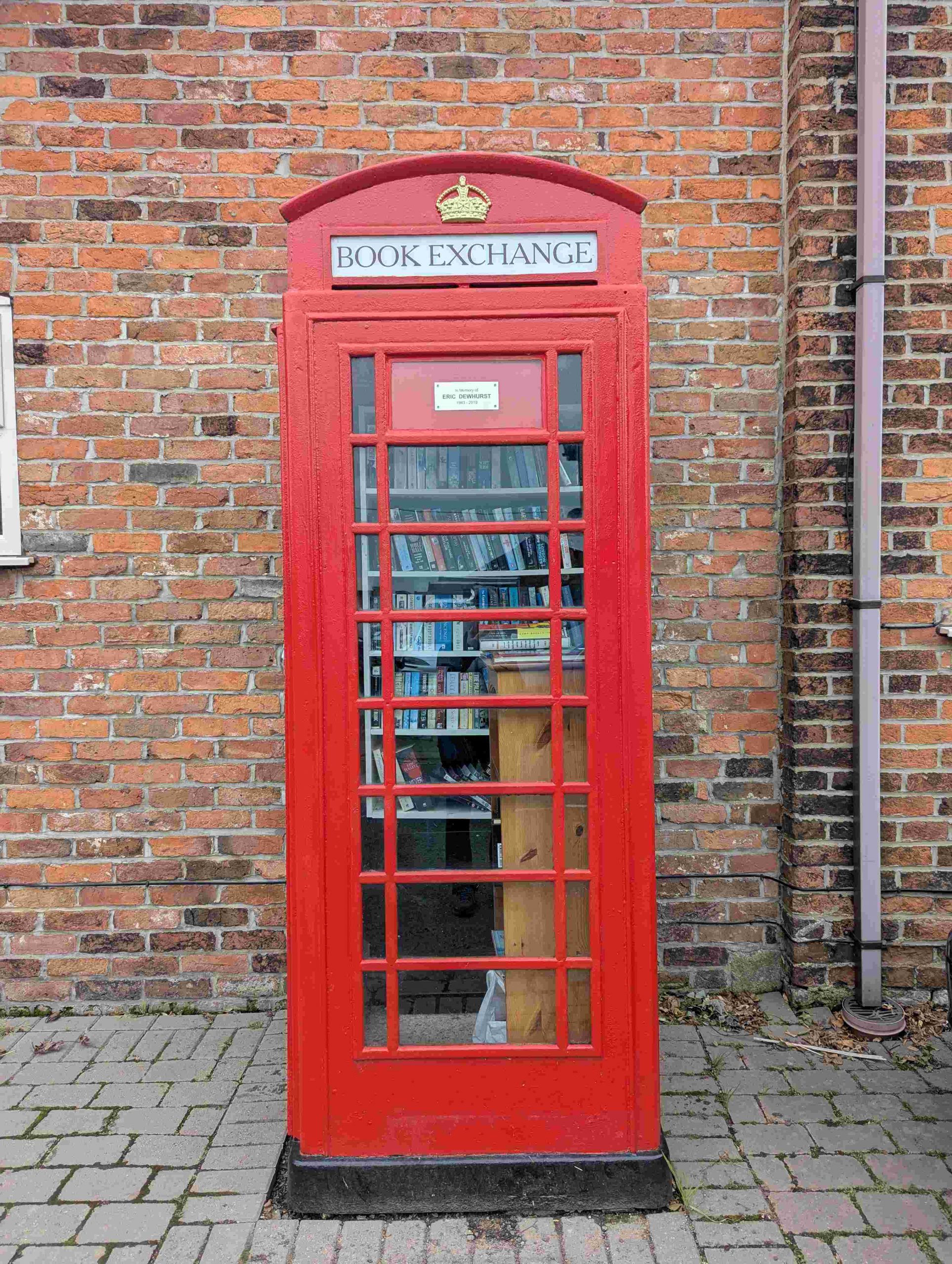
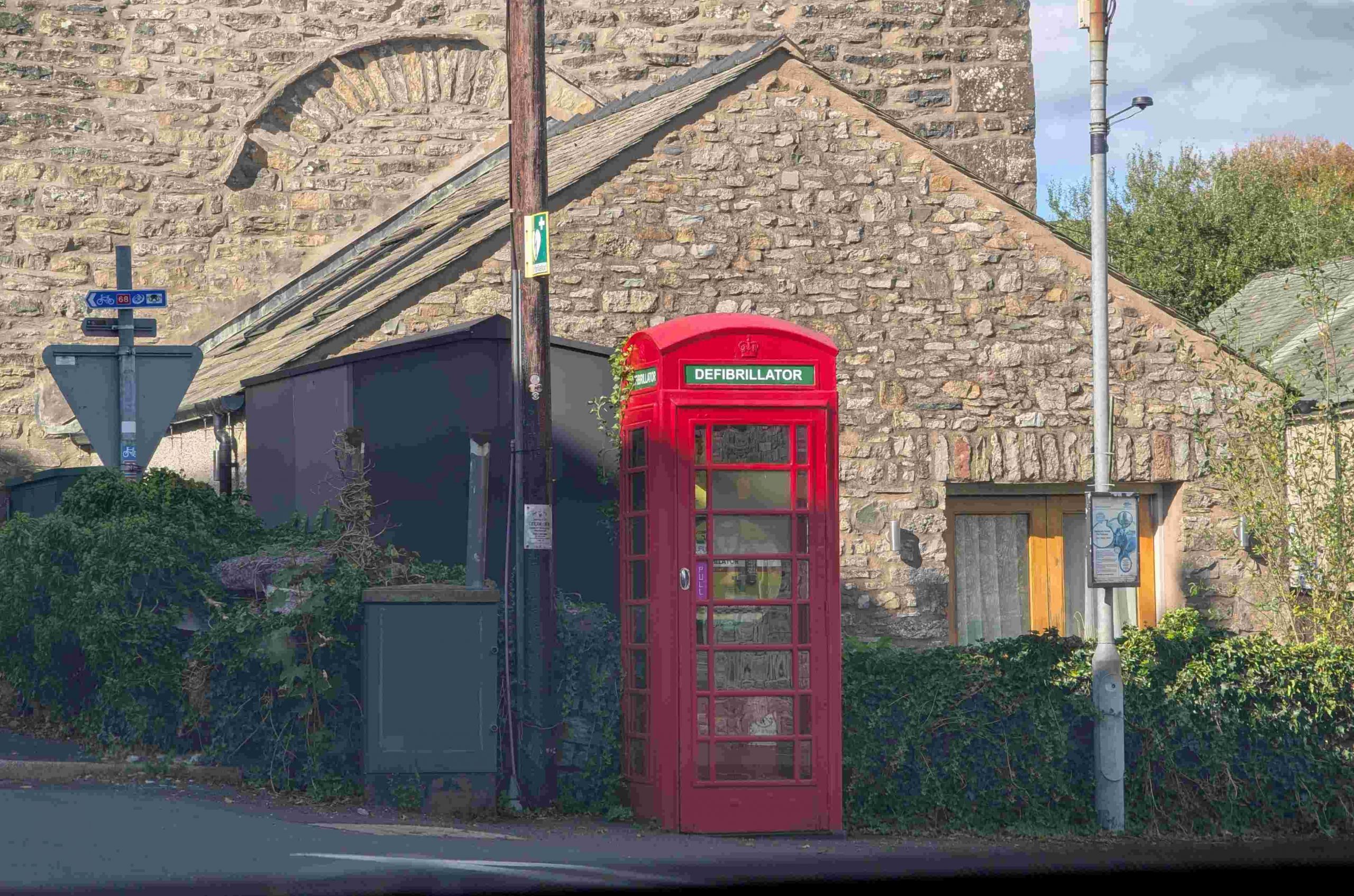
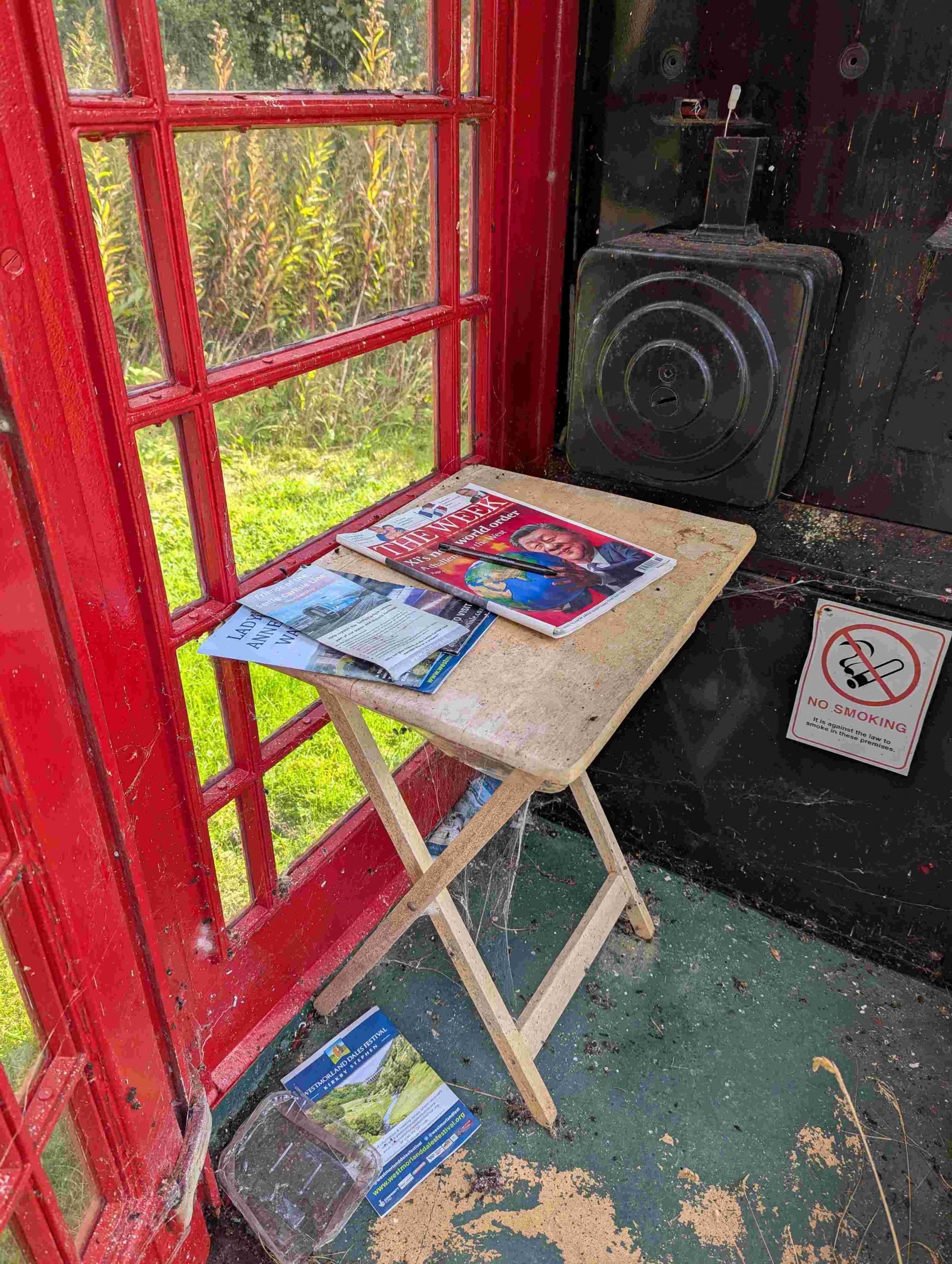
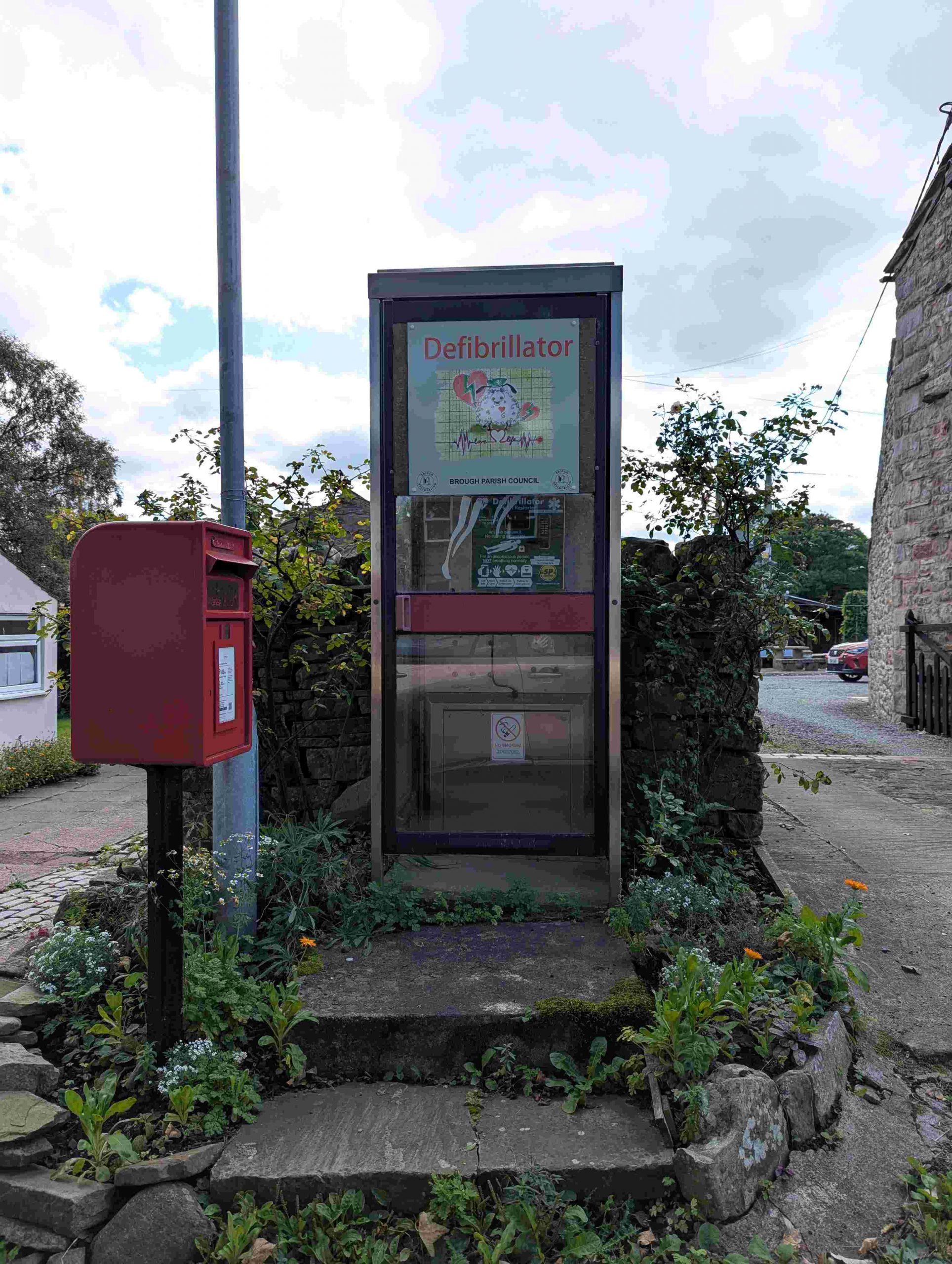
Settle in particular was an excellent find (and referenced in a much earlier post on this blog) – a mini art gallery and the only speaking phone I’m aware of. The voice of George Horner, a Signalman for many years on the Settle-Carlisle Railway, can be heard by dialing the phone. His oral history stories are part of the Bill Mitchell archive and cover a variety of topics such as dealing with snow and tea-making at the signal box. Apologises for the glare on some of the photos.
An update: I found the image below in the Science Museum files. It appears to be an AA telephone handset. Perhaps it was installed inside boxes such as the Aysgarth one shown above?
