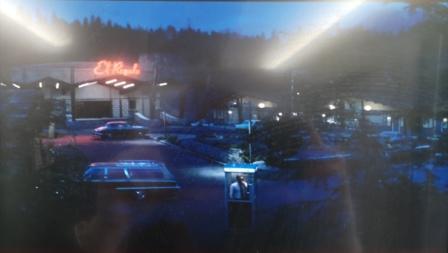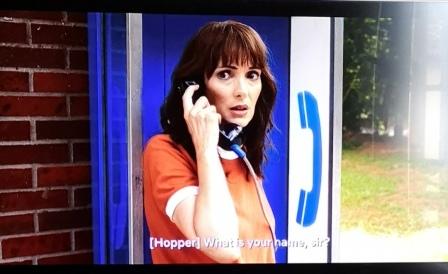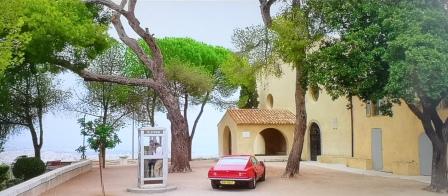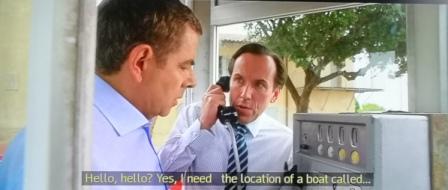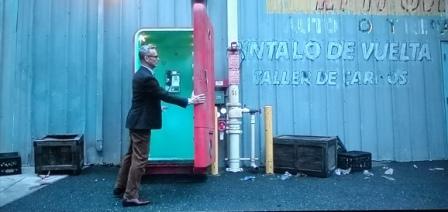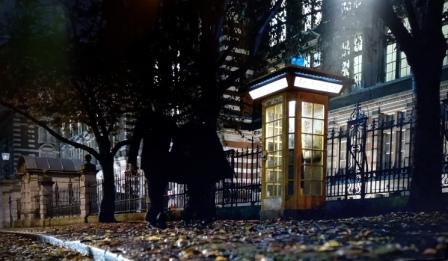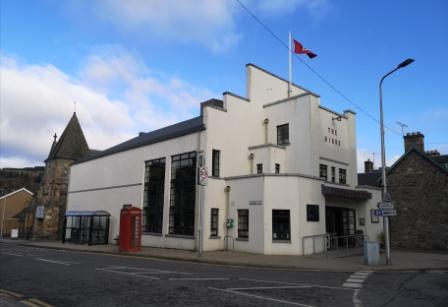
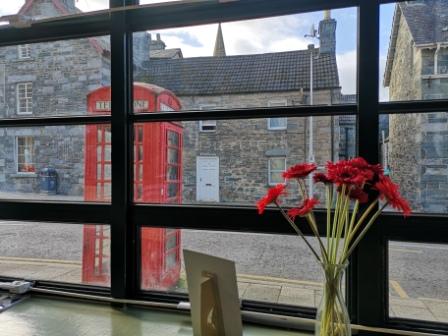
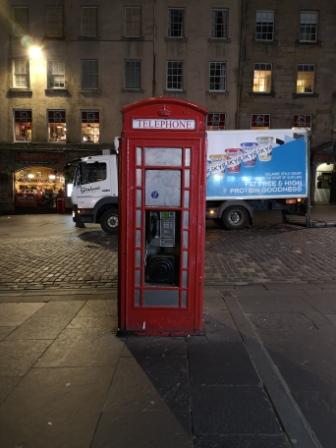

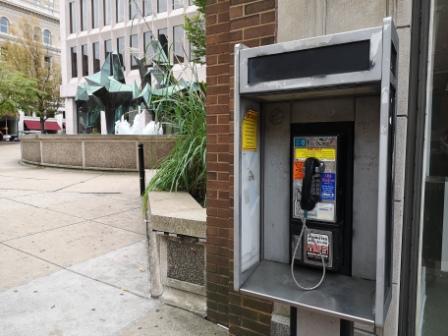
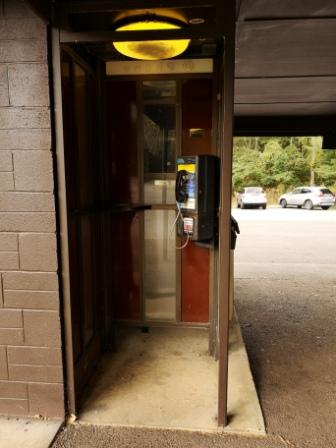
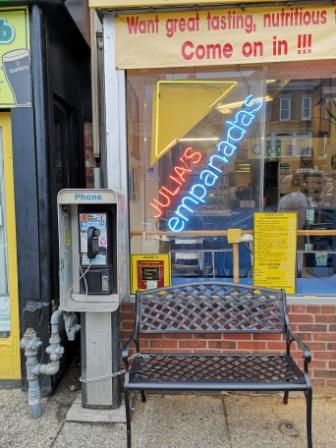
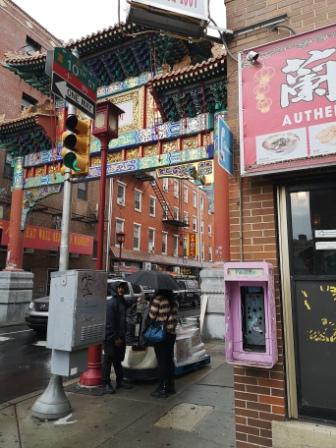
We recently returned from two weeks holiday in the USA. We visited Washington D.C., Harrisonburg, Philadelphia and surrounds. Even though pay phones still feature heavily in tv and cinema, they do not feature on the streets to any great extent. I managed to get a few shots of remaining phone booths, with my favourite being in Philadelphia…
It isn’t just WeWork’s now-pulled IPO that’s toxic at the company: according to a Business Insider report, the company emailed its tenants on Monday telling them that there was “potentially elevated levels of formaldehyde” in phone booths throughout WeWork offices in the U.S. and Canada. Why they used the word potential is unclear – according to the report, the company admitted that “tests for high levels of formaldehyde came back positive late last week”.
The email stated that the company was removing 1,600 phone booth from locations that “may be impacted” in addition to 700 other booths that have yet to be tested for formaldehyde. At some WeWork spaces on Monday, there were taped signs reading: “CAUTION: DO NOT USE” over the phone booths.
The company stated in its email that it had received complaints of “odor and eye irritation”. The EPA says that formaldehyde can cause respiratory symptoms and eye, nose and throat irritation.
Colleen Wong, a tenant at WeWork’s Rosslyn location in Arlington, Virginia said: “I always noticed, from the first time I entered a phone booth, a strong chemical odor. I assumed it was a new building / equipment type smell. Kind of like glue or a new car.”
“They had a chemical smell, like when you get something new in the mail,” a WeWork member from Minneapolis told Bloomberg.
WeWork says the high formaldehyde levels are the fault of the manufacturer of the phone booths.
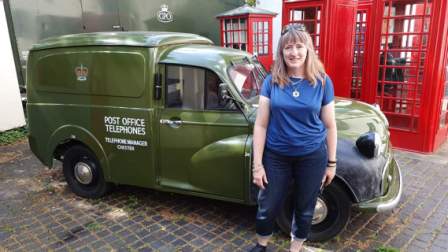
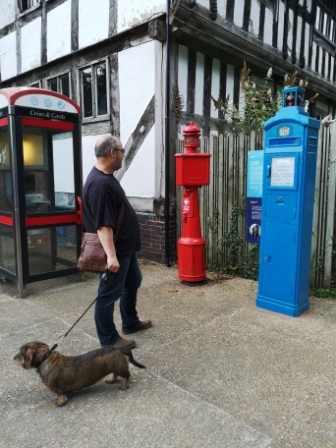
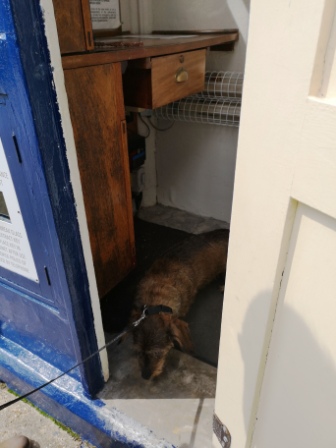
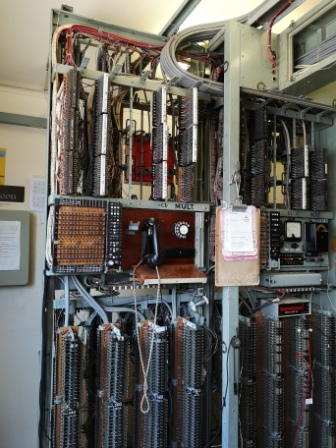
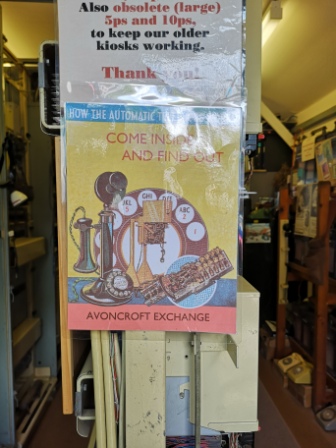
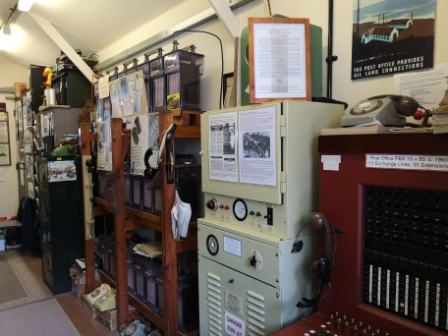
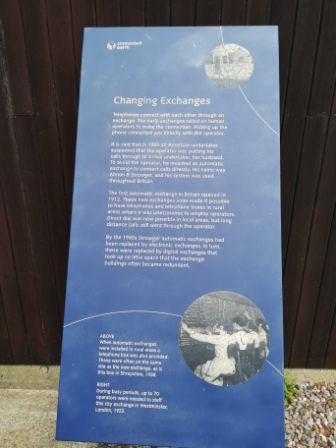
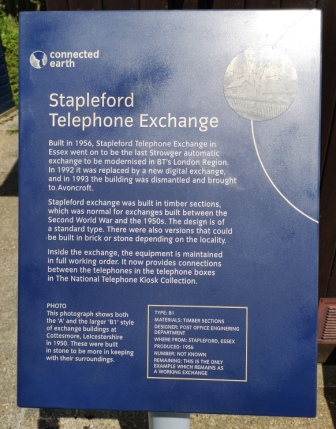
In August we visited the Avoncroft Museum of Historic Buildings in Worcestershire – https://avoncroft.org.uk/ . The Museum is, in itself, definitely worth a visit – especially as dogs are welcome, but I went mainly to see the National Collection of Telephone Kiosks. An unexpected nerdy and cool feature what how they’d hooked up the boxes on display to the small on-site exchange. You can makes calls between the boxes.
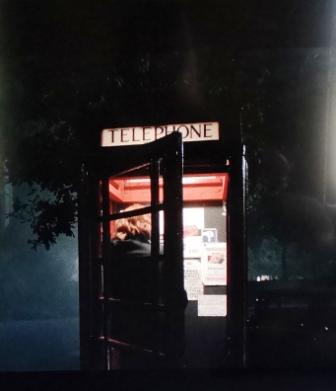
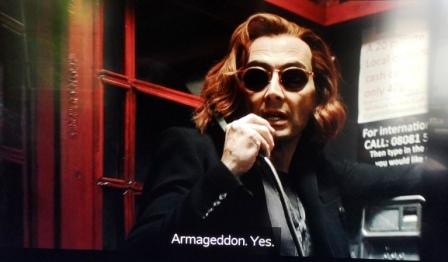


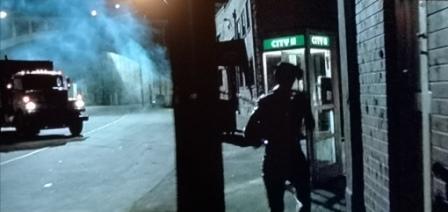
They may be disappearing across the country but residents in Kent have come up with unique ways to save our iconic red phone boxes. At one point there were at least 400, but thanks to the introduction of mobile phones only around 25 remain and there have been determined efforts to ensure no more are culled.
Several have been turned into life-saving defibrillator stations as local groups seek to put them to good use. Now with plans emerging to turn one in Bearsted into a book swap shop, we take a look at some of the county’s more unusual phone boxes.
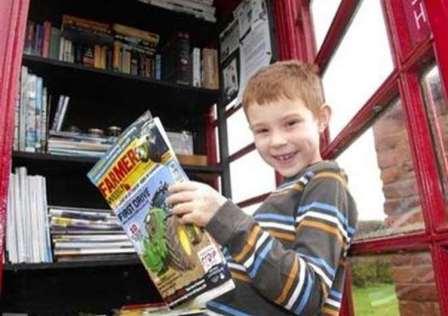
Villagers in Bodsham may lay claim to having started the county’s trend for converting red phone boxes when they turned theirs into a mini library in 2012. It was saved after being among 400 culled by BT in 2008. Residents quickly embraced the idea and handed over books and magazines they no longer had a use for, while others sold plants and jars of green tomato and apple chutney. Nutty Thrupp used the proceeds to raise money for the Vanessa Grant Trust, which helps support handicapped children in Kenya.
Plans are currently underway to save a red telephone box in Deal at risk of being decommissioned by British Telecom. Beverley-Jayne Last, Kerry Banks, and Chrissi Dunn, were inspired to set up a fundraising campaign after around 400 residents suggested it be turned into a combined Public Access Defibrillator site (PAD) and community library. They have written to Deal Town Council asking them to consider being the official ‘adoptees’ of the box, in Alfred Square, at a cost of £1.
MP Charlie Elphicke pledged to help with the negotiations with BT and £150 has already been raised. Book lover Abegael Tomlin has been working with Chartham parish council to turn the village green’s run-down phone box into a miniature library. The 22-year-old, who works as a veterinary assistant, was searching for a spot to set up a community book swap after spotting one in Chestfield.
She earlier told KentOnline: “I knew we had a phone box on the green that doesn’t get used very much, and I thought that’s a nice place for it.”
The parish council needs permission from BT to adopt the booth, and the plan is to fill it with books the community can then borrow.
Resident Sally Devere raised £1,750 to set up a life-saving defibrillator in a converted red phone box in Herne Bay High Street. It is still going strong despite being vandalised twice in the space of three months. A vandal urinated inside the phone box and ripped its hi-vis jacket to shreds in February before thieves attempted to steal the lifesaving equipment in May. Ms Devere has been lobbying the council to install a CCTV camera close to the converted phone box to try and prevent future attacks.
Life-saving devices have also been set up in converted red phone boxes in West Malling, Aylesford, Broadstairs, Lydd and New Romney – although the latter were also targeted by thieves.
Meanwhile, who could forget artist Joe Sweeney set up Brexit phone booth in Romney Marsh as part of interactive digital art project. It gave Brexiteers and remainers an opportunity to say goodbye to the EU in the run up to the original UK leaving date in March. Hundreds took the opportunity to do just that, including famous faces such as fashion designer Vivienne Westwood, former Green Party leader MP Caroline Lucas, and London Mayor Sadiq Khan.
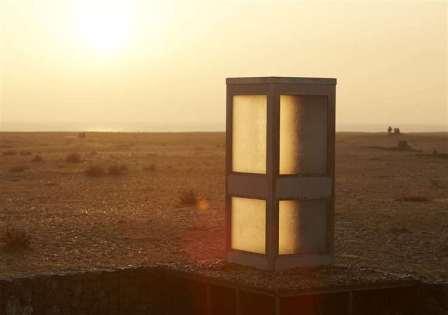
The ‘+44 Leave a message for Europe’ project was inspired by a 1990s phone box, and its location in Dungeness – the UK’s most south-easterly point and Britain’s only desert – was deliberately chosen by Mr Sweeney to create a physical and poetic metaphor for the current, confused and uncertain, climate.
Fancy having your own phone box? Well, you can get your hands on one for just a £1.
BT has been offering residents in the south east the opportunity via its Adopt a Kiosk scheme.
At least 3,000 have already been adopted and turned into mini-libraries, miniature art museums, cake shops, information centres, and one in Devon was transformed into the “world’s smallest nightclub”.
For details on how to apply to click here
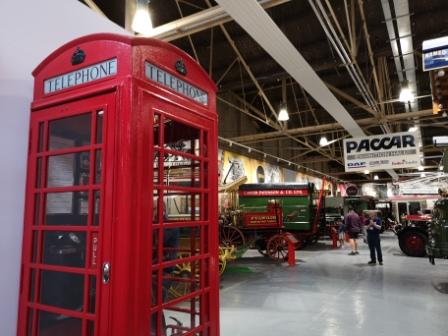
We visited the Commercial Transport Museum in Leyland over the weekend to find a telephone box on display.
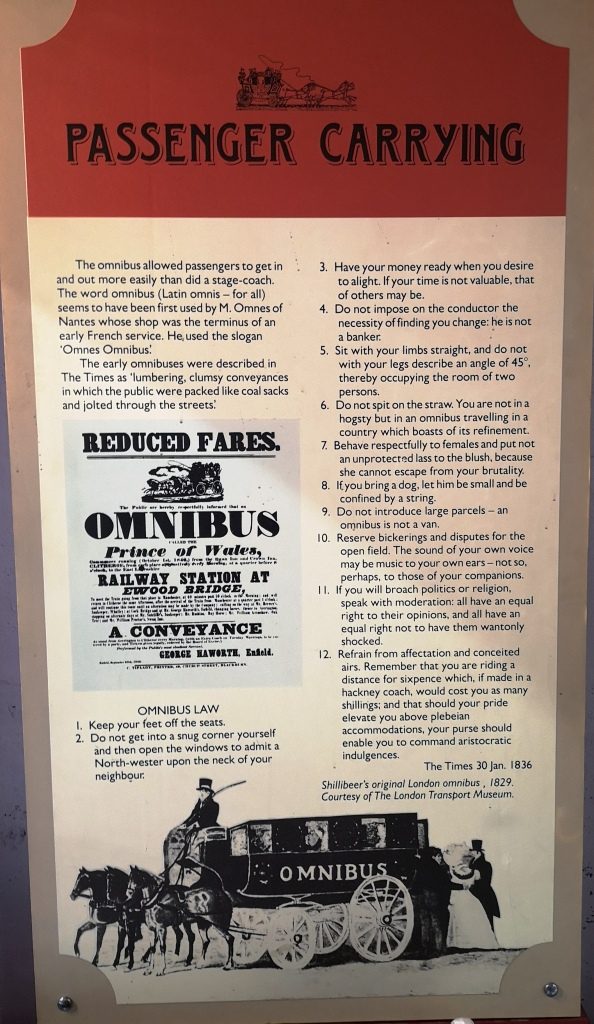
I like the rules for omnibus passengers – small dogs allowed but no manspreading, for instance…
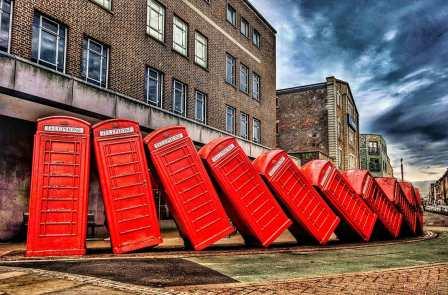
The ‘Out of Order’ installation, which consists of twelve tumbling telephone boxes, has been revealed after a bit of a zhuzh up. Located on Kingston’s lovely Old London Road, the sculpture has been a landmark since it was first installed in 1989.
The piece was created by David Mach, one of the UK’s most successful artists and a former lecturer at Sculpture School in Kingston. He’s known for his large scale collages and sculptures all over the world, but this one is particularly special to him. He says of the installation’s refurb: “I’m very happy to see Out of Order being refurbished. It’s one of my best outdoor sculptures. I love these boxes and isn’t it funny that even in these times and although they were removed from the British landscape, I feel they still bind us as a nation.”
Source: https://secretldn.com/telephone-box-installation-kingston/
Cian Oba-Smith explores the phenomenon of Chinese copycat architecture.
Over the last fifteen years, a large number of settlements have been built on the outskirts of cities like Shanghai and Hangzhou in China, to replicate Western metropolises. In one, Venice’s canals are reconstructed between Venetian-style buildings. In another, the Eiffel Tower has been reproduced in the centre of a network of mock Parisian streets. Elsewhere, the Western features are more subtle; the odd red phone box or Roman pillar nestled among Mandarin street signs…
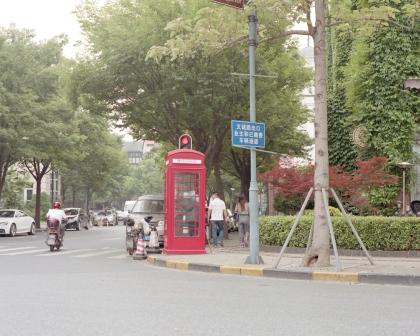
Click through to the British Journal of Photography magazine to see the article.
Comments Off on China’s replicas of Western towns
Posted in Geography
Tagged architecture, China, urban
When an earthquake and tsunami struck Japan in 2011, 30ft (9.14m) waves obliterated coastal communities. The small town of Otsuchi lost everything including 2000 residents. One resident, Itaru Sasaki, was already grieving his cousin before the tsunami hit. He had the idea of nestling an old phone booth on the windy hill at the bottom of his garden which overlooked the Pacific Ocean. This would be a place he could go to speak to his cousin – a place where his words could ‘be carried on the wind.’ The white, glass-paned booth holds an old disconnected rotary phone. He called it his Wind Phone.
In the aftermath of the terrible tsunami, as word of the phone spread, it became a pilgrimage site for those who had lost loved ones. In the sanctuary of the booth they would dial old phone numbers and talk to their loved ones. Interpreter and journalist Miwako Ozawa visited Otsuchi in the weeks after the tsunami. In this programme she returns for the first time since 2011 to visit the phone and find out how it has helped people to cope with their grief.
We meet some of those who regularly visit the phone and we hear their stories and listen in to their phone calls. In many ways the wind phone typifies a very Japanese relationship with nature and death and with the invisible forces that connect us all. As the residents of Otsuchi face the slow progress of rebuilding their town and the frightening reality of future extreme weather, the wind phone is a reminder of those losses that won’t be forgotten.
Presenter: Miwako Ozawa
Producer: Sarah Cuddon
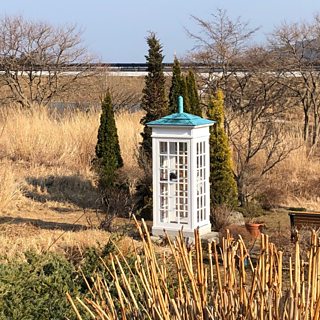
This wonderful story comes from the BBC World Service, for more click here or here .