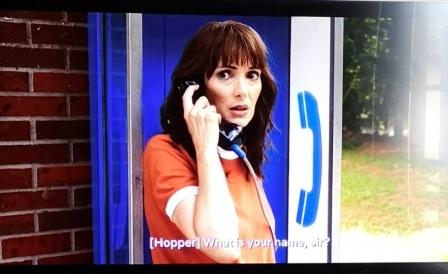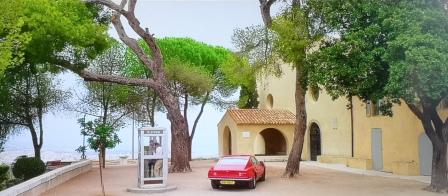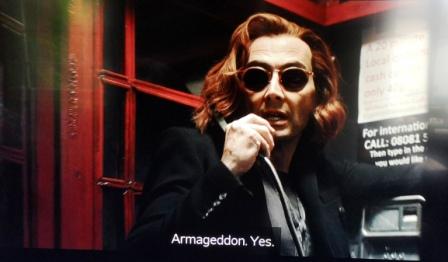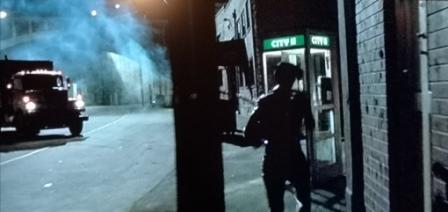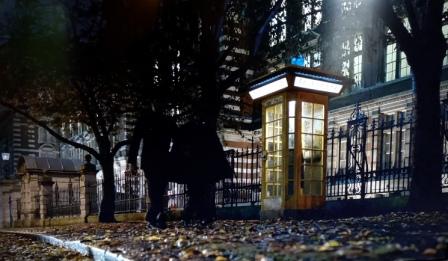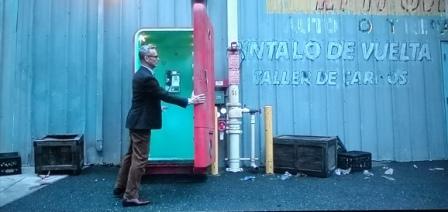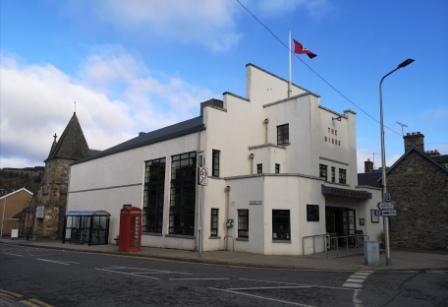
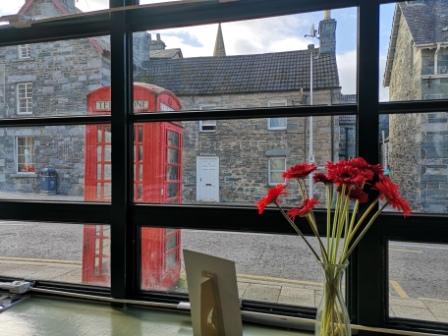
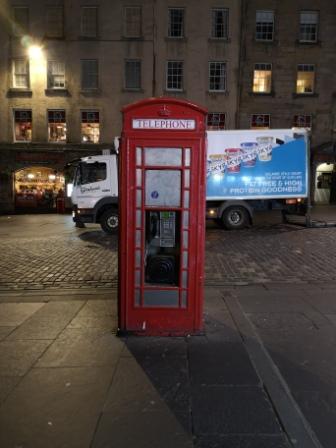

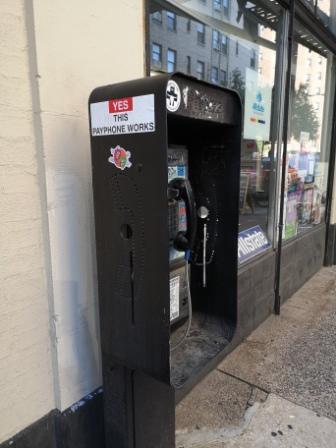
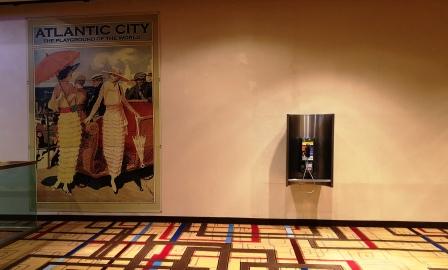
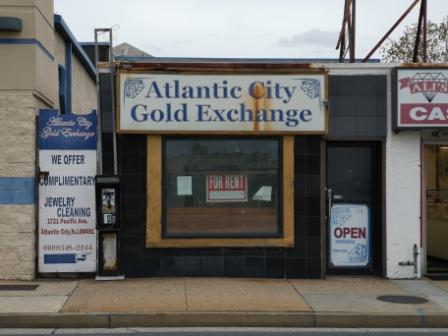
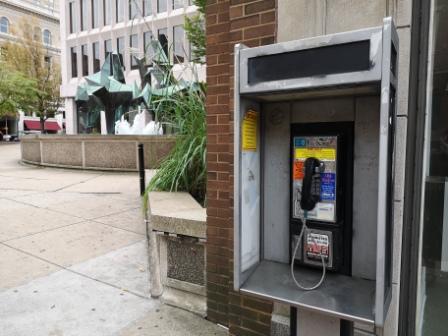
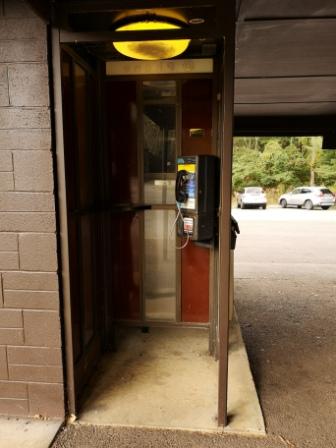
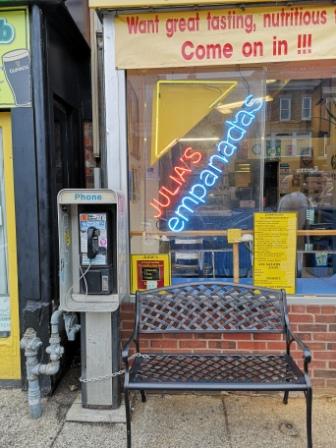
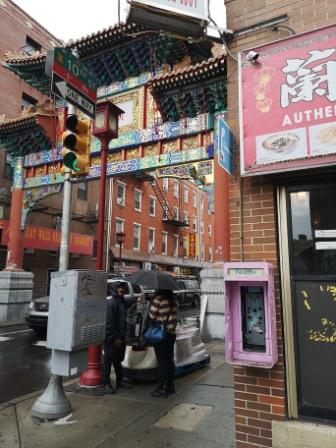
We recently returned from two weeks holiday in the USA. We visited Washington D.C., Harrisonburg, Philadelphia and surrounds. Even though pay phones still feature heavily in tv and cinema, they do not feature on the streets to any great extent. I managed to get a few shots of remaining phone booths.
From Zero Hedge, Tyler Durden, 15 October 2019.
It isn’t just WeWork’s now-pulled IPO that’s toxic at the company: according to a Business Insider report, the company emailed its tenants on Monday telling them that there was “potentially elevated levels of formaldehyde” in phone booths throughout WeWork offices in the U.S. and Canada. Why they used the word potential is unclear – according to the report, the company admitted that “tests for high levels of formaldehyde came back positive late last week”.
The email stated that the company was removing 1,600 phone booth from locations that “may be impacted” in addition to 700 other booths that have yet to be tested for formaldehyde. At some WeWork spaces on Monday, there were taped signs reading: “CAUTION: DO NOT USE” over the phone booths. The company stated in its email that it had received complaints of “odor and eye irritation”. The EPA says that formaldehyde can cause respiratory symptoms and eye, nose and throat irritation.
Colleen Wong, a tenant at WeWork’s Rosslyn location in Arlington, Virginia said: “I always noticed, from the first time I entered a phone booth, a strong chemical odor. I assumed it was a new building / equipment type smell. Kind of like glue or a new car.”
“They had a chemical smell, like when you get something new in the mail,” a WeWork member from Minneapolis told Bloomberg. WeWork says the high formaldehyde levels are the fault of the manufacturer of the phone booths.
For the full article go to Zero-Hedge – https://www.zerohedge.com/technology/wework-removes-thousands-phone-booths-due-elevated-formaldehyde
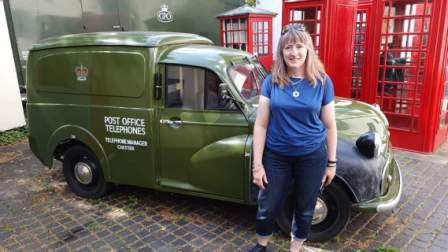
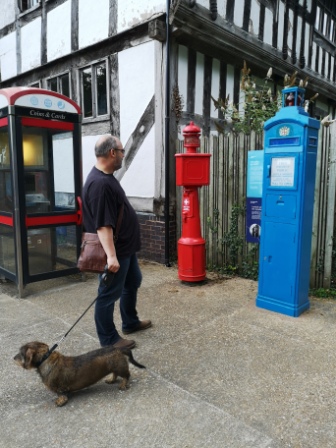
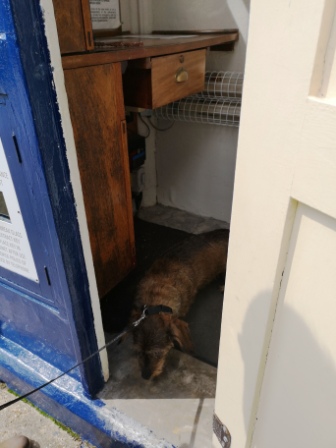
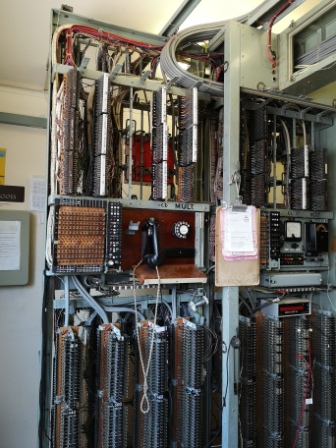
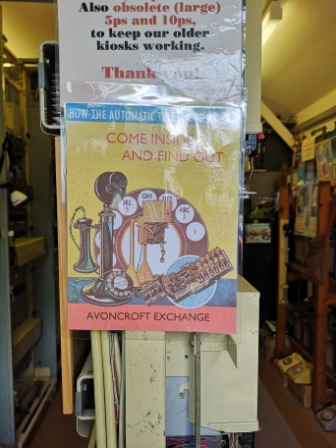
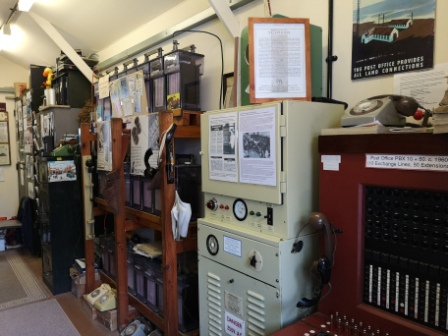
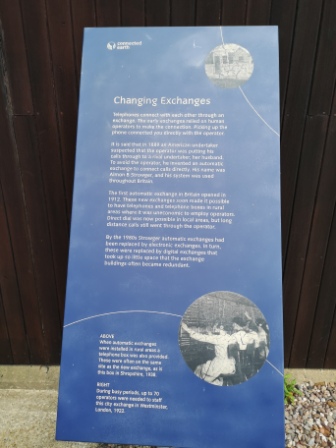
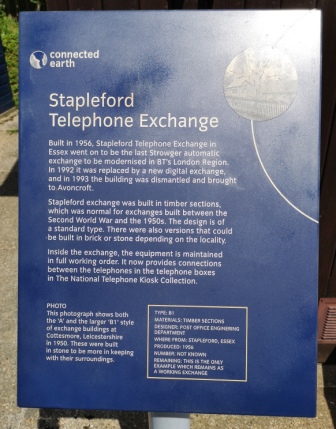
In August we visited the Avoncroft Museum of Historic Buildings in Worcestershire – https://avoncroft.org.uk/ . The Museum is, in itself, definitely worth a visit – especially as dogs are welcome, but I went mainly to see the National Collection of Telephone Kiosks. An unexpected nerdy and cool feature what how they’d hooked up the boxes on display to the small on-site exchange. You can makes calls between the boxes.
From Kent Online, Geoffrey Bew, 13 September 2019.
They may be disappearing across the country but residents in Kent have come up with unique ways to save our iconic red phone boxes. At one point there were at least 400, but thanks to the introduction of mobile phones only around 25 remain and there have been determined efforts to ensure no more are culled.
Several have been turned into life-saving defibrillator stations as local groups seek to put them to good use. Now with plans emerging to turn one in Bearsted into a book swap shop, we take a look at some of the county’s more unusual phone boxes.
Villagers in Bodsham may lay claim to having started the county’s trend for converting red phone boxes when they turned theirs into a mini library in 2012. It was saved after being among 400 culled by BT in 2008. Residents quickly embraced the idea and handed over books and magazines they no longer had a use for, while others sold plants and jars of green tomato and apple chutney. Nutty Thrupp used the proceeds to raise money for the Vanessa Grant Trust, which helps support handicapped children in Kenya.
Plans are currently underway to save a red telephone box in Deal at risk of being decommissioned by British Telecom. Beverley-Jayne Last, Kerry Banks, and Chrissi Dunn, were inspired to set up a fundraising campaign after around 400 residents suggested it be turned into a combined Public Access Defibrillator site (PAD) and community library. They have written to Deal Town Council asking them to consider being the official ‘adoptees’ of the box, in Alfred Square, at a cost of £1.
For the full article go to Kent Online – https://www.kentonline.co.uk/kent/news/saving-our-iconic-red-phone-boxes-212220/
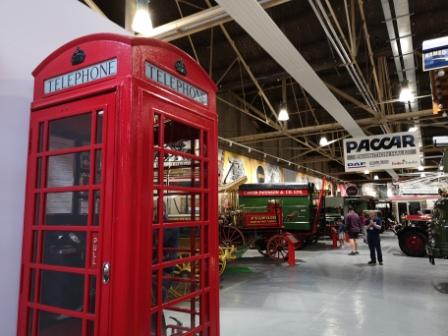
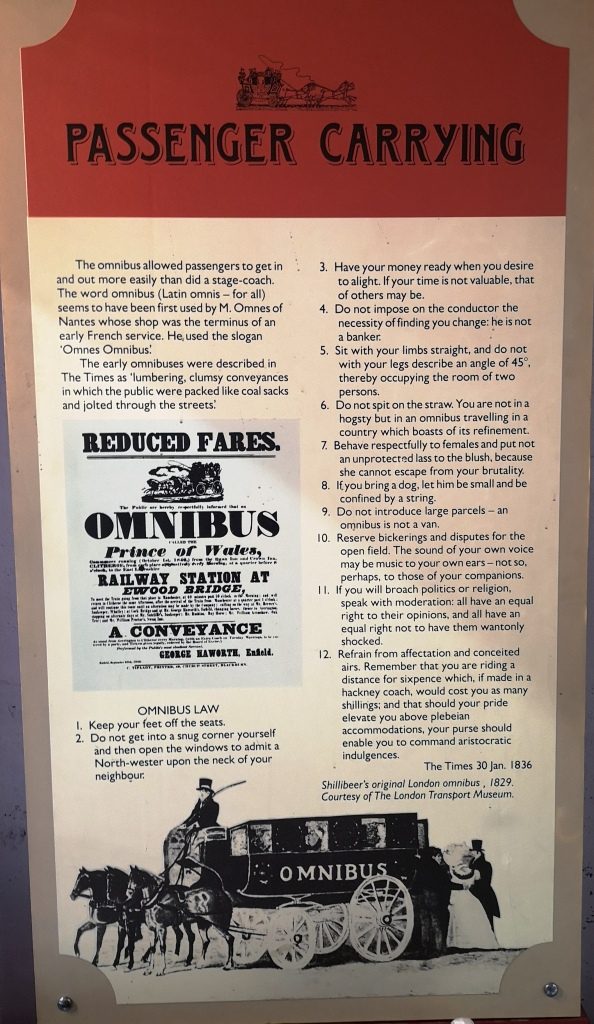
We visited the Commercial Transport Museum in Leyland over the weekend. I like the rules for omnibus passengers – small dogs allowed but no manspreading, for instance.
This installation has been mentioned before on the blog but it’s now had a refurbishment.
From Secret London, by Georgie Mortimer, 14 Feb 2025.
The ‘Out of Order’ installation, which consists of twelve tumbling telephone boxes, has been revealed after a bit of a zhuzh up. Located on Kingston’s lovely Old London Road, the sculpture has been a landmark since it was first installed in 1989. The piece was created by David Mach, one of the UK’s most successful artists and a former lecturer at Sculpture School in Kingston. He’s known for his large scale collages and sculptures all over the world, but this one is particularly special to him. He says of the installation’s refurb:
“I’m very happy to see Out of Order being refurbished. It’s one of my best outdoor sculptures. I love these boxes and isn’t it funny that even in these times and although they were removed from the British landscape, I feel they still bind us as a nation.”
From British Journal of Photography magazine.
Cian Oba-Smith explores the phenomenon of Chinese copycat architecture.
Over the last fifteen years, a large number of settlements have been built on the outskirts of cities like Shanghai and Hangzhou in China, to replicate Western metropolises. In one, Venice’s canals are reconstructed between Venetian-style buildings. In another, the Eiffel Tower has been reproduced in the centre of a network of mock Parisian streets. Elsewhere, the Western features are more subtle; the odd red phone box or Roman pillar nestled among Mandarin street signs…
For the full article go to the British Journal of Photography magazine – https://www.bjp-online.com/2019/06/openwalls-2020-chinas-replicas-of-western-towns/
Comments Off on China’s replicas of Western towns
Posted in Geography
Tagged architecture, China, urban
I’ve featured this idea before on the blog but it’s worth revisiting. This wonderful story comes from the BBC World Service, 7 June 2019.
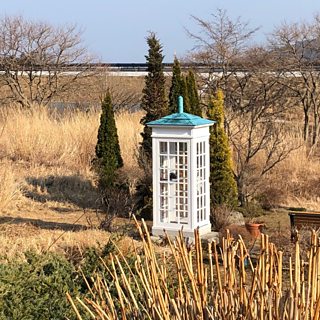
When an earthquake and tsunami struck Japan in 2011, 30ft (9.14m) waves obliterated coastal communities. The small town of Otsuchi lost everything including 2000 residents. One resident, Itaru Sasaki, was already grieving his cousin before the tsunami hit. He had the idea of nestling an old phone booth on the windy hill at the bottom of his garden which overlooked the Pacific Ocean. This would be a place he could go to speak to his cousin – a place where his words could ‘be carried on the wind.’ The white, glass-paned booth holds an old disconnected rotary phone. He called it his Wind Phone.
In the aftermath of the terrible tsunami, as word of the phone spread, it became a pilgrimage site for those who had lost loved ones. In the sanctuary of the booth they would dial old phone numbers and talk to their loved ones. Interpreter and journalist Miwako Ozawa visited Otsuchi in the weeks after the tsunami. In this programme she returns for the first time since 2011 to visit the phone and find out how it has helped people to cope with their grief.
We meet some of those who regularly visit the phone and we hear their stories and listen in to their phone calls. In many ways the wind phone typifies a very Japanese relationship with nature and death and with the invisible forces that connect us all. As the residents of Otsuchi face the slow progress of rebuilding their town and the frightening reality of future extreme weather, the wind phone is a reminder of those losses that won’t be forgotten.
Presenter: Miwako Ozawa
Producer: Sarah Cuddon
Photo: The wind phone