Some things can’t be replicated
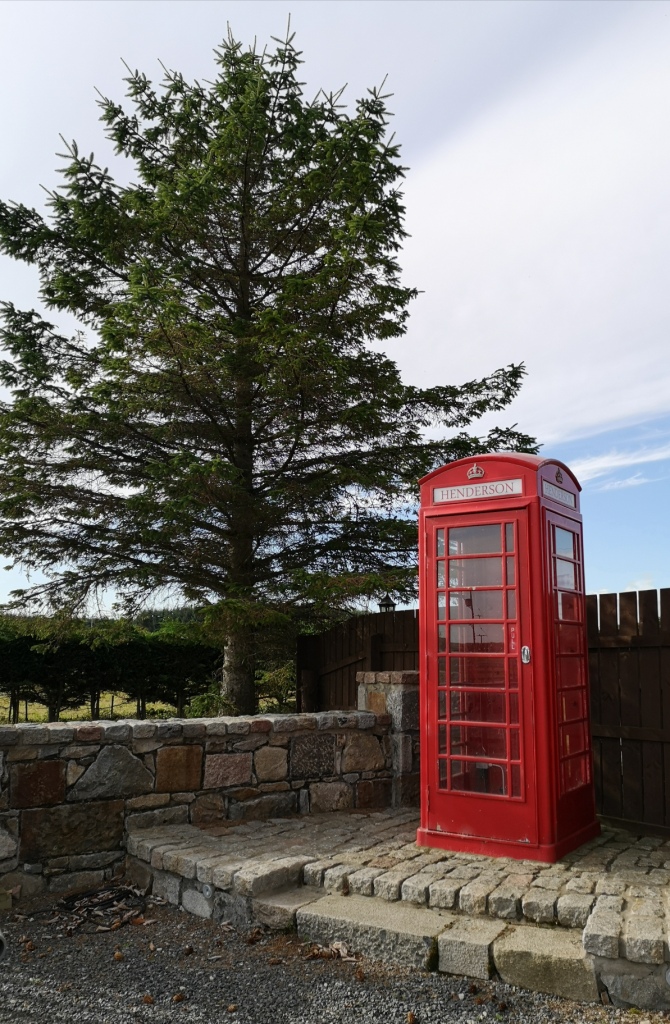
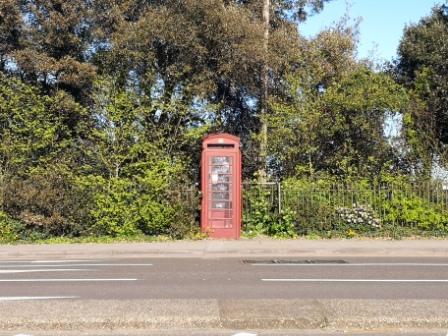
‘Thames Town’, is a town in China that is replica of perceived UK architecture. It naturally includes an iconic red box. Frankie Boyle, in ‘New World Order’, noted that to make it more authentic someone would have to piss in the phonebox. Sad but true.
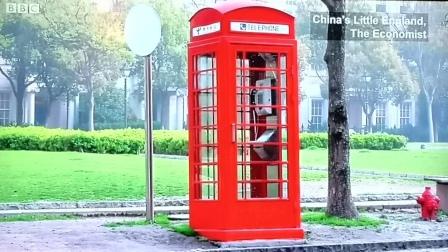
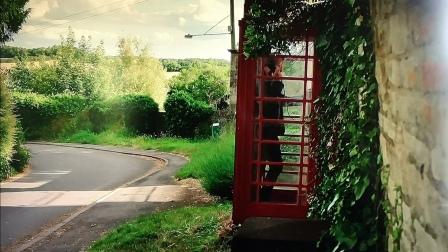
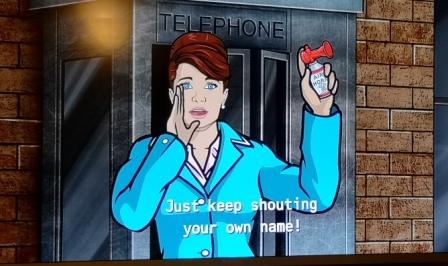
Screenshots


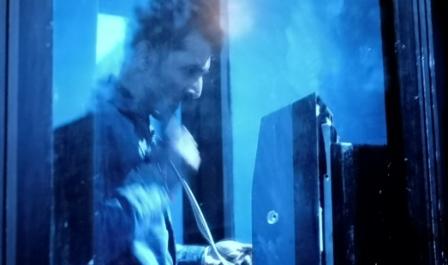
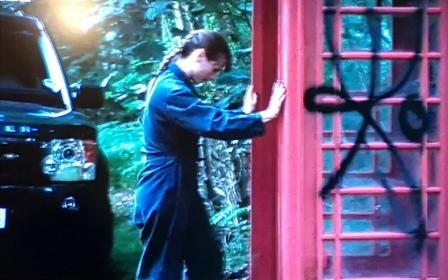
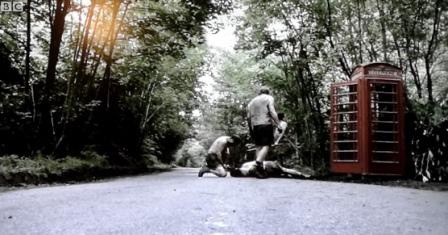
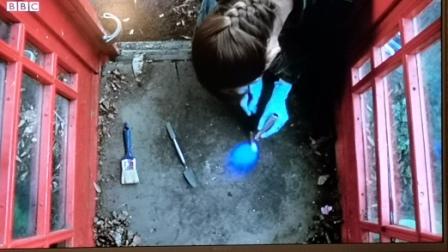
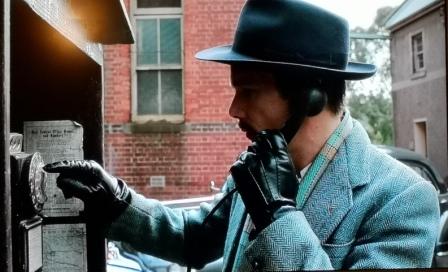
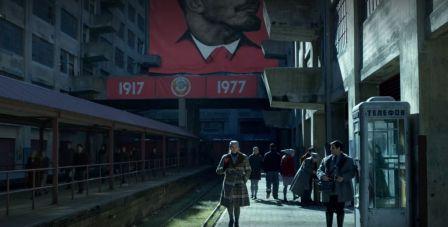
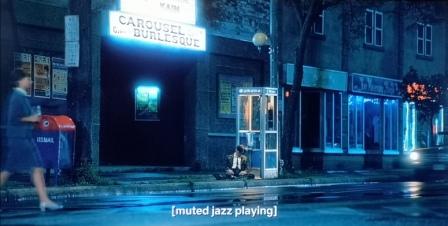
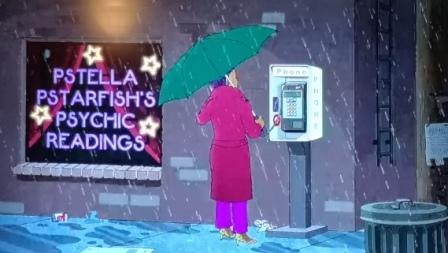
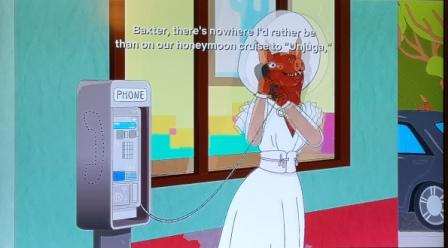
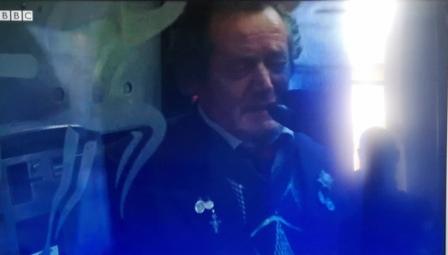
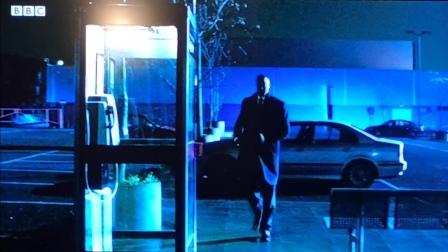
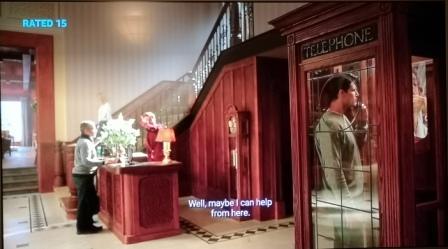
A couple of more interesting elements were introduced in ‘Waking the Dead’ episode, in one episode (S6) a character is assulted in a phone box with a psychedelic compound made with woad and another (S5) where a man is murdered while making a call…
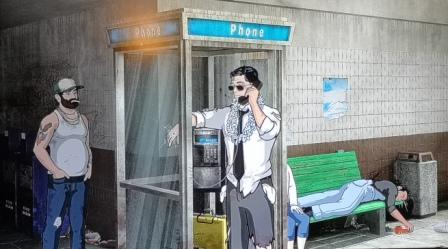
And in ‘Upload’, the design for the digitial after life still includes a phone booth…

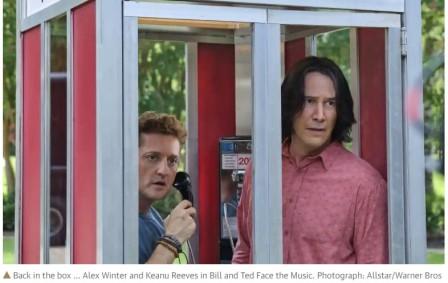
Face the Music

‘Bill and Ted: Face the Music’ opened recently and the phone booth still plays a vital role as a time machine, in the quest to save the universe. (An updated time machine, now in the shape of a cocoon, is utilised by daughters, Thea and Billie.)
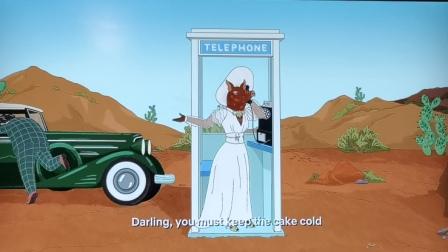
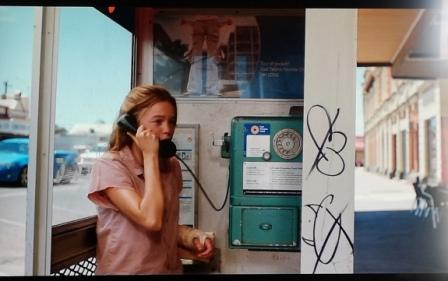
Screenshots: Lockdown viewing

(good Aussie comedy/drama, making me a little homesick)
Covid-19 lockdown and the phone box
This article in the Guardian showes how relevant phone boxes still are to communities in the modern world. (A small piece of good news in a time when 98% of news articles just bring me down.)
Drum rolls, bread rolls and rolling wheels – the upside of lockdown

It is heart warming to see every aspect of society transformed to join the effort against coronavirus, with Harry Potter buses turning into NHS shuttles, an old red phone box becoming a food hub, and an ancient water mill brought back into action to tackle the flour shortage…
Village in Scotland turns phone box into community larder
A disused red phone box has been transformed into a mini food hub, stocking groceries and other essentials for residents struggling with the coronavirus lockdown.
Muthill, a village in Perth and Kinross, Scotland, is home to 675 residents. Corinna Robertson and Susan Crawford decided to set up the “take what you need” service after realising just how badly the lockdown had hit some people.
“We realised this is worse than we thought. People are off work and have no income and it’ll take a while for them to get money through,” said Robertson, a 52-year-old garage worker who was recently furloughed.
The larder, which was set up on 9 April, is particularity useful for those who cannot drive and who might struggle to get to the nearby town of Crieff to stock up. “The response has been incredible. The local pub, which no longer has income, donated chocolate Easter lollies for kids,” she added. “It’s great community spirit.”
They have even considered keeping the hub open after the lockdown finishes to help people get back on their feet. “People might be in this predicament for a while, being behind with bills.”

For the full article click here: https://www.theguardian.com/news/2020/apr/15/drum-rolls-bread-rolls-and-rolling-wheels
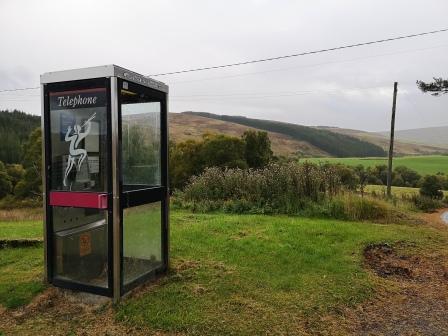
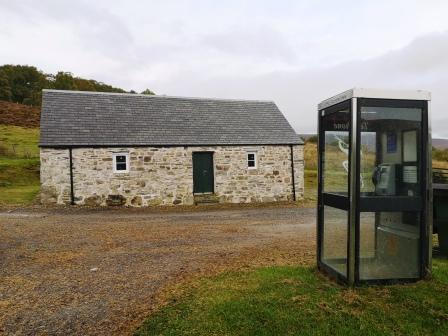
Telephone Kiosk collection (7) – finale
Comments Off on Telephone Kiosk collection (7) – finale
Posted in Geography
Tagged heritage and history, UK
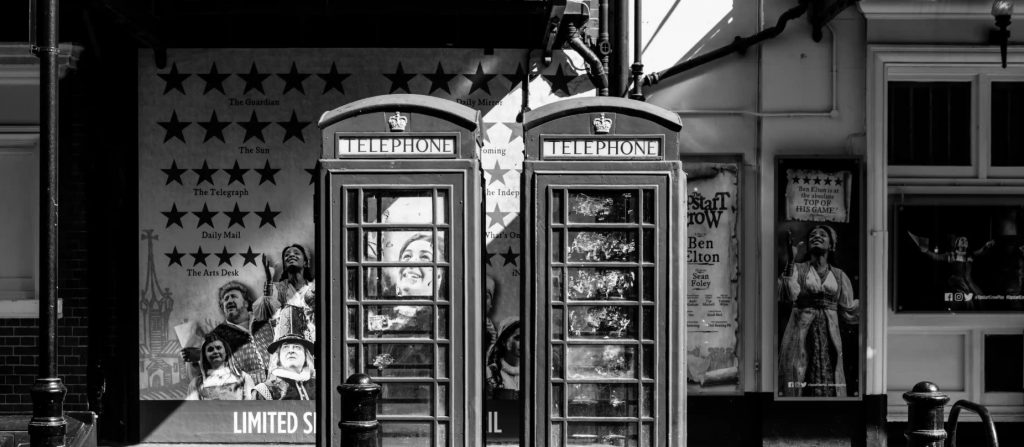
Art connections

Community spirit
A Welsh village is trying to save its beloved red telephone box from being scrapped because it helped protect them during World War II.
The phone box in the quiet village of Bryn-y-Gwenin, near Abergavenny, South Wales,, was used to warn of air raids.

Now the villagers want BT to save the box because of its wartime role when it was “the main point of contact” for warnings of Nazi bombing raids.
The villagers have enlisted the help of Conservative MP David Davies in their campaign to save the phone box.
Mr Davies said keeping the phone box would preserve the village’s history as well as serving a practical purpose. He said: “Mobile signal in this part of rural Monmouthshire is intermittent and very poor at best, so the public telephone box is an essential village amenity for Bryn-y-Gwenin.
“It also serves Llanddewi Skirrid and the surrounding area. With the Skirrid mountain a popular spot for walkers and cyclists, the significance of the box is paramount in an emergency.
“BT claims the phone box has had very little use over a significant period of time. Calls may well be small in number but one day that call could be very important and potentially life-saving.”
Previous plans to decommission the box were successfully overturned in 2016 following a similar local campaign.
Resident Paul Webb said villagers “cherished” the box, which bears the Tudor Crown of King George VI.
“One of our villagers, Richard Cox, cleans it on a weekly basis and repaints it when necessary.” he said.
“The box has always been a proud landmark at the entrance to our village. It is an iconic part of British heritage yet sadly, these red telephone boxes are getting more and more scare in the countryside.
“It has been stated in the past that if the phone itself was removed but the box remained then the villagers would be prepared to have a defibrillator installed as it would be a very strategic place for one to be available.”
The phone box is a K6 model, designed to commemorate the silver jubilee of King George V, and entering production in 1936.
It was originally connected to the village post office via a party line.
On Twitter, Mr Davies posted a video of himself at the phone box and surrounded by residents. He said: “This phone box played a small role in defending Britain during WW2. It is being lovingly cleaned & maintained by a local resident. After decades of loyal@service @bt_uk want to scrap it.”
BT has launched a consultation period to determine the phone box’s future.
A spokesman for BT said: “Most people now have a mobile phone and calls made from our public telephones have fallen by around 90 per cent in the past decade.
“We consider a number of factors before consulting on the removal of payphones.”
Cross-post from The Telegraph