
Real crime
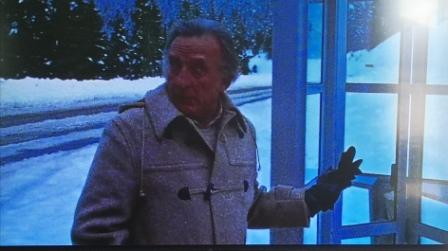
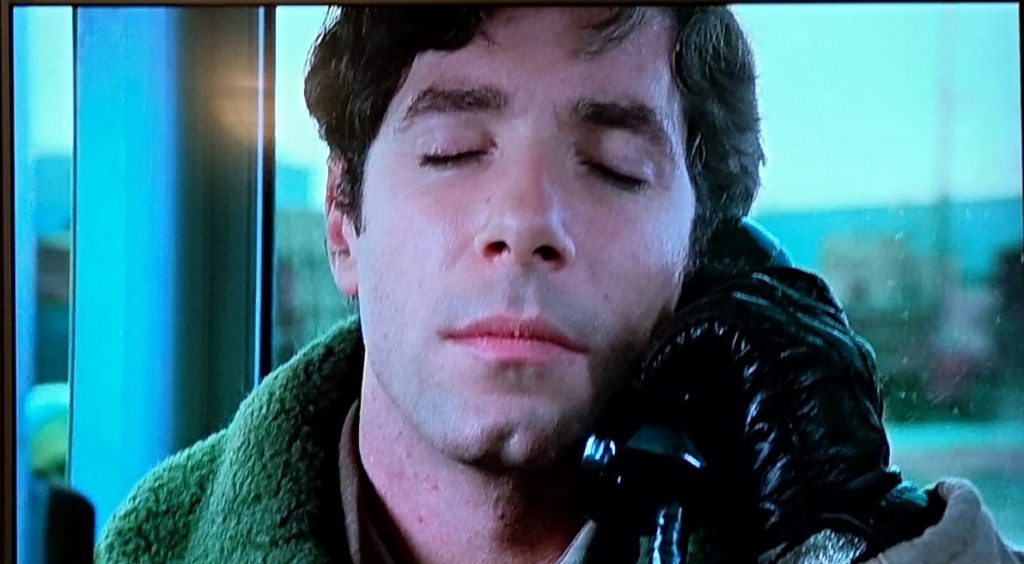
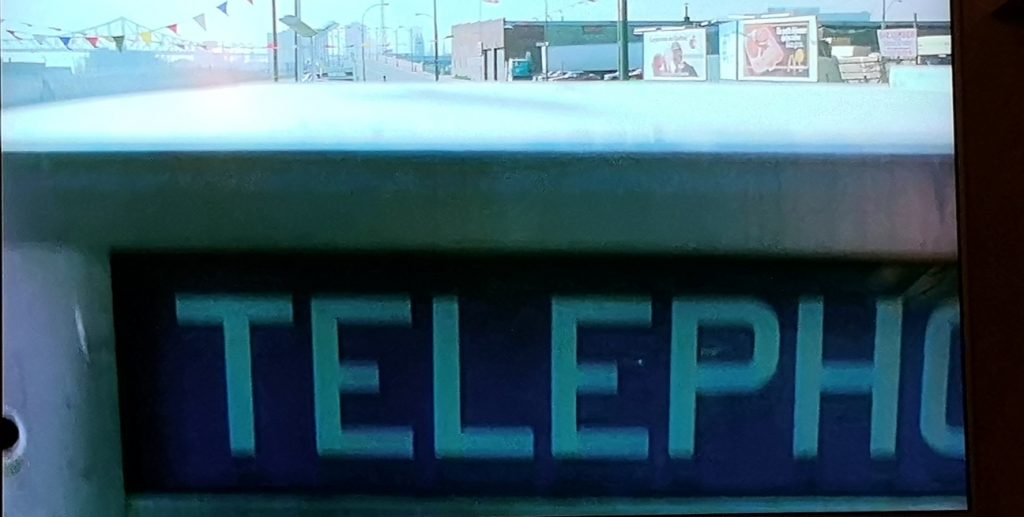
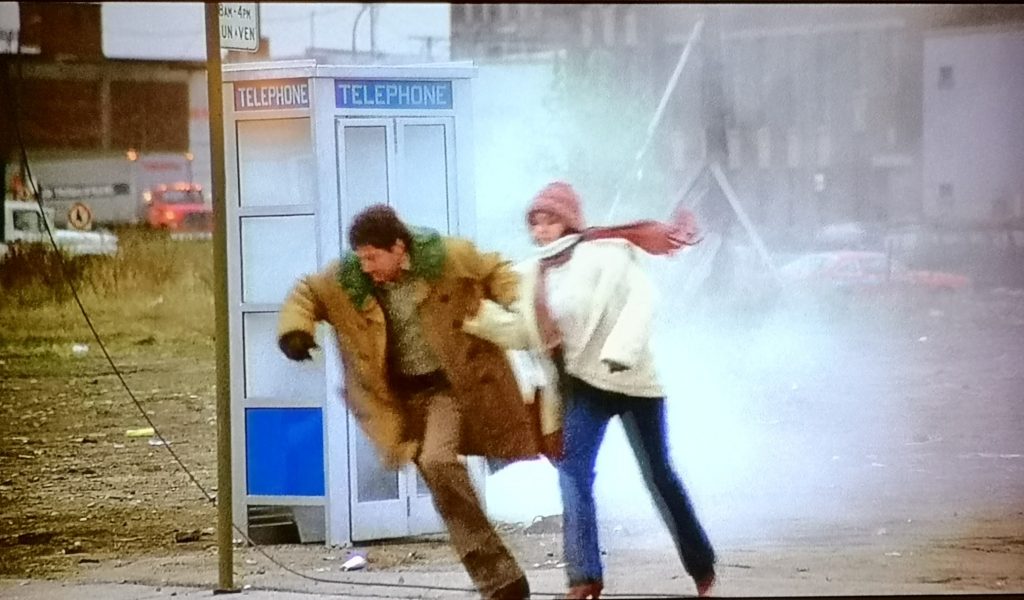
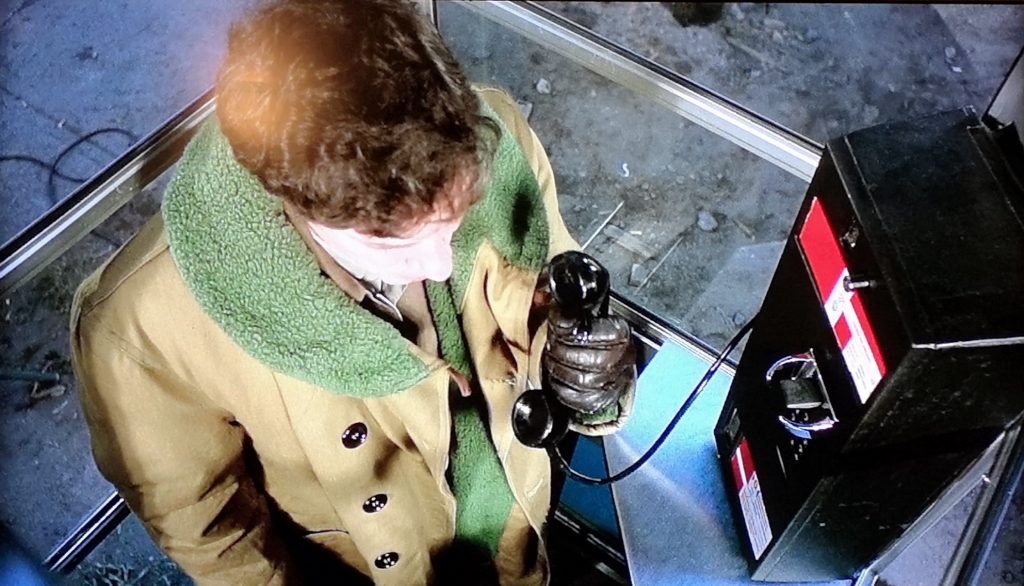
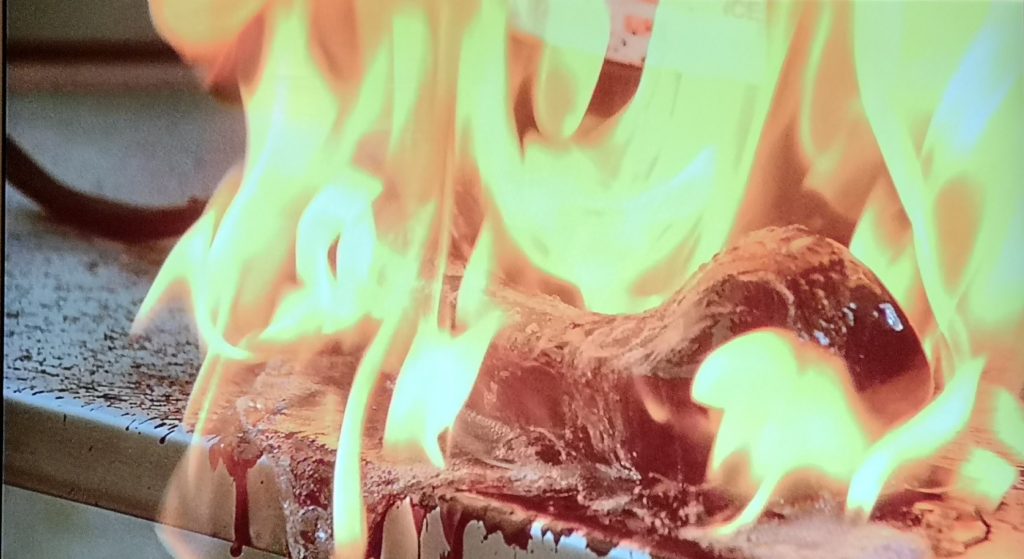
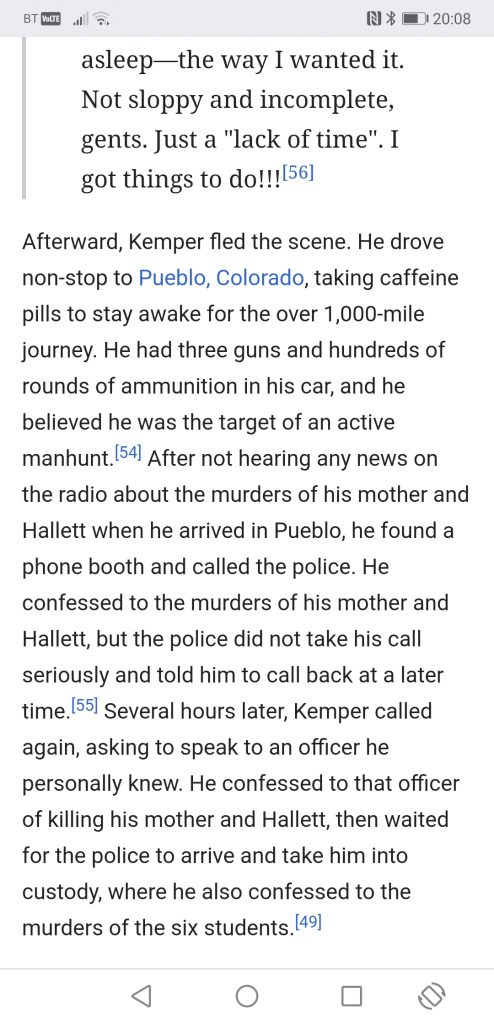
We’ve started watching ‘Mindhunter’, set in the USA in the 1970s. There was mention of a serial killer who, when expecting to be hunted by police and finding he was not, rang in from a phone booth to confess. Here’s a screen shot from Wikipedia:
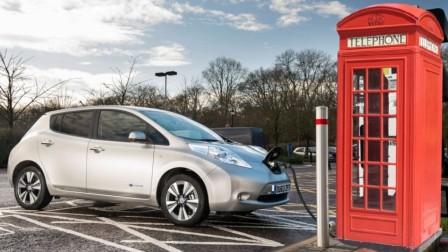
EV charging points to be as ‘iconic’ as red phone boxes
Story by Ioanna Lykiardopoulou
The British Department for Transport (DfT) plans to make EV charging points as iconic as the red phone boxes designed by Sir Giles Gilbert Scott back in 1926, ‘The Telegraph’ reports.
The DfT is offering a £200,000 ($283,400) contract to a design team that can develop an “iconic, functional public electric vehicle charge point.”
The government believes that, by making charging points more appealing to the eye, it can accelerate the expansion of the country’s charging network and, ultimately, the transition to EVs.
As a matter of fact, a 2020 survey conducted by Seat found that a third of UK drivers consider EV charging points as “eyesores.” Half of the survey respondents (49%) said that they didn’t want chargers installed on their street.
Conservative MP and former transport minister Sir John Hayes explained that the new design project would help remedy the aesthetic factor.
He noted that the new design plan should reach the standards set by Gilbert Scott and that it should result into something immediately identifiable as another piece of emblematic British street furniture.
Admittedly, the DfT is clearly thinking out of the box to incentivize EV adoption – after all, who wouldn’t like a charger that could be as cool as the red phone booth? I can already imagine tourists lining up for a photo.
But if we dig a bit deeper, there’s a sadness to this initiative as well. It shows that there’s still a long way to go before the public accepts EVs as part of everyday life. As far as I know, no effort has ever been made to beautify gas stations, and, boy, do they look ugly.
Source : https://thenextweb.com/news/uk-wants-ev-charging-points-as-iconic-as-red-phone-boxes
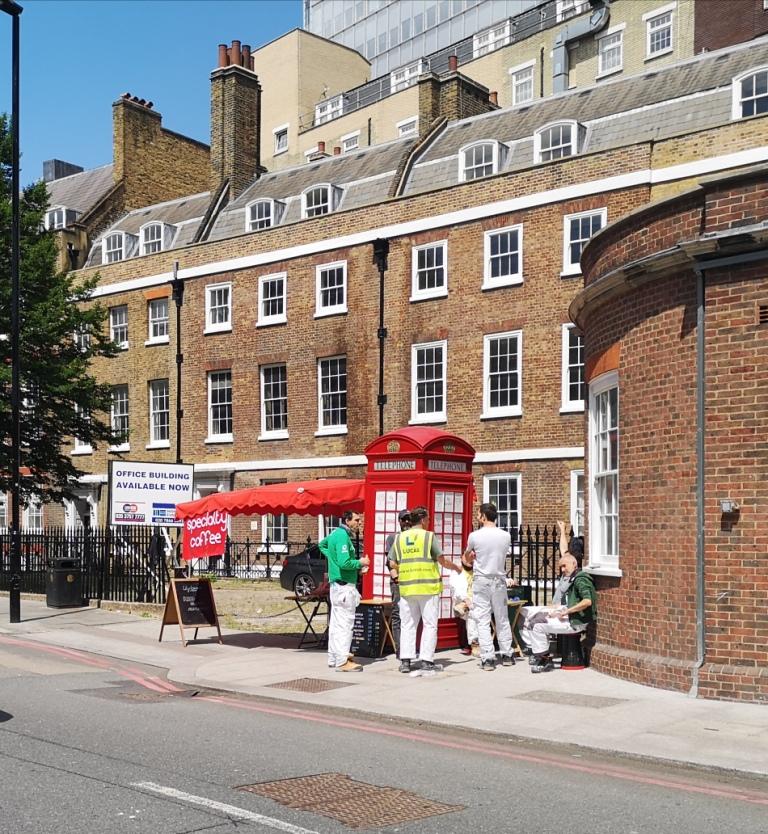
Hampsted hampers
In Hampsted, London, these beauties have been repurposed into food stalls.
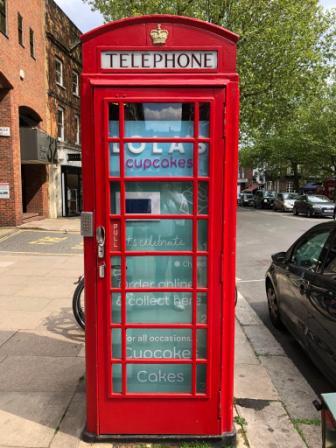
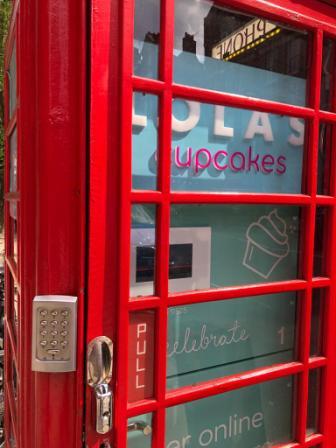
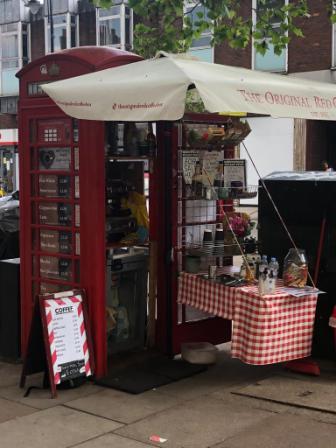
Thanks to Donna for the photos.
Some real places
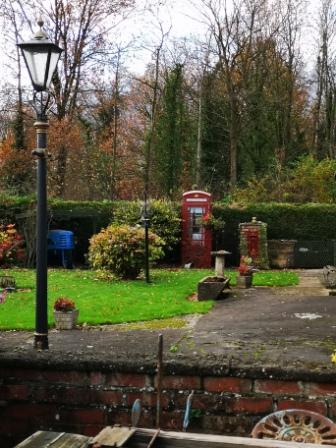
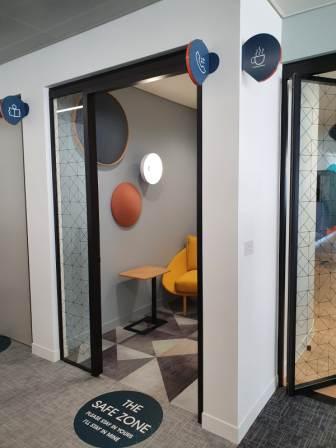
Here are some non-fictional places:
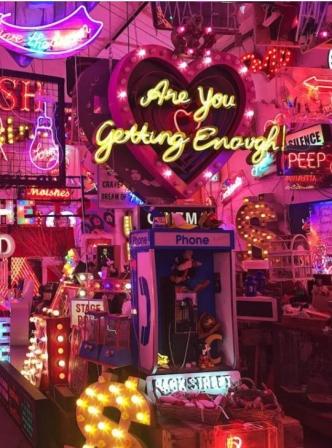
A friend sent me this image of ‘Gods Own Junkyard’ in Walthamstow, London. I’ve discovered ancestors who lived there in the late 1700s-mid 1800s. When things open again I’ll go visit.
Lockdown viewing
Part of my Lockdown viewing has included all the repeats of ‘Agatha Christie’s Marple‘ and other Christie versions.
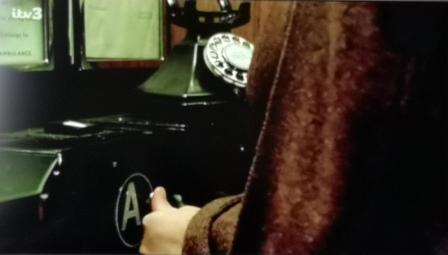
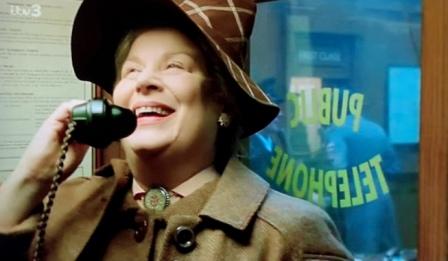
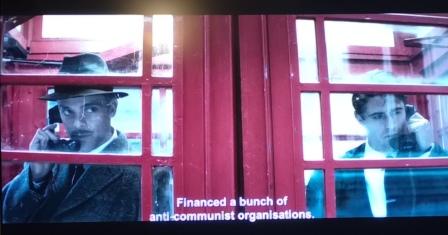
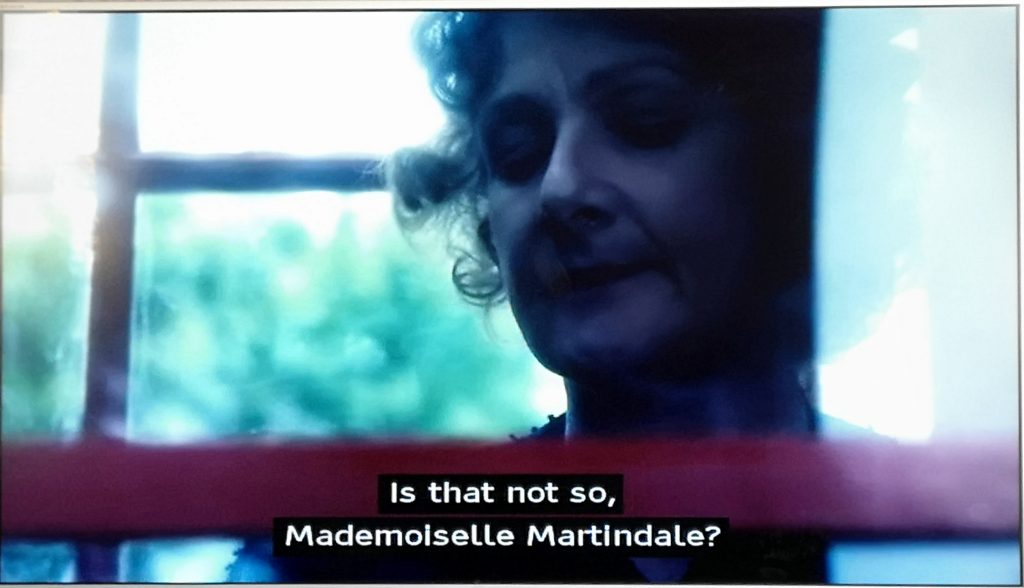
Then I moved onto Poirot and in the image below we have a murder IN the phone box:
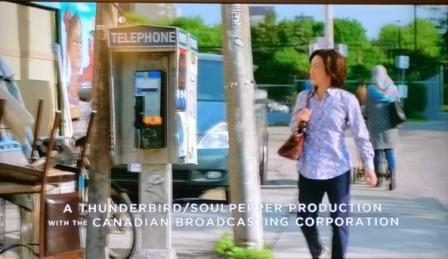
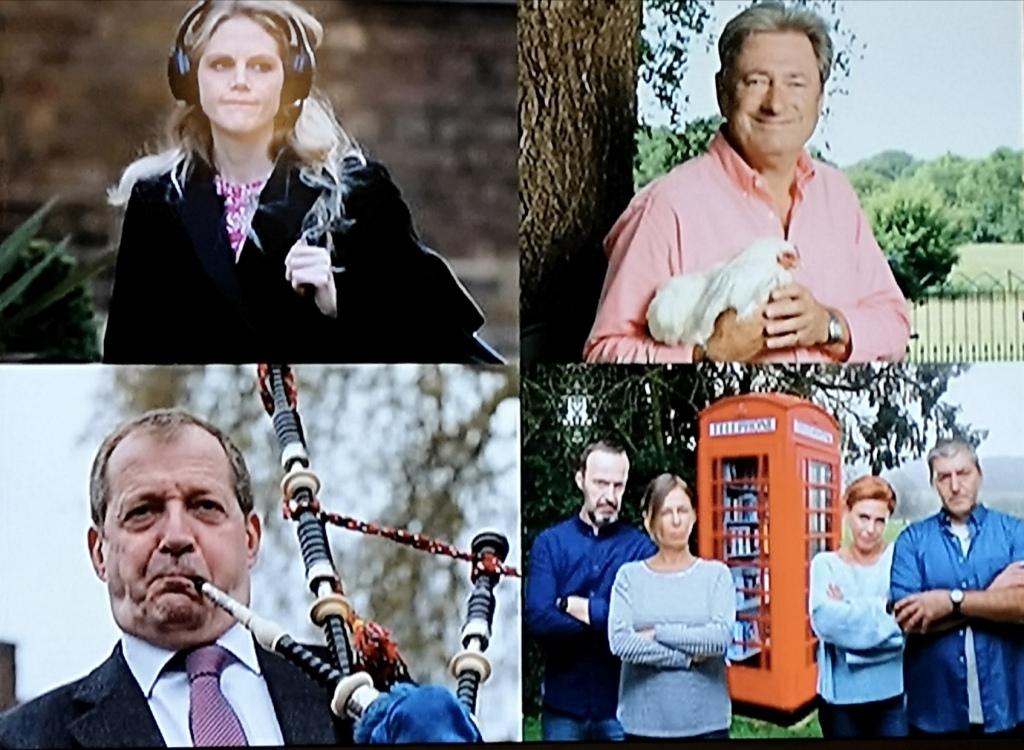
Then there’s all the other TV I’ve watched, including:
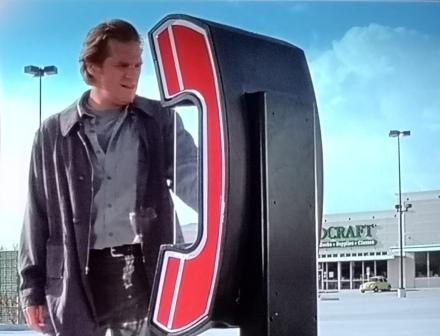
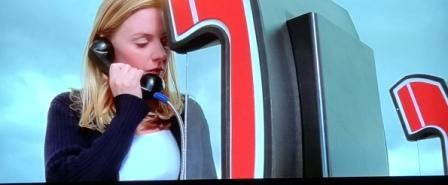
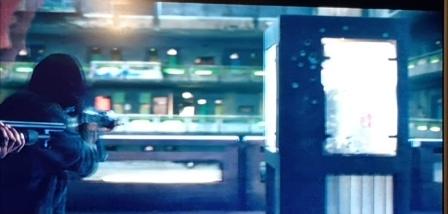
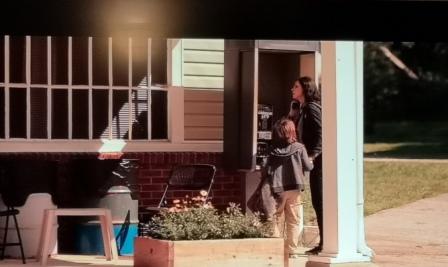
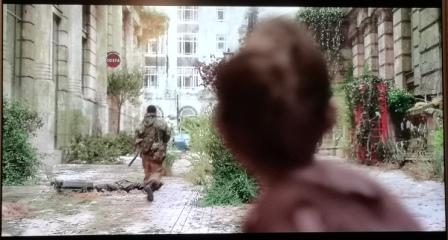
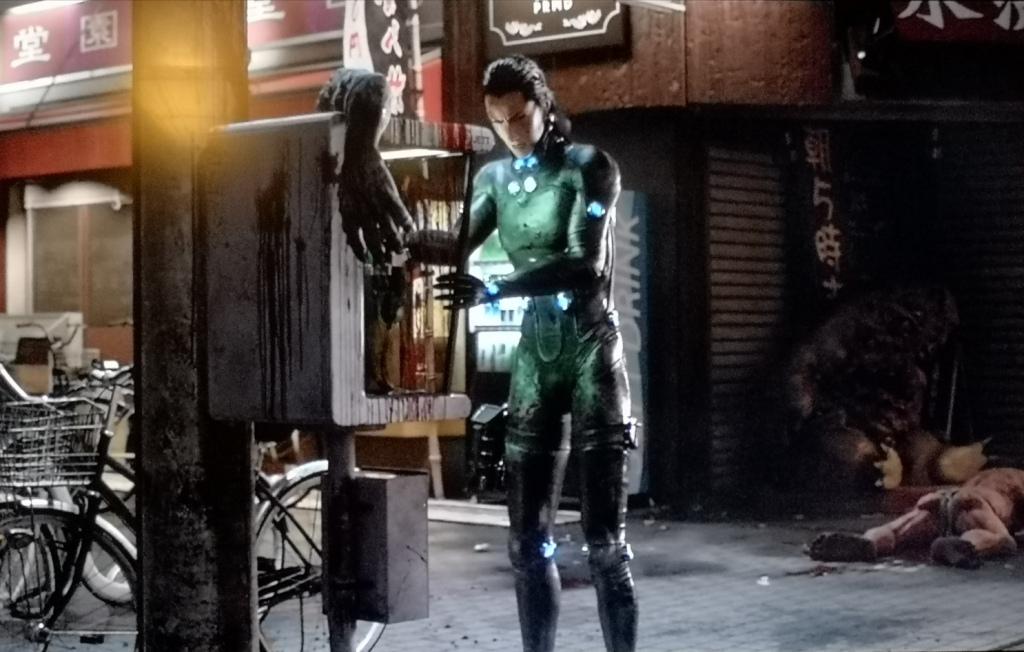
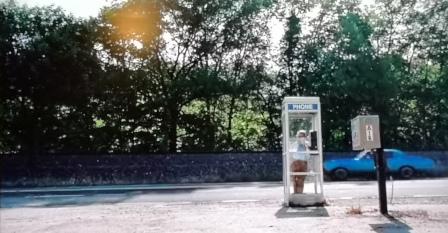
Posting these I realise how bleak my viewing has been, so here’s something a little brighter:
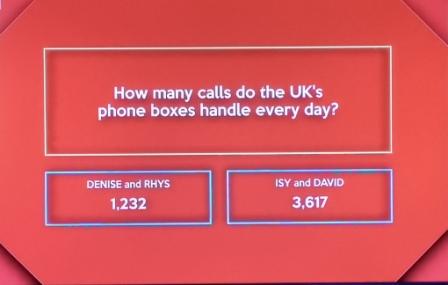
Your Honor
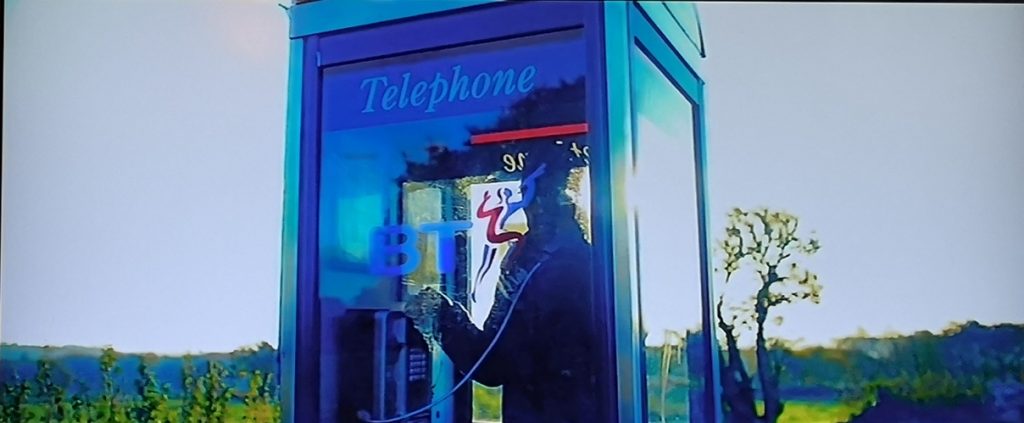
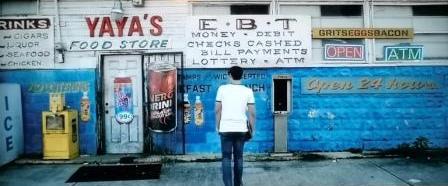
We just started watching ‘Your Honor‘ and this shot appears in the first 10 minutes or so. I love the way it’s constructed, with balance and form and colour.
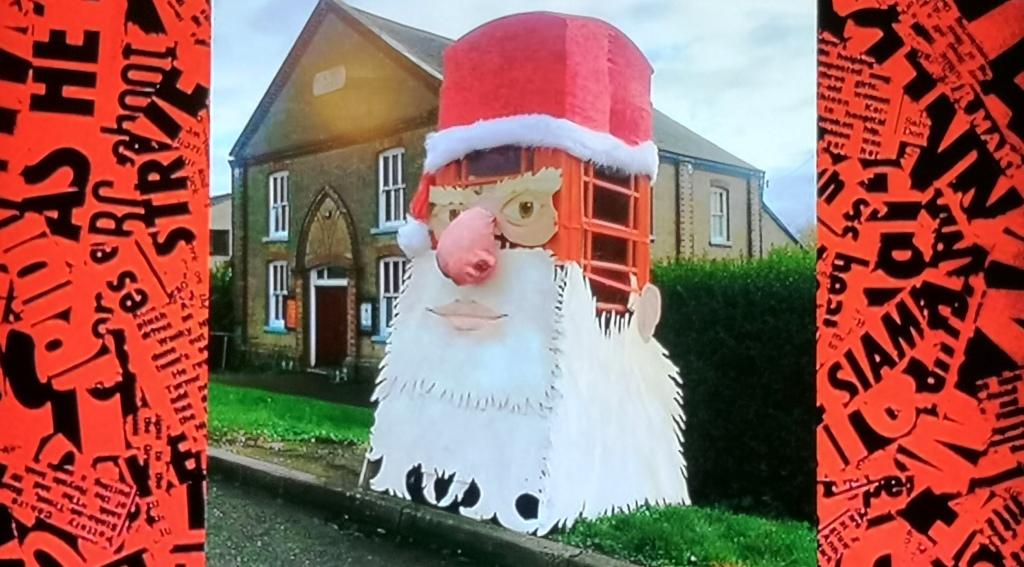
Another makeover
Not sure how we missed this Christmas episode…
Adopt a Box
Not a new idea but nice to hear about how communities are keeping an icon relevant…
BT is putting 4,000 phone boxes up for adoption. Many have already been turned into libraries, defibrillator stations, even tiny art galleries.
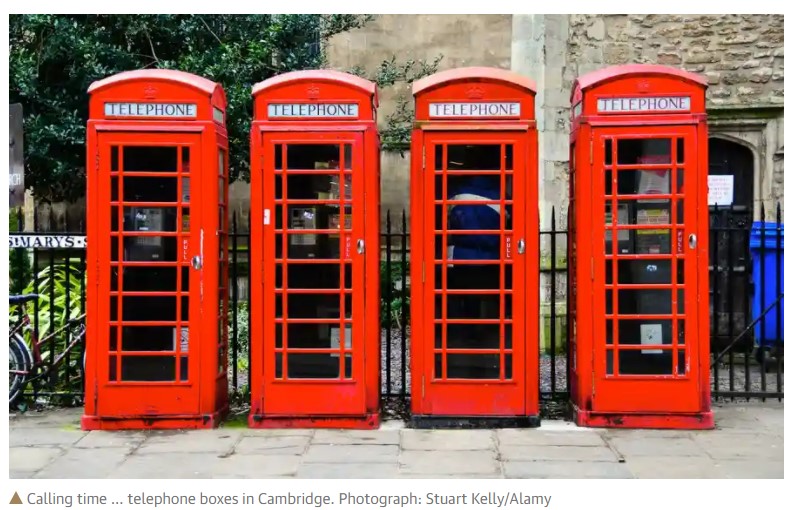
Name: Red telephone boxes.
Age: Sir Giles Gilbert Scott’s original K2 design dates from 1924, but his smaller K6, from 1936, is the the more widespread.
Appearance: Iconic.
Purpose: Depends.
You mean it depends on the nature of the telephone call you wish to place? Of course not – nobody uses phone boxes to make calls any more.
Why not? Because everybody has a mobile now. Only about 7,000 traditional red phone boxes across the UK even work, but more than half lose money and calls continue to decline by 20% a year.
What other purpose can an obsolete phone box serve? A lot of them get turned into libraries.
Aren’t they a bit small for that? They’re very small libraries – basically community hubs where books can be donated and exchanged.
I suppose it’s better than no library at all. Precisely. When mobile library funding was cut for Westbury-sub-Mendip, Somerset, the parish council bought the local phone box and slung up some shelves.
Bought it from where? From BT. Since 2008, its Adopt a Kiosk scheme has allowed communities to purchase its redundant phone boxes for £1.
Is the scheme popular? Yes. So far 6,600 phone boxes have been adopted, and BT just announced another 4,000 are to be made available.
That’s a lot of tiny libraries. They’re not all full of books. Some of the kiosks were turned into information centres or mini-museums. In Cheltenham, nine disused boxes have been transformed into single-occupancy art galleries.
What a lovely idea. If there’s a downside to cutting vital community services to the point where they can fit inside phone boxes, I can’t see it. Well, some of the library boxes have had to be temporarily shut because of Covid.
I suppose there may be a risk there. And someone has been leaving erotic fiction in the phone box in Hurstbourne Tarrant, Hampshire.